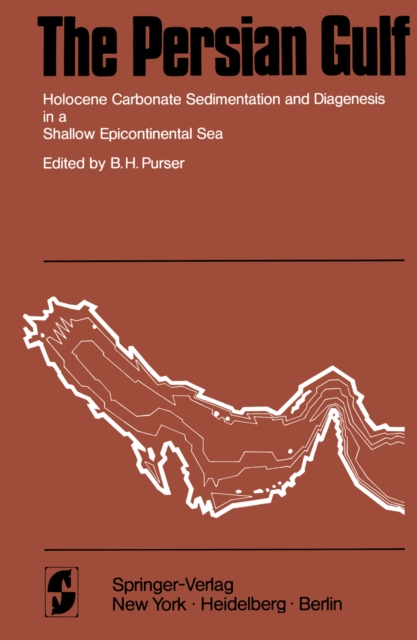
This volume, although not an integrated synthesis, treats most aspects of Holocene sedimenta- tion and diagenesis in the Persian Gulf, grouping 22 contributions under a single cover and in one language.
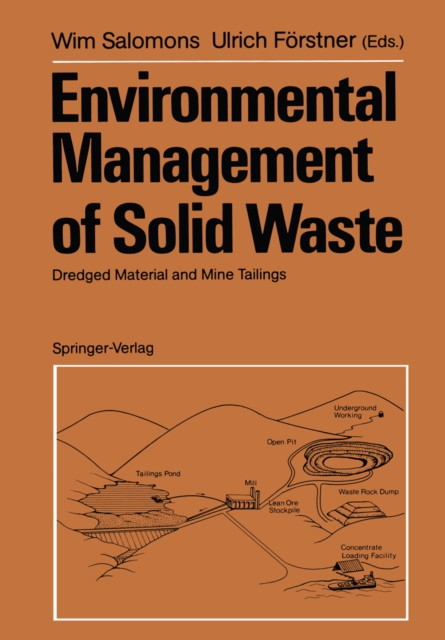
Dredged Material and Mine Tailings are two of the same thing once they are deposited on land: they must be safe-guarded, wash-out must be prevented, and they must be protected by a plantcover.
This updated and expanded second edition textbook, describes all main aspects of soil management, to address the serious problems of soil erosion and the attendant environmental pollution.
This book highlights a detailed high-resolution palynofacies origin and depositional environment, source rock potential, hydrocarbon migration pathway and structural hydrocarbon entrapment mechanisms of the outcrop lithostratigraphic units of the inland Anambra basin.
The main prospects for expanding the mineral resource base of gold are associated with the discovery of typical ore objects within the distribution of productive black shale strata in the Orenburg part of the Southern Urals.
This book is devoted to the most important and urgent problems arising during the operation of underground gas storage facilities (UGS) and associated with the destruction of the reservoir and sand production into the wells.
Evapotranspiration in Agro-Ecosystems and Forestry: Spatio-temporal Applications presents the progress and advances made in terms of science and application of evaporation, transpiration, and evapotranspiration for various vegetation surfaces, water bodies, and bare soil under different soil and crop management (including different irrigation and tillage management) conditions.
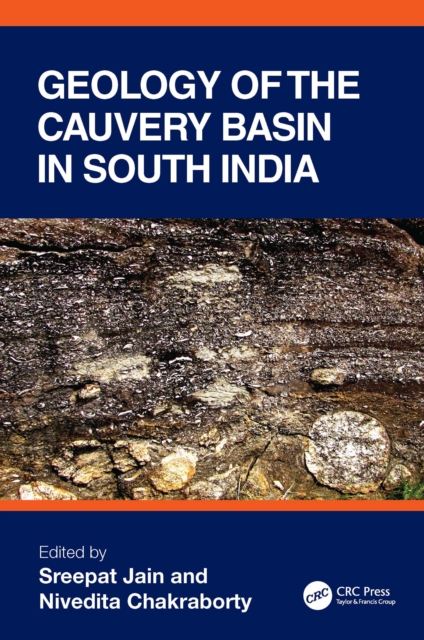
The Cauvery Basin is one of the most widely known and geologically important basins of India, and it has been for decades, and still is, the focus of study for both national and international researchers.
Although valuable resources in river basins and other aqueous environments, sediments often receive much less attention from researchers, policymakers, and other professionals than other components of the ecosystem.
Fundamentals of Ground Engineering is an unconventional study guide that serves up the key principles, theories, definitions, and analyses of geotechnical engineering in bite-sized pieces.
Structure and Function in Agroecosystem Design and Management presents an advanced discussion of the need to design agricultural systems that 1) increase reliance on biological interactions in agroecosystems as a means of decreasing dependence on the use of large quantities of agrochemicals and the consumption of fossil fuel energy and 2) continue
Since carbon sequestration in soils reduces the amount of carbon available to the atmosphere, the Kyoto Protocols have heightened interest in soil carbon pools and their effect on carbon fluxes.
During the last four decades, tremendous advances have been made towards the understanding of transport characteristics of contaminants in soils, solutes, and tracers in geological media.
Concerns regarding heavy metal contamination in terrestrial ecosystems have prompted increasing efforts on limiting their bioavailability in the root zone.
The book provides the solutions to the unsolved problems given in the book titled Fluvial Hydrodynamics: Hydrodynamic and Sediment Transport Phenomena.
The book provides the solutions to the unsolved problems given in the book titled Fluvial Hydrodynamics: Hydrodynamic and Sediment Transport Phenomena.
The sugarcane industry faces a number of challenges in terms of stagnating production, price regulations, unstable sugarcane market, and water scarcity/drought.
Este libro tiene por objetivo mostrarle al lector aspectos basicos sobre los fragmentos de roca en el suelo y denotar como estos afectan la infiltracion y las propiedades hidraulicas de los suelos.
Recognized and advocated as a powerful tool, the role of remote sensing in identifying, mapping, and monitoring soil salinity and salinization will continue to expand.
The second edition of a bestseller, Soil and Water Chemistry: An Integrative Approach maintains the balanced perspective that made the first edition a hugely popular textbook.
'Tom is one of my favourite people to taste wine with' - Oz Clarke'Tom's love of wine is matched by his dedication to sharing down-to-earth insights with accessibility and fun' - Olly SmithFrom grape to glass, this highly readable and charismatic guide will teach you everything you need to know to enjoy wine.
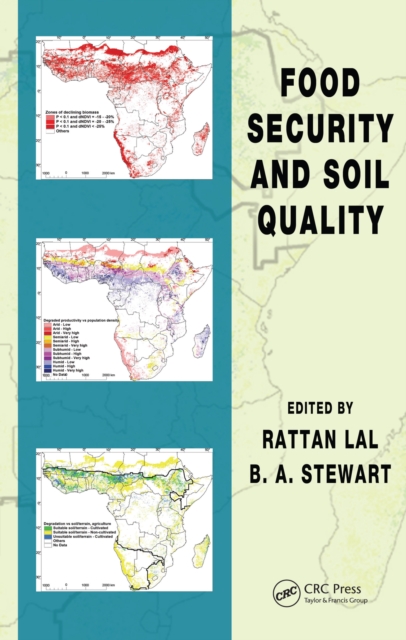
Due to the growth of the world population, food production has increased exponentially as have the agricultural production systems used to produce food.
This practical handbook of properties for soils and rock contains in a concise tabular format the key issues relevant to geotechnical investigations, assessments and designs in common practice.