This book provides a summary of the state of the art of all facets of debris-flow science and practice and is designed to be a comprehensive technical reference for practitioners and a state-of-the-art research overview for scientists.
Microbiome-Based Decontamination of Environmental Pollutants explores the complex interactions of plant-associated microbiomes, providing insights into the pressing challenges of managing environmental resources such as soil, water, and waste.
Microbiome-Based Decontamination of Environmental Pollutants explores the complex interactions of plant-associated microbiomes, providing insights into the pressing challenges of managing environmental resources such as soil, water, and waste.
A balanced, comprehensive overview of Environmental Quality Standards (EQS), Derivation and Use of Environmental Quality and Human Health Standards for Chemical Substances in Water and Soil addresses the selection and prioritization of substances for standard derivation.
Handfestes Weinwissen, unterhaltsam präsentiertCarsten Henn ist weitgereist in der Welt des Weins, in seinem Keller stapeln sich die Flaschen, und er gilt als eine der besten Weinnasen Deutschlands.
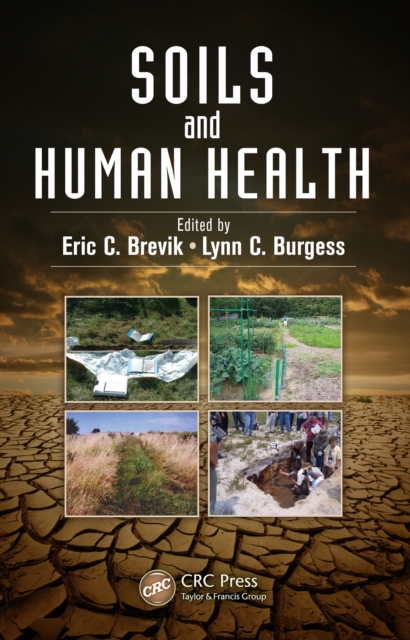
Despite the connections between soils and human health, there has not been a great amount of attention focused on this area when compared to many other fields of scientific and medical study.
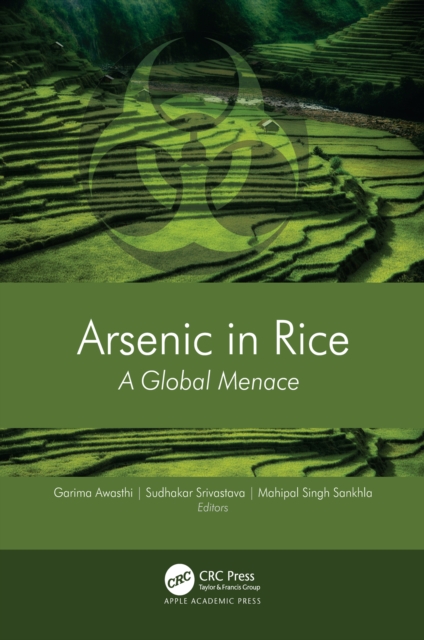
This new volume addresses the global concern of environmental pollution mediated by a variety of organic, inorganic, persistent, and nonpersistent pollutants, which have a substantial detrimental impact on the structural and functional aspects of ecosystems.
This new volume addresses the global concern of environmental pollution mediated by a variety of organic, inorganic, persistent, and nonpersistent pollutants, which have a substantial detrimental impact on the structural and functional aspects of ecosystems.
It is extraordinary enough that one small area in north-eastern France, on the northern edge of Europe's wine-growing regions, should be capable of producing the finest sparkling wine in the world, one of the few worth discussing as a wine and not merely as a sparkling beverage.
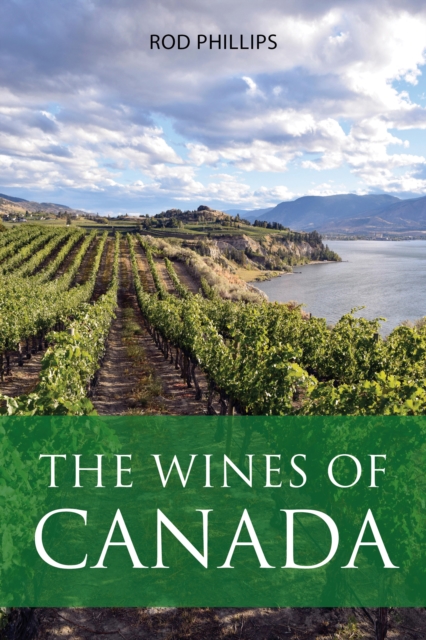
Wine has been made commercially in Canada since the mid-1800s but Canadian wine has only really begun to register with professionals and consumers outside the country in the last few decades, as quality has dramatically improved.
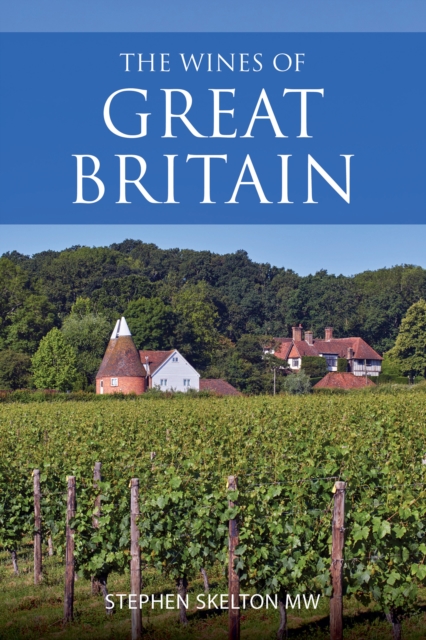
Great Britain is a premium wine-producing region, with around 650 vineyards in England and Wales covering some 2,750 hectares and producing sparkling and still wines.
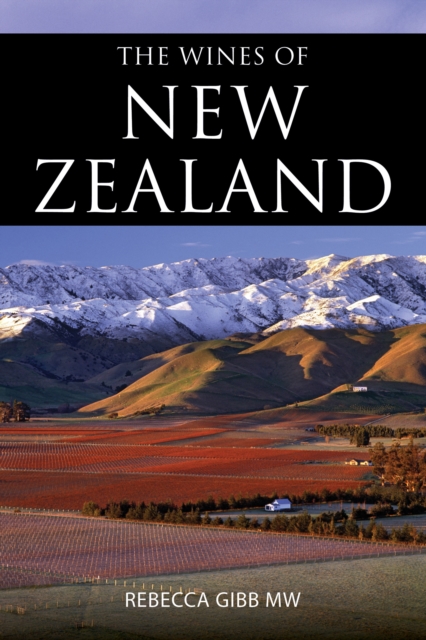
New Zealand's wine industry has grown rapidly over the last thirty years, with the world's wine drinkers falling particularly hard for the Marlborough region's distinctive Sauvignon Blancs.
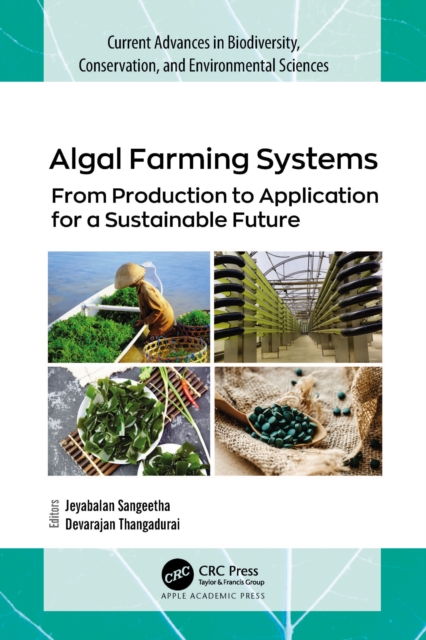
The farming and cultivation of algae can provide sustainable solutions for issues like food security-related problems, costly health-related products, sustainable fuels, and more.
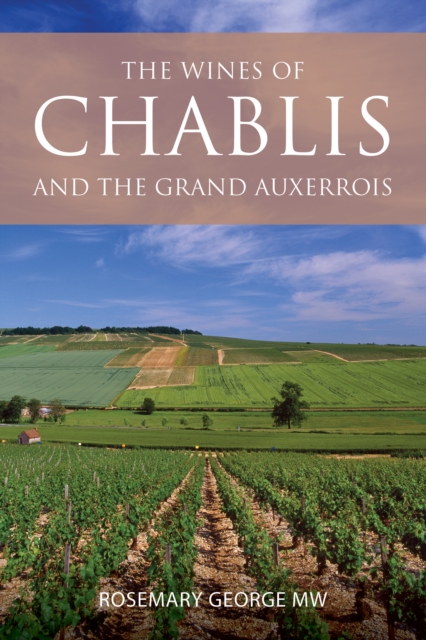
The wines of Chablis builds on Rosemary George's pioneering books on the region, The wines of Chablis and the Yonne and The wines of Chablis and the Grand Auxerrois, and brings the story of Chablis completely up to date.
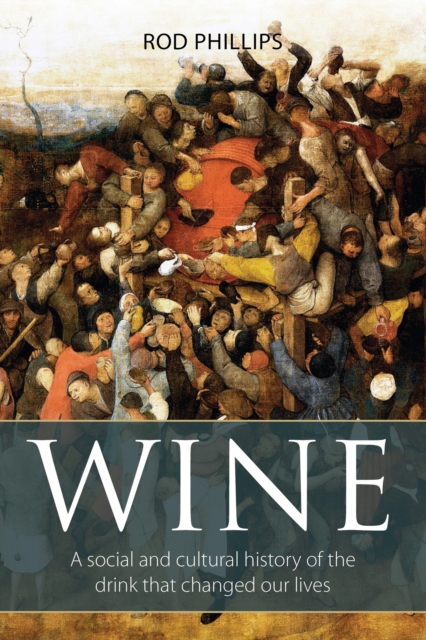
Wine has been considered a luxury product since the time of the ancient Egyptians, and today is coveted by collectors and wine enthusiasts from around the world.
Wines are generally defined in one of three ways: by their country or region of origin, by their colour (red, white, pink) or by their style (still, sparkling, fortified).
Fully revised and updated for its sixth edition, this benchmark book chronicles the changing face of sherry - its viticultural methods, the complex production techniques, the growth of the wine's trade and the region itself - taking us from the area's early Phoenician settlers right up to the present day.
This historic wine nation at the heart of Europe produces a diverse range of wines - Riesling above all, but also compelling Spatburgunder, aka Pinot Noir, and Silvaner, amongst others.
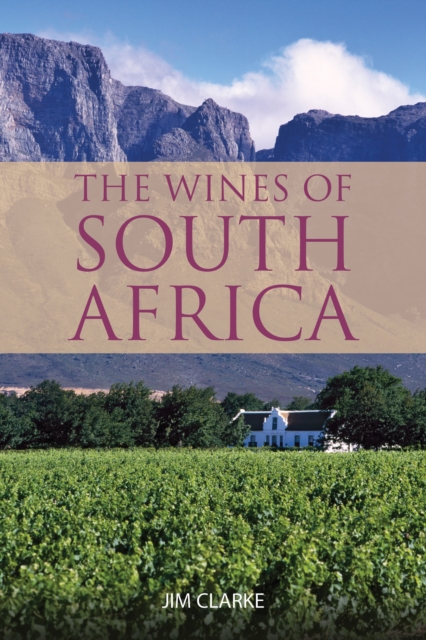
Within a few years of establishing a Dutch settlement in the Western Cape in 1652, the new inhabitants had begun to make wine to fortify crews sailing from Europe to the colonies in East Asia via the Cape.
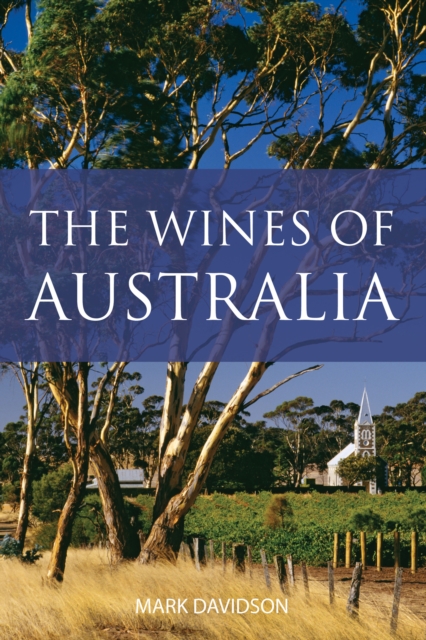
Grape vines are not native to Australia, but this is a country with a wine history dating back almost 250 years, to the arrival of the First Fleet in 1788.
Microbiome-Assisted Bioremediation: Rehabilitating Agricultural Soils provides a complete reference to the opportunities, technologies and challenges of remediating contaminated soils through use of microbial means.