Nicolás Steno puede considerarse uno de los grandes olvidados de la literatura geológica española, ya que no existe ninguna traducción completa de sus obras, a pesar de poder ser considerado junto Hutton, Lyell y Darwin uno de los fundadores de la geología como ciencia.
Jurassic Stratigraphy - Part 2,Volume Ten in the Stratigraphy and Timescales series, showcases new advances in the field with a collection of engaging chapters.
Between 2009 and 2024, the Anthropocene Working Group (AWG), an interdisciplinary team of geologists, archaeologists, Earth systems scientists, historians of science, and one lawyer, sought to formalise the Anthropocene as a formal unit of the Geologic Time Scale.
Between 2009 and 2024, the Anthropocene Working Group (AWG), an interdisciplinary team of geologists, archaeologists, Earth systems scientists, historians of science, and one lawyer, sought to formalise the Anthropocene as a formal unit of the Geologic Time Scale.
The Cauvery Basin is one of the most widely known and geologically important basins of India, and it has been for decades, and still is, the focus of study for both national and international researchers.
Jurassic Stratigraphy - Part 1, Volume Nine of the serial Stratigraphy and Timescales, showcases new advances in the field with a collection of engaging chapters.
Reservoir characterization as a discipline grew out of the recognition that more oil and gas could be extracted from reservoirs if the geology of the reservoir was understood.
Decadas acumuladas de iniciativas gubernamentales y civiles, funcionales o transgresoras al modelo urbano agroindustrial, le han ido agregando piel y espiritu al campo de la educacion ambiental (EA) en Mexico.
Integration of ichnological information into sedimentological models, and vice versa, is one of the main means by which we can improve our understanding of ancient depositional environments.
Chemostratigraphy: Concepts, Techniques, and Applications is the first collection of contributed articles that introduces young geoscientists to the discipline while providing seasoned practitioners with a standard reference that showcases the topic's most recent research and application developments.
Stratigraphy and Timescales covers current research across a wide range of stratigraphic disciplines, providing information on recent developments for the geoscientific research community.
Terrestrial Depositional Systems: Deciphering Complexities through Multiple Stratigraphic Methods is the first collection of contributed articles that not only introduces young geoscientists to biostratigraphy, chemostratigraphy, magnetostratigraphy, and lithostratigraphy, but also provides seasoned practitioners with a standard reference that showcases the topic's most recent developments in research and application.
Carbon Isotope Stratigraphy, Volume Five in the Advances in Sequence Stratigraphy series, covers research in stratigraphic disciplines, including the most recent developments in the geosciences.
Stratigraphy Timescales, Volume Seven in the Advances in Sequence Stratigraphy series, covers research in stratigraphic disciplines, including the most recent developments in the geosciences.
The 2nd Edition of Carbonate Reservoirs aims to educate graduate students and industry professionals on the complexities of porosity evolution in carbonate reservoirs.
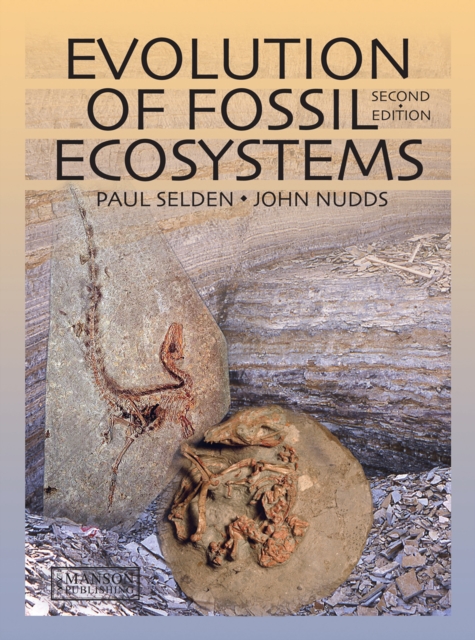
Evolution of Fossil Ecosystems describes all of the main Fossil Lagerstatten (sites of exceptional fossil preservation) from around the world in a chronological order.
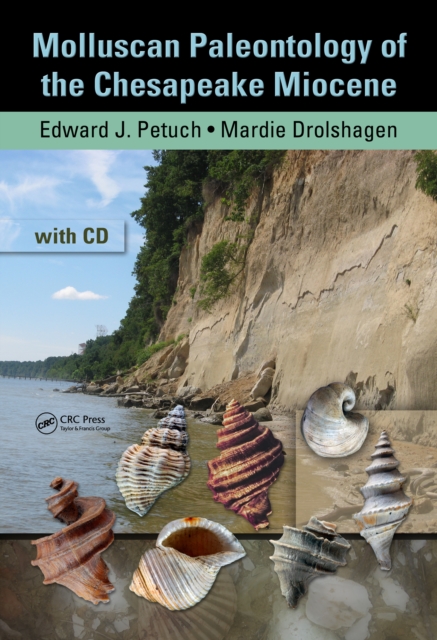
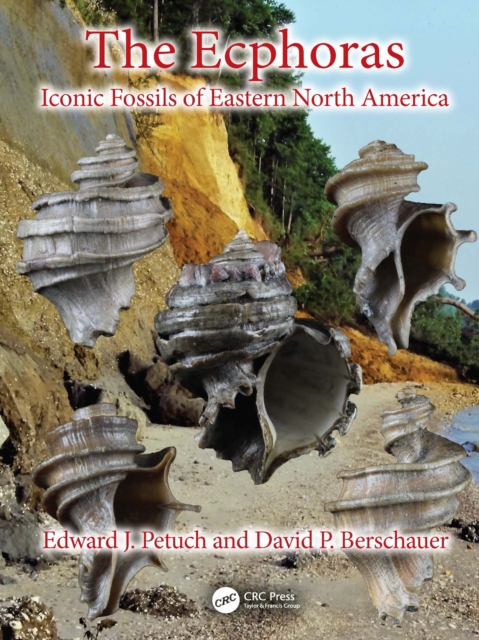
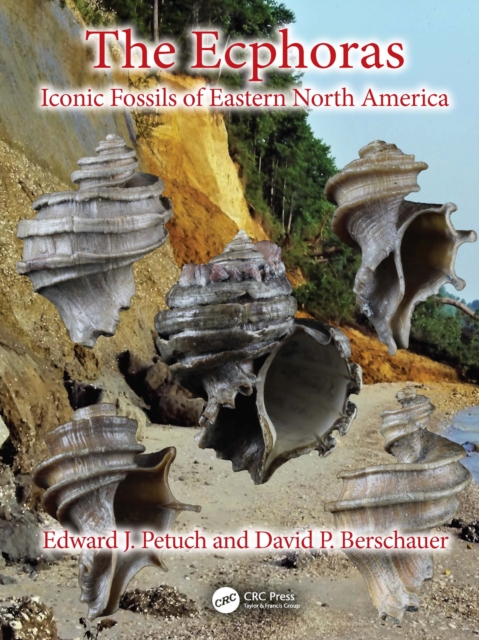
In the Miocene and Pliocene fossil shell beds of the eastern United States, the single most spectacular molluscan species radiation is seen in the ecphora shells (the Tribe Ecphorini).
In the Miocene and Pliocene fossil shell beds of the eastern United States, the single most spectacular molluscan species radiation is seen in the ecphora shells (the Tribe Ecphorini).
This Handbook provides solutions to the fundamental issues associated with wells and reservoirs experiencing sanding problems, especially in deepwater environments.
Reservoir characterization as a discipline grew out of the recognition that more oil and gas could be extracted from reservoirs if the geology of the reservoir was understood.
The first edition of the Handbook of Clay Science published in 2006 assembled the scattered literature on the varied and diverse aspects that make up the discipline of clay science.
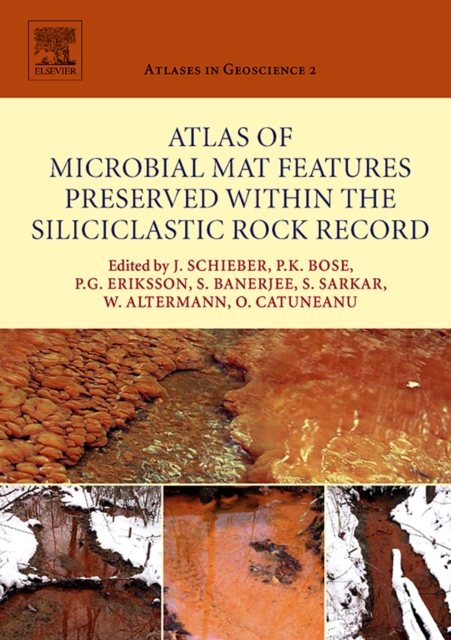
Drawing on a combination of modern occurrences and likely ancient counterparts, this atlas is a treatise of mat-related sedimentary features that one may expect to see in ancient terrigenous clastic sedimentary successions.
As the year 1386 began, Geoffrey Chaucer was a middle-aged bureaucrat and sometime poet, living in London and enjoying the perks that came with his close connections to its booming wool trade.
Evolution of Fossil Ecosystems describes all of the main Fossil Lagerstatten (sites of exceptional fossil preservation) from around the world in a chronological order.
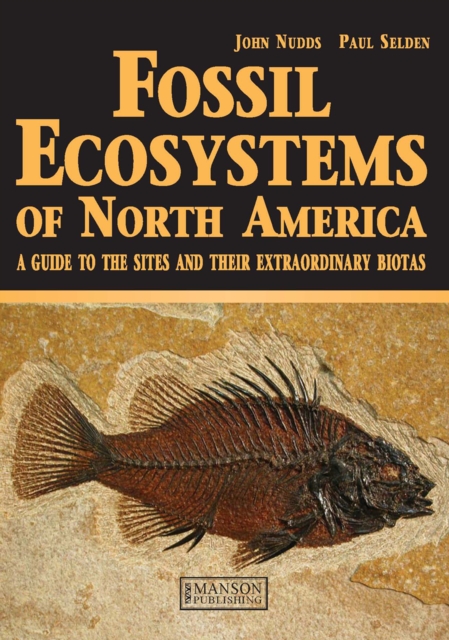
Most major recent advances in understanding the history of life on Earth have been through the study of exceptionally well preserved biotas (Fossil-Lagerstatten).