Despite being one of the most successful branches of mainstream archaeology, wetland archaeology, as an academic discipline, is still relatively unknown.
Aboveground-Belowground Linkages provides the most up-to-date and comprehensive synthesis of recent advances in our understanding of the roles that interactions between aboveground and belowground communities play in regulating the structure and function of terrestrial ecosystems, and their responses to global change.
This is a book about the dramatic periods in the Earth's history called mass extinctions - short periods (by geological standards) when life nearly died out on Earth.
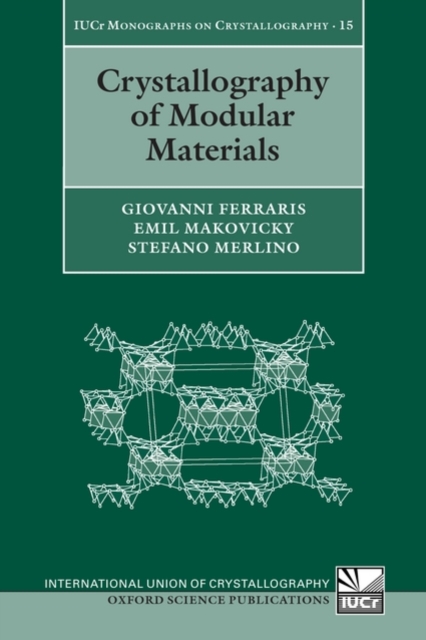
This is the first book to provide a comprehensive treatment of theories and applications in the rapidly expanding field of the crystallography of modular materials.
This book is unique in providing a comprehensive, up-to-date synthesis of what is known about soil biodiversity and the factors that regulate its distribution, as well as the functional significance of below-ground biodiversity for ecosystem form and function.
This is a book about the dramatic periods in the Earth's history called mass extinctions - short periods (by geological standards) when life nearly died out on Earth.
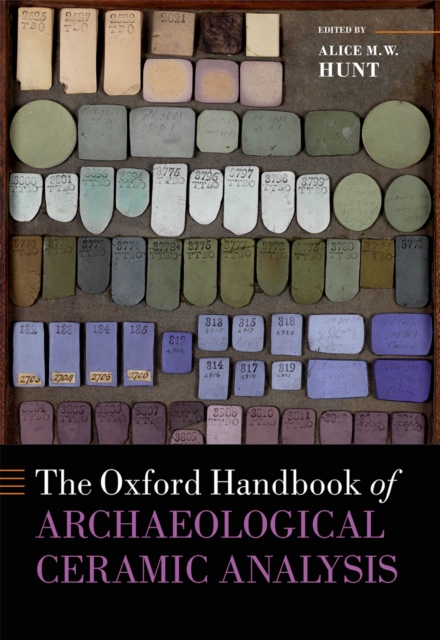
The Oxford Handbook of Archaeological Ceramic Analysis draws together topics and methodologies essential for the socio-cultural, mineralogical, and geochemical analysis of archaeological ceramic.
The Oxford Handbook of Archaeological Ceramic Analysis draws together topics and methodologies essential for the socio-cultural, mineralogical, and geochemical analysis of archaeological ceramic.
The Earth that sustains us today was born out of a few remarkable, near-catastrophic revolutions, started by biological innovations and marked by global environmental consequences.
The Earth that sustains us today was born out of a few remarkable, near-catastrophic revolutions, started by biological innovations and marked by global environmental consequences.
Marine geochemistry uses chemical elements and their isotopes to study how the ocean works in terms of ocean circulation, chemical composition, biological activity and atmospheric CO2 regulation.
Marine geochemistry uses chemical elements and their isotopes to study how the ocean works in terms of ocean circulation, chemical composition, biological activity and atmospheric CO2 regulation.
This book provides a clear and very broadly based introduction to crystallography, light, X-ray and electron diffraction - a knowledge which is essential to students in a wide range of scientific disciplines but which is otherwise generally covered in subject-specific and more mathematically detailed texts.
Raging wildfires have devastated vast areas of California and Australia in recent years, and predictions are that we will see more of the same in coming years, as a result of climate change.
Raging wildfires have devastated vast areas of California and Australia in recent years, and predictions are that we will see more of the same in coming years, as a result of climate change.
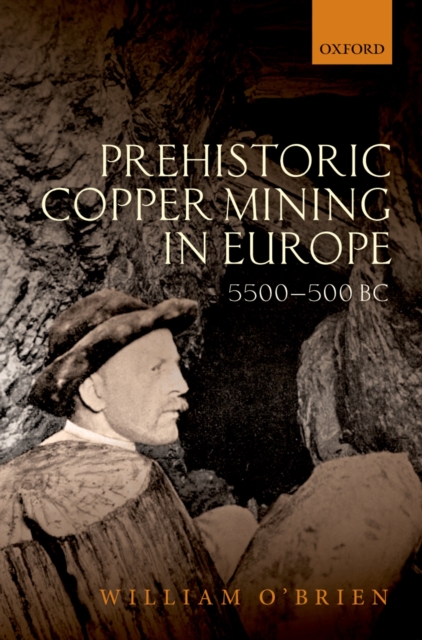
This volume examines prehistoric copper mining in Europe, from the first use of the metal eight thousand years ago in the Balkans to its widespread adoption during the Bronze Age.
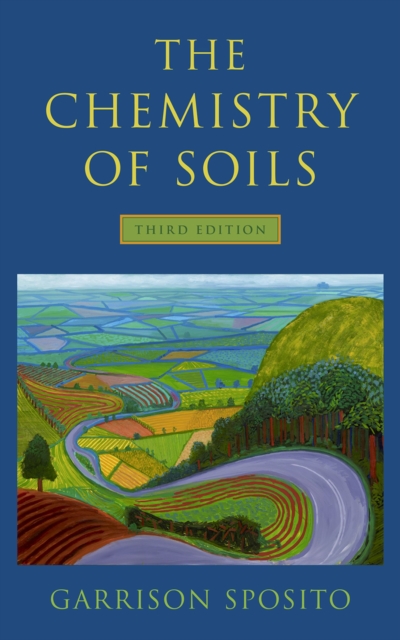
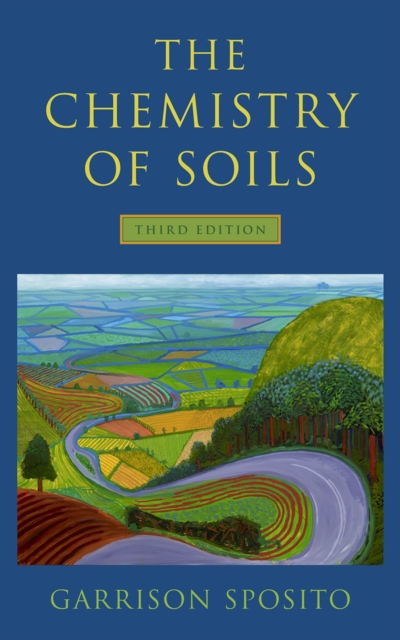
The second edition of The Chemistry of Soils, published in 2008, has been used as a main text in soil-science courses across the world, and the book is widely cited as a reference for researchers in geoscience, agriculture, and ecology.
The second edition of The Chemistry of Soils, published in 2008, has been used as a main text in soil-science courses across the world, and the book is widely cited as a reference for researchers in geoscience, agriculture, and ecology.