Petrophysics: Theory and Practice of Measuring Reservoir Rock and Fluid Transport Properties, Third Edition includes updated case studies, examples and experiments as well as a new chapter on modeling and simulations.
All too often, senior reservoir managers have found that their junior staff lack an adequate understanding of reservoir management techniques and best practices needed to optimize the development of oil and gas fields.
Based on the comprehensive, award-winning book Rivers of North America, the new Field Guide to Rivers of North America describes 200 of North America's most significant rivers in a reader-friendly, concise format.
Exploring the link between the ocean's currents and rapid climate changeWally Broecker is one of the world's leading authorities on abrupt global climate change.
Sandy beaches represent some of the most dynamic environments on Earth and examining their morphodynamic behaviour over different temporal and spatial scales is challenging, relying on multidisciplinary approaches and techniques.
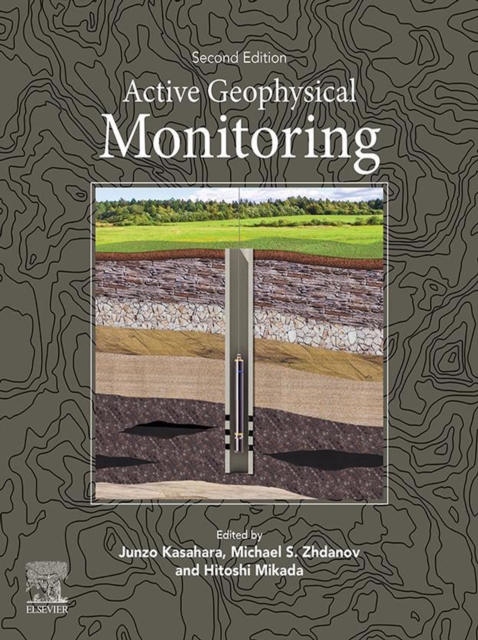
Active Geophysical Monitoring, Second Edition, presents a key method for studying time-evolving structures and states in the tectonically active Earth's lithosphere.
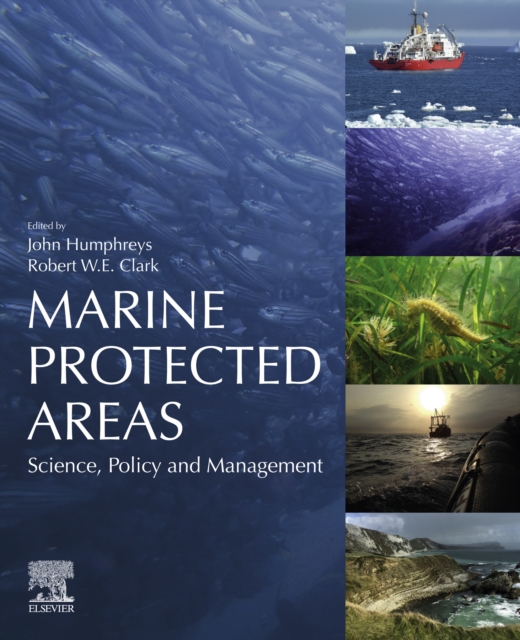
Marine Protected Areas: Science, Policy and Management addresses a full spectrum of issues relating to Marine Protected Areas (MPAs) not currently available in any other single volume.
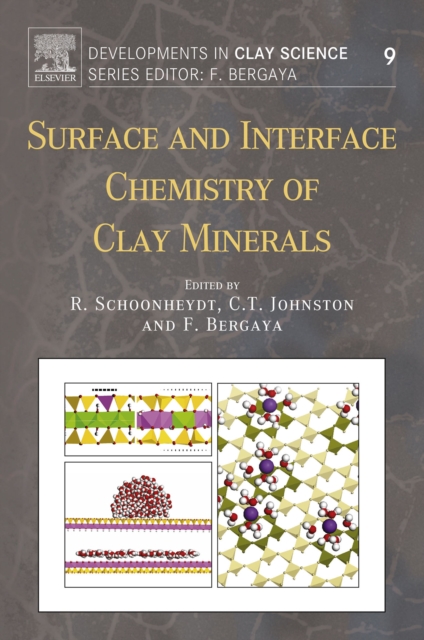
Surface and Interface Chemistry of Clay Minerals, Volume 9, delivers a fundamental understanding of the surface and interface chemistry of clay minerals, thus serving as a valuable resource for researchers active in the fields of materials chemistry and sustainable chemistry.
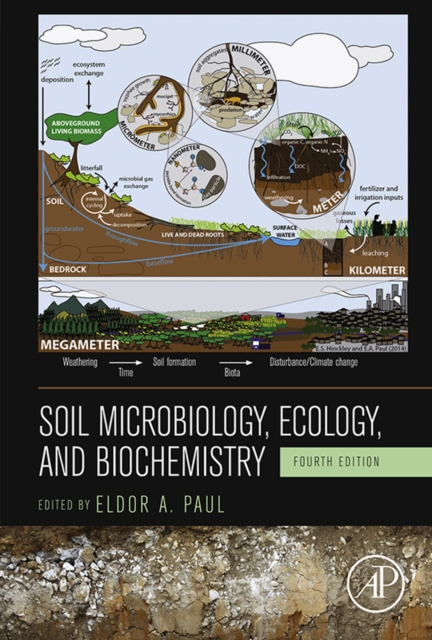
The fourth edition of Soil Microbiology, Ecology and Biochemistry updates this widely used reference as the study and understanding of soil biota, their function, and the dynamics of soil organic matter has been revolutionized by molecular and instrumental techniques, and information technology.
More than 90% of wildfires are caused by human activity, but other causes include lighting, drought, wind and changing weather conditions, underground coal fires, and even volcanic activity.
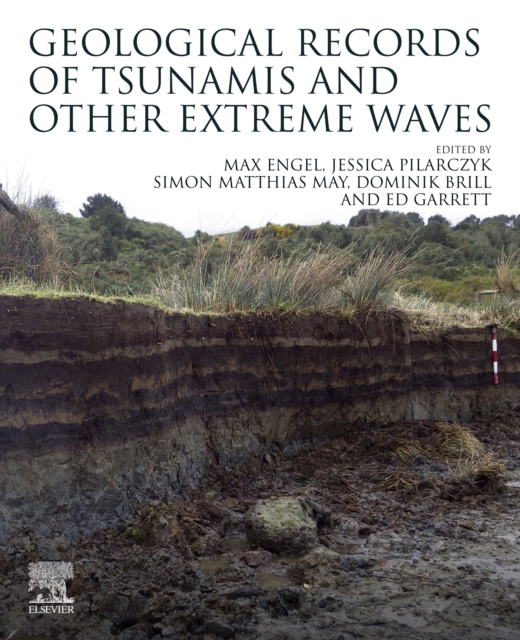
Geological Records of Tsunamis and Other Extreme Waves provides a systematic compendium with concise chapters on the concept and history of paleotsunami research, sediment types and sediment sources, field methods, sedimentary and geomorphological characteristics, as well as dating and modeling approaches.
Geographical Models with Mathematica provides a fairly comprehensive overview of the types of models necessary for the development of new geographical knowledge, including stochastic models, models for data analysis, for geostatistics, for networks, for dynamic systems, for cellular automata and for multi-agent systems, all discussed in their theoretical context.
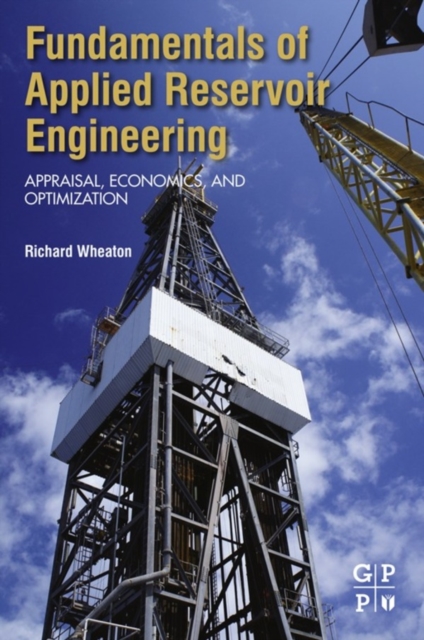
Fundamentals of Applied Reservoir Engineering introduces early career reservoir engineers and those in other oil and gas disciplines to the fundamentals of reservoir engineering.
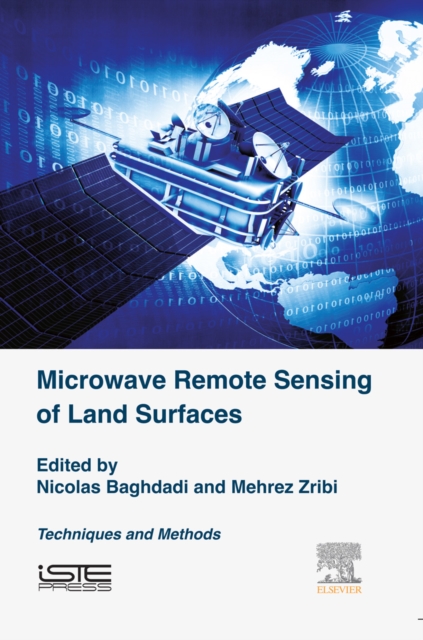
Microwave Remote Sensing of Land Surface: Techniques and Methods brings essential coverage of the space techniques of observation on continental surfaces.
The considerable progress in instrumentation and in the development of methods for the processing and analysis of data places remote sensing at the center of various international programs for the surveillance and tracking of climatic and anthropogenic changes and effects on the environment.
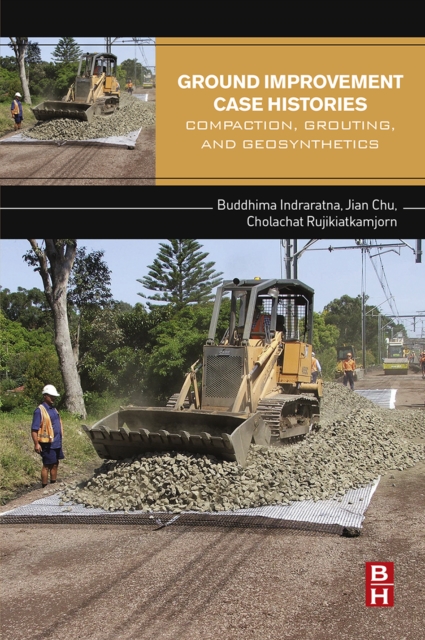
Written by an international group of contributors, Ground Improvement Case Histories: Compaction, Grouting and Geosynthetics provides over 700 pages of international case-histories.
Past Glacial Environments, Second Edition, presents a revised and updated version of the very successful first edition of Menzies' book, covering a breadth of topics with a focus on the recognition and analysis of former glacial environments, including the pre-Quaternary glaciations.
The interpretation of geophysical data in exploration geophysics, well logging, engineering, mining and environmental geophysics requires knowledge of the physical properties of rocks and their correlations.
Geological Controls for Gas Hydrate Formations and Unconventionals tells the story of unconventional hydrocarbon resources, especially gas hydrates, tight gas, shale gas, liquid- rich shale, and shale oil, to future generations.
Infrared and Raman Spectroscopies of Clay Minerals, Volume 8 in the Developments in Clay Science series, is an up-to-date overview of spectroscopic techniques used in the study of clay minerals.
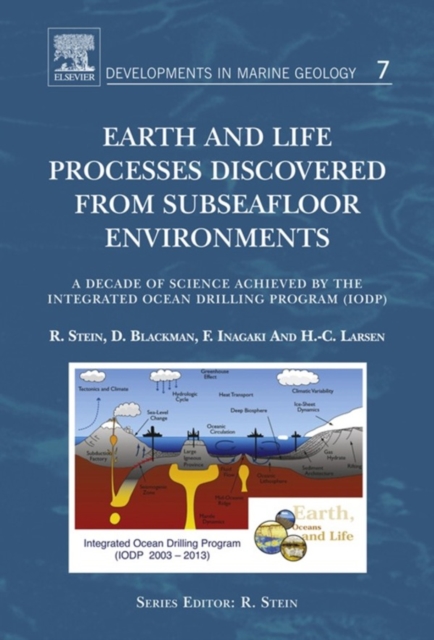
The Integrated Ocean Drilling Program (IODP: 2000-2013) has provided crucial records of past and present processes and interactions within and between the biosphere, cryosphere, atmosphere, hydrosphere and geosphere.
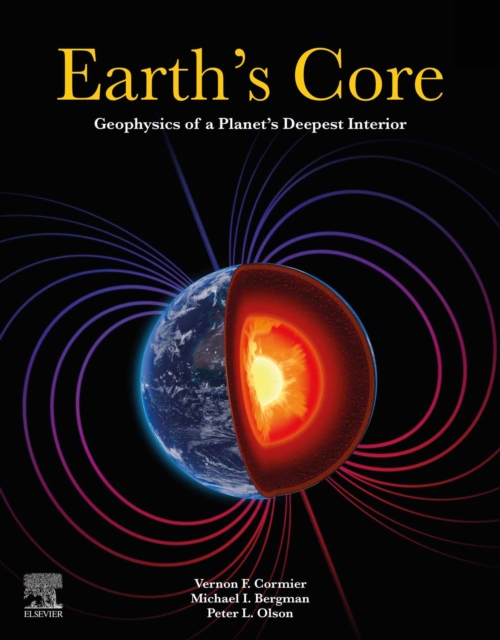
Earth's Core: Geophysics of a Planet's Deepest Interior provides a multidisciplinary approach to Earth's core, including seismology, mineral physics, geomagnetism, and geodynamics.
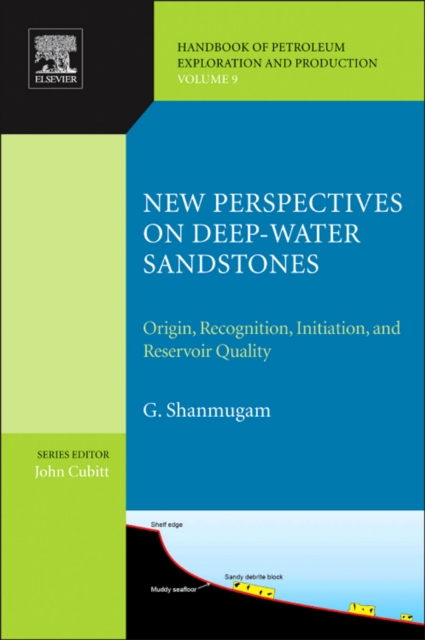
This handbook is vital for understanding the origin of deep-water sandstones, emphasizing sandy-mass transport deposits (SMTDs) and bottom-current reworked sands (BCRSs) in petroleum reservoirs.
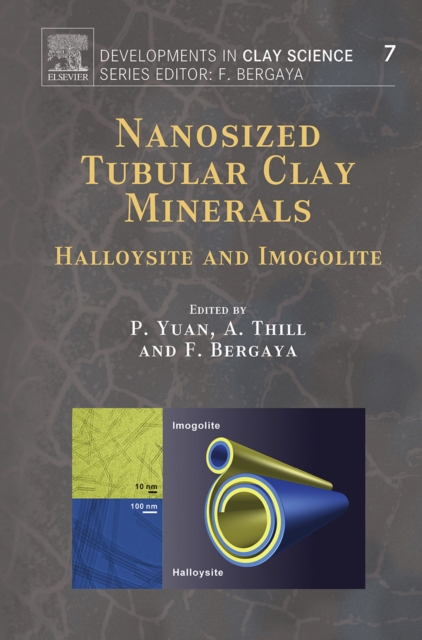
Nanosized Tubular Clay Minerals provides the latest coverage from leading scientists on a wide field of expertise regarding the current state of knowledge about nanosized tubular clay minerals.
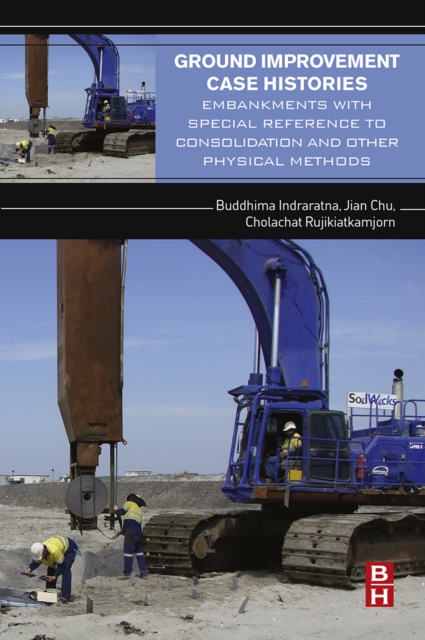
Written by a group of international contributors, Ground Improvement Case Histories: Embankments with Special Reference to Soil Consolidation and Other Physical Methods, employs the use of case-histories to illustrate and apply equations, numerical methods and technology to undertake even the most complicated ground improvement projects.
The first edition of the Handbook of Clay Science published in 2006 assembled the scattered literature on the varied and diverse aspects that make up the discipline of clay science.
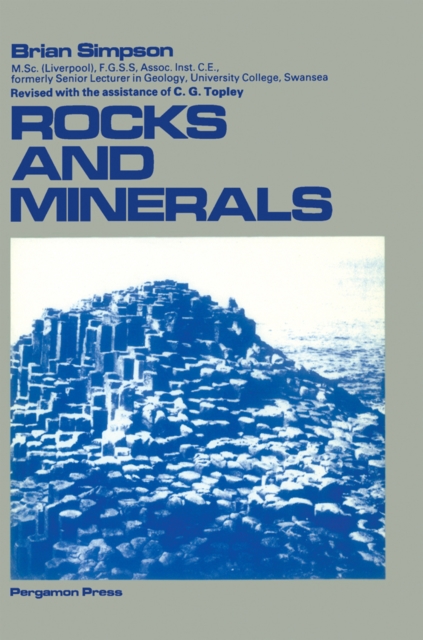
A practical guide to the methods in general use for the complete analysis of silicate rock material and for the determination of all those elements present in major, minor or trace amounts in silicate and other rocks that are routinely, commonly or occasionally determined by methods that are considered to be essentially chemical in character.
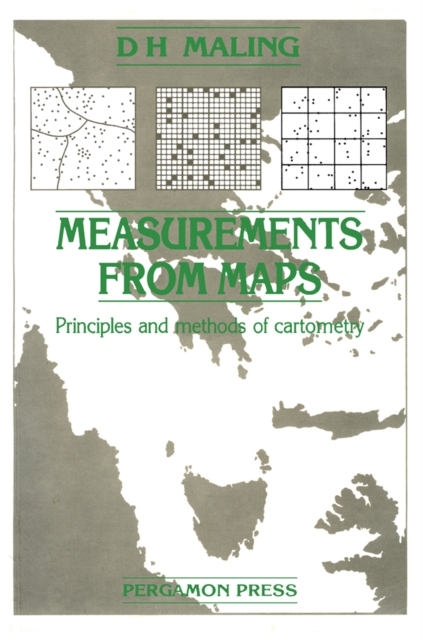
A classic text and reference work for students, academics and professionals approaching cartometry from a wide range of backgrounds - geography, cartography, forestry and stereology.
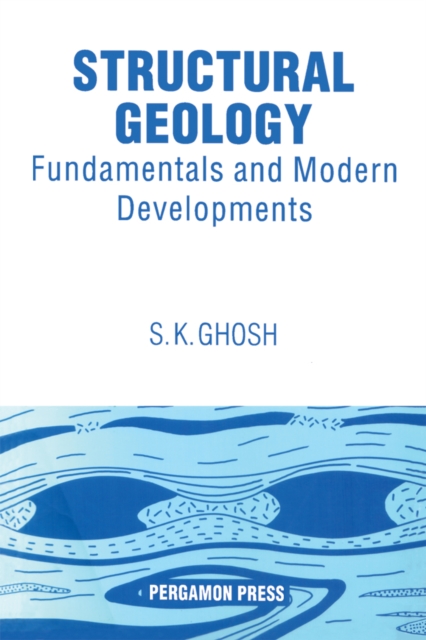
Presents a comprehensive and up-to-date account of the fundamental aspects of structural geology, emphasising both classical concepts and modern developments.
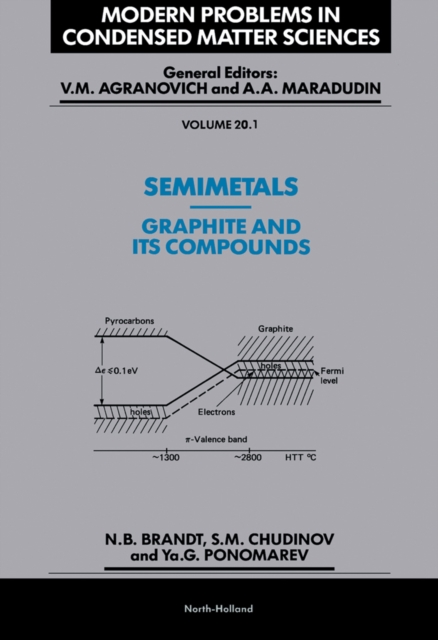
``Semimetals' presents, for the first time in the literature, a consistent and unifying treatment of semimetals (As, Bi, Sb, Bi-Sb alloys, graphite and its compounds).
For advanced undergraduate and beginning graduate students in atmospheric, oceanic, and climate science, Atmosphere, Ocean and Climate Dynamics is an introductory textbook on the circulations of the atmosphere and ocean and their interaction, with an emphasis on global scales.
After the discovery that elements were commonly composed of isotopes, there developed a range of studies of the variability of isotopic compositions in Earth materials, which was able to add to our understanding of Earth processes and history.
Geochemistry of Earth Surface Systems offers an interdisciplinary reference for scientists, researchers and upper undergraduate and graduate level geochemistry students a sampling of articles on earth surface processes from The Treatise on Geochemistry that is more affordable than the full Treatise.
Reorganized for easy use, Reservoir Engineering Handbook, Fourth Edition provides an up-to-date reference to the tools, techniques, and science for predicting oil reservoir performance even in the most difficult fields.
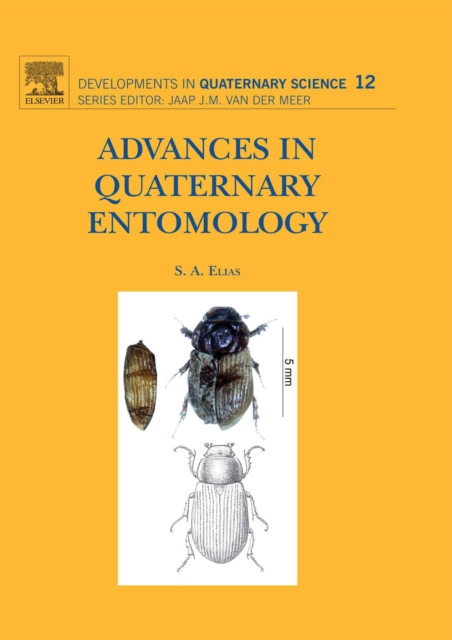
Advances in Quaternary Entomology addresses the science of fossil insects by demonstrating their immense contribution to our knowledge of the paleoenvironmental and climatological record of the past 2.