The Broads discusses the history of the Broads, the waters in the past and the waters now, the people who come into contact with and influence these waterways, and what the future holds for this small but important area of the countryside.
The flood that greeted the new year in 1988 brought home the uncomfortable realization that many suburban areas of eastern Oahu are at risk from sudden and, in some cases, unpredictable flooding.
The site of a proposed repository for high-level radioactive waste from the nation's nuclear power plants is not at risk of ground water infiltration, concludes this important book.
Hydrologic science, an important, interdisciplinary science dealing with the occurrence, distribution, and properties of water on Earth, is key to understanding and resolving many contemporary, large-scale environmental issues.
Hydrologic science, an important, interdisciplinary science dealing with the occurrence, distribution, and properties of water on Earth, is key to understanding and resolving many contemporary, large-scale environmental issues.
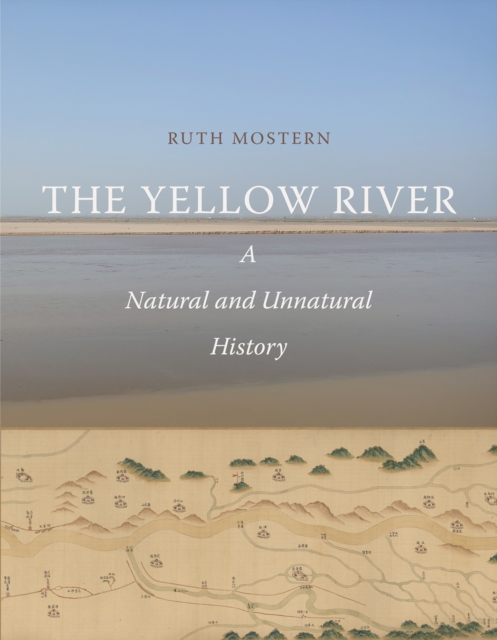
A three-thousand-year history of the Yellow River and the legacy of interactions between humans and the natural landscape From Neolithic times to the present day, the Yellow River and its watershed have both shaped and been shaped by human society.
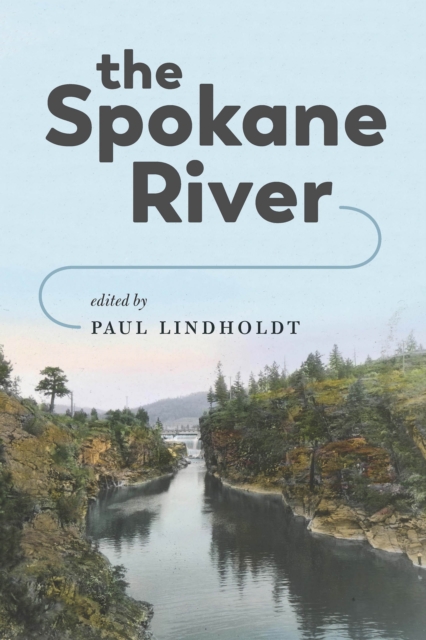
From Lake Coeur dAlene to its confluence with the Columbia, the Spokane River travels 111 miles of varied and often spectacular terrainrural, urban, in places wild.
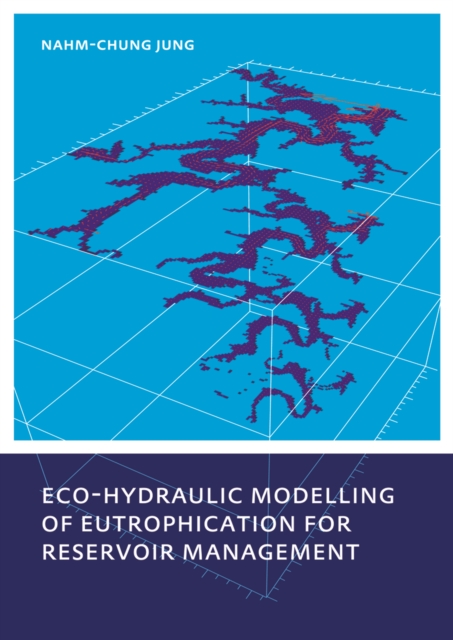
This study presents an systematic approach to water quality assessment, hybrid modelling and decision support for eutrophication management in deep reservoirs.
The Lake and Pond Management Guidebook is the successor to the bestselling Lake Smarts: The First Lake Maintenance Handbook, the "e;bible"e; for small-scale lake and pond improvements, published by the Terrene Institute in 1993.
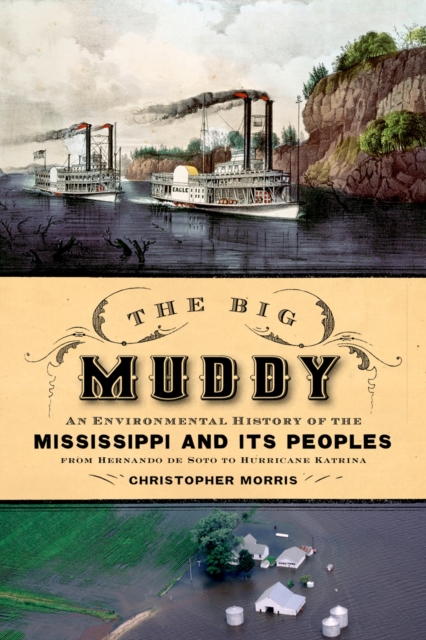
In The Big Muddy, the first long-term environmental history of the Mississippi, Christopher Morris offers a brilliant tour across five centuries as he illuminates the interaction between people and the landscape, from early hunter-gatherer bands to present-day industrial and post-industrial society.
Dirty, Sacred Rivers explores South Asia's increasingly urgent water crisis, taking readers on a journey through North India, Nepal and Bangladesh, from the Himalaya to the Bay of Bengal.
Dirty, Sacred Rivers explores South Asia's increasingly urgent water crisis, taking readers on a journey through North India, Nepal and Bangladesh, from the Himalaya to the Bay of Bengal.
In The Big Muddy, the first long-term environmental history of the Mississippi, Christopher Morris offers a brilliant tour across five centuries as he illuminates the interaction between people and the landscape, from early hunter-gatherer bands to present-day industrial and post-industrial society.
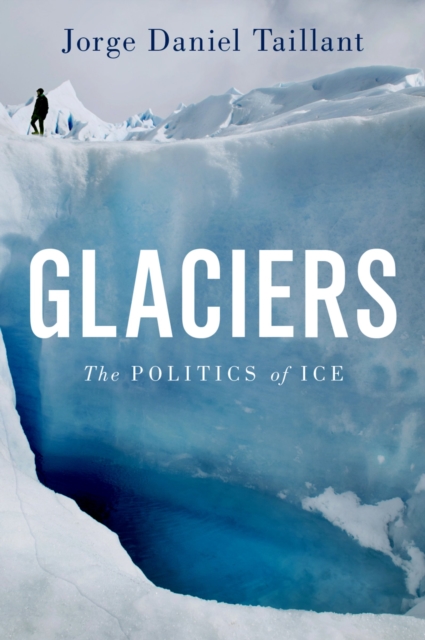
Though not traditionally thought of as strategic natural resources, glaciers are a crucial part of our global ecosystem playing a fundamental role in the sustaining of life around the world.
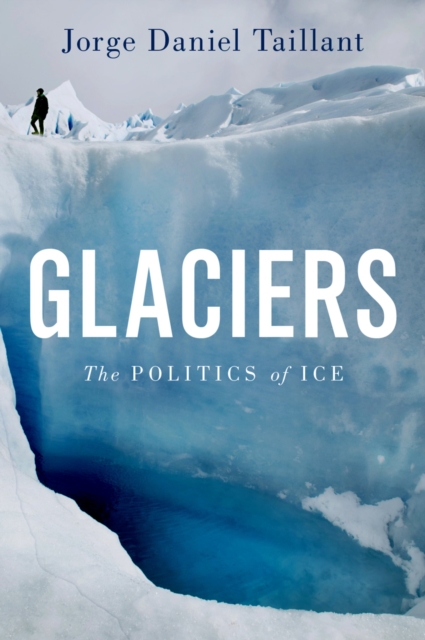
Though not traditionally thought of as strategic natural resources, glaciers are a crucial part of our global ecosystem playing a fundamental role in the sustaining of life around the world.
This text, written by a leading researcher in the field, describes the origin and formation of lakes in order to give context to the question of how lacustrine deposits form.
The Antarctic continent carries the greatest diversity of lake environments on the planet: freshwater and saline lakes, tidal freshwater epishelf lakes, lakes on ice shelves and glacier surfaces, and over three hundred subglacial lakes; extraordinary ecosystems that have been separated from the atmosphere for up to millions of years.
The Antarctic continent carries the greatest diversity of lake environments on the planet: freshwater and saline lakes, tidal freshwater epishelf lakes, lakes on ice shelves and glacier surfaces, and over three hundred subglacial lakes; extraordinary ecosystems that have been separated from the atmosphere for up to millions of years.
Global wetlands exhibit significant differences in both hydrology and species composition and range from moss-dominated arctic peatlands to seasonally-flooded tropical floodplains.
Global wetlands exhibit significant differences in both hydrology and species composition and range from moss-dominated arctic peatlands to seasonally-flooded tropical floodplains.
Temporary waters are found throughout the world, and include intermittent streams and ponds, episodic rain puddles, seasonal limestone lakes, the water-retaining structures of plants, such as bromeliads and pitcher plants, and a variety of man-made container habitats.
The Law of International Watercourses is an authoritative guide to the rules of international law governing the navigational and non-navigational uses of international rivers, lakes, and groundwater.
The Law of International Watercourses is an authoritative guide to the rules of international law governing the navigational and non-navigational uses of international rivers, lakes, and groundwater.
Ecology and Management of Inland Waters: A Californian Perspective with Global Applications presents the geologic history and physical characteristics of aquatic ecology.
The vital interconnections that rivers share with the land, the sky, and usRivers are essential to civilization and even life itself, yet how many of us truly understand how they work?
Spatio-temporal Analysis of Extreme Hydrological Events offers an extensive view of the experiences and applications of the latest developments and methodologies for analyzing and understanding extreme environmental and hydrological events.
Water at the Surface of the Earth: An Introduction to Ecosystem Hydrodynamics provides an introduction to the ways in which biological, physical, cultural, and urban systems at the surface of the earth operate, with a particular focus on the hydrodynamics of ecosystems, i.
Based on the bestselling book, Rivers of North America, this new guide stands as the only primary source of complete and comparative baseline data on the biological and hydrological characteristics of more than 180 of the highest profile rivers in Europe.
Reliable estimates of streamflow characteristics are needed for planning, design, and operation of works for providing water supplies and for protection from flooding.
This concise, readable introduction to limnology (the science of investigating the structure and function of inland waters), places the subject in the context of modern ecology.
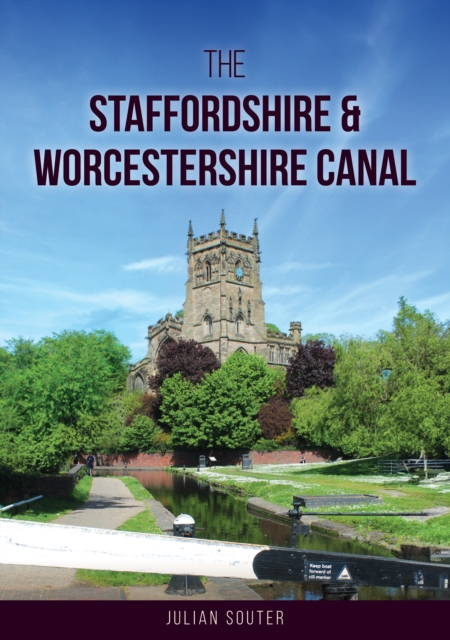
The Staffordshire & Worcestershire Canal was completed in 1772 and links the Trent & Mersey Canal at Great Haywood in Staffordshire with the River Severn at Stourport in Worcestershire.