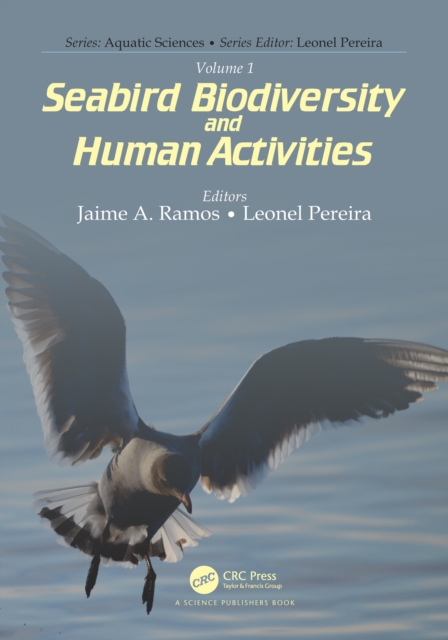
The book presents the first comprehensive description of parts of the Mid-Atlantic ridge subject to a contract for polymetallic sulphide exploration between the International Seabed Authority and the Ministry of Environment of the Republic of Poland.
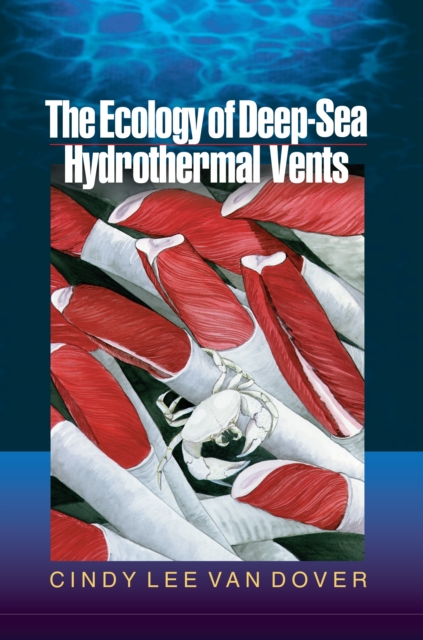
Teeming with weird and wonderful life--giant clams and mussels, tubeworms, "e;eyeless"e; shrimp, and bacteria that survive on sulfur--deep-sea hot-water springs are found along rifts where sea-floor spreading occurs.
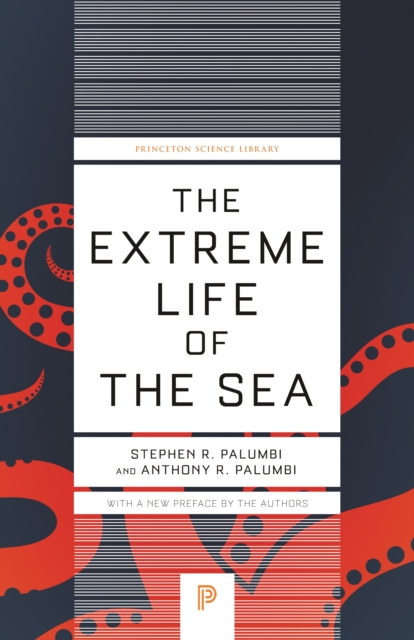
A thrilling tour of the sea's most extreme species, coauthored by one of the world's leading marine scientistsThe ocean teems with life that thrives under difficult situations in unusual environments.
In the last two decades since publication of the first edition, substantial advancements have been made in the science, the need for transdisciplinary approaches to coral reef protection greater than ever before.
Winner of the Sustainability Science Award 2020, Ecological Society of America Winner of the PROSE Award (Biological Sciences category) 2020, Association of American PublishersThere is a growing crisis in our oceans: mysterious outbreaks of infectious disease are on the rise.
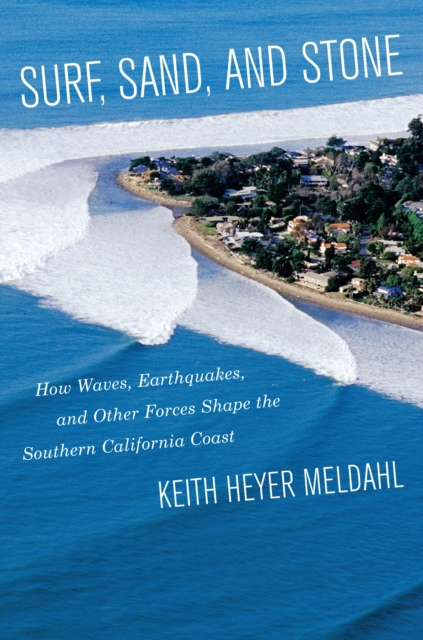
From the majestic redwoods and rocky shores in the north to the palm trees and wide, sandy beaches in the south, the California coast is an area of unsurpassed beauty and diversity.
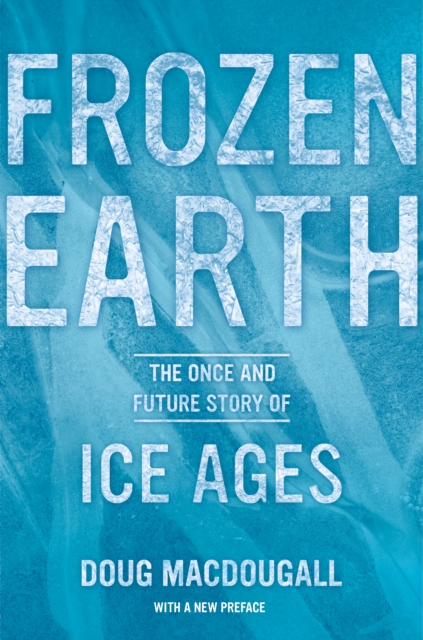
In this engrossing and accessible book, Doug Macdougall explores the causes and effects of ice ages that have gripped our planet throughout its history, from the earliest known glaciation-nearly three billion years ago-to the present.
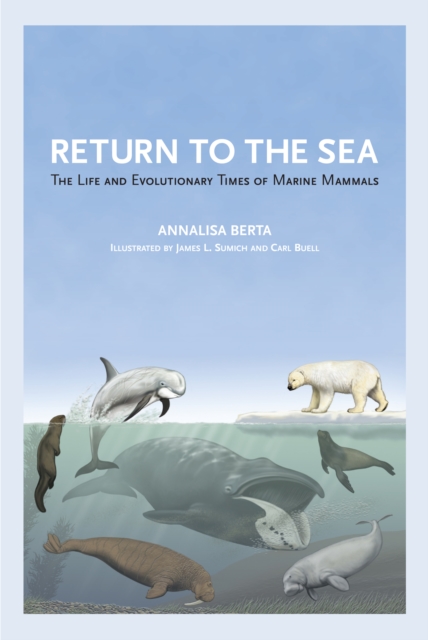
Return to the Sea portrays the life and evolutionary times of marine mammalsfrom giant whales and sea cows that originated 55 million years ago to the deep-diving elephant seals and clam-eating walruses of modern times.
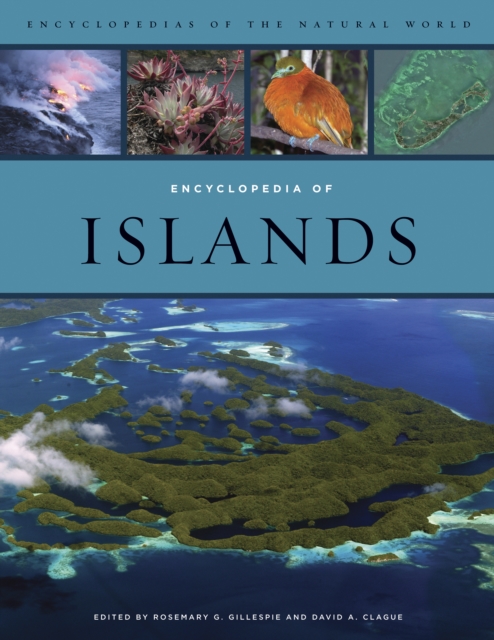
Islands have captured the imagination of scientists and the public for centuries-unique and rare environments, their isolation makes them natural laboratories for ecology and evolution.
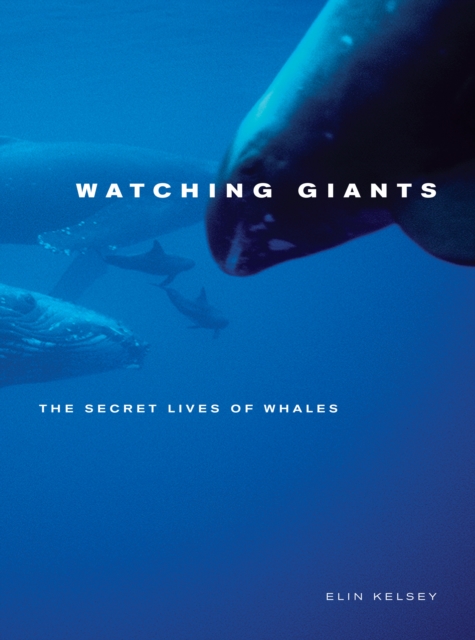
Personal, anecdotal, and highly engaging, Watching Giants opens a window on a world that seems quite like our own, yet is so different that understanding it pushes the very limits of our senses.
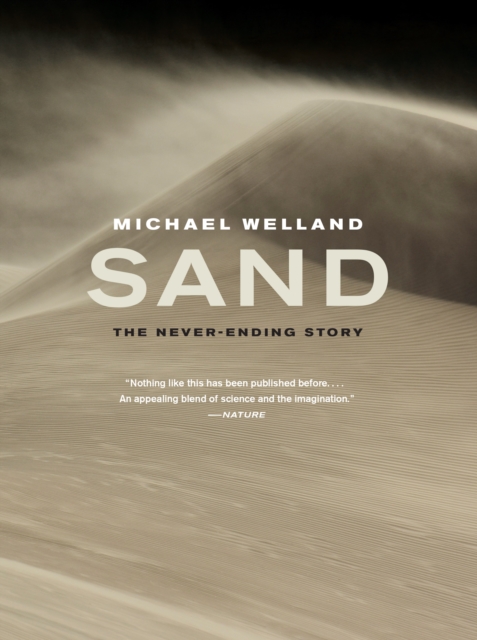
From individual grains to desert dunes, from the bottom of the sea to the landscapes of Mars, and from billions of years in the past to the future, this is the extraordinary story of one of nature's humblest, most powerful, and most ubiquitous materials.
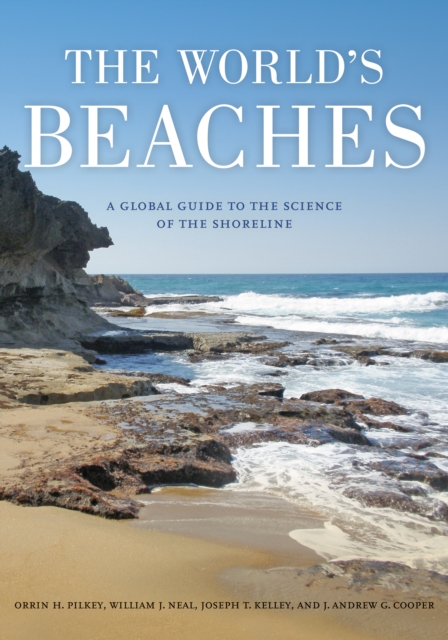
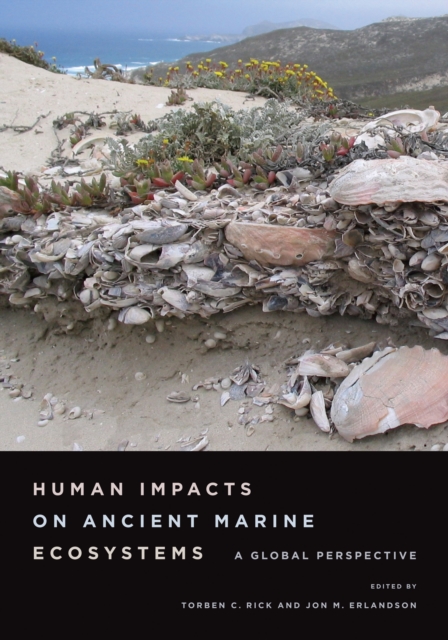
Archaeological data now show that relatively intense human adaptations to coastal environments developed much earlier than once believed-more than 125,000 years ago.
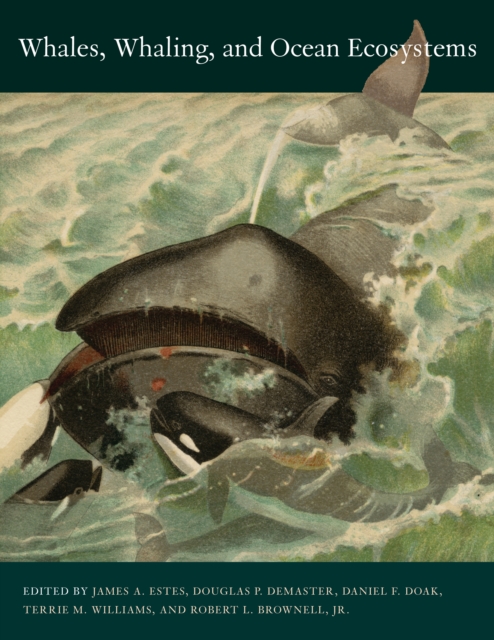
This unprecedented volume presents a sweeping picture of what we know about the natural history, biology, and ecology of whales in the broad context of the dynamics of ocean ecosystems.
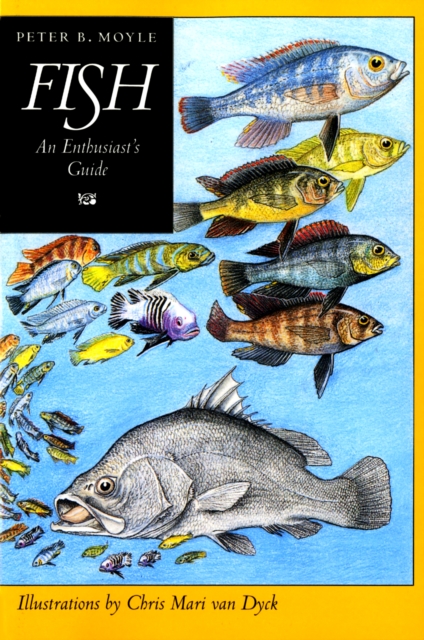
Engagingly written, with both learning and humor, Fish bridges the gap between purely pictorial books and scholarly texts, and provides a succinct summary of fish biology and conservation for students and fish enthusiasts.
Each year, the concentration of dissolved inorganic carbon (DIC) in the mixed layer at Station S in the Sargasso Sea decreases from winter to summer by about 30 umol/kg.
A thrilling tour of the sea's most extreme species, coauthored by one of the world's leading marine scientistsThe ocean teems with life that thrives under difficult situations in unusual environments.
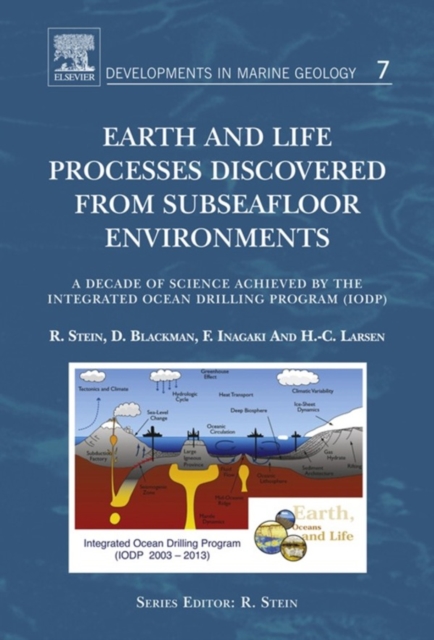
The Integrated Ocean Drilling Program (IODP: 2000-2013) has provided crucial records of past and present processes and interactions within and between the biosphere, cryosphere, atmosphere, hydrosphere and geosphere.
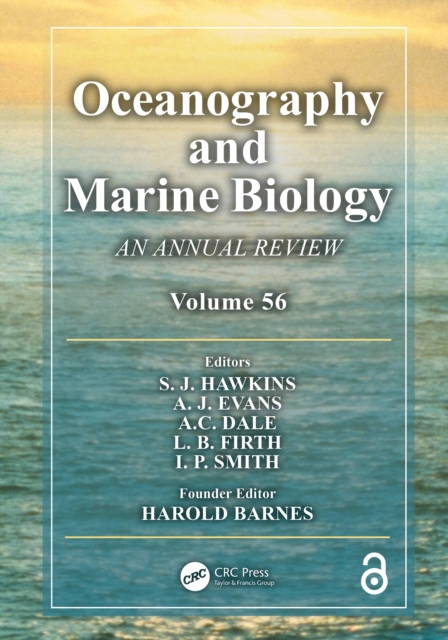
Chapters 3 and 5 of this book are freely available as a downloadable Open Access PDF under a Creative Commons Attribution-Non Commercial-No Derivatives 4.
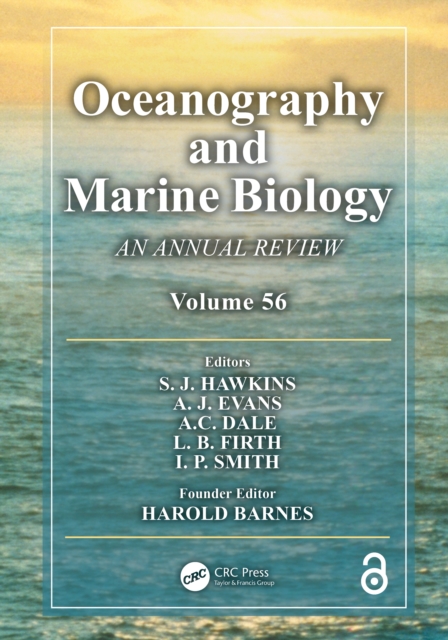
Chapters 3 and 5 of this book are freely available as a downloadable Open Access PDF under a Creative Commons Attribution-Non Commercial-No Derivatives 4.
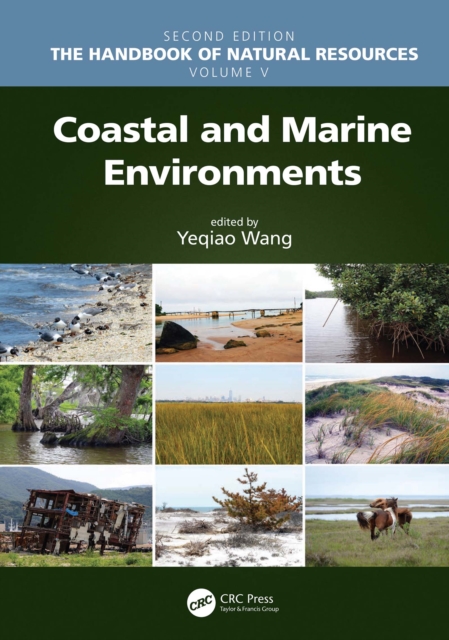
Authored by world-class scientists and scholars, The Handbook of Natural Resources, Second Edition, is an excellent reference for understanding the consequences of changing natural resources to the degradation of ecological integrity and the sustainability of life.
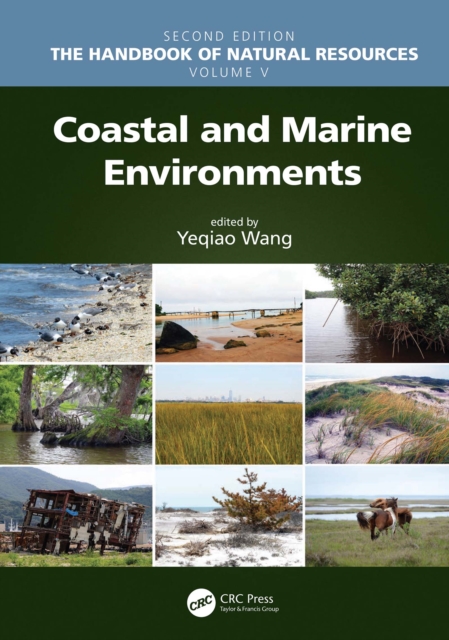
Authored by world-class scientists and scholars, The Handbook of Natural Resources, Second Edition, is an excellent reference for understanding the consequences of changing natural resources to the degradation of ecological integrity and the sustainability of life.
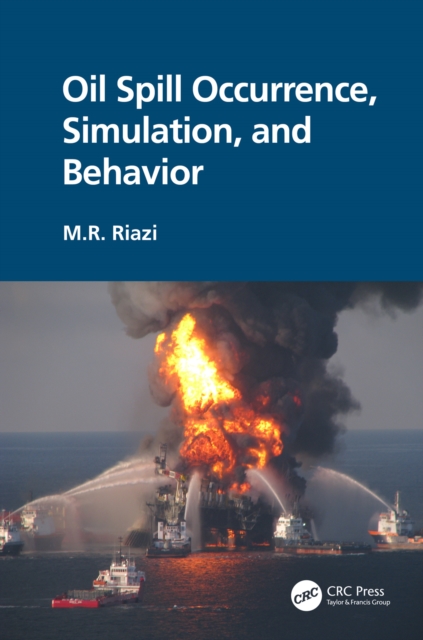
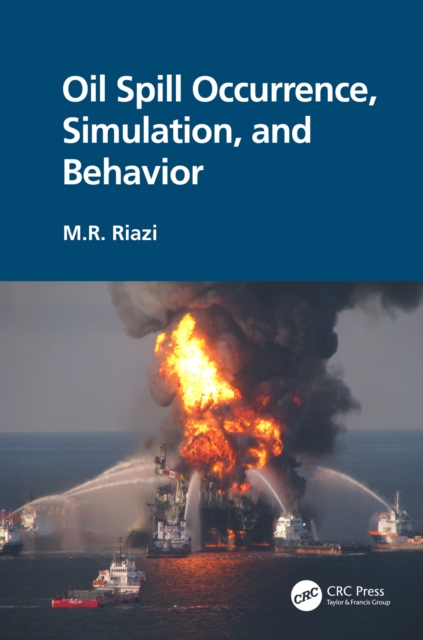
Oil Spill Occurrence, Simulation, and Behavior provides practical insight into oil spills and their causes, impacts, response and cleanup methods, simple and advanced modeling of oil spill behavior, and oil spill simulation techniques.
Oil Spill Occurrence, Simulation, and Behavior provides practical insight into oil spills and their causes, impacts, response and cleanup methods, simple and advanced modeling of oil spill behavior, and oil spill simulation techniques.