Field Methods in Marine Science: From Measurements to Models is an authoritative guide of the methods most appropriate for field research within the marine sciences, from experimental design to data analysis.
Field Methods in Marine Science: From Measurements to Models is an authoritative guide of the methods most appropriate for field research within the marine sciences, from experimental design to data analysis.
At a time when the polar regions are undergoing rapid and unprecedented change, understanding exchanges of momentum, heat and salt at the ice-ocean interface is critical for realistically predicting the future state of sea ice.
This book provides a detailed description of light absorption and absorbents in seawaters with respect to provenance, region of the sea, depth of the occurrence and trophicity.
This book presents a global hydrographic description of the thermohaline circulation, an introduction to the theoretical aspects of this phenomenon, and observational evidence for the theory.
The efficacy of sound to penetrate the seas made acoustic systems in the past century the leading tools for sensing objects in and measuring properties of the seas.
Developed in partnership with the National Geographic Society, OCEANOGRAPHY: AN INVITATION TO MARINE SCIENCE, 10th edition gives you a basic understanding of the complexities and uncertainties involved in ocean use as well as its role in sustaining life on Earth.
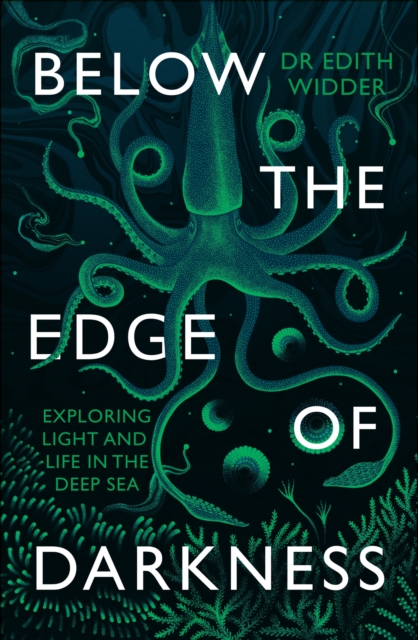
A pioneering marine biologist takes us down into the deep ocean in this 'thrilling blend of hard science and high adventure' (New York Times)LONGLISTED FOR THE SNHN NATURAL HISTORY BOOK PRIZEEdith Widder grew up determined to become a marine biologist.
Marine Physics guides different disciplines regarding the study of the sea and provides basic understanding of the fundamental theories and premises of the other disciplines.
From riverine operations in the American Civil War and China in the 1860s to the major fleet engagements of the World Wars, plus more recent naval actions in the Falklands/Malvenas War and Gulf War, Lindberg and Todd methodically show how geography has shaped the strategy, tactics, and tools of naval warfare.
The fourth volume in the Harte Research Institute's landmark scientific series on the Gulf of Mexico provides a comprehensive study of ecosystem-based management, analyzing key coastal ecosystems in eleven Gulf Coast states from Florida to Quintana Roo and presenting case studies in which this integrated approach was tested in both the US and in Mexico.
Measuring Ocean Currents: Tools, Technologies, and Data covers all major aspects of ocean current measurements in view of the implications of ocean currents on changing climate, increasing pollution levels, and offshore engineering activities.
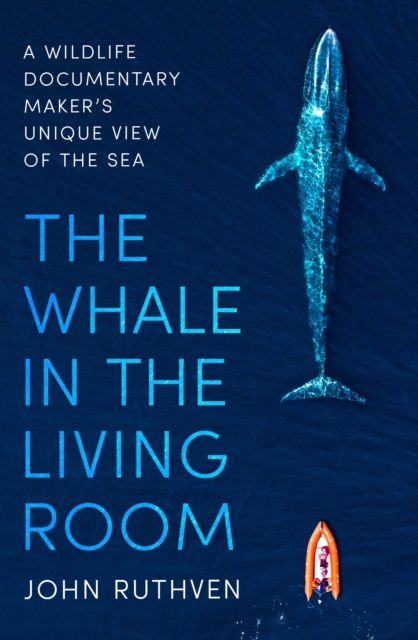
The Whale in the Living Room follows the thrilling adventures of film-maker, John Ruthven, as he travels the globe, dives into our oceans and passionately recounts his life-affirming experiences.
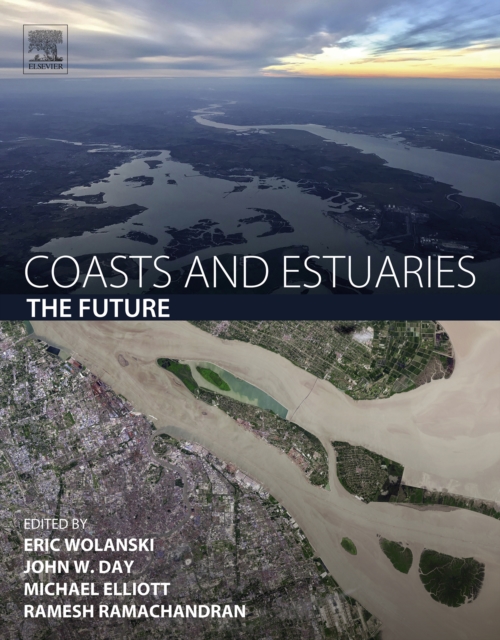
Coasts and Estuaries: The Future provides valuable information on how we can protect and maintain natural ecological structures while also allowing estuaries to deliver services that produce societal goods and benefits.
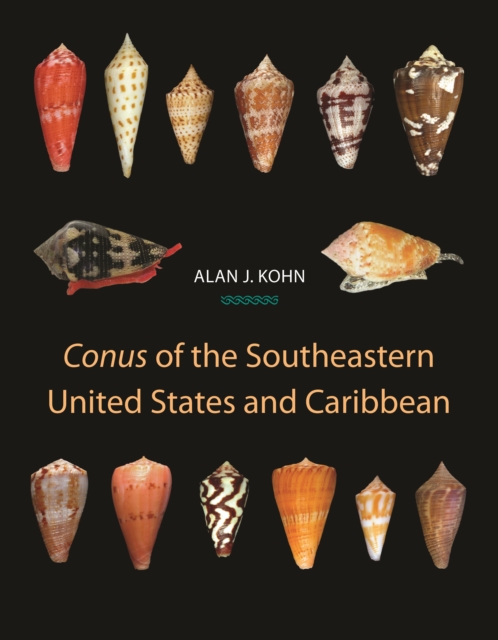
Conus is the largest genus of animals in the sea, occurring throughout the world's tropical and subtropical oceans and contributing significantly to marine biodiversity.
A thrilling tour of the sea's most extreme species, written by one of the world's leading marine scientistsThe ocean teems with life that thrives under difficult situations in unusual environments.
The new revised edition of a classic Earth science textThis newly revised edition of Global Environment discusses the major elements of the geochemical cycles and global fluxes found in the atmosphere, land, lakes, rivers, biota, and oceans, as well as the human effects on these fluxes.
Exploring the link between the ocean's currents and rapid climate changeWally Broecker is one of the world's leading authorities on abrupt global climate change.
Investigating Seafloors and Oceans: From Mud Volcanoes to Giant Squid offers a bottom-to-top tour of the world's oceans, exposing the secrets hidden therein from a variety of scientific perspectives.
This book presents short papers of participants of the 9th International Scientific Conference-School for Young Scientists Physical and Mathematical Modeling of Earth and Environment Processes.