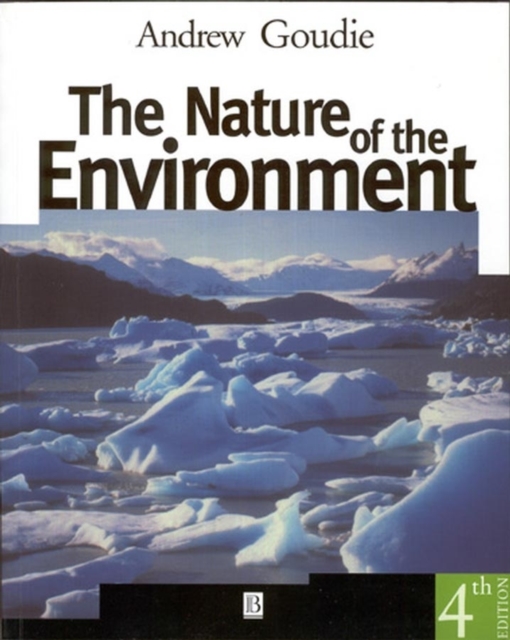
The fourth edition of this highly acclaimed text on the natural environment of the earth has now been thoroughly revised and updated and includes a new chapter on The Organic World, more "e;windows"e;, new illustrations, and a range of other features.
Rivers and Floodplains is concerned with the origin, geometry, water flow, sediment transport, erosion and deposition associated with modern alluvial rivers and floodplains, how they vary in time and space, and how this information is used to interpret deposits of ancient rivers and floodplains.
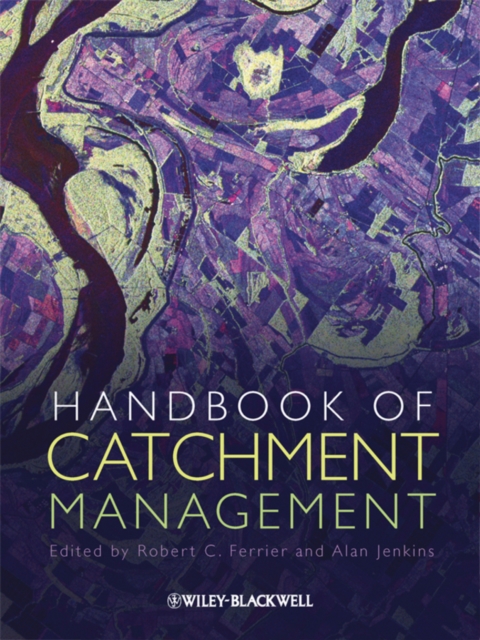
This book addresses the fundamental requirement for an interdisciplinary catchment based approach to managing and protecting water resources that crucially includes an understanding of land use and its management.
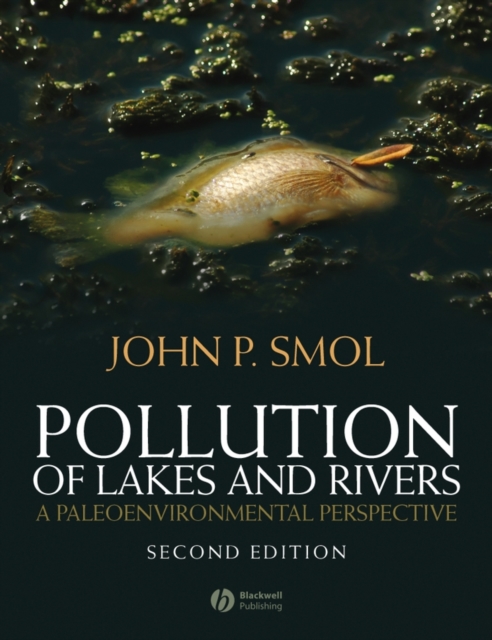
Now in its second edition, Pollution of Lakes and Rivers provides essential insights into present-day water quality problems from an international perspective.
This IAS Special Publication #27 contains 17 of the papers presented at the IAS International Workshop on Reefs and Carbonate platforms in the Pacific and Indian oceans held in Sydney (July 1995).
A symposium of the Royal Society of Canada was held in June 1962 to outline what is being done in Canadian oceanography to map salinity, temperature, and plankton in the waters around Canada and in the North Atlantic across to Europe.
Wetlands are a vital part of the landscape and ecology of the United States, providing food and shelter for species ranging from the beautiful wood duck to the tiny fairy shrimp.
This groundbreaking book goes beyond conventional approaches and explores how AI is revolutionizing the field of wastewater treatment, offering innovative solutions to pressing challenges.
Shallow water acoustics (SWA), the study of how low and medium frequency sound propagates and scatters on the continental shelves of the worlds oceans, has both technical interest and a large number of practical applications.
Understanding the origin of fecal pollution is essential in assessing potential health risks as well as for determining the actions necessary to remediate the quality of waters contaminated by fecal matter.
Senior level/graduate level text/reference presenting state-of-the- art numerical techniques to solve the wave equation in heterogeneous fluid-solid media.
This volume provides comprehensive up-to-date descriptions of the principles and practices of in situ chemical oxidation (ISCO) for groundwater remediation based on a decade of intensive research, development, and demonstrations, and lessons learned from commercial field applications.
The comprehensive and compact presentation in this book is the perfect format for a resource/textbook for undergraduate students in the areas of Agricultural Engineering, Biological Systems Engineering, Bio-Science Engineering, Water Resource Engineering, and Civil & Environmental Engineering.
One of the greatest scientific and technological achievements of the 21st century will be to cast a light on the eternal darkness of the deep ocean and this book identifies the key determinants of life or death in its extreme environment.
This book critically examines the available literature on oceanic acidification, including a historical review of pH and atmospheric CO2 levels over the millennia; natural and anthropogenic sources of CO2 to the atmosphere and sea surface; chemical, physical, and biological mode of action; biological effects of acidification to marine plants and an
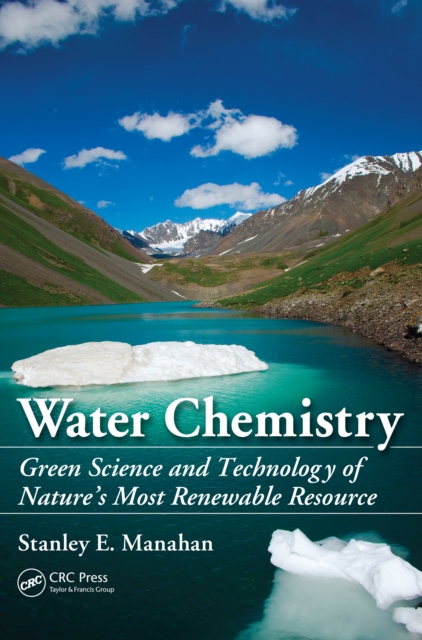
Carefully crafted to provide a comprehensive overview of the chemistry of water in the environment, Water Chemistry: Green Science and Technology of Nature's Most Renewable Resource examines water issues within the broad framework of sustainability, an issue of increasing importance as the demands of Earth's human population threaten to overwhelm t
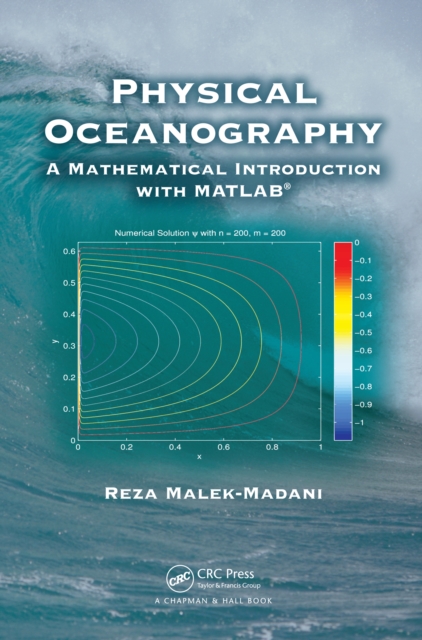
Accessible to advanced undergraduate students, Physical Oceanography: A Mathematical Introduction with MATLAB demonstrates how to use the basic tenets of multivariate calculus to derive the governing equations of fluid dynamics in a rotating frame.
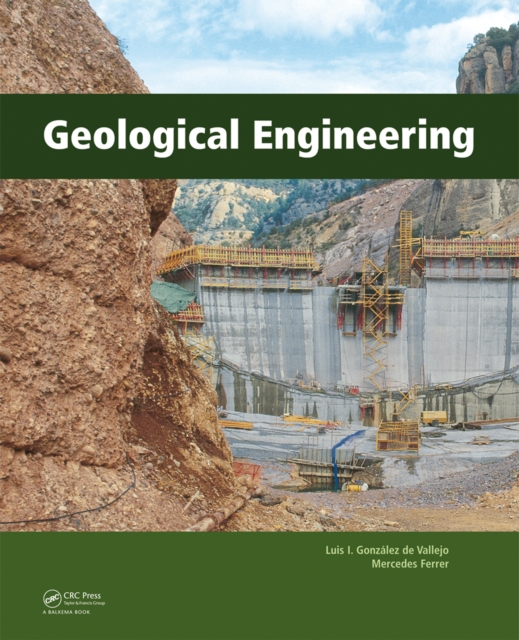
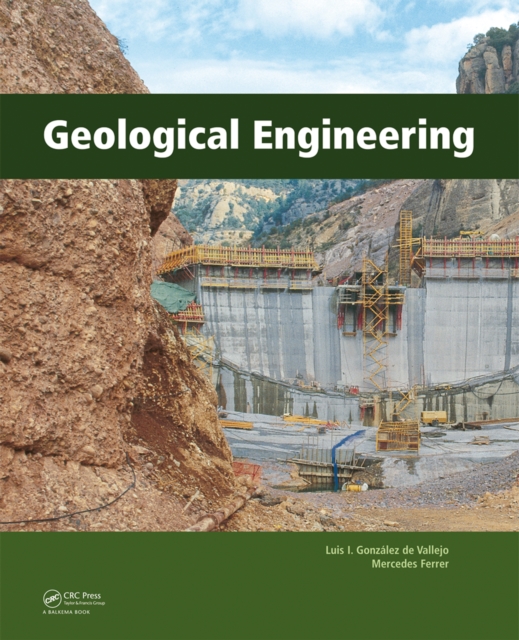
A thorough knowledge of geology is essential in the design and construction of infrastructures for transport, buildings and mining operations; while an understanding of geology is also crucial for those working in urban, territorial and environmental planning and in the prevention and mitigation of geohazards.
As cities undergo vast changes due to industrialization, urbanization, and globalization, environmental considerations assume a growing importance in the urban planning processes of an increasing number of governments around the world.
Introduction to Process Geomorphology provides an integrative approach to the process dynamics and the origin of landforms by the contemporary processes involved in their evolution.
Once a prosperous region, the Ganga-Brahmaputra-Meghna (GBM) river basin-inhabited by about a tenth of the world's population-is currently one of the poorest.
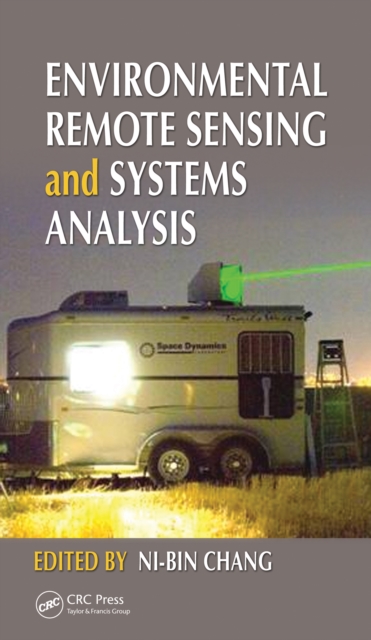
Using a systems analysis approach and extensive case studies, Environmental Remote Sensing and Systems Analysis shows how remote sensing can be used to support environmental decision making.
A thorough knowledge of geology is essential in the design and construction of infrastructures for transport, buildings and mining operations; while an understanding of geology is also crucial for those working in urban, territorial and environmental planning and in the prevention and mitigation of geohazards.
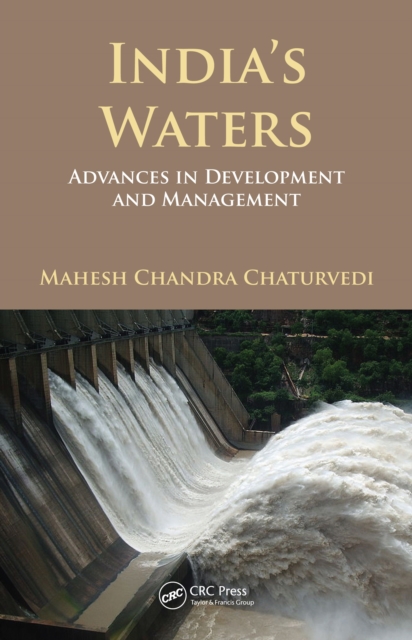
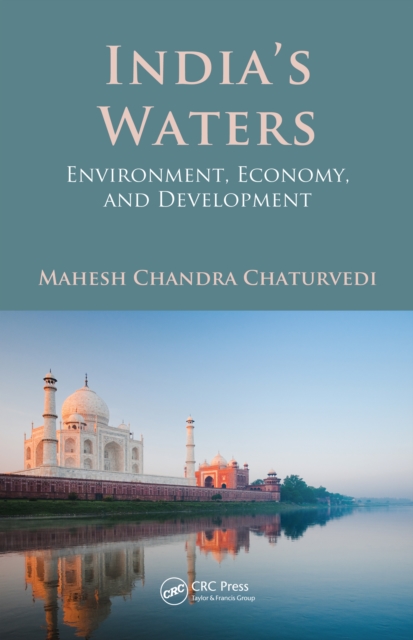
Regulation of India's rivers and other water systems has been evolving for thousands of years in the face of varying socioeconomic and technological conditions.
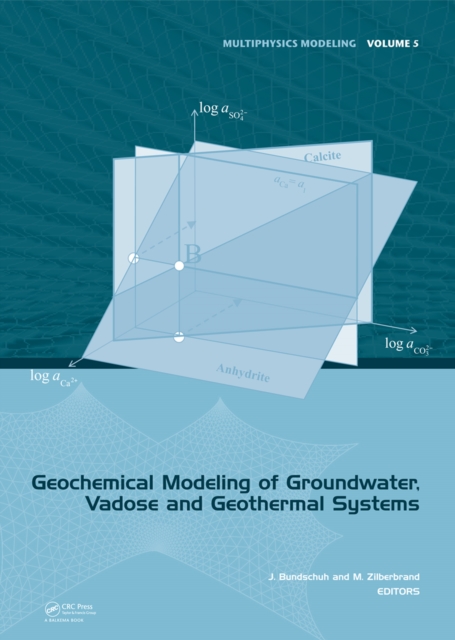
Geochemical modeling is an important tool in environmental studies, and in the areas of subsurface and surface hydrology, pedology, water resources management, mining geology, geothermal resources, hydrocarbon geology, and related areas dealing with the exploration and extraction of natural resources.
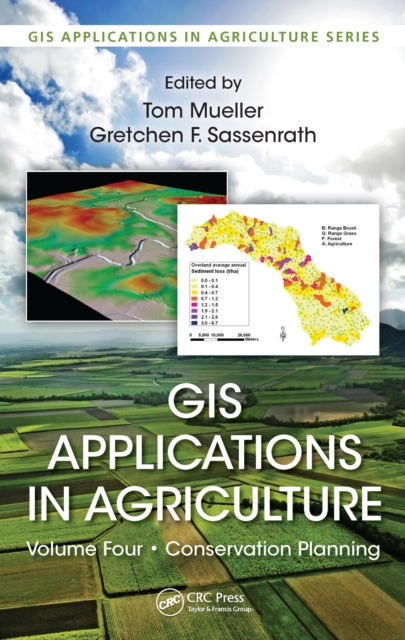
Conservation planning involves targeted management practices and land use decision-making based on careful analysis of landscape limitations in order to protect soil and water resources.