This timely book is a "e;must-have"e; for anyone involved with wetland conservation, in particular bottomland hardwood forests, a habitat in which over 50% of our nation's inventory has been destroyed.
These three works cover the entire field of formation evaluation, from basic concepts and theories, through standard methods used by the petroleum industry, on to new and exciting applications in environmental science and engineering, hydrogeology, and other fields.
The protection of water resources from deterioration in quality by pollution discharges is probably the biggest challenge in sustainable water resources management in the recent decades.
The protection of water resources from deterioration in quality by pollution discharges is probably the biggest challenge in sustainable water resources management in the recent decades.
Originally published in 1998, Southern Forested Wetlands is an up to date, one source compendium of current knowledge on the wetland ecology of America's southern forests.
Originally published in 1998, Southern Forested Wetlands is an up to date, one source compendium of current knowledge on the wetland ecology of America's southern forests.
Originally published in 1987, this book brings together information previously buried in specialist sources and makes it available to the student in a non-technical and well-illustrated synthesis.
Originally published in 1987, this book brings together information previously buried in specialist sources and makes it available to the student in a non-technical and well-illustrated synthesis.
Diffuse pollution of water resources has a multi-disciplinary dimension and the measures to prevent and control it are closely inter-related to the development patterns and societal habits of the region.
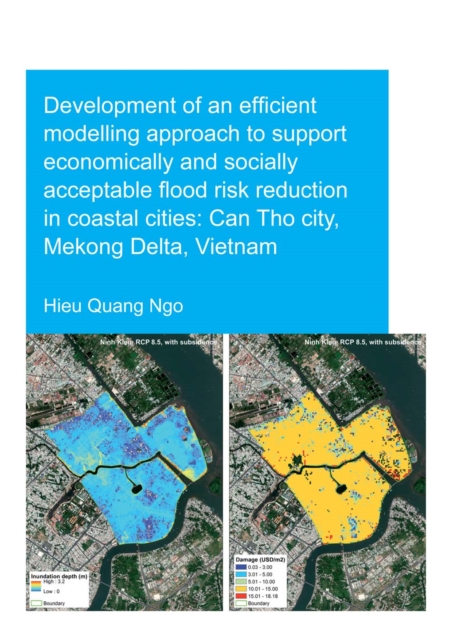
This book tackles the question of how we can manage flood-related disaster risks, such as from typhoons, monsoons, and torrential rain, which have been intensified by climate change and have generated unprecedented floods, landslides and debris flows worldwide.
This book tackles the question of how we can manage flood-related disaster risks, such as from typhoons, monsoons, and torrential rain, which have been intensified by climate change and have generated unprecedented floods, landslides and debris flows worldwide.
This book discusses the development of the decision support system for groundwater pollution assessment, one of the first integrated information systems in the field of hydrogeology, reflecting the purpose of knowledge encapsulation in the field of groundwater quality management.
This bibliography reflects the tremendous growth of interest in groundwater, which has occurred in recent years, dealing with a particular aspect of the field of hydrogeology.
Emergency Management Threats and Hazards: Water is a resource guidebook, which bridges the work of the emergency management practitioners and academic researchers, specifically for water-related incidents.
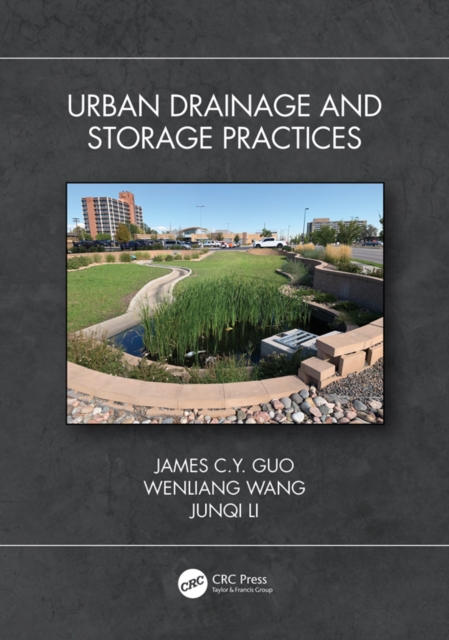
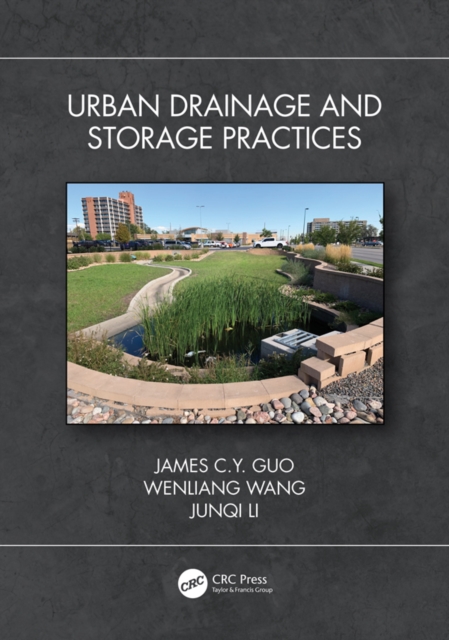
Urban Drainage and Storage Practices focuses on the latest developments in urban stormwater design methods using drainage and storage approaches for both water quality and quantity control.
Urban Drainage and Storage Practices focuses on the latest developments in urban stormwater design methods using drainage and storage approaches for both water quality and quantity control.
This book offers a comprehensive account of the current state of inland waters in tropical and subtropical East Asia, exploring a series of case studies of freshwater fish, reptiles, amphibians, birds, mammals and water bodies at particular risk.
This book offers a comprehensive account of the current state of inland waters in tropical and subtropical East Asia, exploring a series of case studies of freshwater fish, reptiles, amphibians, birds, mammals and water bodies at particular risk.
Volume 44, devoted solely to the vital research areas concerning the biogeochemistry of metals and their transport in the environment and availability to living systems, offers 9 timely and authoritative chapters on these fascinating topics by 19 internationally recognized experts.
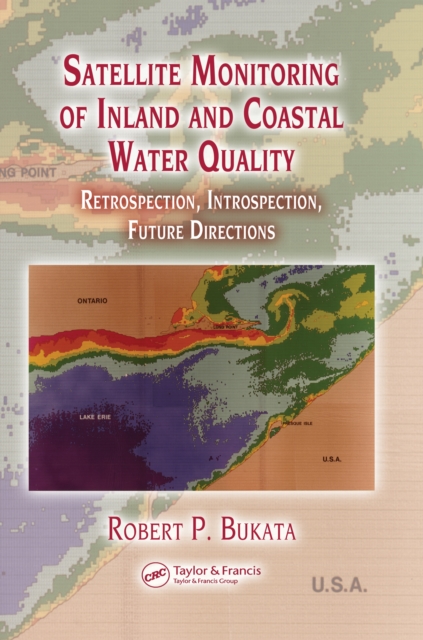
Satellite Monitoring of Inland and Coastal Water Quality: Retrospection, Introspection, Future Directions reviews how aquatic optics models can convert remote determinations of water color into accurate assessments of water quality.
Until now, there has not been any work that systematically presents the subject of acoustic fish reconnaissance, details all major aspects of applying acoustic equipment in commercial fish reconnaissance, and offers sufficient analysis of the effectiveness of fish-finding techniques.
Turbulence in Open Channel and River Flows covers turbulence and related fluid mechanics in open-channel flows, addressing both basic mechanisms and their applications.