Ecosystem Response Modelling in the Murray-Darling Basin provides an overview of the status of science in support of water management in Australia’s largest and most economically important river catchment, and brings together the leading ecologists working in the rivers and wetlands of the Basin.
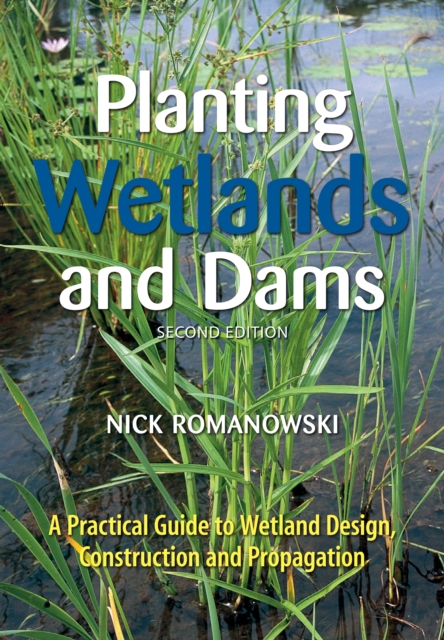
Wetland planting can bring back biodiversity, reduce the impact of drought and flood, improve water quality and conserve beauty in a mismanaged landscape.
Australia’s Water Resources seeks to explore the circumstances underpinning the profound reorientation of attitudes and relationships to water that has taken place in Australia in recent decades.
Since it first became known to European scientists and naturalists in 1798, the platypus has been the subject of controversy, interest and absolute wonder.
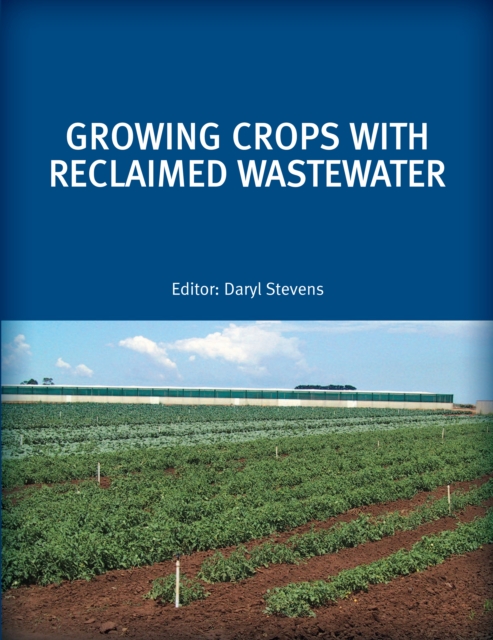
This comprehensive work examines the fundamentals required for reclaimed water schemes to deliver sustainable farming operations that achieve the yield and quality of produce necessary for acceptance in the market.
Australia's Water Resources seeks to explore the circumstances underpinning the profound reorientation of attitudes and relationships to water that has taken place in Australia in recent decades.
Wetland planting can bring back biodiversity, reduce the impact of drought and flood, improve water quality and conserve beauty in a mismanaged landscape.
Desert Channels is a book that combines art, science and history to explore the ‘impulse to conserve’ in the distinctive Desert Channels country of south-western Queensland.
This comprehensive work examines the fundamentals required for reclaimed water schemes to deliver sustainable farming operations that achieve the yield and quality of produce necessary for acceptance in the market.
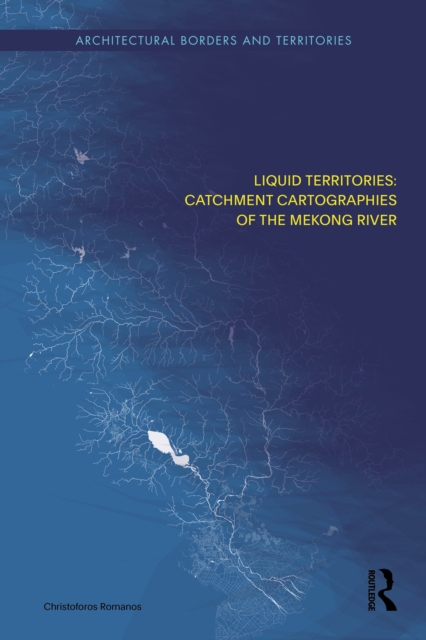
In addition to being a fundamental concept for planning the water infrastructure which supports extensive agricultural economies across Southeast Asia, knowledge of the Mekong River's hydrological catchments has calibrated the control of land, resources and people.
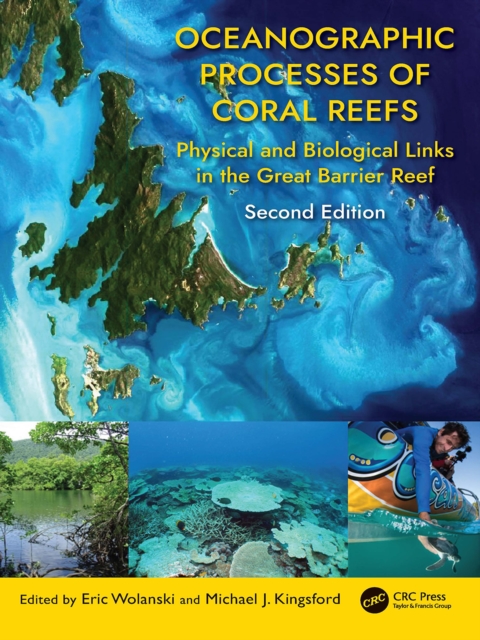
In the last two decades since publication of the first edition, substantial advancements have been made in the science, the need for transdisciplinary approaches to coral reef protection greater than ever before.
This book presents results of the combined use of microwave remote sensing, optical tools, and ecoinformatics methods under solution-applied tasks at both regional and global scales.
Winner of the Sustainability Science Award 2020, Ecological Society of America Winner of the PROSE Award (Biological Sciences category) 2020, Association of American PublishersThere is a growing crisis in our oceans: mysterious outbreaks of infectious disease are on the rise.
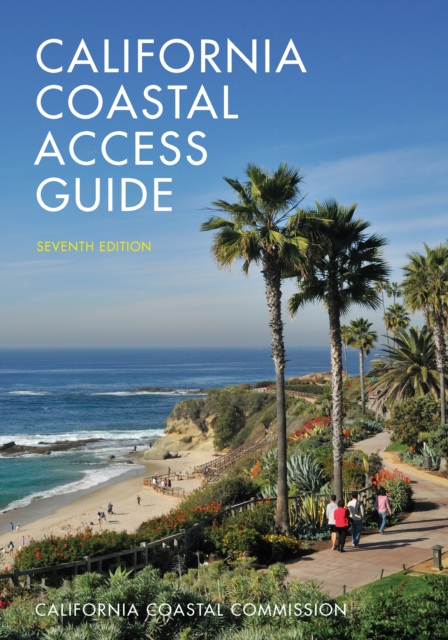
From the majestic redwoods and rocky shores in the north to the palm trees and wide, sandy beaches in the south, the California coast is an area of unsurpassed beauty and diversity.
In this engrossing and accessible book, Doug Macdougall explores the causes and effects of ice ages that have gripped our planet throughout its history, from the earliest known glaciation-nearly three billion years ago-to the present.
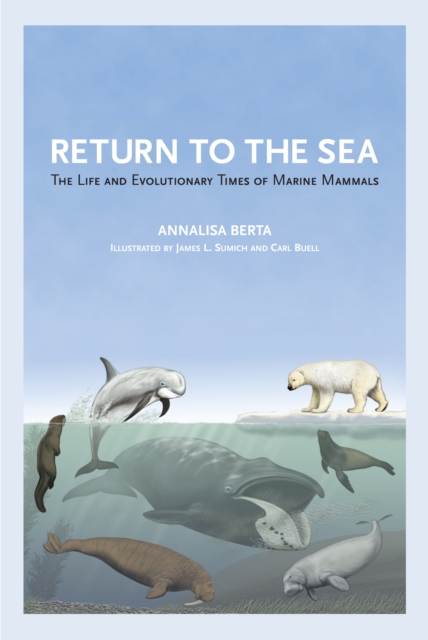
Return to the Sea portrays the life and evolutionary times of marine mammalsfrom giant whales and sea cows that originated 55 million years ago to the deep-diving elephant seals and clam-eating walruses of modern times.
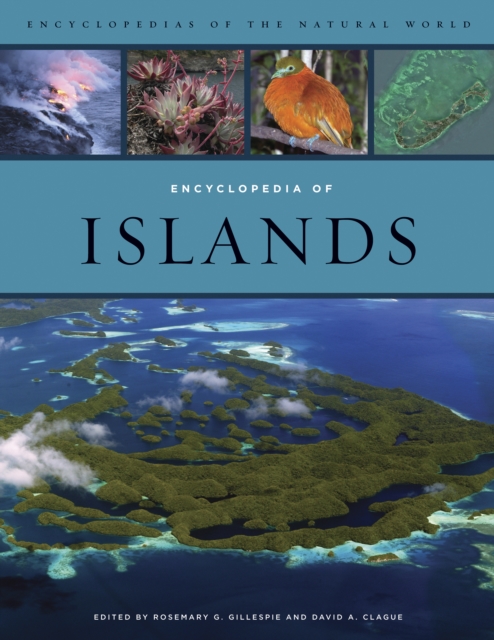
Islands have captured the imagination of scientists and the public for centuries-unique and rare environments, their isolation makes them natural laboratories for ecology and evolution.
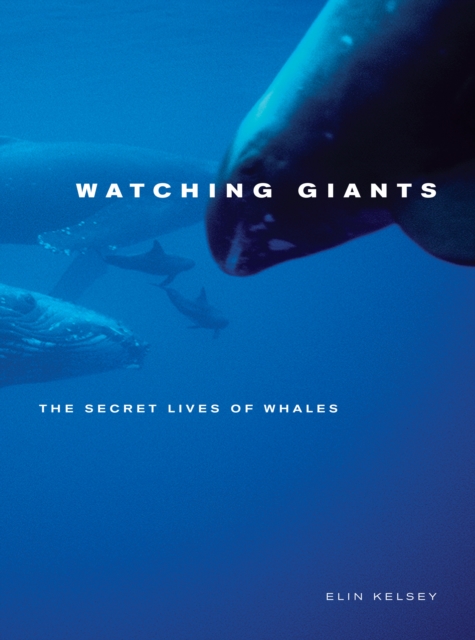
Personal, anecdotal, and highly engaging, Watching Giants opens a window on a world that seems quite like our own, yet is so different that understanding it pushes the very limits of our senses.
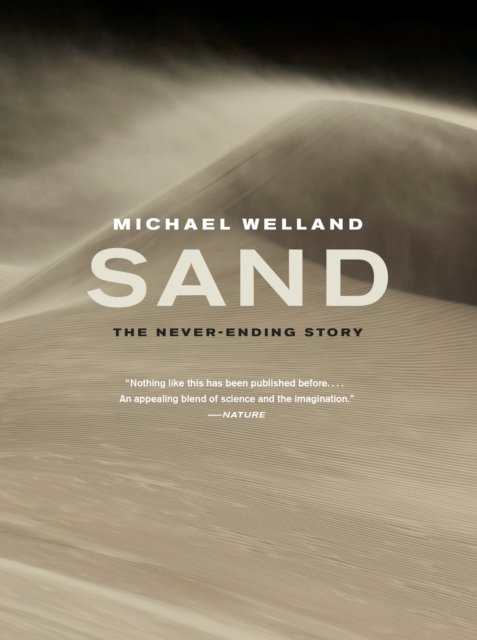
From individual grains to desert dunes, from the bottom of the sea to the landscapes of Mars, and from billions of years in the past to the future, this is the extraordinary story of one of nature's humblest, most powerful, and most ubiquitous materials.
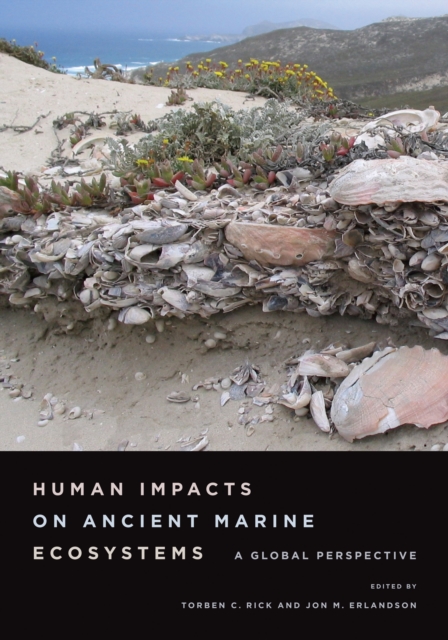
Archaeological data now show that relatively intense human adaptations to coastal environments developed much earlier than once believed-more than 125,000 years ago.
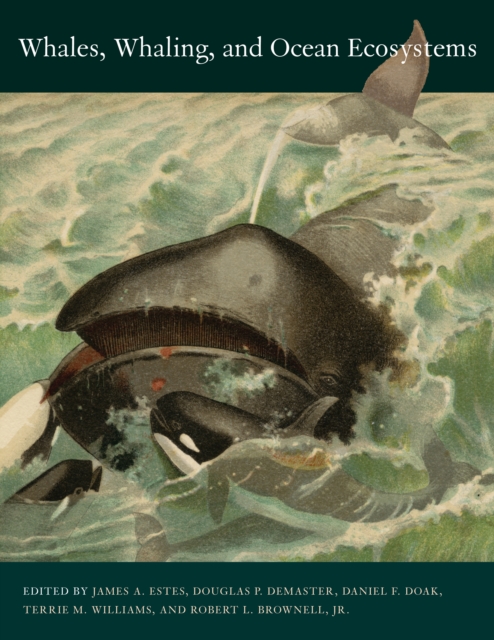
This unprecedented volume presents a sweeping picture of what we know about the natural history, biology, and ecology of whales in the broad context of the dynamics of ocean ecosystems.
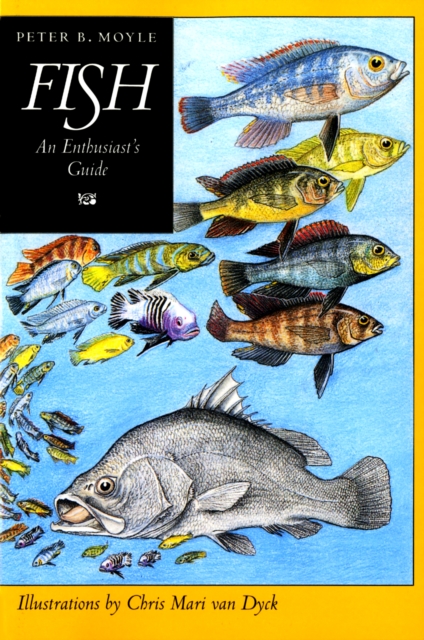
Engagingly written, with both learning and humor, Fish bridges the gap between purely pictorial books and scholarly texts, and provides a succinct summary of fish biology and conservation for students and fish enthusiasts.
Each year, the concentration of dissolved inorganic carbon (DIC) in the mixed layer at Station S in the Sargasso Sea decreases from winter to summer by about 30 umol/kg.
A thrilling tour of the sea's most extreme species, coauthored by one of the world's leading marine scientistsThe ocean teems with life that thrives under difficult situations in unusual environments.
The authoritative introduction to natural water chemistry THIRD EDITION Now in its updated and expanded Third Edition, Aquatic Chemistry remains the classic resource on the essential concepts of natural water chemistry.
The latest cutting-edge research on flood pulsing and wetland restoration in North America Presenting the latest research from leaders in the field of restoration ecology, Flood Pulsing in Wetlands reflects the current movement to incorporate flood pulsing into wetland restoration efforts.
Cutting-edge techniques for groundwater modeling using GIS technology Groundwater Modeling Using Geographical Information Systems covers fundamental information on flow and mass transport modeling and demonstrates how GIS technology makes these models and analyses more accurate than ever before.
River Confluences and the Fluvial Network brings together state of the art thinking on confluence dynamics tributary impacts and the links between processes at these scales and river network functions.
Groundwater is sometimes called the hidden asset awareness of its existence and its importance is not well known and as a consequence the measures which are required to protect and manage it in an environmental sustainable way are either not taken or are taken too late.
Tracers in Hydrology and Water Research is a comprehensive overview of the application of natural and artificial tracers in hydrology and environmental research.