Water Engineering and Management - Learning from History explores the pair technology / water use (an indivisible pair, since the first member of the binomial determines the second) which, in the light of the knowledge available in the 21st century and with a conception focused on the near future, goes beyond the limits set by nature itself.
La zona de influencia de la bahía de El Rodadero (ensenada de Gaira) es un área de desarrollo de actividades pesqueras, turísticas, comerciales y de cabotaje, que dependen en gran medida de las condiciones del mar, sus corrientes, la productividad y los fenómenos ambientales.
Wastewater management and treatment are pressing issues that require both cheap and effective solutions for a sustainable world, especially in rural areas.
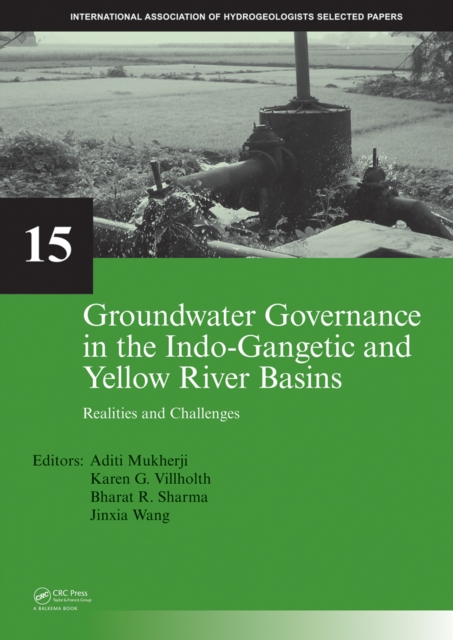
One of the key features of agricultural development in the last five decades has been intensive groundwater use in the Indo-Gangetic Basin (Pakistan, India, Nepal and Bangladesh) and in the Yellow River Basin (China).
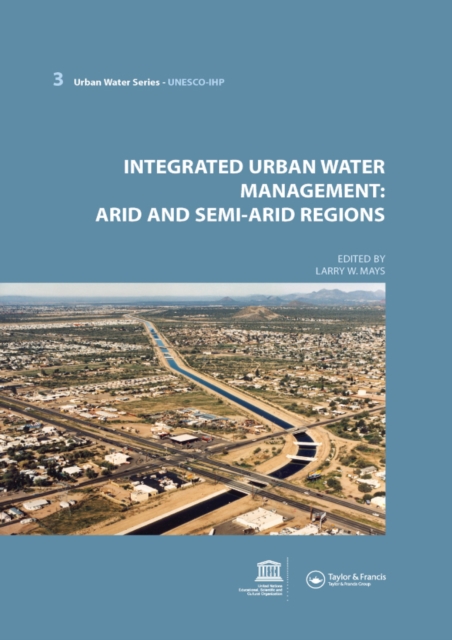
The Integrated Urban Water Management (IUWM) is an emerging approach to managing the entire urban water cycle in an integrated way, which is key to achieving the sustainability of urban water resources and services.
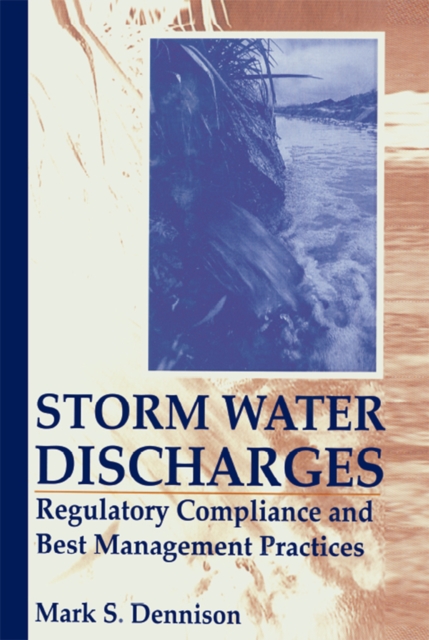
Filled with tables, checklists, worksheets, and sample plans, Storm Water Discharges is a unique, nontechnical guide to the full spectrum of storm water issues.
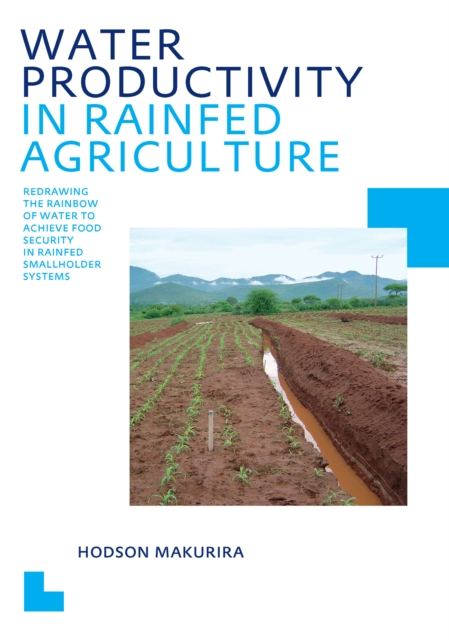
The challenge of water scarcity as a result of insufficient seasonal rainfall and dry spell occurrences during cropping seasons is compounded by inefficient agricultural practices by smallholder farmers where insignificant soil and water conservation efforts are applied.
Applications of Machine Learning in Hydroclimatology is a comprehensive exploration of the transformative potential of machine learning for addressing critical challenges in water resources management.
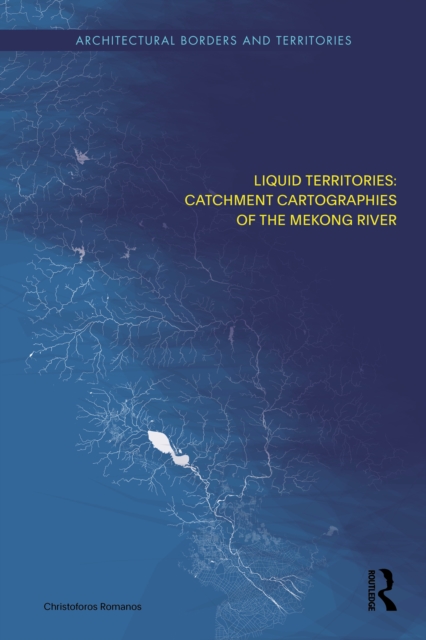
In addition to being a fundamental concept for planning the water infrastructure which supports extensive agricultural economies across Southeast Asia, knowledge of the Mekong River's hydrological catchments has calibrated the control of land, resources and people.
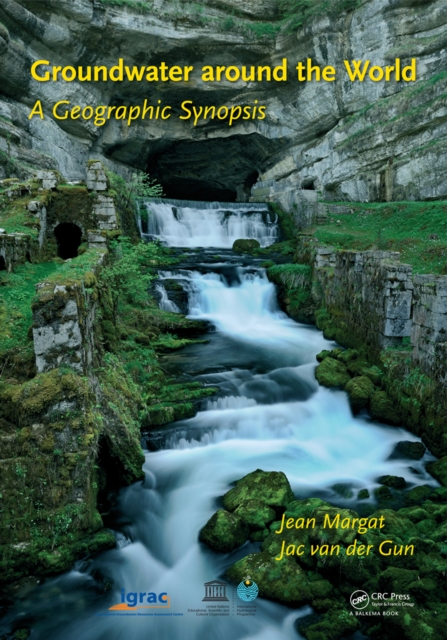
This book presents a unique and up-to-date summary of what is known about groundwater on our planet, from a global perspective and in terms of area-specific factual information.
This second edition focuses on Tropical Dry Forests (TDF) in the Americas and provides a comprehensive overview of new studies conducted in the last decade, giving new insights into the most endangered ecosystem in the tropics.
Sustainable Water Treatment and Management covers broad water and environmental engineering aspects relevant to water resources management as well as the treatment of storm water and wastewater.
This book examines the development of international law applicable to Transboundary Aquifers (TBAs) considering the Human Right to Water and Sanitation (HRWS).
In the face of unprecedented challenges in managing water resources, the integration of artificial intelligence (AI) emerges as a revolutionary force, reshaping the landscape of water conservation, treatment, irrigation, policy formulation, watershed management, and the monitoring of groundwater and surface water.
Written by Chris Maser, one of the architects of the sustainability movement, Interactions of Land, Ocean and Humans: A Global Perspective explores a critical number of the myriad aspects that comprise the great, reciprocal feedback loops between the mountain peaks, the deep sea, and everywhere in between.
In the face of unprecedented challenges in managing water resources, the integration of artificial intelligence (AI) emerges as a revolutionary force, reshaping the landscape of water conservation, treatment, irrigation, policy formulation, watershed management, and the monitoring of groundwater and surface water.
Though the modern Spanish State was formed in the mid Fifteenth Century, historical records show that water works, statues, and the utilization of water dates back to centuries BC.
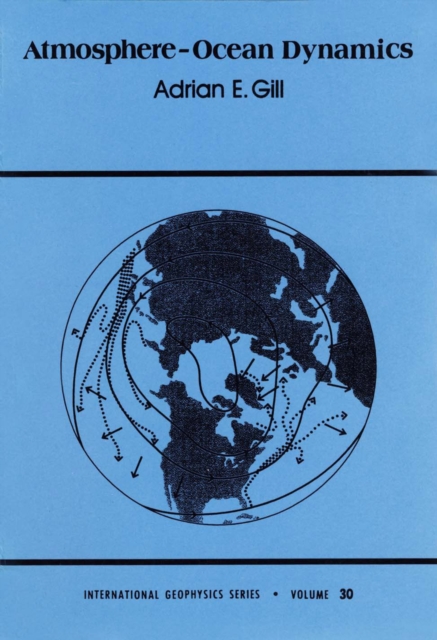
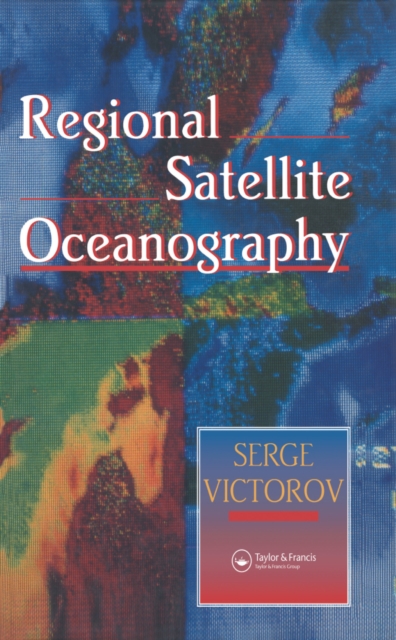
A systematic, unifying approach to the dynamics of the ocean and atmosphere is given in this book, with emphasis on the larger-scale motions (from a few kilometers to global scale).
Any alteration of the natural processes occurring on a piece of land will have expected as well as unanticipated effects, and those effects have little regard for arbitrary human boundaries.
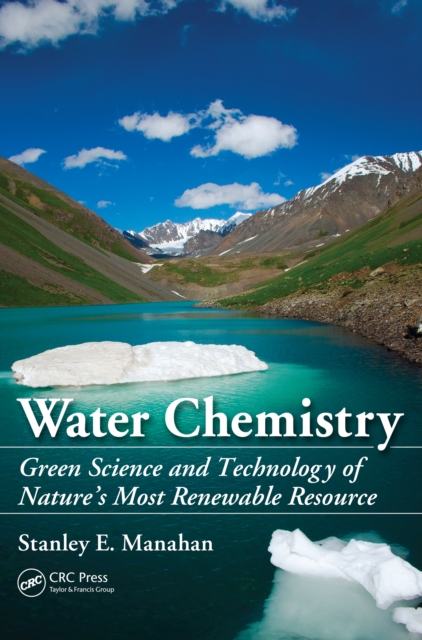
Carefully crafted to provide a comprehensive overview of the chemistry of water in the environment, Water Chemistry: Green Science and Technology of Nature's Most Renewable Resource examines water issues within the broad framework of sustainability, an issue of increasing importance as the demands of Earth's human population threaten to overwhelm t
This work addresses the whole range of problems relating to the application of satellite technology to studies of regional seas and sea phenomona - the Gulf Stream, the Kuroshia Current - and coastal zones.
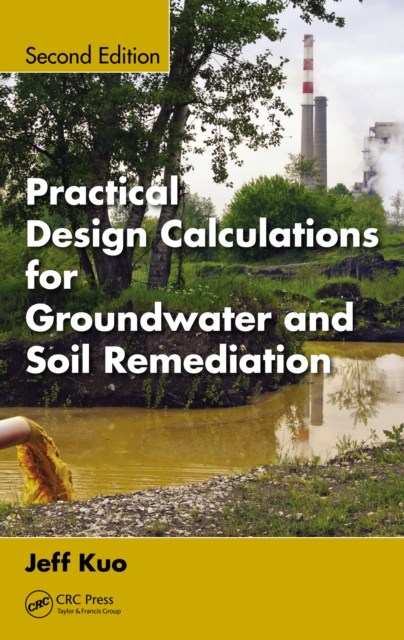
Includes Illustrative Applications of Practical Design CalculationsWritten in a straightforward style and user-friendly format, Practical Design Calculations for Groundwater and Soil Remediation, Second Edition highlights the essential concepts and important aspects of major design calculations used in soil and groundwater remediation.
The book discusses the process of drafting a Drinking Water Services Act for states under federal governance, presents how various provisions of the Act are identified and builds the rationale behind those provisions.
The Brazilian coral reefs form structures significantly different from the well-known reef models, as follows: they have a growth form of mushroom-shaped coral pinnacles called "e;chapeiroes"e;; they are built by a low diversity coral fauna rich in endemic species, with most of them relic forms dating back to the Miocene; and the nearshore bank reefs are surrounded by siliciclastic sediments.
Fully updated and expanded into two volumes, the new edition of Groundwater Contamination explains in a comprehensive way the sources for groundwater contamination, the regulations governing it, and the technologies for abating it.
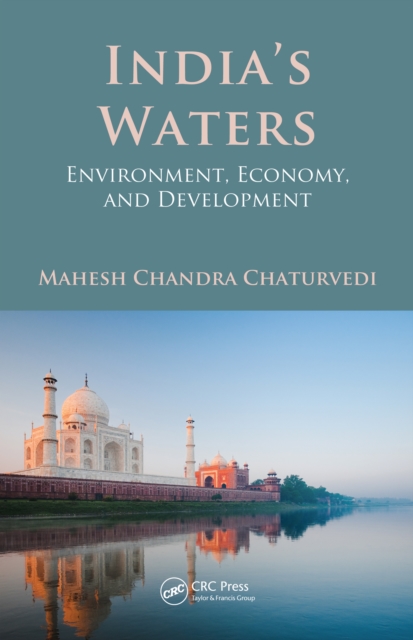
Regulation of India's rivers and other water systems has been evolving for thousands of years in the face of varying socioeconomic and technological conditions.
Süßwasser- und Meeresökologie bietet eine umfassende Einführung in die aquatische Ökologie, indem es die Fachgebiete Limnologie und biologische Ozeanographie integriert.