This book presents the fundamentals of polarimetric radar remote sensing through understanding wave scattering and propagation in geophysical media filled with hydrometers and other objects.
Because prevailing atmospheric/troposcopic conditions greatly influence radio wave propagation above 10 GHz, the unguided propagation of microwaves in the neutral atmosphere can directly impact many vital applications in science and engineering.
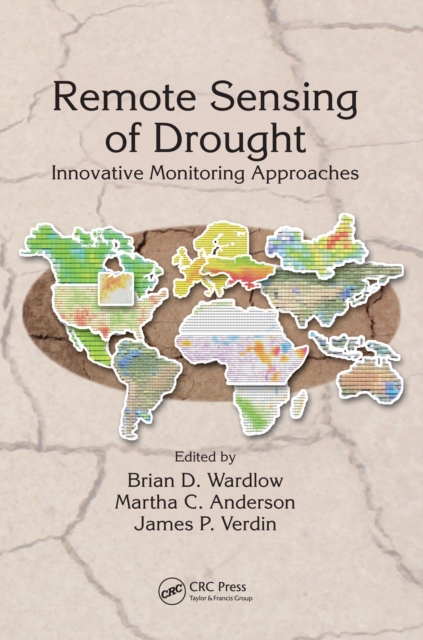
Remote Sensing of Drought: Innovative Monitoring Approaches presents emerging remote sensing-based tools and techniques that can be applied to operational drought monitoring and early warning around the world.
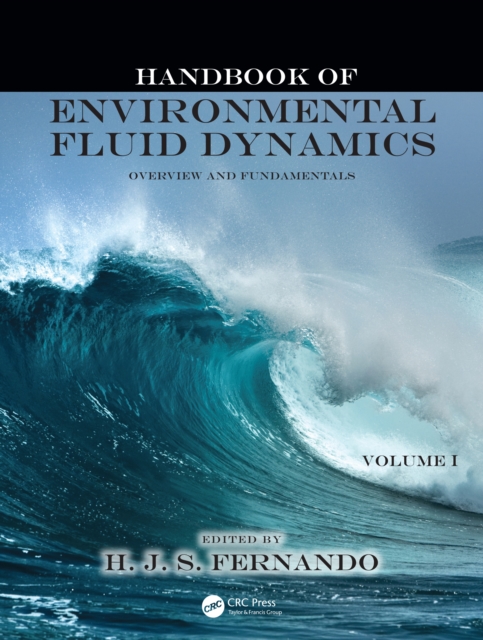
With major implications for applied physics, engineering, and the natural and social sciences, the rapidly growing area of environmental fluid dynamics focuses on the interactions of human activities, environment, and fluid motion.
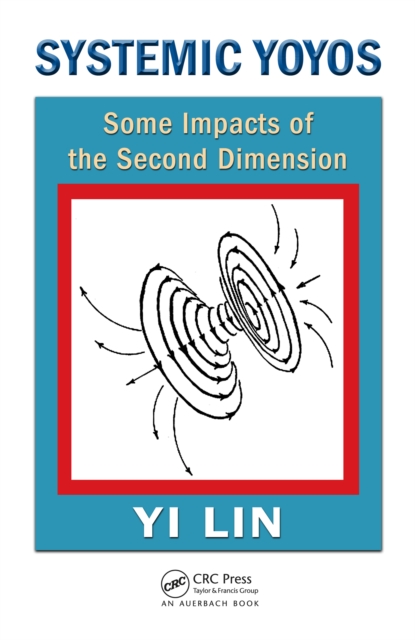
A Novel Method to Analyze Problems and Encourage Systemic ThinkingReal-Life Case Studies Illustrate the Application of the Systemic Yoyo Model in Diverse AreasWritten by the co-creator of the systemic yoyo model, Systemic Yoyos: Some Impacts of the Second Dimension shows how the yoyo model and its methodology can be employed to study many unsettled
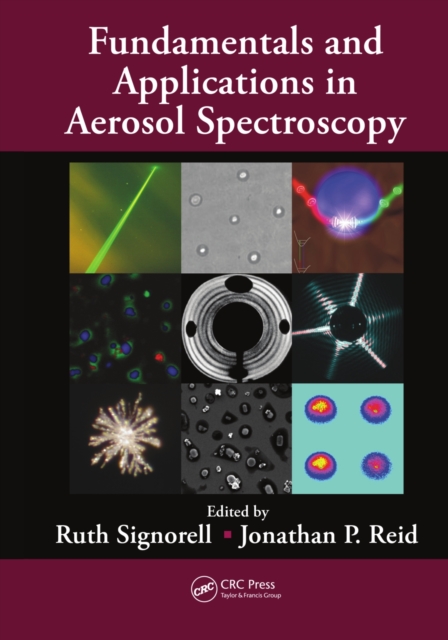
Helping you better understand the processes, instruments, and methods of aerosol spectroscopy, Fundamentals and Applications in Aerosol Spectroscopy provides an overview of the state of the art in this rapidly developing field.
Hailed on first publication as a masterful review of the topic, The Science of Air: Concepts and Applications quickly became a standard resource in the field.
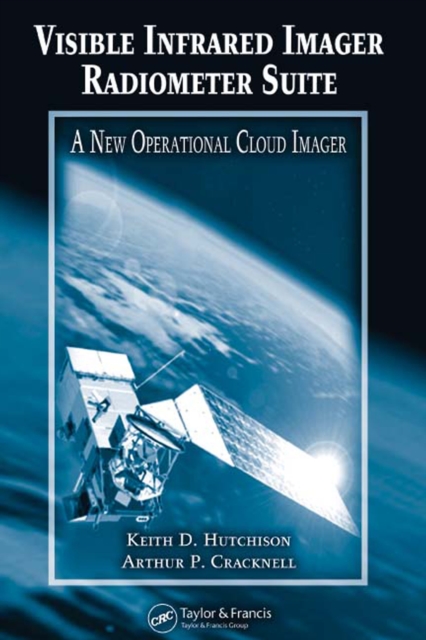
The Visible Infrared Imager Radiometer Suite (VIIRS) is the next-generation multispectral imaging instrument to fly on US operational, polar-orbiting meteorological satellites.
Blending information from popular mainstream articles, highly technical publications, and research journals, the second edition of Principles of Air Quality Management features new sections on air toxics, new information on chronic and acute health effects, and new approaches to the assessment of those impacts on sensitive populations.
Natural Disasters and Preparedness is a comprehensive course designed to equip students with a deep understanding of various natural disasters and practical strategies for effective preparedness.
The riveting story of Earth's first ice age and the scientist who discovered it'An engrossing book on the emergence of a stunning new account of events on our primordial planet .
Instant Wind Forecasting is a quick reference guide for all who work or play outdoors whether dinghy, coastal or offshore sailors, fishermen, motorboaters, farmers, golfers, walkers or pilots.
Seabreezes are the lifeblood of cruising and racing sailors - but they are a fickle resource and it's vital to be able to predict and read the situations when they will blow strongly, change direction (annoyingly) or vanish altogether.
Seabreezes are the lifeblood of cruising and racing sailors - but they are a fickle resource and it's vital to be able to predict and read the situations when they will blow strongly, change direction (annoyingly) or vanish altogether.
Instant Wind Forecasting is a quick reference guide for all who work or play outdoors whether dinghy, coastal or offshore sailors, fishermen, motorboaters, farmers, golfers, walkers or pilots.
Dag Pike draws on his experience as merchant navy captain, fast boat navigator and boat safety tester for RNLI lifeboats to focus on a wide range of disasters at sea.
This volume is a compilation of studies on interactions of changes in land cover, land use and climate with people, societies and ecosystems in drylands of Greater Central Asia.
The Fourth Assessment Report of IPCC having clinched in 2007 the evidence of global warming on account of anthropogenic activities, backed with scientific data gathered and analyzed globally, has made it mandatory world over to focus efforts on delineation of the anticipated adverse impacts of global warming on regional temperature and moisture regimes and the linked hydrologic, climatic and biospheric processes.
As it becomes clear that climate change is not easily within the boundaries of the 1990's, society needs to be prepared and needs to anticipate future changes due to the uncertain changes in climate.
In this wide-ranging and comprehensive review of the historical development and current status of ocean circulation models, the analysis extends from simple analytical approaches to the latest high-resolution numerical models with data assimilation.
Anthropogenic influences to the earth's system, including the atmosphere, hydrosphere, biosphere, cryosphere and lithosphere, represent a serious challenge to our planet's ecosystems and natural environments.
In 1998, my colleague, Forrest Mims, and I began a project to develop inexpensive handheld atmosphere monitoring instruments for the GLOBE Program, an international environmental science and education program that began its operations on Earth Day, 1995.
Over the last three decades drought episodes have resulted in severe social problems in Mediterranean countries, receiving broad attention from the international scientific and policy communities.
Clouds and cloud systems and their interactions with larger scales of motion, radiation, and the Earth's surface are extremely important parts of weather and climate systems.
Atmospheric ice takes a wide range of fascinating forms, all beautiful in their own ways but many posing severe risk to the security of overhead networks for electric power, communications and other systems.
More than 250 experts from around the world gathered at the Asilomar Transportation and Energy Conference in August 2007 to tackle what many agree is the greatest environmental challenge the world faces: climate change.
The Ocean-Atmosphere-Cryosphere s- tem of the Arctic is of unique importance to the World, its climate and its peoples and is changing rapidly; it is no accident that the Arctic Climate Impact Assessment (ACIA) was the first comprehensive regional assessment of climate-impact to be conducted.