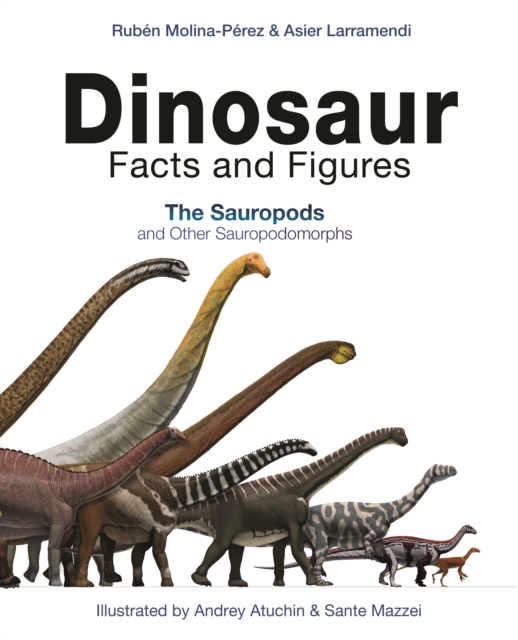
An illustrated record book of sauropod facts and figures-the hugest, the oldest, the most intelligent, and moreThe sauropod dinosaurs roamed the planet for millions of years, with creatures ranging from the smallest of the sauropods, Magyarosaurus, to the huge Argentinosaurus.
The second volume in a series dedicated to fossil discoveries made in the Afar region of Ethiopia, this work contains the definitive description of the geological context and paleoenvironment of the early hominid Ardipithecus kadabba.
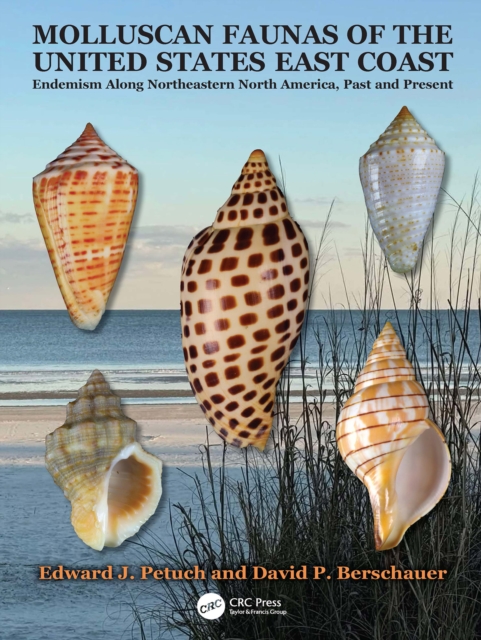
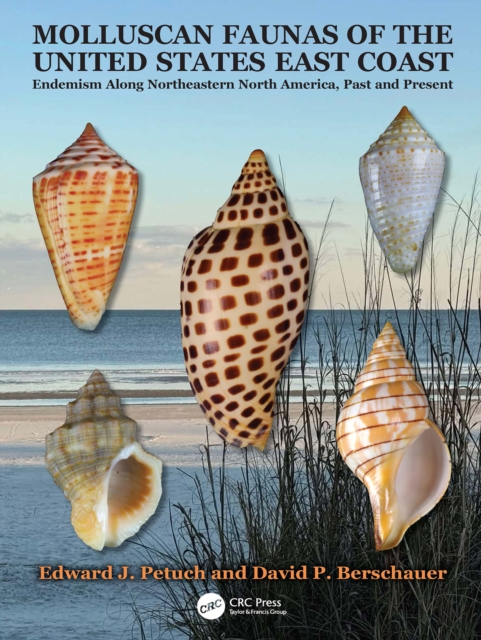
The species-richness seen in the living molluscan fauna of the East Coast of the United States is due to its composite nature, containing faunal elements from three contiguous molluscan provinces.
The species-richness seen in the living molluscan fauna of the East Coast of the United States is due to its composite nature, containing faunal elements from three contiguous molluscan provinces.
Here twenty-one leading paleontologists use important refinements in fossil diversity data to provide critical evaluations of older hypotheses of diversification and extinction processes and to propose fresh interpretations.
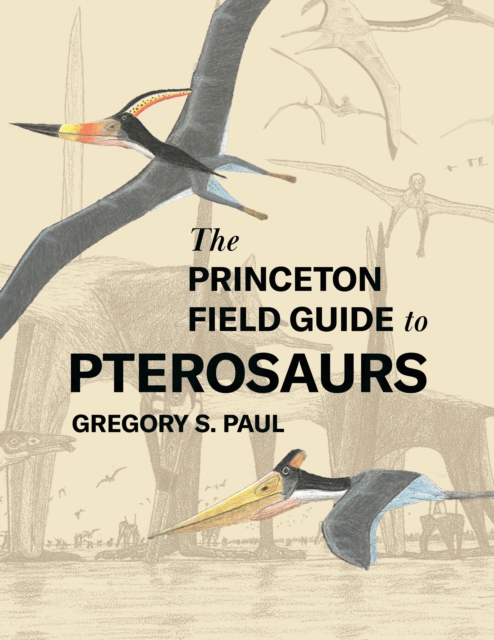
The most up-to-date and authoritative illustrated guide to the marvelous flying reptiles that dominated the skies of the Mesozoic for 160 million yearsOnce seen by some as evolutionary dead-enders, pterosaurs were vigorous winged reptiles capable of thriving in an array of habitats and climates, including polar winters.
The horned dinosaurs, a group of rhinoceros-like creatures that lived 100 to 65 million years ago, included one of the greatest and most popular dinosaurs studied today: Triceratops.
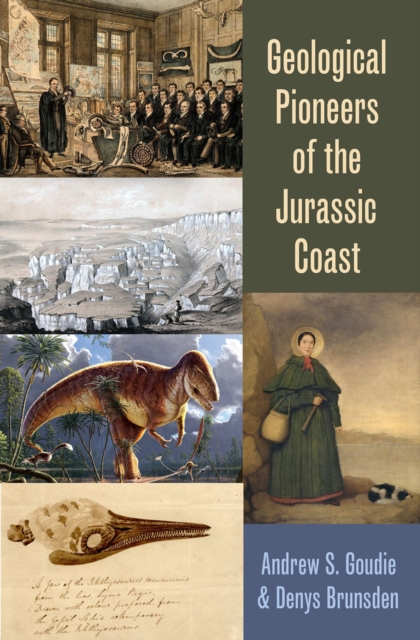
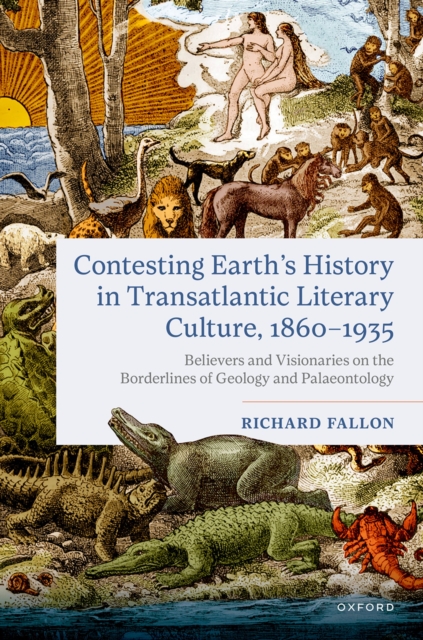
By the mid-nineteenth century, geologists and palaeontologists had reconstructed an authoritative narrative of Earth's deep history, from the planet's molten origins to the rise of humanity.
By the mid-nineteenth century, geologists and palaeontologists had reconstructed an authoritative narrative of Earth's deep history, from the planet's molten origins to the rise of humanity.
This volume brings together an international roster of scientists, many of which have spent their careers researching the fossil evidence for, and the context of, the taxa that are conventionally subsumed within the genus Paranthropus, to present and synthesize the latest research about the paleobiology of Paranthropus.
This volume brings together an international roster of scientists, many of which have spent their careers researching the fossil evidence for, and the context of, the taxa that are conventionally subsumed within the genus Paranthropus, to present and synthesize the latest research about the paleobiology of Paranthropus.
Taking us back roughly 45 million years into the Eocene, "e;the dawn of recent life,"e; Chris Beard, a world-renowned expert on the primate fossil record, offers a tantalizing new perspective on our deepest evolutionary roots.
Morphometrics is concerned with the study of variations and change in the form (size and shape) of organisms or objects adding a quantitative element to descriptions and thereby facilitating the comparison of different objects and organisms.