GEOLOGICAL FIELD TECHNIQUES The understanding of Earth processes and environments over geological time is highly dependent upon both the experience that can only be gained through doing fieldwork, and the collection of reliable data and appropriate samples in the field.
The quantitative assessment of the impact of climate change on water availability and water resources management requires knowledge of climate, hydro(geo)logical and water resources models, and particularly the relationships between each of them.
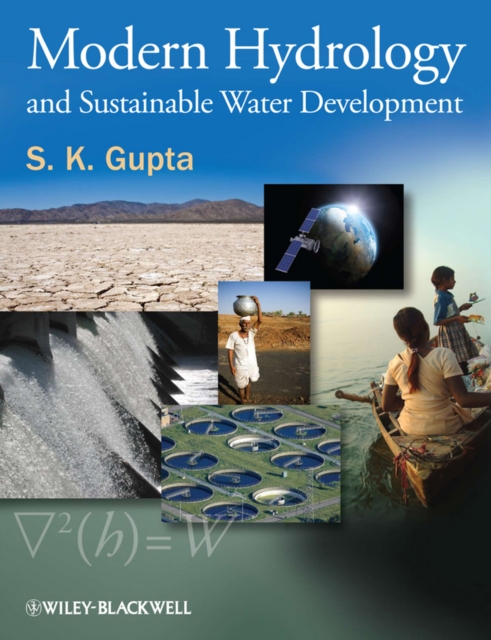
The material of this book will derive its scientific under-pinning from basics of mathematics, physics, chemistry, geology, meteorology, engineering, soil science, and related disciplines and will provide sufficient breadth and depth of understanding in each sub-section of hydrology.
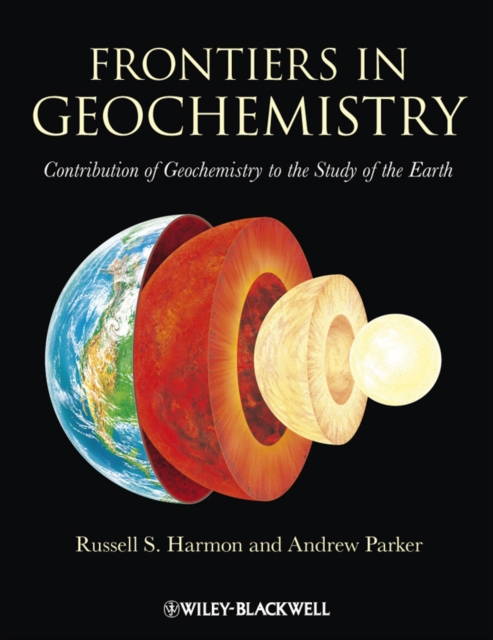
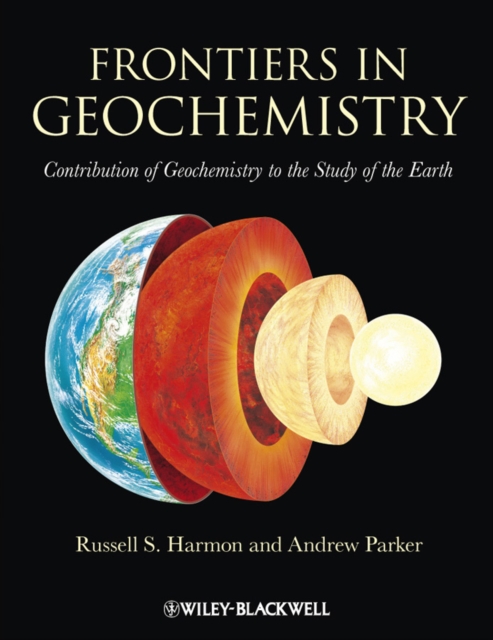
INTRODUCTION TO Geochemistry This book is intended to serve as a text for an introductory course in geochemistry for undergraduate/ graduate students with at least an elementary-level background in earth sciences, chemistry, and mathematics.
INTRODUCTION TO Geochemistry This book is intended to serve as a text for an introductory course in geochemistry for undergraduate/ graduate students with at least an elementary-level background in earth sciences, chemistry, and mathematics.
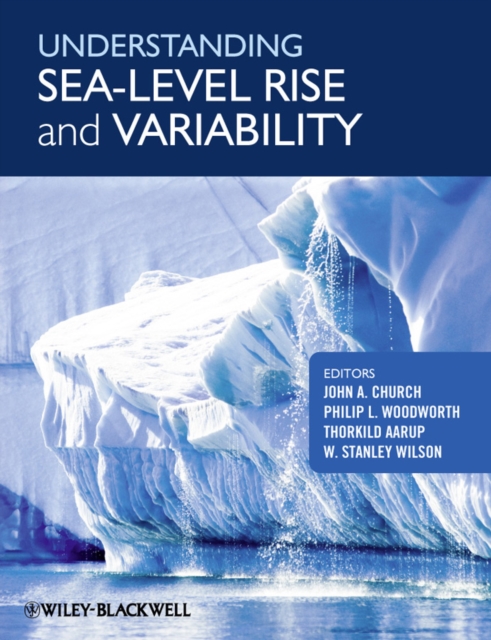
Understanding Sea-Level Rise and Variability identifies the major impacts of sea-level rise, presents up-to-date assessments of past sea-level change, thoroughly explores all of the factors contributing to sea-level rise, and explores how sea-level extreme events might change.
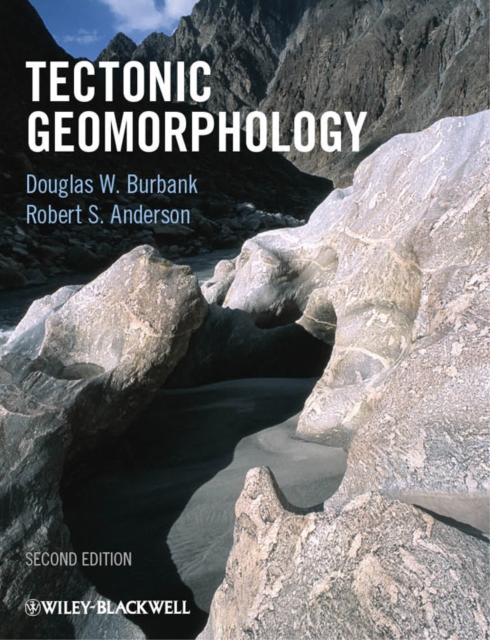
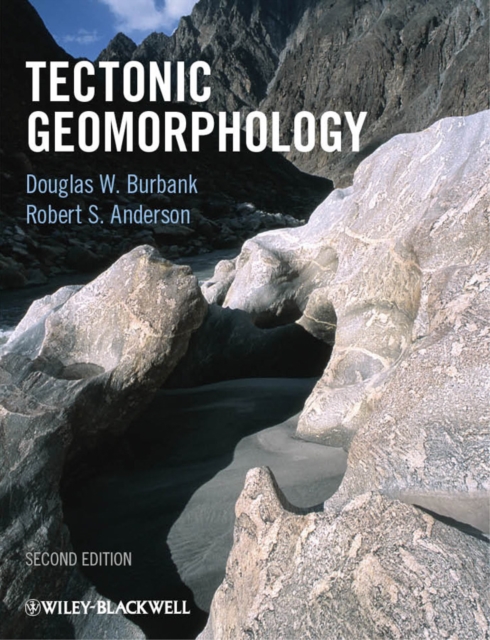
Tectonic geomorphology is the study of the interplay between tectonic and surface processes that shape the landscape in regions of active deformation and at time scales ranging from days to millions of years.
Tectonic geomorphology is the study of the interplay between tectonic and surface processes that shape the landscape in regions of active deformation and at time scales ranging from days to millions of years.
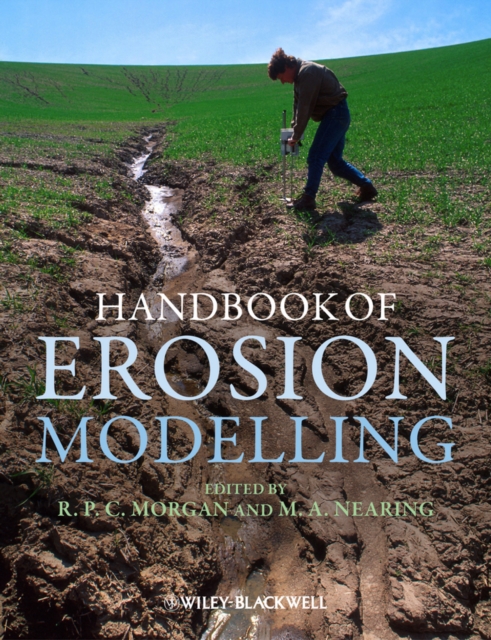
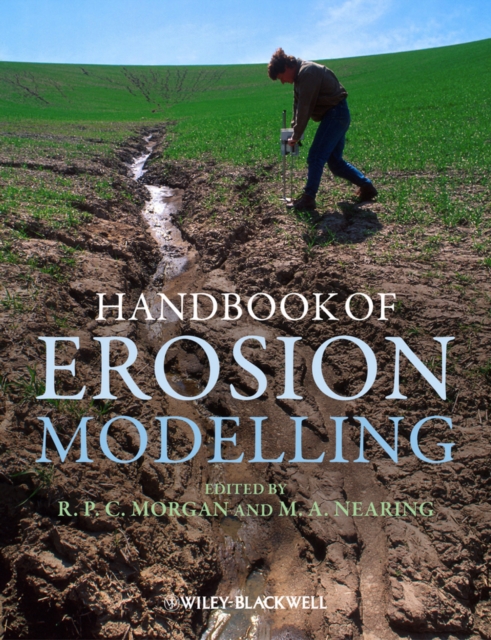
The movement of sediment and associated pollutants over the landscape and into water bodies is of increasing concern with respect to pollution control, prevention of muddy floods and environmental protection.
This book is a contribution to the International Year of Planet Earth arising from the 33rd International Geological Congress, held in Oslo, Norway during August 2008.
This book is a contribution to the International Year of Planet Earth arising from the 33rd International Geological Congress, held in Oslo, Norway during August 2008.
The movement of sediment and associated pollutants over the landscape and into water bodies is of increasing concern with respect to pollution control, prevention of muddy floods and environmental protection.
GEOLOGICAL FIELD TECHNIQUES The understanding of Earth processes and environments over geological time is highly dependent upon both the experience that can only be gained through doing fieldwork, and the collection of reliable data and appropriate samples in the field.
The quantitative assessment of the impact of climate change on water availability and water resources management requires knowledge of climate, hydro(geo)logical and water resources models, and particularly the relationships between each of them.
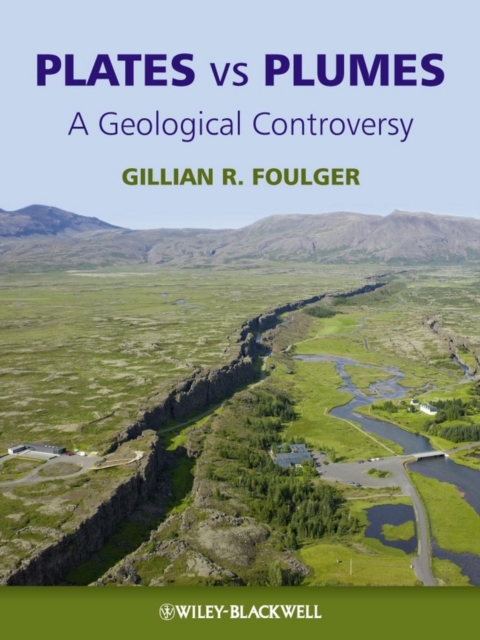
Since the advent of the mantle plume hypothesis in 1971, scientists have been faced with the problem that its predictions are not confirmed by observation.
The material of this book will derive its scientific under-pinning from basics of mathematics, physics, chemistry, geology, meteorology, engineering, soil science, and related disciplines and will provide sufficient breadth and depth of understanding in each sub-section of hydrology.
Understanding Sea-Level Rise and Variability identifies the major impacts of sea-level rise, presents up-to-date assessments of past sea-level change, thoroughly explores all of the factors contributing to sea-level rise, and explores how sea-level extreme events might change.
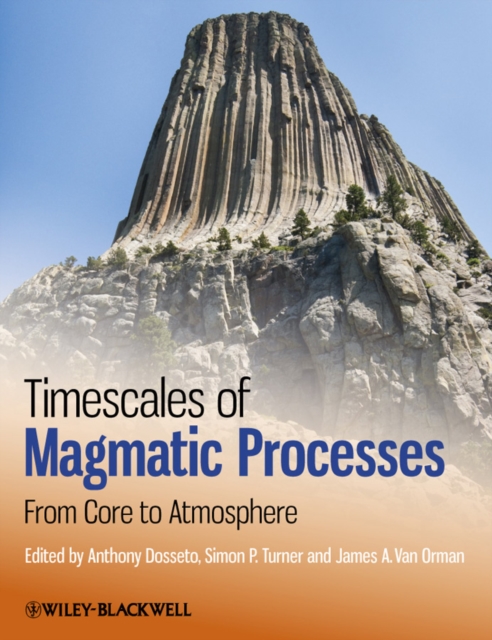
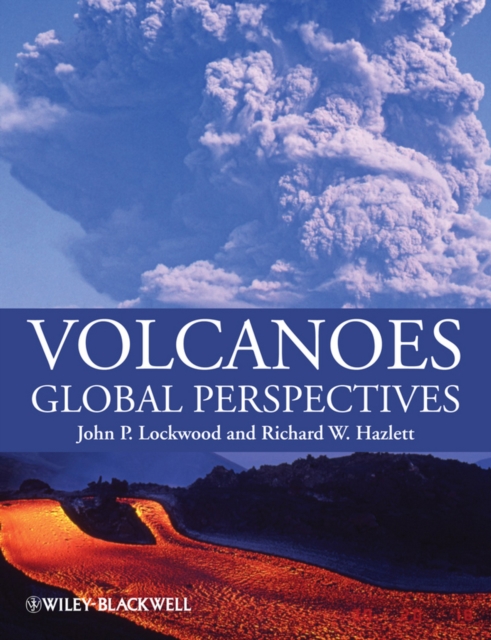
Volcanoes are essential elements in the delicate global balance of elemental forces that govern both the dynamic evolution of the Earth and the nature of Life itself.
Rangeland ecosystems which include unimproved grasslands, shrublands, savannas and semi-deserts, support half of the world s livestock, while also providing habitats for some of the most charismatic of wildlife species.
A RESOURCE-BASED HABITAT VIEW FOR CONSERVATION In A Resource-Based Habitat View for Conservation Roger Dennis introduces a novel approach to the understanding of habitats based on resources and conditions required by organisms and their access to them, a quantum shift from simplistic and ineffectual notions of habitats as vegetation units or biotopes.
Carbonate rocks (limestones and dolomites) constitute a major part of the geological column and contain not only 60% of the world's known hydrocarbons but also host extensive mineral deposits.
Much new data and many new ideas have emerged in the area of ore geology and industrial minerals since publication of the second edition of this text in 1987.
From AMETHYST to ARTESIAN SPRING, from COAL GAS to CONTINENTAL DRIFT, from SEISMOGRAM to STROMATOLITE, the Encylopedia of the Solid Earth Sciences provides a comprehensive modern reference text for all the subdisciplines of the Earth Sciences.
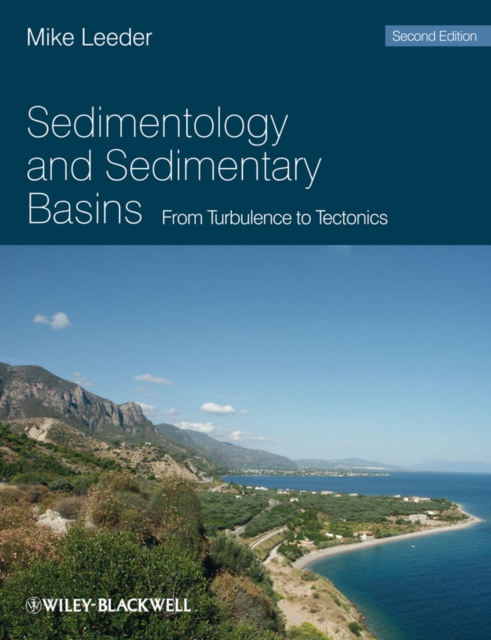
The innovation and refinement of the techniques and concepts of sequence stratigraphy has been one of the most exciting and profound developments in geology over the past thirty years.