This volume presents a state-of-the-art assessment of the Earth's climate system in Siberia and relationships between climate, ecosystems and people in that region.
Forests in Development: A Vital Balance, shows some of the main advances in forestry over the six years spanning between the XII World Forestry Congress in Canada and the XIII WFC held in Buenos Aires.
Human activities are significantly modifying the natural global carbon (C) cycles, and concomitantly influence climate, ecosystems, and state and function of the Earth system.
Since the publication of The New Science of Astrobiology in the year 2001-the first edition of the present book-two significant events have taken place raising the subject from the beginning of the present century to its present maturity.
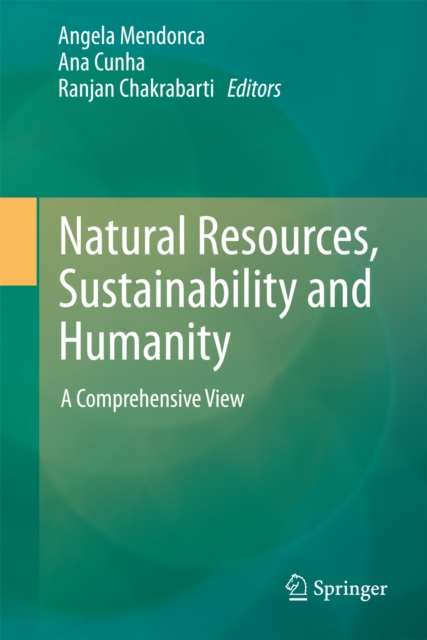
Shortly, this book is the written up-graded version of the topics discussed during the Small Meeting of the 2nd International School Congress: Natural Resources, Sustainability and Humanity, held in Braga, Portugal, 5-8 May 2010 with the diverse participation of scientists, educators and governmental representatives.
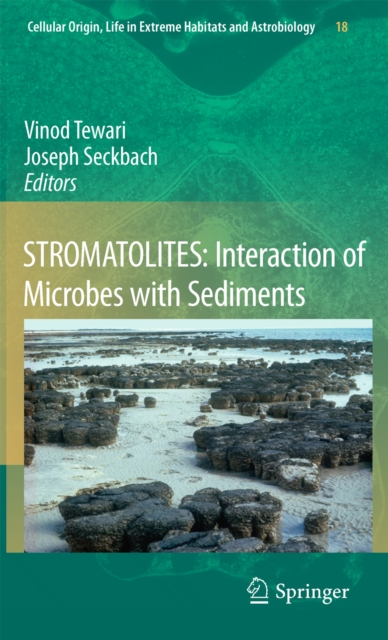
STROMATOLITES: Interaction of Microbes with Sediments provides an overview and latest information about the formation of Stromatolites as a result of interaction of microbes with sediments.
This is the first academic book about the dinosaurs, birds and pterosaurs of Korea, one of the richest and most exciting regions on earth for the study of vertebrate ichnology.
Carbonate sediments are of increasing relevance for archives of past environmental conditions and for economical reasons in areas of geothermal energy and hydrocarbon reservoirs.
In the last quarter century, delamination has come to mean more than just a failure in adhesion between layers of bonded composite plies that might affect their load-bearing capacity.
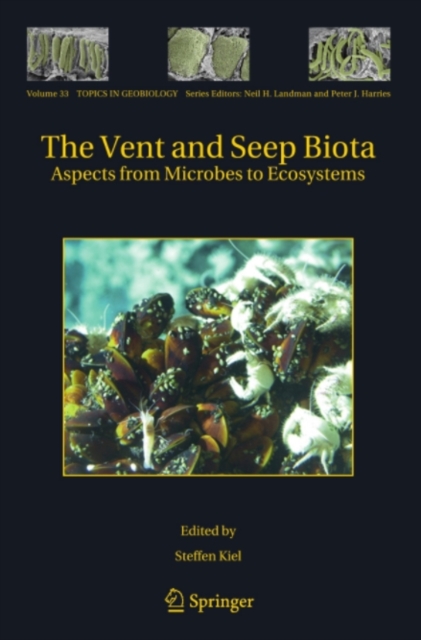
Oases of life around black smokers and hydrocarbon seeps in the deep-sea were among the most surprising scientific discoveries of the past three decades.
This volume is a compilation of studies on interactions of land-cover/land-use change with climate in a region where the climate warming is most pronounced compared to other areas of the globe.
The Siberian environment is a unique region of the world that is both very strongly affected by global climate change and at the same time particularly vulnerable to its consequences.
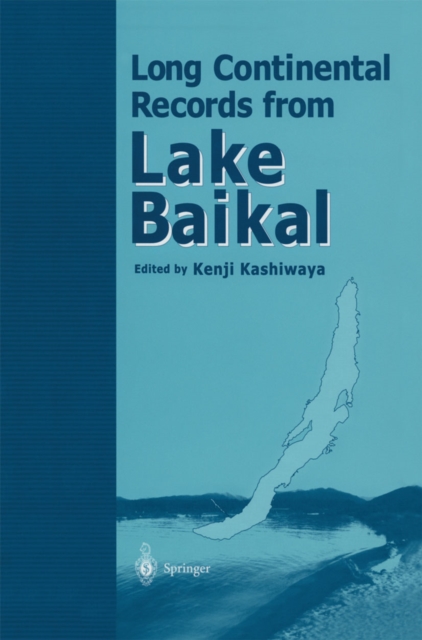
Lake Baikal in eastern Siberia is a crucial site for detecting long-term global changes, owing to its high sensitivity to climatic oscillation and its extraordinarily long history.
This book describes how biologically available free energy sources (ATP, chemical potential, and membrane potentials, among others) can be used to drive synthetic reactions, signaling in cells, and various types of motion such as membrane traffic, active transport, and cell locomotion.
Coastal East and Southeast Asia are characterized by wet growing seasons, and species-rich forest ecosystems develop throughout the latitudinal and altitudinal gradients.
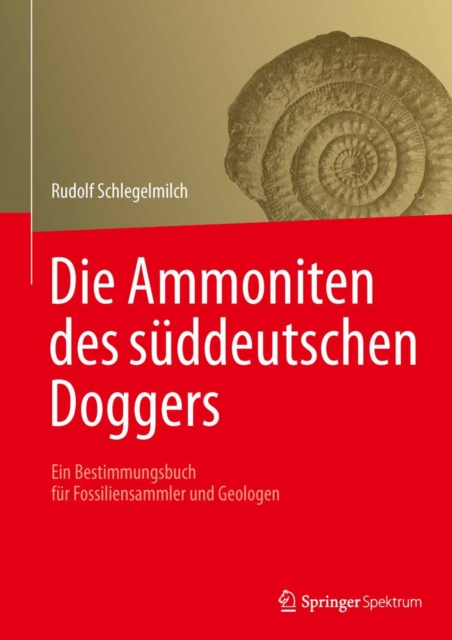
Die aus der Fülle der Spezialliteratur zusammengetragenen Ammonitenarten des süddeutschen Lias werden in übersichtlichen Bestimmungstabellen in systematischer Ordnung dargestellt.
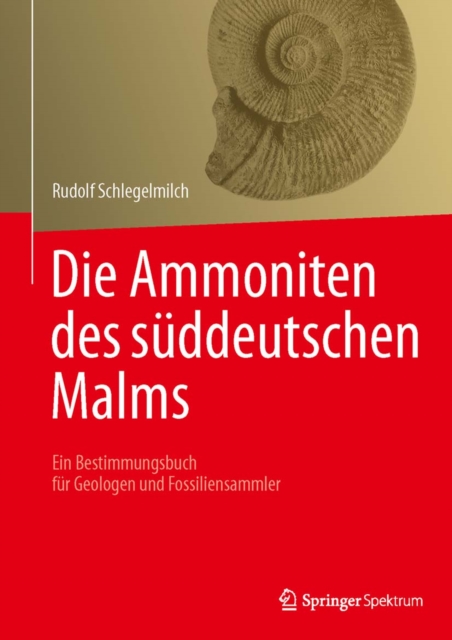
Nach bewährtem Vorbild enthält dieser Band die handlichen Bestimmungstabellen und großformatigen Bildtafeln von 483 Ammoniten-Arten der Malmregionen von Schwäbischer und Fränkischer Alb einschließlich ihrer Ausläufer.
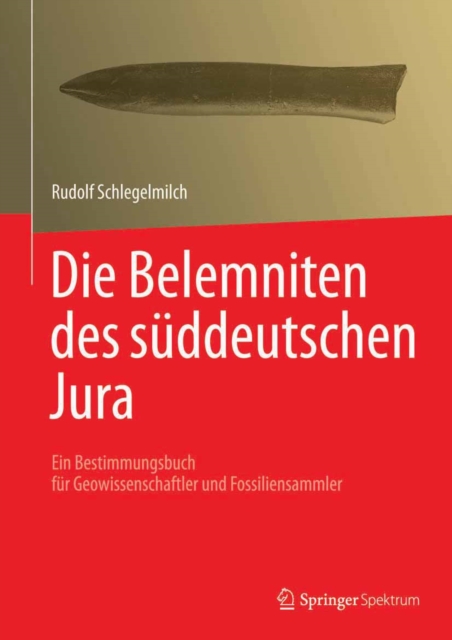
Dieser Buchtitel ist Teil des Digitalisierungsprojekts Springer Book Archives mit Publikationen, die seit den Anfängen des Verlags von 1842 erschienen sind.
Dieser Buchtitel ist Teil des Digitalisierungsprojekts Springer Book Archives mit Publikationen, die seit den Anfängen des Verlags von 1842 erschienen sind.
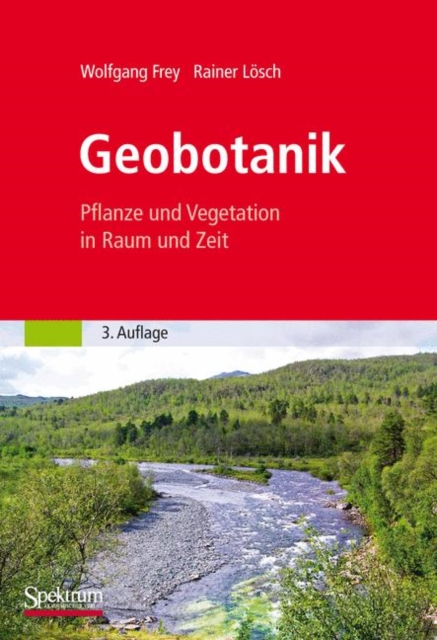
Das Buch stellt eine Bestandsaufnahme dar, welche Veränderungen in der terrestrischen Vegetation der Erde bereits heute mit Gewissheit oder hoher Wahrscheinlichkeit durch den Klimawandel eingetreten sind.
Dieses auch für den interessierten Laien verständlich geschriebene Werk führt in die unbekannte Welt der CO2-Gasvulkane, der sogenannten Mofetten, ein.
Forscher entschlüsseln die Geheimnisse der Geobiologie
Im Mittelpunkt dieses Buches steht das Jahrmilliarden währende Wechselspiel zwischen der geologischen Entwicklung der Erde und der Evolution des Lebens.
This volume offers distribution maps of over 2200 individual species living in the Dolomite area, presenting detailed records on the local range of every species growing in the area studied, from the Puster Valley to the Piave River.
Dieser Buchtitel ist Teil des Digitalisierungsprojekts Springer Book Archives mit Publikationen, die seit den Anfängen des Verlags von 1842 erschienen sind.