Cabeza de Vaca was looking for adventure when he helped lead a group of Spanish explorers to North America in 1528, and he certainly found it when he washed up on the shores of Texas.
During the time he spent in the Portuguese islands of Porto Santo and Madeira, Cristopher Columbus, a navigator from Genoa, was in charge of a dying sailor, from Castile whose caravel had been carried by the current from the Gulf of Guinea to a remote sea, possibly the Caribean.
This historical survey is intended to serve as an introduction to a series of documents relating to the exploration and settlement of Canada's southernmost frontier - the Detroit River region.
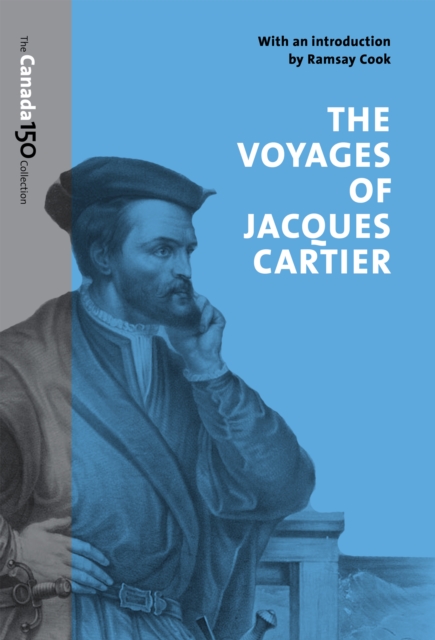
Jacques Cartier's voyages of 1534, 1535, and 1541constitute the first record of European impressions of the St Lawrence region of northeastern North American and its peoples.
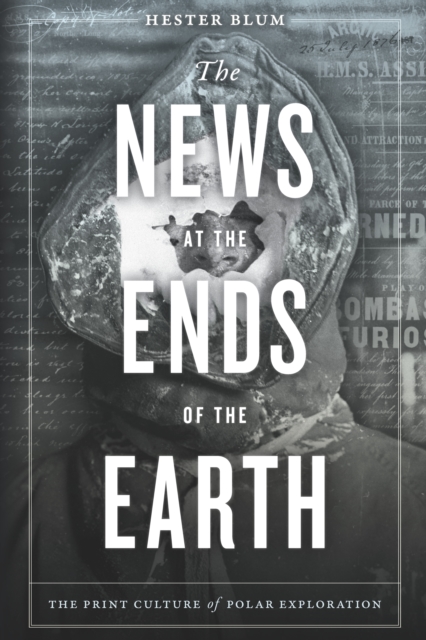
From Sir John Franklin's doomed 1845 search for the Northwest Passage to early twentieth-century sprints to the South Pole, polar expeditions produced an extravagant archive of documents that are as varied as they are engaging.
Thrill of the Rookie chronicles the life of Osaze Ehigiator, beginning in Nigeria, a nation plagued with corruption and incessant coup, and how the author escaped to the USA.
In 1528, the Spanish explorer Alvar Nunez Cabeza de Vaca and his three companions were shipwrecked and, looking for help, began an eight-year trek through the deserts of the American West.
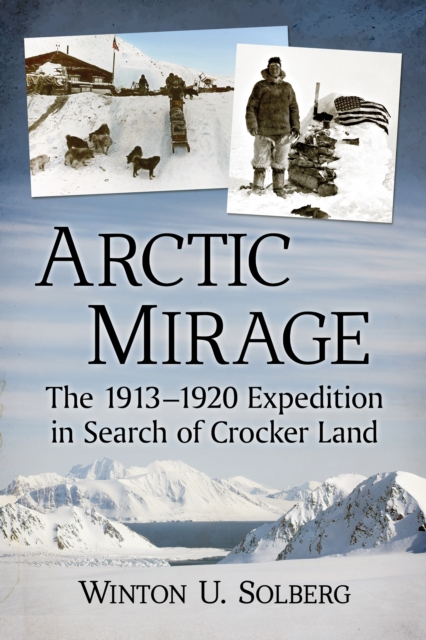
In 1913, an expedition was sent to the Arctic, funded by the American Museum of Natural History, the American Geographical Society and the University of Illinois.
In Working My Way through Retirement, author Lola Albion finds that retirement has many surprises and totally unexpected opportunities in store for her.
Geographers is an annual collection of studies on individuals who have made major contributions to the development of geography and geographical thought.
Geographers is an annual collection of studies on individuals who have made major contributions to the development of geography and geographical thought.
Geographers is an annual collection of studies on individuals who have made major contributions to the development of geography and geographical thought.
Geographers is an annual collection of studies on individuals who have made major contributions to the development of geography and geographical thought.
Geographers is an annual collection of studies on individuals who have made major contributions to the development of geography and geographical thought.
Geographers is an annual collection of studies on individuals who have made major contributions to the development of geography and geographical thought.
Explorer and adventurer Sir Ranulph Fiennes explores the concept of fear, and shows us through his own experiences how we can push our boundaries in everyday life.
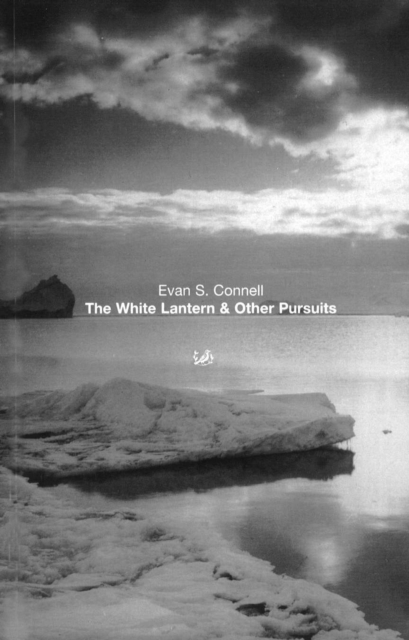
Never has master storyteller Evan Connell been more enthralling than in these incandescent pages - tales of real-life adventure ranging from the archaeology of Olduvai gorge to the exploration of the Antarctic; from Viking voyages to an Ice Age xylophone.
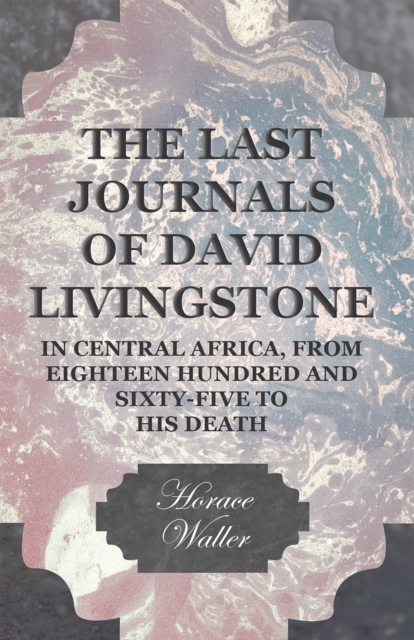
This book (first published in 1874) contains extracts from last journals written by David Livingstone, together with an account of his last moments and sufferings.
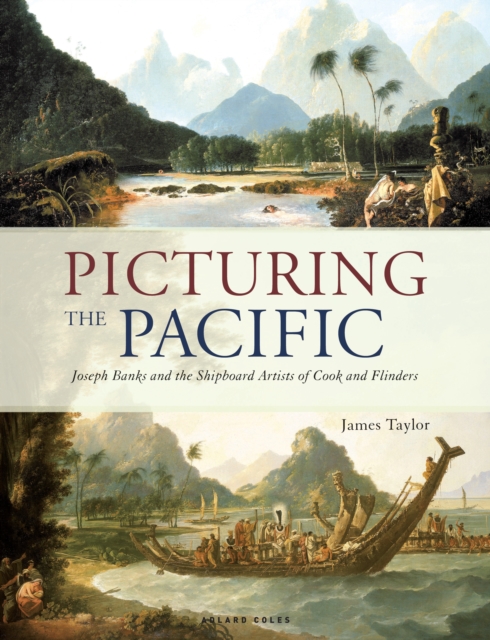
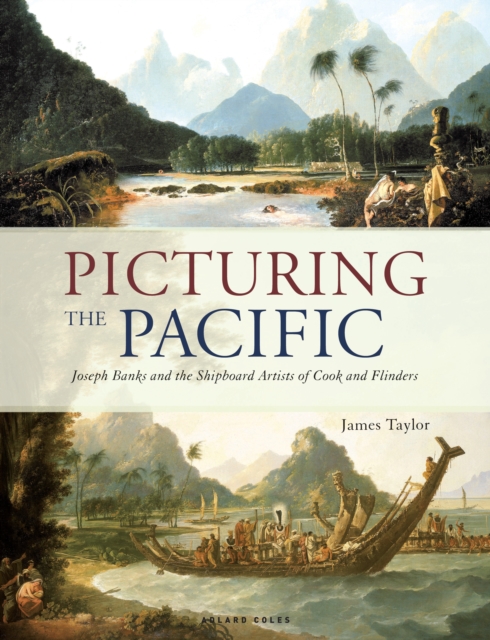
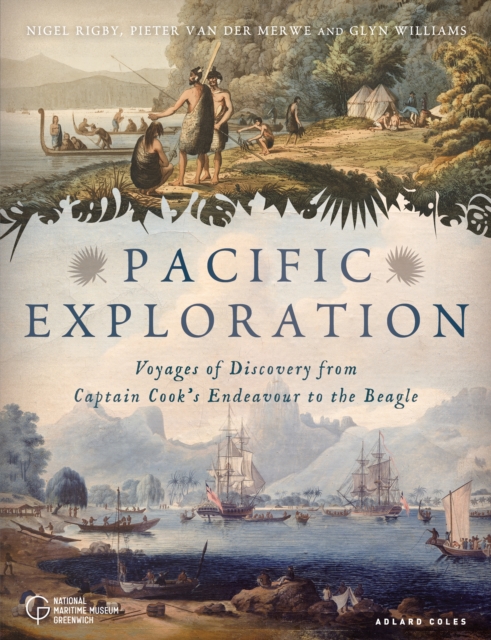
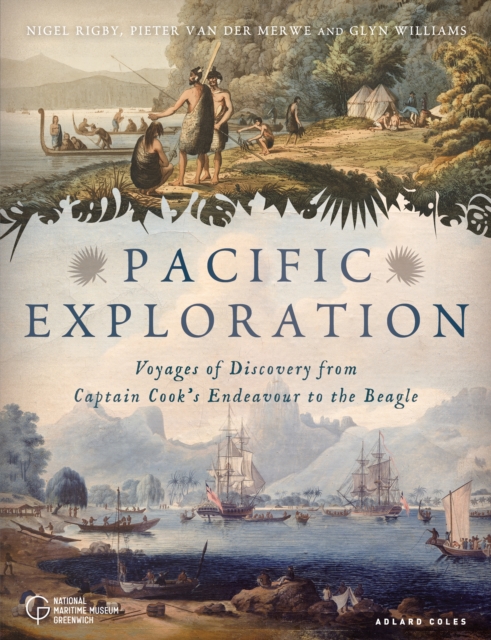
For over 50 years between the 1760s and the early 19th century, the pioneers who sailed from Europe to explore the Pacific brought back glimpses of a new world in the form of oil paintings, watercolors and drawings--a sensational view of a part of the world few would ever see.
For over 50 years between the 1760s and the early 19th century, the pioneers who sailed from Europe to explore the Pacific brought back glimpses of a new world in the form of oil paintings, watercolors and drawings--a sensational view of a part of the world few would ever see.
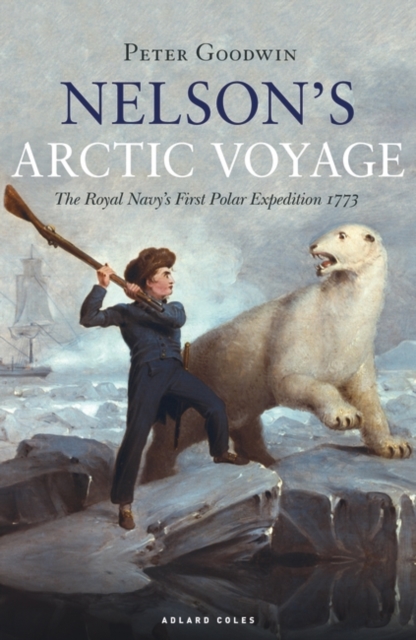
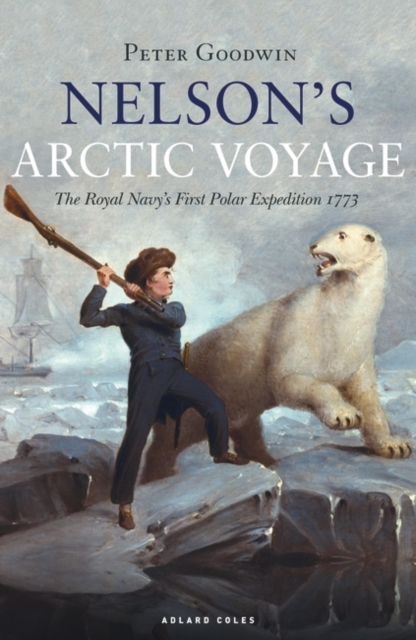
In the summer of 1773 the 14-year old Horatio Nelson took part in an expedition to the Arctic, which came close to ending his naval career before it had begun.
In the summer of 1773 the 14-year old Horatio Nelson took part in an expedition to the Arctic, which came close to ending his naval career before it had begun.
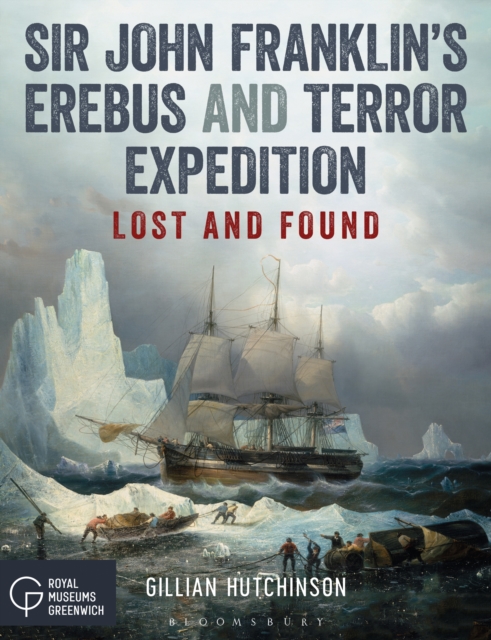
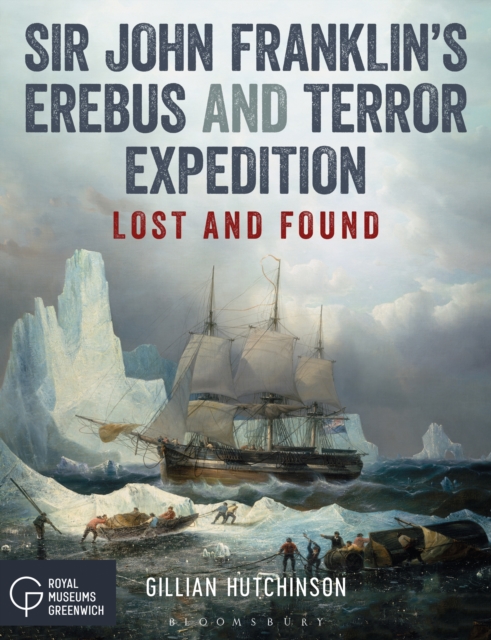
In 1845, British explorer Sir John Franklin set out on a voyage to find the North-West Passage the sea route linking the Atlantic Ocean to the Pacific.
In 1845, British explorer Sir John Franklin set out on a voyage to find the North-West Passage the sea route linking the Atlantic Ocean to the Pacific.
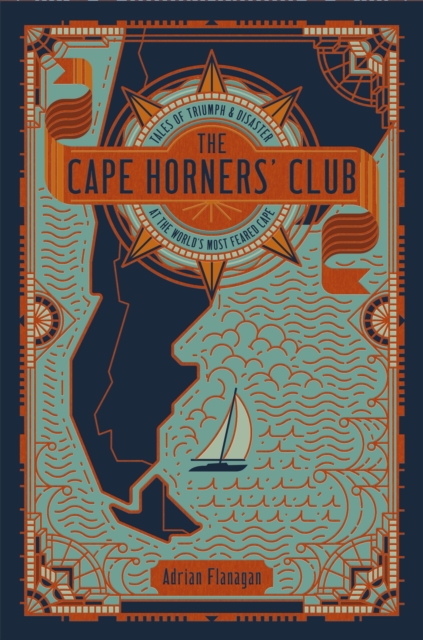
Cape Horn's fearsome reputation and the price it has exacted from those who venture there derives from a lethal contrivance of geography that unleashes the most powerful natural dynamic forces on the earth's surface.