An award'winning environmental historian explores American history through wrenching, tragic, and sometimes humorous stories of getting lost The human species has a propensity for getting lost.
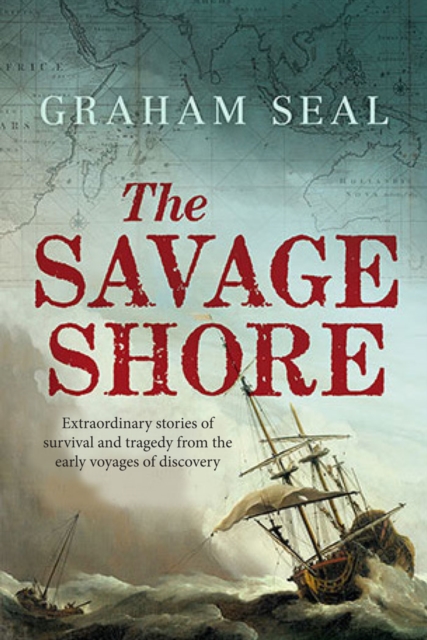
For centuries before the arrival in Australia of Captain Cook and the so-called First Fleet in 1788, intrepid seafaring explorers had been searching, with varied results, for the fabled “Great Southland.
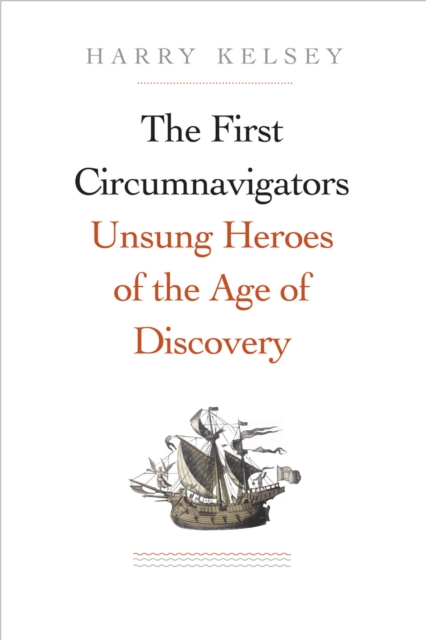
Prior histories of the first Spanish mariners to circumnavigate the globe in the sixteenth century have focused on Ferdinand Magellan and the other illustrious leaders of these daring expeditions.
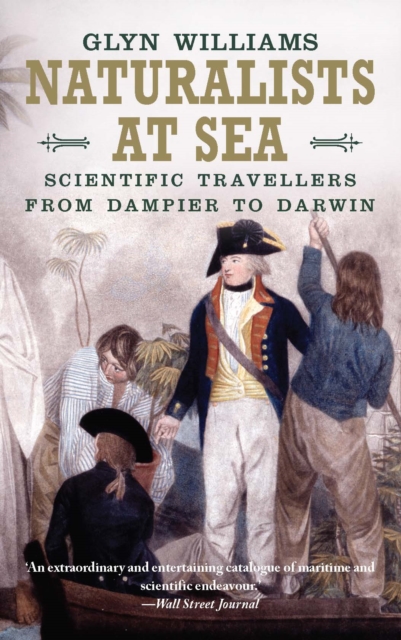
Tales of the intrepid early naturalists who set sail on dangerous voyages of discovery in the vast, unknown Pacific On the great Pacific discovery expeditions of the “long eighteenth century,” naturalists for the first time were commonly found aboard ships sailing forth from European ports.
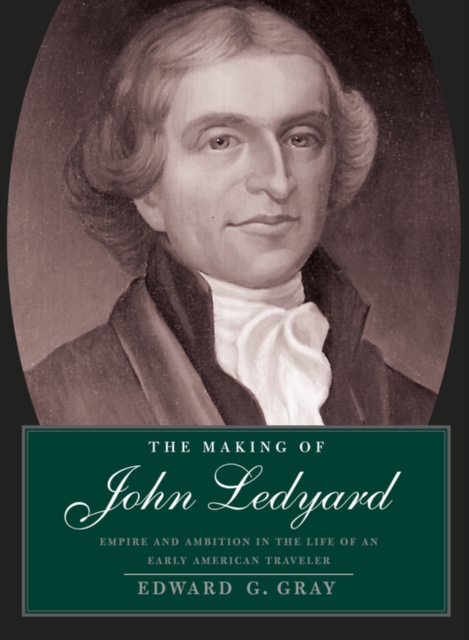
During the course of his short but extraordinary life, John Ledyard (1751–1789) came in contact with some of the most remarkable figures of his era: the British explorer Captain James Cook, American financier Robert Morris, Revolutionary naval commander John Paul Jones, Benjamin Franklin, Thomas Jefferson, and others.
Richard Hakluyt the younger, a contemporary of William Shakespeare, advocated the creation of English colonies in the New World at a time when the advantages of this idea were far from self-evident.
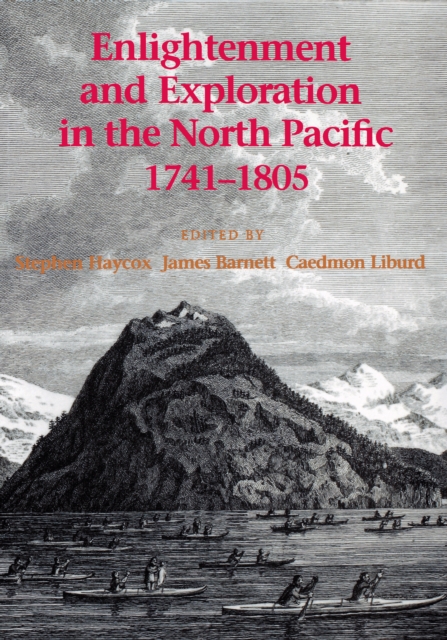
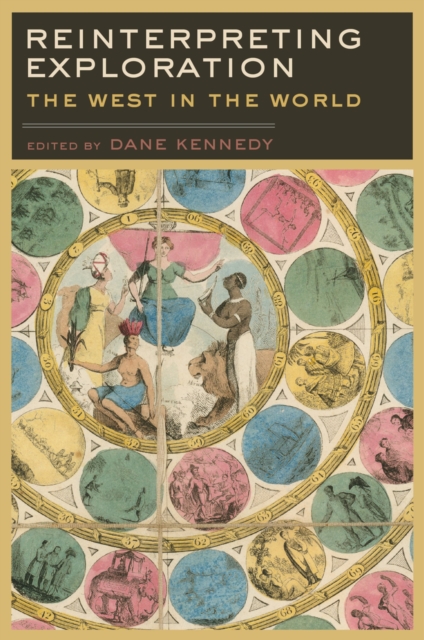
Saluting an era of adventure and knowledge seeking, fifteen original essays consider the motivations of European explorers of the Pacific, the science and technology of 18th-century exploration, and the significance of Spanish, French, and British voyages.
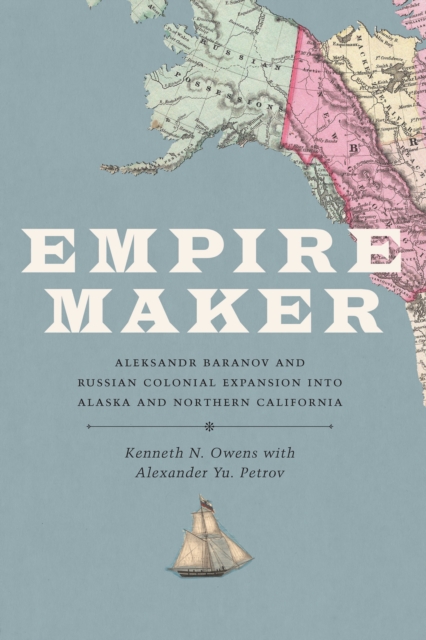
A native of northern Russia, Alexander Baranov was a middle-aged merchant trader with no prior experience in the fur trade when, in 1790, he arrived in North America to assume command over Russias highly profitable sea otter business.
WINNER OF THE TELEGRAPH BEST SPORTS WRITING AWARD 2021SHORTLISTED FOR THE COSTA BIOGRAPHY AWARD 2021'One of the best books ever written about the early attempts to conquer Everest.
Inspired by hopes of both riches and of converting native people to Christianity, the Spanish adventurers of the fifteenth century convinced themselves that an earthly paradise existed in the Caribbean.
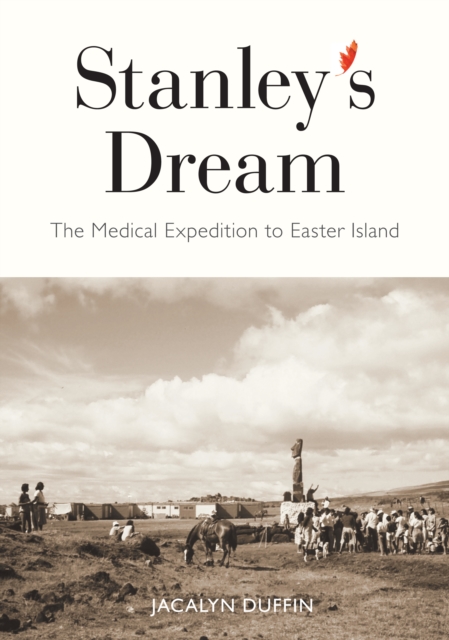
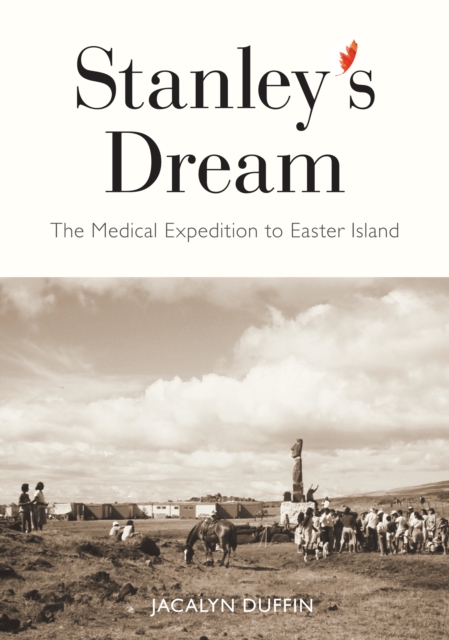
In 1964-65, an international team of thirty-eight scientists and assistants, led by Montreal physician Stanley Skoryna, sailed to the mysterious Rapa Nui (Easter Island) to conduct an unprecedented survey of its biosphere.
In 1964-65, an international team of thirty-eight scientists and assistants, led by Montreal physician Stanley Skoryna, sailed to the mysterious Rapa Nui (Easter Island) to conduct an unprecedented survey of its biosphere.
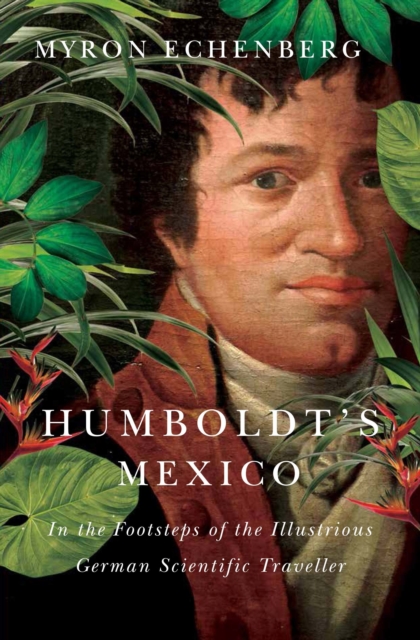
The incalculable influence of Alexander von Humboldt (1769-1859) on biology, botany, geology, and meteorology deservedly earned him the reputation as the world's most illustrious scientist before Charles Darwin.
With our access to Google Maps, Global Positioning Systems, and Atlases that cover all regions and terrains and tell us precisely how to get from one place to another, we tend to forget there was ever a time when the world was unknown and uncharted--a mystery waiting to be solved.
With our access to Google Maps, Global Positioning Systems, and Atlases that cover all regions and terrains and tell us precisely how to get from one place to another, we tend to forget there was ever a time when the world was unknown and uncharted--a mystery waiting to be solved.
We live in an age of globalization on every conceivable level, but globalization has a deeper history than politicians and pundits often allow, and nothing is more significant to its history than exploration.
We live in an age of globalization on every conceivable level, but globalization has a deeper history than politicians and pundits often allow, and nothing is more significant to its history than exploration.
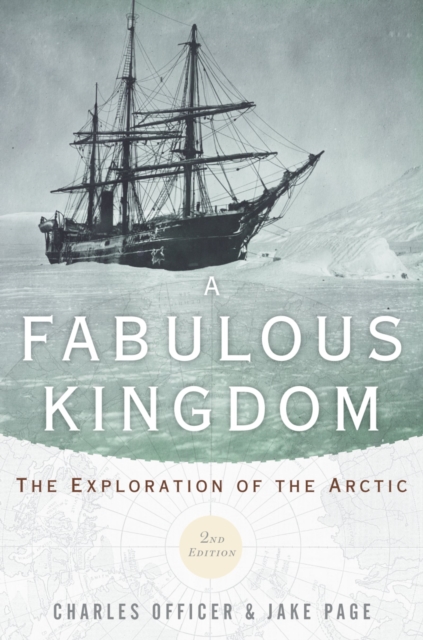
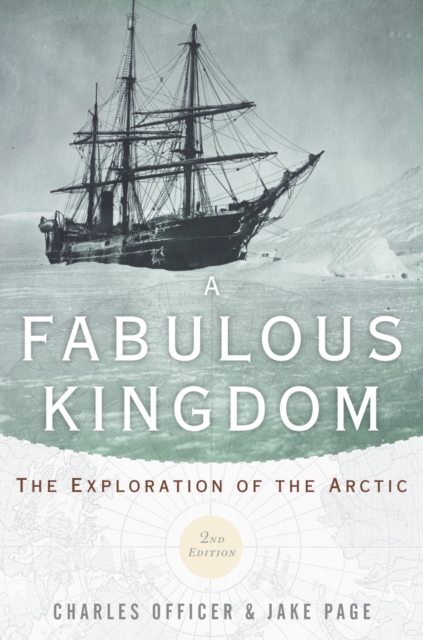
Inconstant and forbidding, the arctic has lured misguided voyagers into the cold for centuries--pushing them beyond the limits of their knowledge, technology, and endurance.
Inconstant and forbidding, the arctic has lured misguided voyagers into the cold for centuries--pushing them beyond the limits of their knowledge, technology, and endurance.
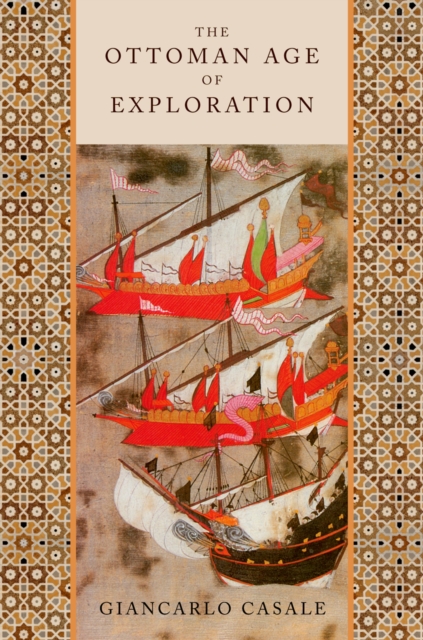
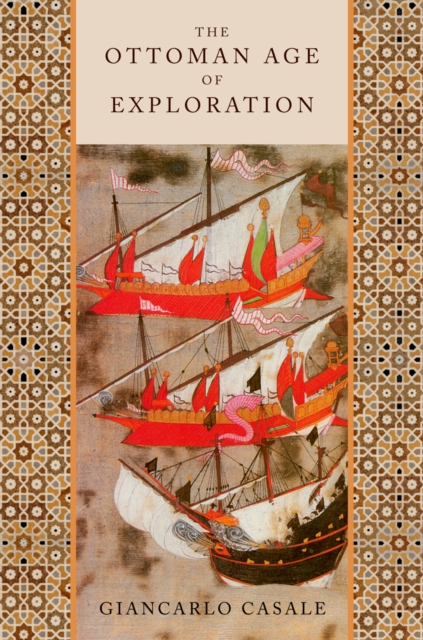
In 1517, the Ottoman Sultan Selim "e;the Grim"e; conquered Egypt and brought his empire for the first time in history into direct contact with the trading world of the Indian Ocean.
In 1517, the Ottoman Sultan Selim "e;the Grim"e; conquered Egypt and brought his empire for the first time in history into direct contact with the trading world of the Indian Ocean.
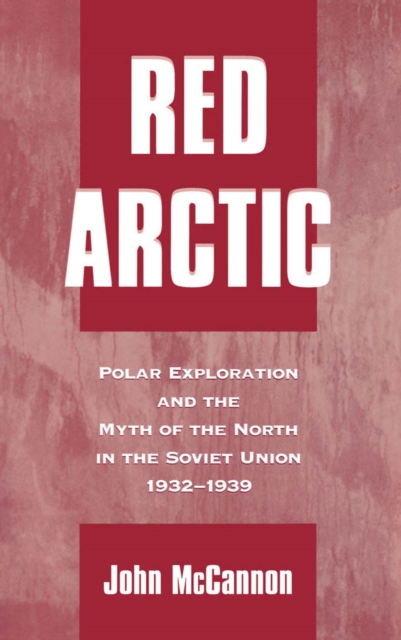
A work of refreshing originality and vivid appeal, Red Arctic tells the story of Stalinist Russia's massive campaign to explore and develop its Northern territories during the 1930s.
A little over 170 years ago--hardly a moment on the clock of history--one half of the United States was empty of all but Indians and the plants and game on which they subsisted.
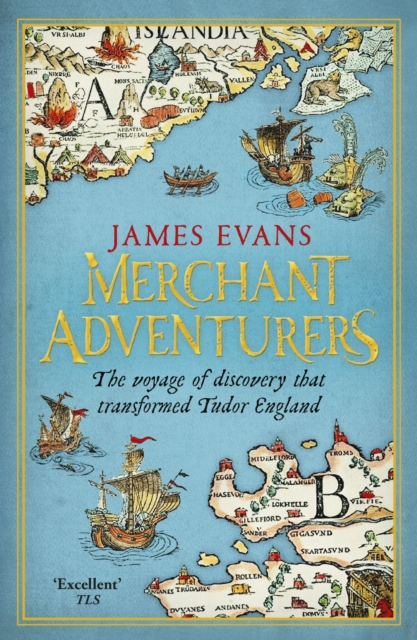
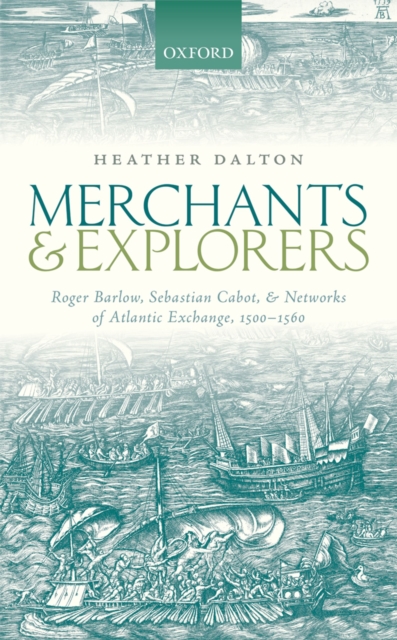
In the early sixteenth century, a young English sugar trader spent a night at what is now the port of Agadir in Morocco, watching from the tenuous safety of the Portuguese fort as the local tribesmen attacked the 'Moors'.
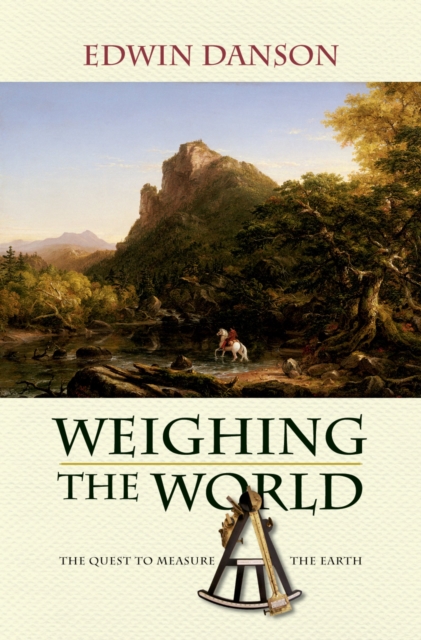
From the Bronze Age mariners of the Mediterranean to contemporary sailors using satellite-based technologies, the history of navigation at sea, the art of finding a position and setting a course, is fascinating.
From the Bronze Age mariners of the Mediterranean to contemporary sailors using satellite-based technologies, the history of navigation at sea, the art of finding a position and setting a course, is fascinating.
In 2015, annual average atmospheric carbon dioxide (CO2) levels surpassed a level of 400 parts per million (ppm) for the first time in three million years.
In 2015, annual average atmospheric carbon dioxide (CO2) levels surpassed a level of 400 parts per million (ppm) for the first time in three million years.