"e;An engrossing portrait"e; IndependentBased on a lifetime living in and reporting on Germany and Central Europe, award-winning journalist and author Peter Millar tackles the fascinating and complex story of the people at the heart of our continent.
Gathering together Ruth Wilson Gilmore's work from over three decades, Abolition Geography presents her singular contribution to the politics of abolition as theorist, researcher, and organizer, offering scholars and activists ways of seeing and doing to help navigate our turbulent present.
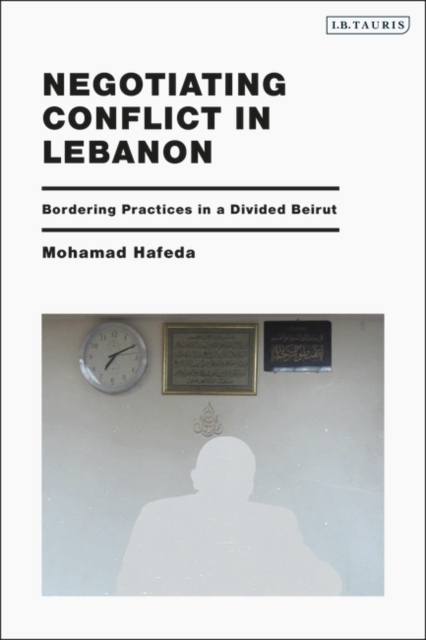
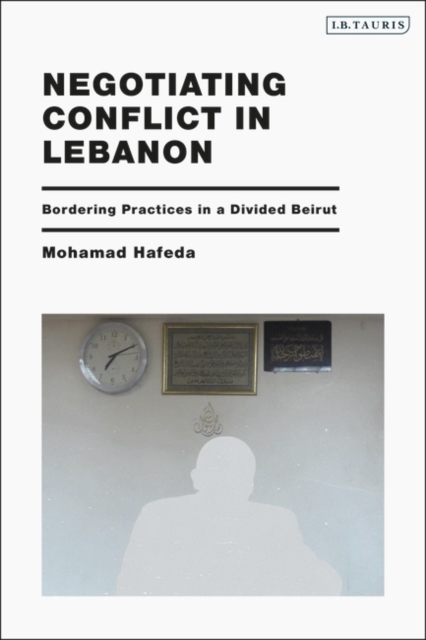
Drawing on innovative research into sectarian-political struggle in Beirut, Mohamad Hafeda shows how boundaries in a divided city are much more than simple physical divisions and reveals the ways in which city dwellers both experience them and subvert them in unexpected ways.
Drawing on innovative research into sectarian-political struggle in Beirut, Mohamad Hafeda shows how boundaries in a divided city are much more than simple physical divisions and reveals the ways in which city dwellers both experience them and subvert them in unexpected ways.
From the United States to the United Kingdom and from China to India, growing inequality has led to social discontent and the emergence of populist parties, also contributing to economic crises.
From the United States to the United Kingdom and from China to India, growing inequality has led to social discontent and the emergence of populist parties, also contributing to economic crises.
In Between the Seas, Deborah Paci takes a comparative view of islandness in island identities through case studies of islands in the Baltic and Mediterranean Seas.
In Between the Seas, Deborah Paci takes a comparative view of islandness in island identities through case studies of islands in the Baltic and Mediterranean Seas.
War and the City examines the geopolitical significance of the Lebanese Civil War through a micro-level exploration of how the urban landscape of Beirut was transformed by the conflict.
War and the City examines the geopolitical significance of the Lebanese Civil War through a micro-level exploration of how the urban landscape of Beirut was transformed by the conflict.
Inspired by the "e;spatial turn,"e; this volume links for the first time the study of diplomacy and spatiality in the premodern Islamicate world to understand practices and meanings ascribed to territory and realms.
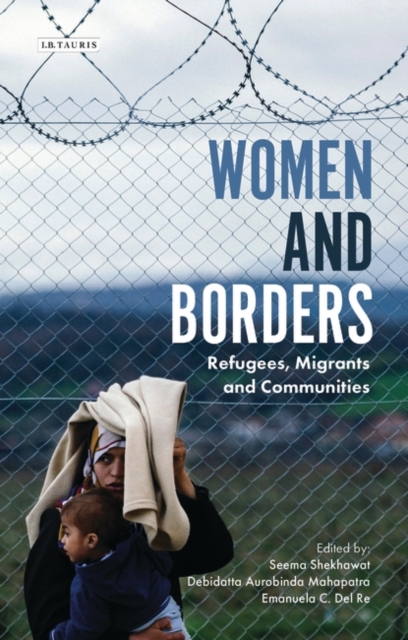
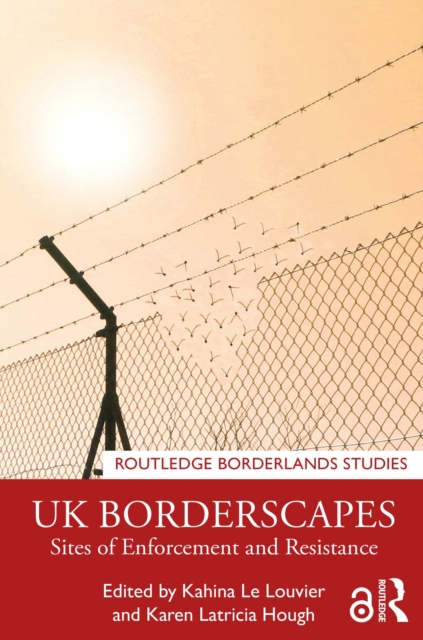
This book analyses bordering practices and their negative effects as well as the many creative and often grassroots ways in which borders are resisted and reinvented.
This book analyses bordering practices and their negative effects as well as the many creative and often grassroots ways in which borders are resisted and reinvented.
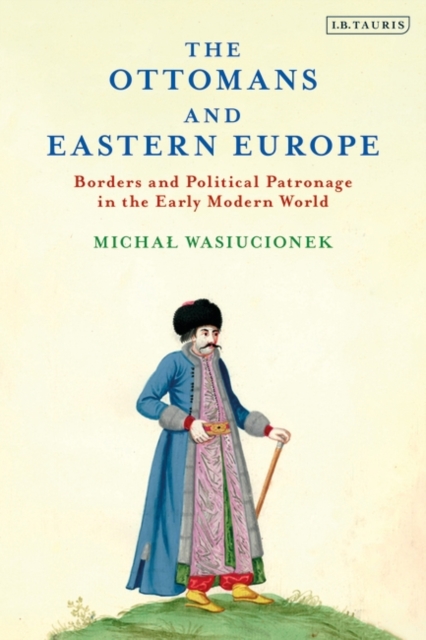
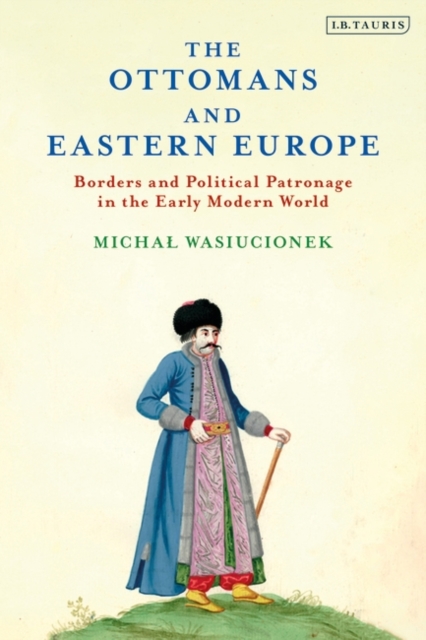
In the seventeenth century, previously peaceful relations between the Ottoman Empire and the Polish-Lithuanian Commonwealth deteriorated into a series of military confrontations over the principalities of Moldavia and Wallachia.
In the seventeenth century, previously peaceful relations between the Ottoman Empire and the Polish-Lithuanian Commonwealth deteriorated into a series of military confrontations over the principalities of Moldavia and Wallachia.
This book critiques how impoverished communities are represented by politicians, the media, academics and policy makers - and how our understanding of these neighbourhoods is, often misleadingly, shaped by these stories.
Space Invaders argues for the importance of a radical geographic perspective in enabling us to make sense of protests and social movements around the world.
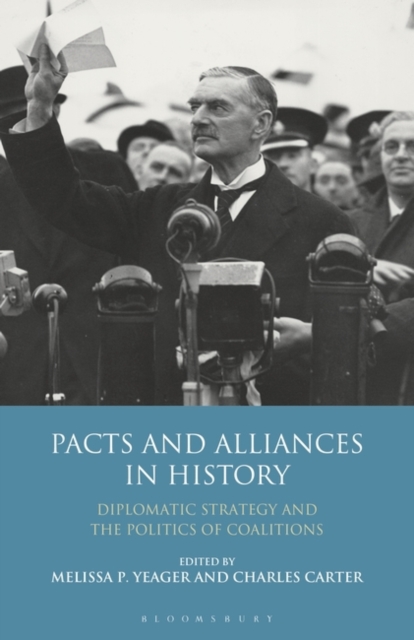
Agreements between nations constitute the fundamental framework for the ordering of international affairs; and their successes and failures have led to some of the great turning points in modern history.
Shortlisted for the Deutscher Memorial Prize 2023This book presents an encompassing, detailed and thorough overview and reconstruction of Lefebvre's theory of space and of the urban.
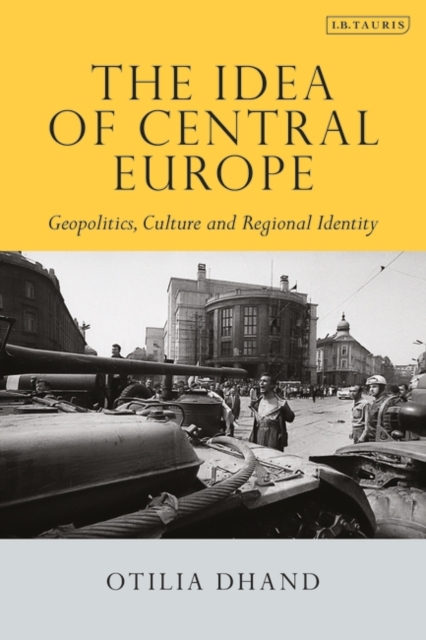
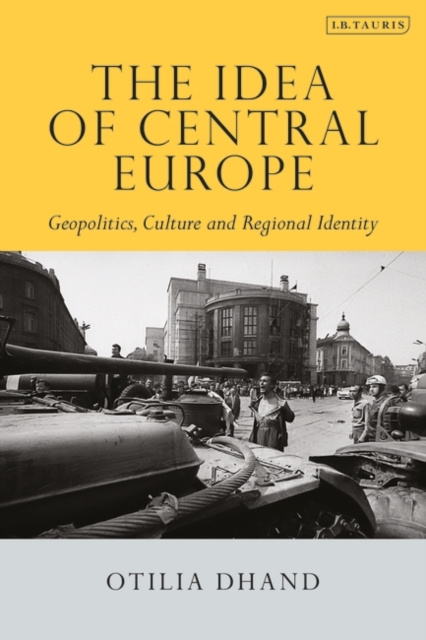
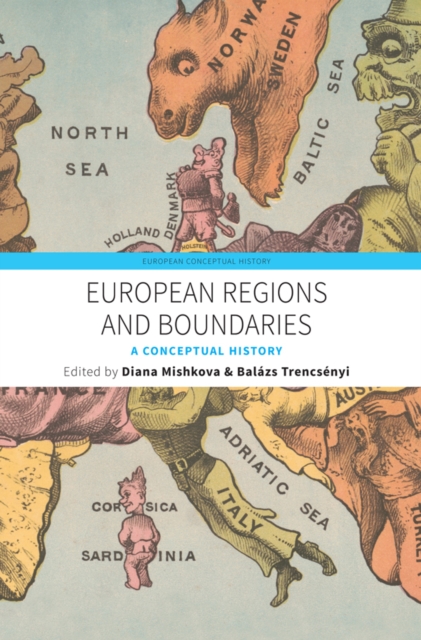
It is difficult to speak about Europe today without reference to its constitutive regions supra-national geographical designations such as Scandinavia, Eastern Europe, and the Balkans.
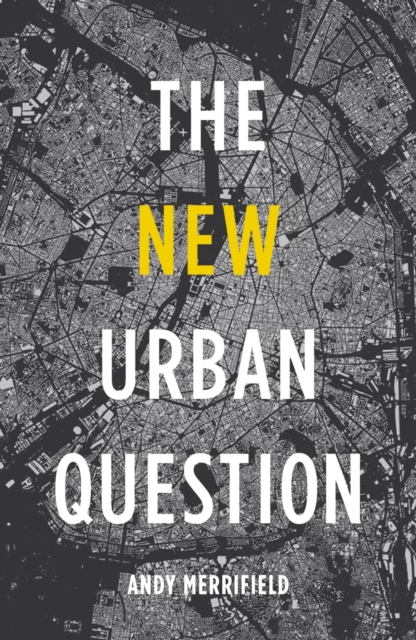
The New Urban Question is an exuberant and illuminating adventure through our current global urban condition, tracing the connections between radical urban theory and political activism.