From Tahrir Square to Occupy, from the Red Shirts in Thailand to the Teachers in Oaxaca, protest camps are a highly visible feature of social movements' activism across the world.
From Tahrir Square to Occupy, from the Red Shirts in Thailand to the Teachers in Oaxaca, protest camps are a highly visible feature of social movements' activism across the world.
El escenario global de fines del siglo pasado e inicios del siglo XXI se caracteriza por la disputa entre grandes capitales transnacionales y por la apropiación de nuevos espacios como surtidores de recursos naturales, estas disputas se inscriben en el proceso histórico de la expansión de las fronteras de la ecología y el mundo capitalista.
Tensions between the US and China have escalated as both powers seek to draw countries into their respective political and economic orbits by financing and constructing infrastructure.
Tensions between the US and China have escalated as both powers seek to draw countries into their respective political and economic orbits by financing and constructing infrastructure.
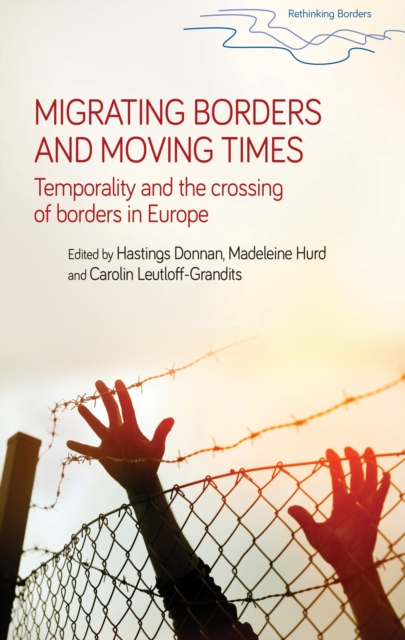
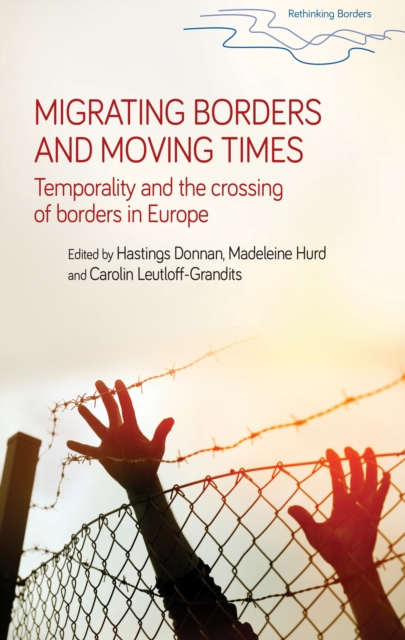
Migrating borders and moving timesanalyses migrant border crossings in relation to their everyday experiences of time and connects these to wider social and political structures.
Migrating borders and moving timesanalyses migrant border crossings in relation to their everyday experiences of time and connects these to wider social and political structures.
Desert Borderland investigates the historical processes that transformed political identity in the easternmost reaches of the Sahara Desert in the half century before World War I.
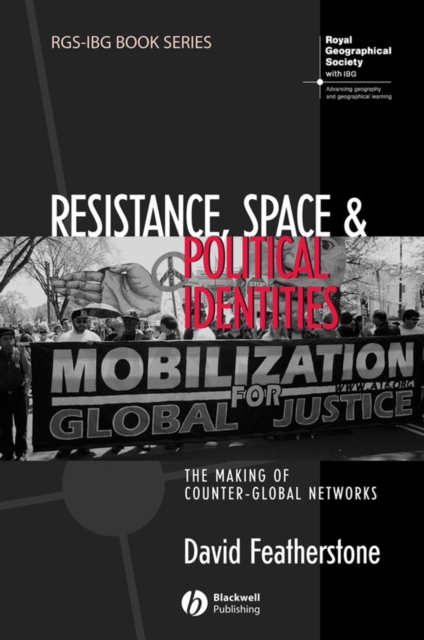
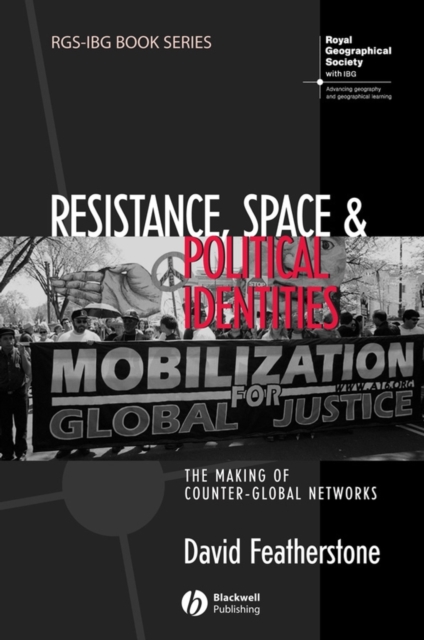
Utilizing research on networked struggles in both the 18th-century Atlantic world and our modern day, Resistance, Space and Political Identities: The Making of Counter-Global Networks challenges existing understandings of the relations between space, politics, and resistance to develop an innovative account of networked forms of resistance and political activity.
Utilizing research on networked struggles in both the 18th-century Atlantic world and our modern day, Resistance, Space and Political Identities: The Making of Counter-Global Networks challenges existing understandings of the relations between space, politics, and resistance to develop an innovative account of networked forms of resistance and political activity.
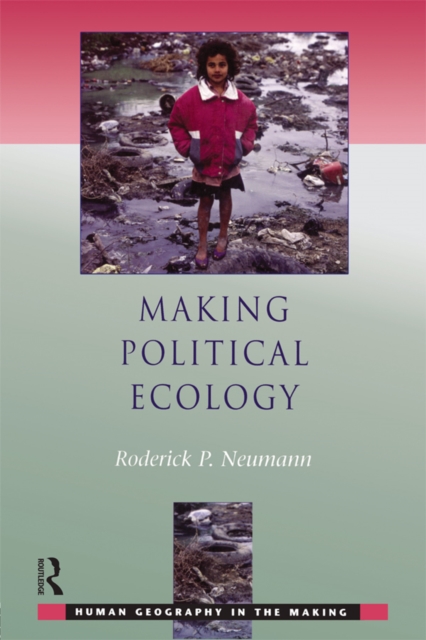
Making Political Ecology presents a comprehensive view of an important new field in human geography and interdisciplinary studies of nature-society relations.
Bringing together many of the leading human geographers from around the English-speaking world, Envisioning Human Geographies offers a series of personal visions for the future of human geography.
This anthology of research is divided into five sections: definition of the urban system, structural characteristics, distribution of urban growth, transportation networks and interaction between cities, and the impact of growth on urban behaviour and the rural economy.
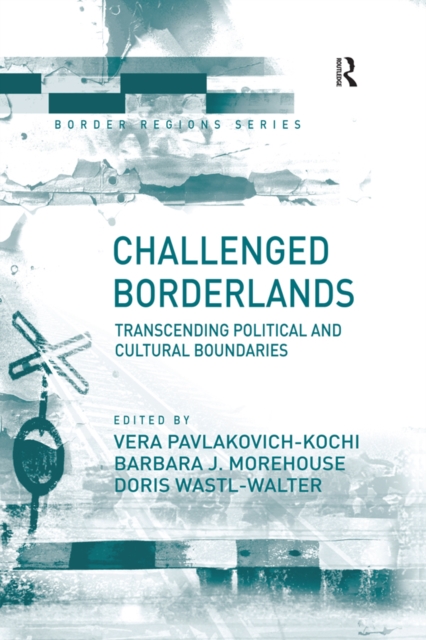
In the wake of globalization, numerous social scientists are turning to concepts of mobility, fluidity and hybridity to characterize a presumed de-territorialization and de-bordering of contemporary social and economic relations.
In the wake of globalization, numerous social scientists are turning to concepts of mobility, fluidity and hybridity to characterize a presumed de-territorialization and de-bordering of contemporary social and economic relations.
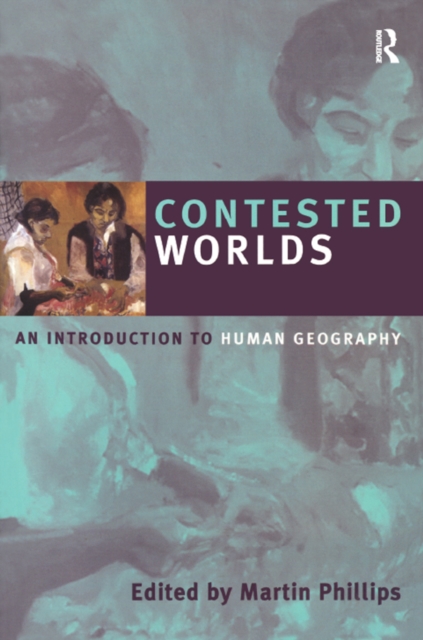
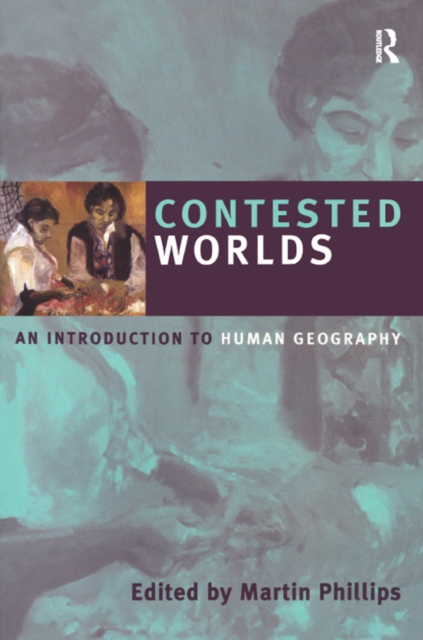
Contested Worlds provides an introduction both to a multitude of geographical worlds which are currently being actively constructed and contested, and to a range of different perspectives on these worlds being adopted and contested by geographers.
Contested Worlds provides an introduction both to a multitude of geographical worlds which are currently being actively constructed and contested, and to a range of different perspectives on these worlds being adopted and contested by geographers.
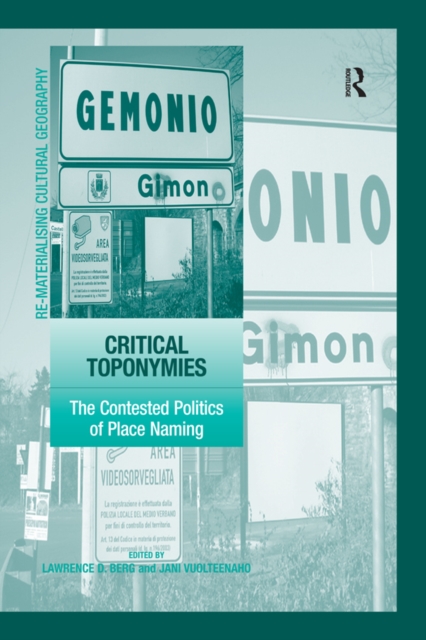
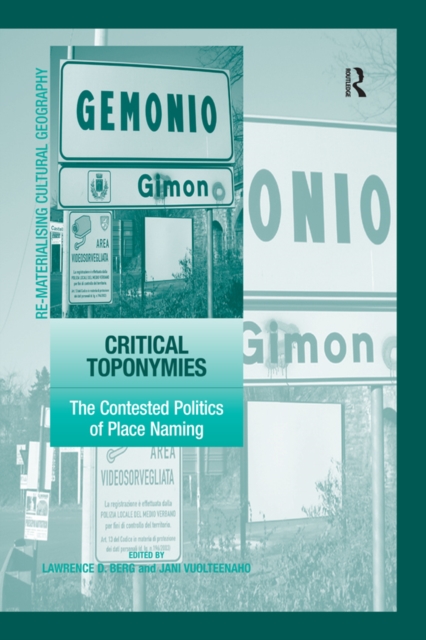
While place names have long been studied by a few devoted specialists, approaches to them have been traditionally empiricist and uncritical in character.
While place names have long been studied by a few devoted specialists, approaches to them have been traditionally empiricist and uncritical in character.