In the past decade, urban regeneration policy makers and practitioners have faced a number of difficult challenges, such as sustainability, budgetary constraints, demands for community involvement and rapid urbanization in the Global South.
In the past decade, urban regeneration policy makers and practitioners have faced a number of difficult challenges, such as sustainability, budgetary constraints, demands for community involvement and rapid urbanization in the Global South.
The formation of transnational urban spaces is a relevant and challenging field of interdisciplinary research, which deserves much more debate in order to deepen our understanding of generating and restructuring urban spaces under conditions of contemporary globalisation processes.
The formation of transnational urban spaces is a relevant and challenging field of interdisciplinary research, which deserves much more debate in order to deepen our understanding of generating and restructuring urban spaces under conditions of contemporary globalisation processes.
As a result of global dynamics-the increasing interconnection of people and places-innovations in global environmental governance haved altered the role of cities in shaping the future of the planet.
As a result of global dynamics-the increasing interconnection of people and places-innovations in global environmental governance haved altered the role of cities in shaping the future of the planet.
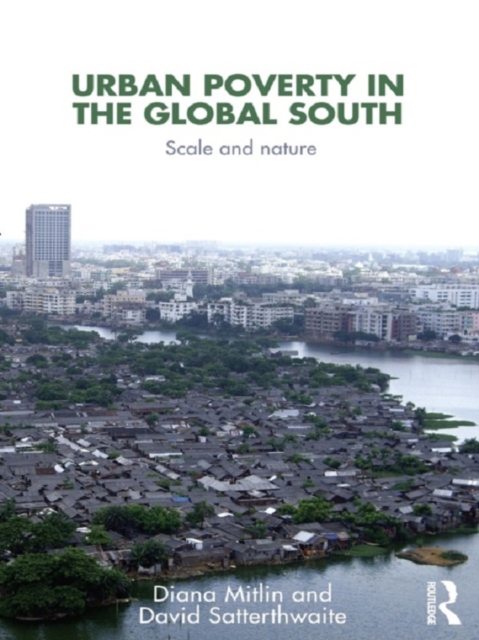
Urban areas in the Global South now house most of the world's urban population and are projected to house almost all its increase between now and 2030.
Urban areas in the Global South now house most of the world's urban population and are projected to house almost all its increase between now and 2030.
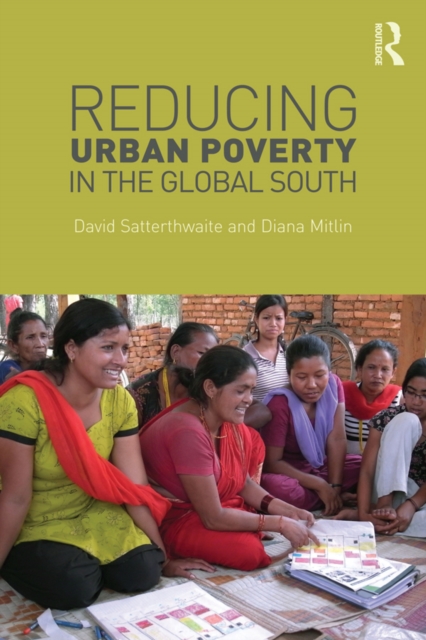
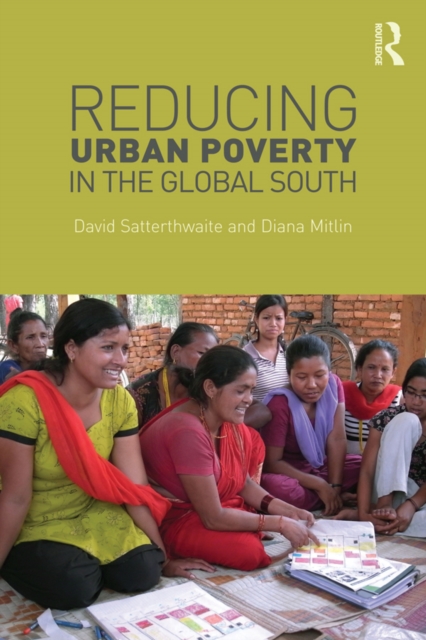
One in seven of the world's population live in poverty in urban areas, and the vast majority of these live in the Global South - mostly in overcrowded informal settlements with inadequate water, sanitation, health care and schools provision.
One in seven of the world's population live in poverty in urban areas, and the vast majority of these live in the Global South - mostly in overcrowded informal settlements with inadequate water, sanitation, health care and schools provision.
The urban world is an exciting terrain for investigating the central institutions, structures and problems of the social world and how they have transformed through the last 200 years.
The urban world is an exciting terrain for investigating the central institutions, structures and problems of the social world and how they have transformed through the last 200 years.
This textbook provides an up-to-date, comprehensive and fully integrated treatment of retailing as a) and industry, b) a force shaping social attitudes and contemporary culture, and c) a force for change in modern townscapes.
This textbook provides an up-to-date, comprehensive and fully integrated treatment of retailing as a) and industry, b) a force shaping social attitudes and contemporary culture, and c) a force for change in modern townscapes.
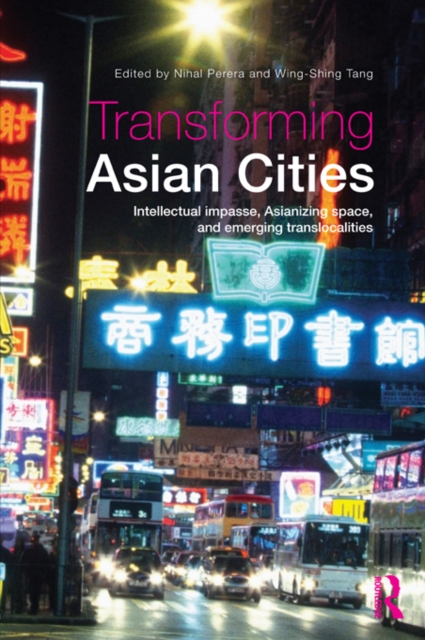
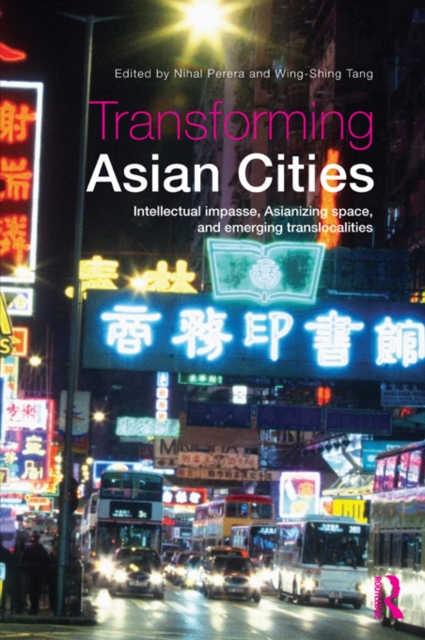
The cities of Asia and the Pacific are at the epicentre of development in what is arguably, the most populous, culturally distinctive, and economically powerful region in the world.
The cities of Asia and the Pacific are at the epicentre of development in what is arguably, the most populous, culturally distinctive, and economically powerful region in the world.
The whole landscape of research in urban studies was revolutionized by the publication of Richard Florida's The Rise of the Creative Class in 2002, and his subsequent book entitled The Flight of the Creative Class has helped to maintain a decade-long explosion of interest in the field.
The whole landscape of research in urban studies was revolutionized by the publication of Richard Florida's The Rise of the Creative Class in 2002, and his subsequent book entitled The Flight of the Creative Class has helped to maintain a decade-long explosion of interest in the field.
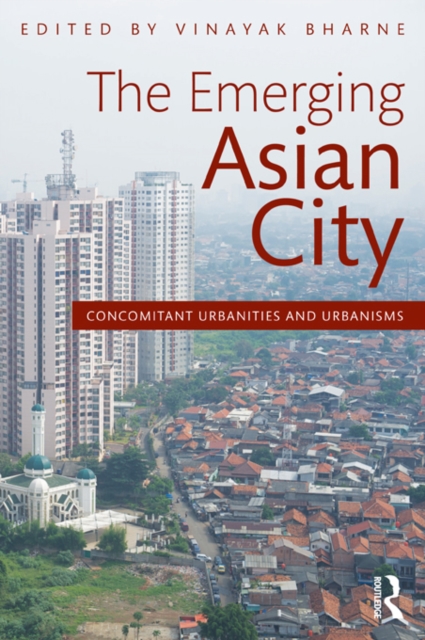
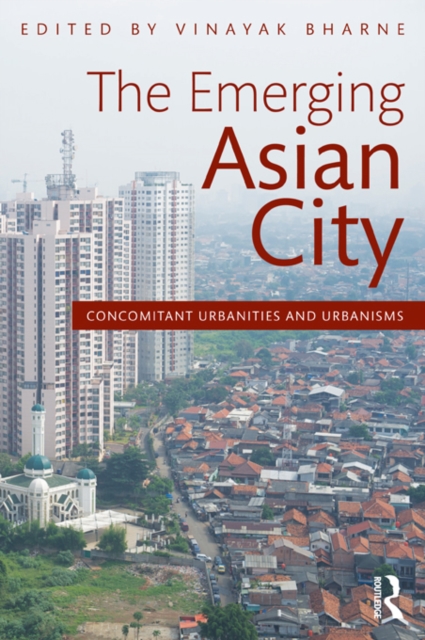
The Asian urban landscape contains nearly half of the planet's inhabitants and more than half of its slum population living in some of its oldest and densest cities.
The Asian urban landscape contains nearly half of the planet's inhabitants and more than half of its slum population living in some of its oldest and densest cities.
Despite the fact that virtually all urban growth is occurring, and will continue to occur, in the cities of the Global South, the conceptual tools used to study cities are distilled disproportionately from research on the highly developed cities of the Global North.
While there is no lack of studies on Asian cities, the majority focus on financial districts, poverty, the slum, tradition, tourism, and pollution, and use the modern, affluent, and transforming Western city as the reference point.
While there is no lack of studies on Asian cities, the majority focus on financial districts, poverty, the slum, tradition, tourism, and pollution, and use the modern, affluent, and transforming Western city as the reference point.
Despite the fact that virtually all urban growth is occurring, and will continue to occur, in the cities of the Global South, the conceptual tools used to study cities are distilled disproportionately from research on the highly developed cities of the Global North.