This book presents new directions both for tourism and cultural landscape studies in geography, crossing the traditional boundaries between the research of geographers and scholars of the tourism industry.
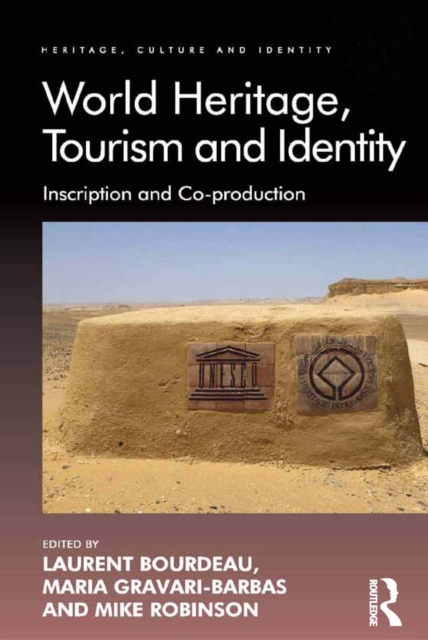
The remarkable success of the 1972 UNESCO Convention Concerning the Protection of World Cultural and Natural Heritage is borne out by the fact that nearly 1,000 properties have now been designated as possessing Outstanding Universal Value and recognition given to the imperative for their protection.
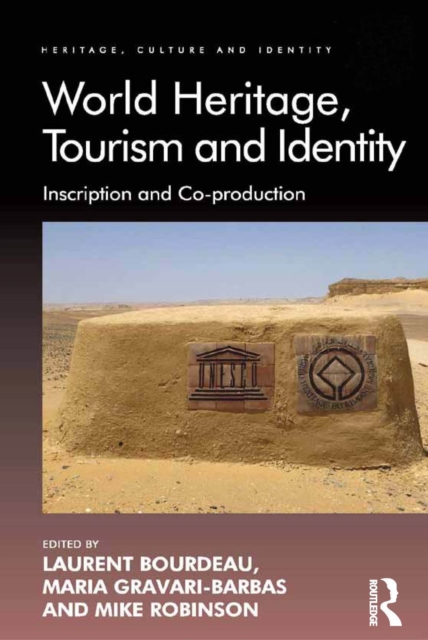
The remarkable success of the 1972 UNESCO Convention Concerning the Protection of World Cultural and Natural Heritage is borne out by the fact that nearly 1,000 properties have now been designated as possessing Outstanding Universal Value and recognition given to the imperative for their protection.
Distinguishing between sustainable development and sustainable tourism, the authors examine whether, and in what form, tourism can contribute to sustainable development and growth.
Distinguishing between sustainable development and sustainable tourism, the authors examine whether, and in what form, tourism can contribute to sustainable development and growth.
The Economic Geography of the Tourist Industry bridges the gap between tourism research and economic geography by bringing together leading academics in geography, planning and tourism.
This book examines the interrelationship between telecommunications and tourism in shaping the nature of space, place and the urban at the end of the twentieth century.
This book examines the interrelationship between telecommunications and tourism in shaping the nature of space, place and the urban at the end of the twentieth century.
Increasingly significant as mediators of spatial identity and meaning, leisure, tourism, culture and heritage are only now beginning to be located within the rapidly evolving discourses of poststructuralist geographies.
Increasingly significant as mediators of spatial identity and meaning, leisure, tourism, culture and heritage are only now beginning to be located within the rapidly evolving discourses of poststructuralist geographies.
Celtic Geographies questions traditional conceptualizations of Celticity that rely on an homogenous interpretation of what it means to be a Celt in contemporary society.
Celtic Geographies questions traditional conceptualizations of Celticity that rely on an homogenous interpretation of what it means to be a Celt in contemporary society.
As the tourist industry becomes increasingly important to communities around the world, the need to develop tourism in a sustainable manner has also become a primary concern.
As the tourist industry becomes increasingly important to communities around the world, the need to develop tourism in a sustainable manner has also become a primary concern.
This book examines the interrelationship between telecommunications and tourism in shaping the nature of space, place and the urban at the end of the twentieth century.
This book examines the interrelationship between telecommunications and tourism in shaping the nature of space, place and the urban at the end of the twentieth century.
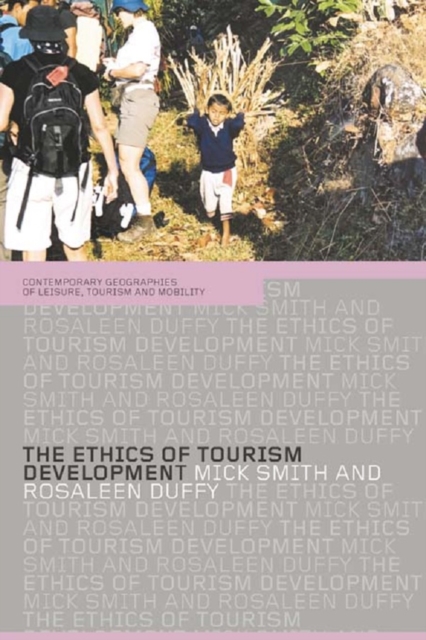
Drawing upon a variety of important philosophical traditions, this book develops an original perspective on the relations between ethical, economic and aesthetic values in a tourism context.
Ever since China and Vietnam resumed diplomatic contacts and reopened the border in 1991, the borderland region has become part of the vibrant growing economies of both countries and drawn many from the interior provinces to the borderland for new economic adventures.
Ever since China and Vietnam resumed diplomatic contacts and reopened the border in 1991, the borderland region has become part of the vibrant growing economies of both countries and drawn many from the interior provinces to the borderland for new economic adventures.
Drawing upon a variety of important philosophical traditions, this book develops an original perspective on the relations between ethical, economic and aesthetic values in a tourism context.
This is the first volume to explicitly consider how leisure and tourism acts as a major focus by which power may be understood in a geographical context.
This is the first volume to explicitly consider how leisure and tourism acts as a major focus by which power may be understood in a geographical context.
Tourism, Ethnic Diversity and the City fills a gap in existing research in terms of how immigration relates to urban tourism and investigates the new theoretical insights and challenges for empirical research using informative case studies drawn from several advanced economies in Europe, North America and Australia.
Tourism, Ethnic Diversity and the City fills a gap in existing research in terms of how immigration relates to urban tourism and investigates the new theoretical insights and challenges for empirical research using informative case studies drawn from several advanced economies in Europe, North America and Australia.
The People's Republic of China has changed from a country which actively discouraged tourism into one of the major source markets for the international industry; the 35 million Chinese travelling across the border in 2005 are merely the tip of the iceberg.
The People's Republic of China has changed from a country which actively discouraged tourism into one of the major source markets for the international industry; the 35 million Chinese travelling across the border in 2005 are merely the tip of the iceberg.
In two regions where tourism is of considerable economic importance, eastern Asia and the Pacific, there have been remarkably few studies of the impacts of tourism in rural areas.
In two regions where tourism is of considerable economic importance, eastern Asia and the Pacific, there have been remarkably few studies of the impacts of tourism in rural areas.
This book examines Japanese tourism and travel, both today and in the past, showing how over hundreds of years a distinct culture of travel developed, and exploring how this has permeated the perceptions and traditions of Japanese society.
This book examines Japanese tourism and travel, both today and in the past, showing how over hundreds of years a distinct culture of travel developed, and exploring how this has permeated the perceptions and traditions of Japanese society.