An engaging and at times sobering look at the coexistence of humans and animals in the 21st century and how their sometimes disparate needs affect environments, politics, economies, and culture worldwide.
The National Road is a comprehensive history of the first federally financed interstate highway, an approximately 600-mile span that joined Maryland, Pennsylvania, West Virginia, Ohio, Indiana, and Illinois in the nineteenth century.
Over the course of the seventeenth and eighteenth centuries, the increasing accuracy and legibility of cartographic projections, the proliferation of empirically based chorographies, and the popular vogue for travel narratives served to order, package, and commodify space in a manner that was critical to the formation of a unified Britain.
Robert Riley has been a renowned figure in landscape studies for over fifty years, valued for his perceptive, learned, and highly entertaining articles, reviews, and essays.
This book explores contemporary migration by boat through the intertwined, and under-explored, elements of empirical data, governance and geopolitics, and discourses.
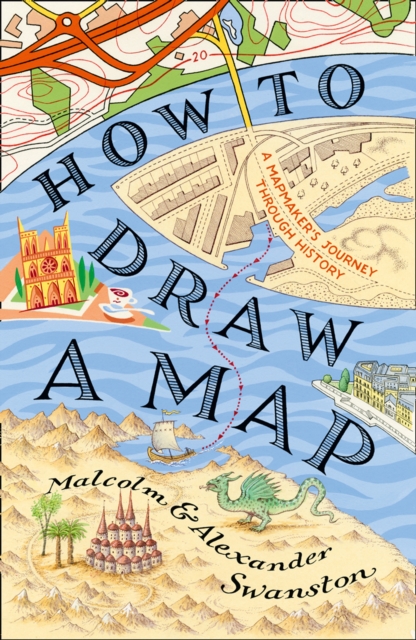
How to Draw a Map is a fascinating meditation on the centuries-old art of map-making, from the first astronomical maps to the sophisticated GPS guides of today.
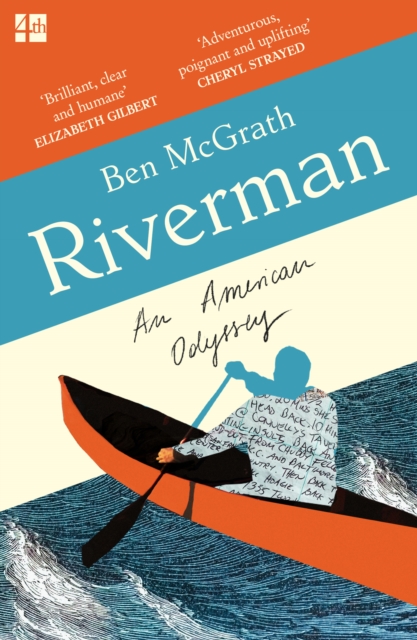
'Brilliant, clear, and humane' Elizabeth Gilbert'Miraculous and hopeful' Emma StraubRiverman: An American Odyssey uncovers the story of an extraordinary man and his puzzling disappearance, and paints a picture of the singular spirit of America's riverbank towns.
Ernesto Caravantes was among the multitudes of people who were affected by the Recession of 2008, the financial impact of which continues to be felt to this day.
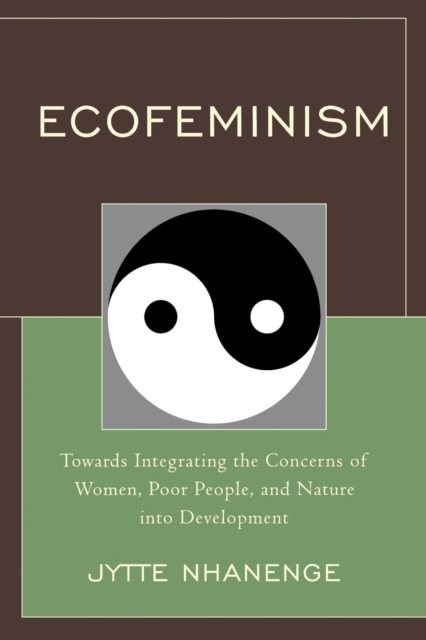
Ecofeminism is for those who desire to improve their understanding of the current crises of poverty, environmental destruction, violence, and human rights abuses, and their causes.
Using a mixed-method approach, Unintended Consequences of Human Actions documents a wide range of unintended and unanticipated consequences of human actions.
The Third World cities have been reinvented by the forces of globalization as the destinations of new investments, causing the migration of a teeming million to the major urban centers without any corresponding increase in the creation of new jobs and other basic amenities required for decent living.
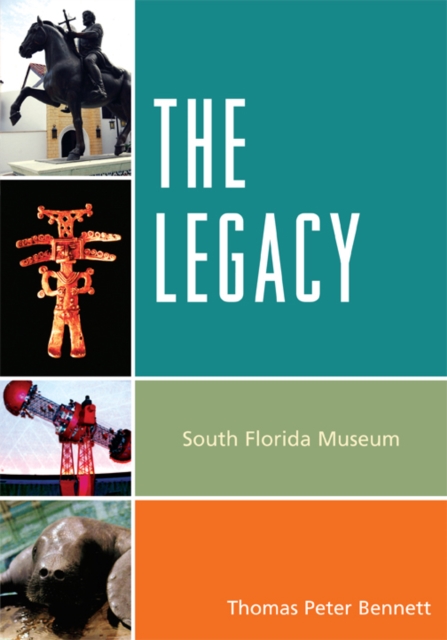
The Legacy: South Florida Museum is an account of the origins, founding, and development in twentieth-century Florida of a people's museum about archeology, Spanish exploration, manatees, and space.
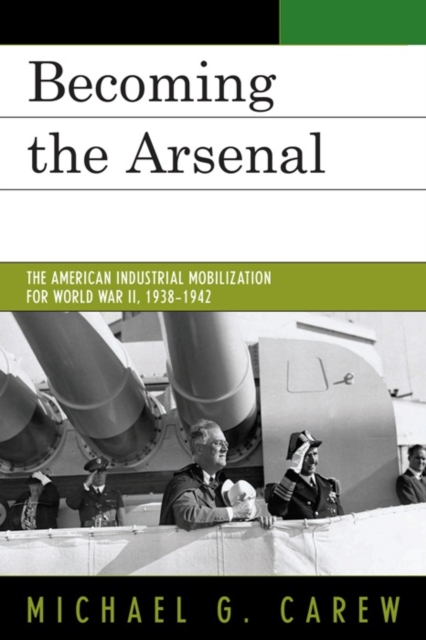
Becoming the Arsenal discusses one of the three signal events that transformed the relationship of government and the private sector in directing the American economy.
From the author:When Citadel Values went to press, we began looking for an educational tool to capture the lessons and fortify our students in the greater world beyond the Lesesne Gate.
Loisaida as Urban Laboratory is the first in-depth analysis of the network of Puerto Rican community activism in New York City's Lower East Side from 1964 to 2001.
Development Drowned and Reborn is a "e;Blues geography"e; of New Orleans, one that compels readers to return to the history of the Black freedom struggle there to reckon with its unfinished business.
Anthropologists, psychologists, feminists, and sociologists have long studied the "e;everyday,"e; the quotidian, the taken-for-granted; however, geographers have lagged behind in engaging with this slippery aspect of reality.
This book brings together key essays that seek to make visible and expand our understanding of the role of government (policies, programs, and investments) in shaping cities and metropolitan regions; the costs and consequences of uneven urban and regional growth patterns; suburban sprawl and public health, transportation, and economic development; and the enduring connection of place, space, and race in the era of increased globalization.
Public Los Angeles is a collection of unpublished essays by scholar Don Parson focusing on little-known characters and histories located in the first half of twentieth-century Los Angeles.
Subaltern Geographies is the first book-length discussion addressing the relationship between the historical innovations of subaltern studies and the critical intellectual practices and methodologies of cultural, urban, historical, and political geography.
Sovereignty is a term used by stateless people seeking decolonization as well as by dominant social groups struggling to reassert their socially privileged positions.
As do other mighty forces such as wars, nationalist aspirations, and the shifting courses of great rivers, globalization changes the world's borders by bending them out of shape and creating new transnational spaces.
This book brings together key essays that seek to make visible and expand our understanding of the role of government (policies, programs, and investments) in shaping cities and metropolitan regions; the costs and consequences of uneven urban and regional growth patterns; suburban sprawl and public health, transportation, and economic development; and the enduring connection of place, space, and race in the era of increased globalization.
As do other mighty forces such as wars, nationalist aspirations, and the shifting courses of great rivers, globalization changes the world's borders by bending them out of shape and creating new transnational spaces.
Growth in a Time of Change: Global and Country Perspectives on a New Agenda is the first of a two-book research project that addresses new issues and challenges for economic growth arising from ongoing significant change in the world economy, focusing especially on technological transformation.
The rivalry between India and Pakistan has proven to be one of the world's most intractable international conflicts, ever since 1947 when the British botched their departure from the South Asian subcontinent.
Although all advanced industrial societies have urban and regional development policies, such policy in the United States historically has taken on a very distinct form.
Although the Arab states of the Persian Gulf are leaders in many of the measures of absolute wealth that have traditionally defined success in the global economy, they have had a much harder time becoming accepted in the equally fractured and hierarchal realm of the cultural economy, where practices, signs, and perceptions of propriety matter.
In rich ethnographic detail, Border Humanitarians explores the narratives of Burmese activists in exile who rely on transnational political and social networks to respond to gender violence among the hundreds of thousands of migrants living and working precariously on the Thai border with Myanmar.
Founded in 1909 as a "e;garden suburb"e; of the Mediterranean port of Jaffa, Tel Aviv soon became a model of Jewish self-rule and was celebrated as a jewel in the crown of Hebrew revival.
Authoritarianism has emerged as a prominent theme in popular and academic discussions of politics since the 2016 US presidential election and the coinciding expansion of authoritarian rhetoric and ideals across Europe, Asia, and beyond.
With keen insight and exhaustive research John Rennie Short narrates the story of urban America from 1950 to the present, revealing a compelling portrait of urban transformation.