Originally published in 1975, this volume examines conceptual and theoretical aspects of the study of internal migration, both in chapters dealing specifically with theory and data and in case studies.
Originally published in 1924 and inevitably a product of the time in which it was published, the author assumes that people exercise their powers of reproduction near to capacity.
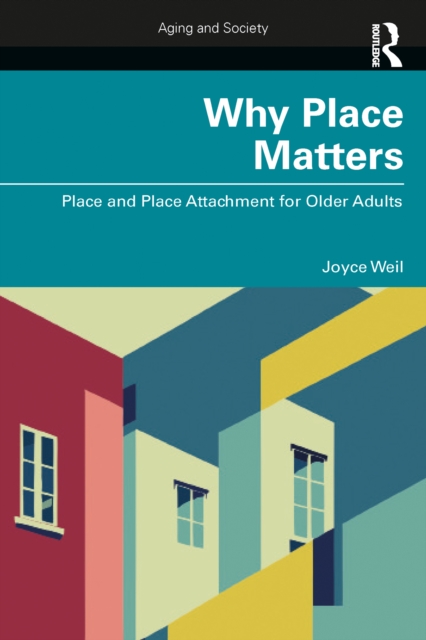
Why Place Matters reassesses what is known and traditionally understood about the relationship older adults have with place over time and in later life.
Originally published in 1995, after decades of steady growth, this book was written at a time when the world's food supply was no longer keeping up with population increases.
This book explores the ways in which the study of the domestic and the international, far from being separate spheres, are in fact woven together in multiple ways.
Originally published in 1956, this book considers the practical problems of economic development in countries in which the prevailing outlook and a recent or probable increase in population growth make it difficult to escape from a 'Malthusian situation.
This book explores the ways in which the study of the domestic and the international, far from being separate spheres, are in fact woven together in multiple ways.
Originally published in 1995, this book confronts the contentious political issues on all sides of the population debate, including immigration, demographic competition, gender ratios, reproductive research and children's rights.
This two-volume encyclopedia looks at the lives of teenagers around the world, examining topics from a typical school day to major issues that teens face today, including bullying, violence, sexuality, and social and financial pressures.
This book provides a one-stop resource for understanding the full dimensions of income inequality in the USA, including chief socioeconomic drivers of inequality and proposals to reduce the widening gap between rich and poor in America.
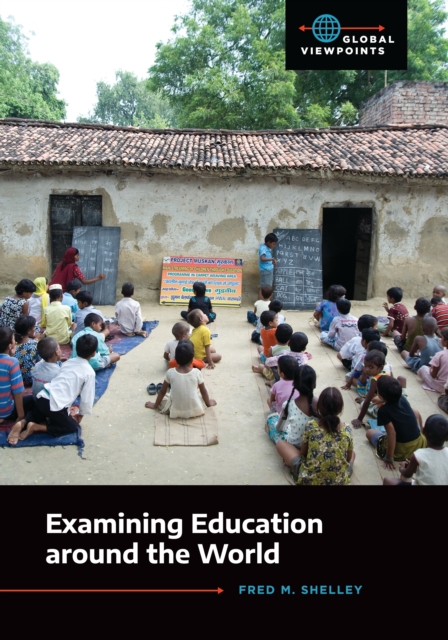
This thematic encyclopedia provides an overview of education in 70 countries worldwide and links educational organization, philosophy, and practice with important global social, economic, and environmental issues facing the contemporary world.
The history of the Western church in the Middle Ages is the history of the most elaborate and thoroughly integrated system of religious thought and practice the world has ever known.
Taking the case of Qazaq Pastoralists in Western Mongolia, this book looks at the universal human requirement to balance individual flexibility and strategies designed to make a living with the social expectations that impose particular rules of conduct but also enable mutual trust and cooperation to emerge.
Taking the case of Qazaq Pastoralists in Western Mongolia, this book looks at the universal human requirement to balance individual flexibility and strategies designed to make a living with the social expectations that impose particular rules of conduct but also enable mutual trust and cooperation to emerge.
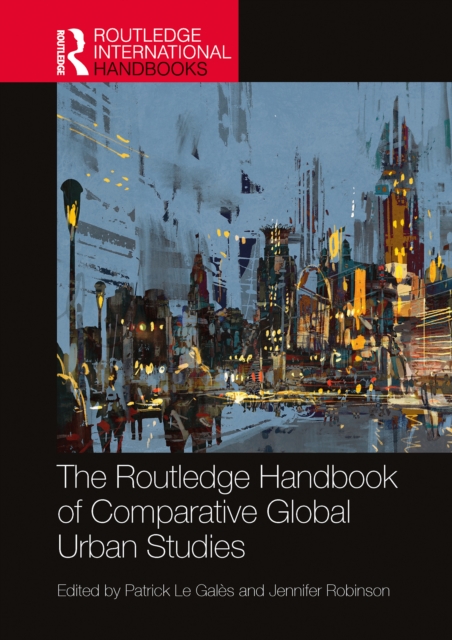
The Routledge Handbook of Comparative Global Urban Studies is a timely intervention into the field of global urban studies, coming as comparison is being more widely used as a method for global urban studies, and as a number of methodological experiments and comparative research projects are being brought to fruition.
A widely respected ecological scientist and activist draws on the poet's image and his own environmental research to demonstrate the many interconnections among the world's ecosystems.
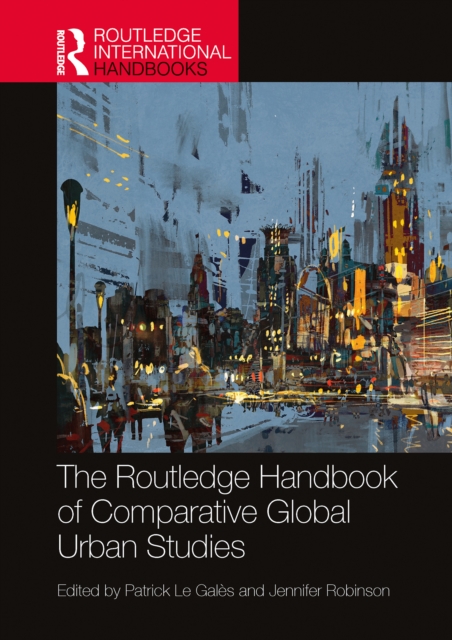
The Routledge Handbook of Comparative Global Urban Studies is a timely intervention into the field of global urban studies, coming as comparison is being more widely used as a method for global urban studies, and as a number of methodological experiments and comparative research projects are being brought to fruition.
Rural Settlement in Britain (1977) examines the roots of rural settlements prior to the Domesday Book of 1086 and their evolution and changes up to the twentieth century.
Rural Settlement in Britain (1977) examines the roots of rural settlements prior to the Domesday Book of 1086 and their evolution and changes up to the twentieth century.
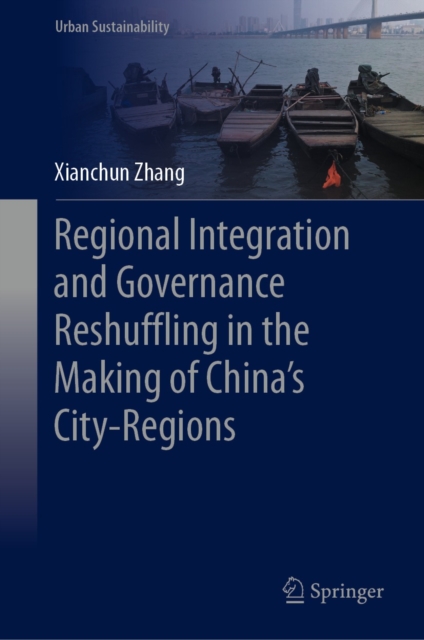
This book for the first time thoroughly investigates the extent of economic and institutional integrations and the underlying governance reshuffling process of China's city-regionalism.
This book for the first time thoroughly investigates the extent of economic and institutional integrations and the underlying governance reshuffling process of China's city-regionalism.
Much of the debate on the future of work has focused on responses to technological trends in the Global North, with little evidence on how these trends are impacting work and workers in the Global South.
Much of the debate on the future of work has focused on responses to technological trends in the Global North, with little evidence on how these trends are impacting work and workers in the Global South.
This book uses the concept of "e;arrival spaces"e; to examine the relationship between migration processes, social infrastructures, and the transformation of urban spaces in Europe since the mid-19th century.
Using a nationally representative data set, this book examines the characteristics of Chinese college students' mobility since the expansion of higher education.
Using a nationally representative data set, this book examines the characteristics of Chinese college students' mobility since the expansion of higher education.
First published in 1981, Ethnic Segregation in Cities argues that race and ethnicity are fundamental to writing about the city, and that economic patterns adapt themselves to race and ethnicity rather than vice versa.
First published in 1981, Ethnic Segregation in Cities argues that race and ethnicity are fundamental to writing about the city, and that economic patterns adapt themselves to race and ethnicity rather than vice versa.
Urban High-Technology Zones offers essential planning insights for our increasingly high-tech economy and society, looking at the role the built environment plays, the policy factors that contribute to their formation and growth, quality-of-life impacts of high tech clusters on their surrounding communities, and economic geography.
Urban High-Technology Zones offers essential planning insights for our increasingly high-tech economy and society, looking at the role the built environment plays, the policy factors that contribute to their formation and growth, quality-of-life impacts of high tech clusters on their surrounding communities, and economic geography.