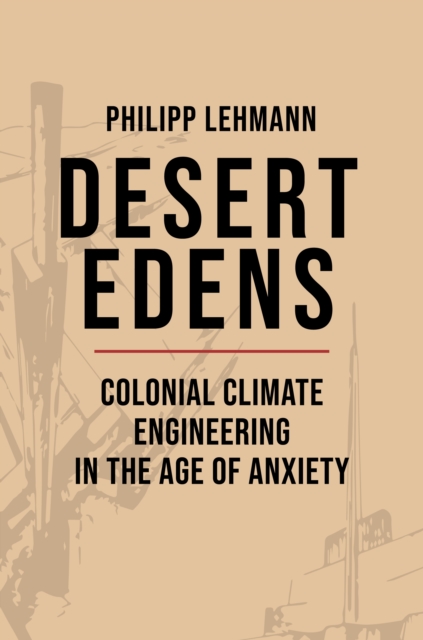
How technological advances and colonial fears inspired utopian geoengineering projects during the late nineteenth and early twentieth centuries From the 1870s to the mid-twentieth century, European explorers, climatologists, colonial officials, and planners were avidly interested in large-scale projects that might actively alter the climate.
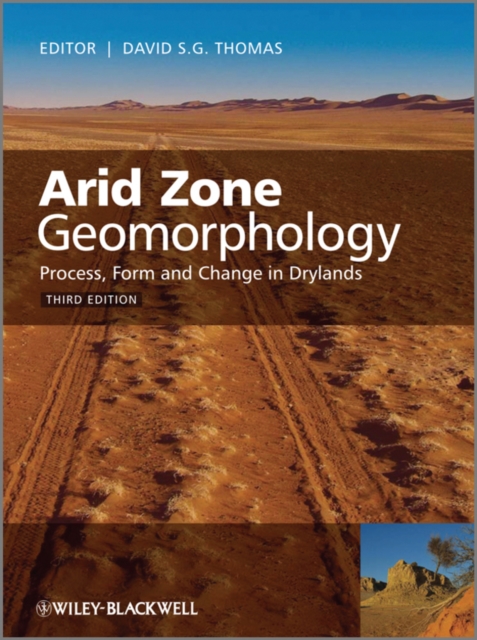
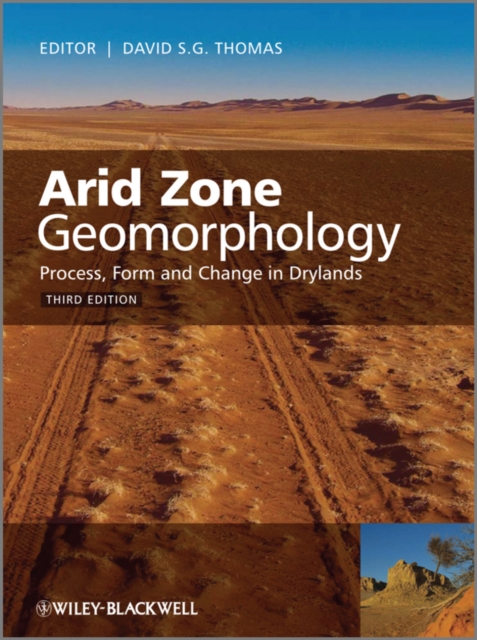
The new edition of Arid Zone Geomorphology aims to encapsulate the advances that have been made in recent years in the investigation and explanation of landforms and geomorphological processes in drylands.
The new edition of Arid Zone Geomorphology aims to encapsulate the advances that have been made in recent years in the investigation and explanation of landforms and geomorphological processes in drylands.
The United Nations Water Conference (in Argentina in March 1977) and the United Nations Conference to Combat Desertification (in Kenya in August 1977) reflect the worldwide attention that recent global food shortages and growing populations have drawn to the destruction of arable and potentially arable land.
The international conference Arid Lands: Today and Tomorrow drew more than 400 participants from over 3 S countries to Tucson, Arizona, for one week in October of 19 8 S.
The United Nations Water Conference (in Argentina in March 1977) and the United Nations Conference to Combat Desertification (in Kenya in August 1977) reflect the worldwide attention that recent global food shortages and growing populations have drawn to the destruction of arable and potentially arable land.
The international conference Arid Lands: Today and Tomorrow drew more than 400 participants from over 3 S countries to Tucson, Arizona, for one week in October of 19 8 S.
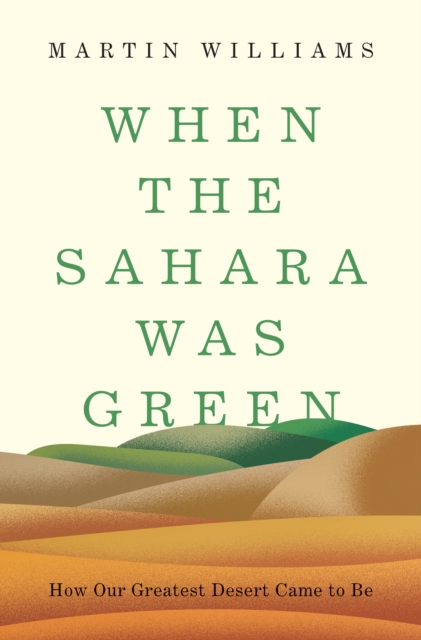
The little-known history of how the Sahara was transformed from a green and fertile land into the largest hot desert in the worldThe Sahara is the largest hot desert in the world, equal in size to China or the United States.
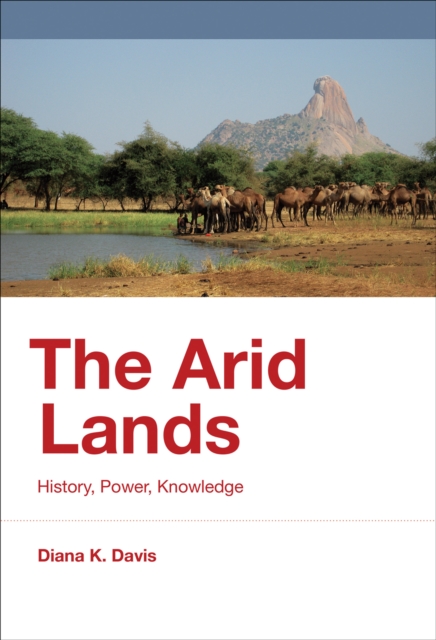
An argument that the perception of arid lands as wastelands is politically motivated and that these landscapes are variable, biodiverse ecosystems, whose inhabitants must be empowered.
In the tradition of Kathleen Norris, Terry Tempest Williams, and Thomas Merton, The Solace of Fierce Landscapes explores the impulse that has drawn seekers into the wilderness for centuries and offers eloquent testimony to the healing power of mountain silence and desert indifference.
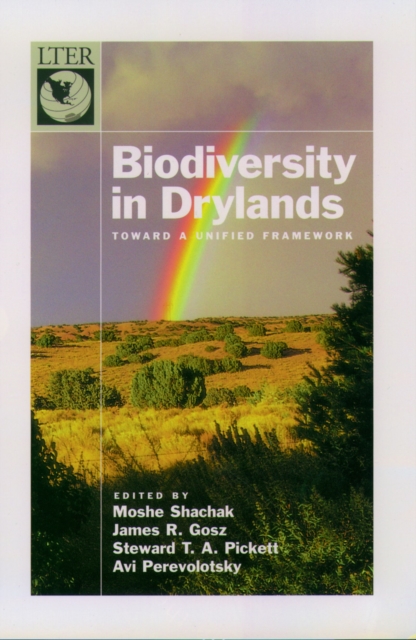
Biodiversity in Drylands, the first internationally based synthesis volume in the Long-Term Ecological Research (LTER) Network Series, unifies the concepts of species and landscape diversity with respect to deserts.
Biodiversity in Drylands, the first internationally based synthesis volume in the Long-Term Ecological Research (LTER) Network Series, unifies the concepts of species and landscape diversity with respect to deserts.
How technological advances and colonial fears inspired utopian geoengineering projects during the late nineteenth and early twentieth centuries From the 1870s to the mid-twentieth century, European explorers, climatologists, colonial officials, and planners were avidly interested in large-scale projects that might actively alter the climate.