The mountains of Ashe County, in North Carolina's northwest corner, support an antediluvian mixed hardwood forest, rooted in nutrient-rich soil and watered by 40 to 60 inches of annual rainfall.
Rhythm of the Heart is a compelling memoir about Kim Heacox's 30+ year relationship with the most iconic landscape in Alaska, a sister book to his 2005 Lyons book The Only Kayak, a PEN USA Literary Award finalist now in its seventh printing.
Redwoods and Roses explores the special relationship California's diverse peoples have shared with nature and the unique gardens and landscapes they have created over the years to nurture and enhance those bonds.
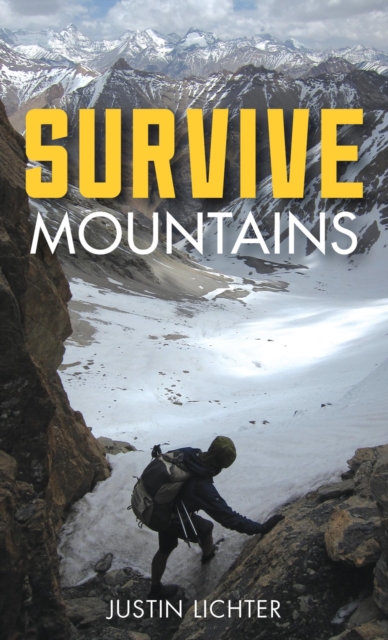
Lightweight and small enough to fit in your pocket or tucked into your backpack, Survive Mountains is the must-have item to keep with you in case you find yourself in a mountainous survival situation.
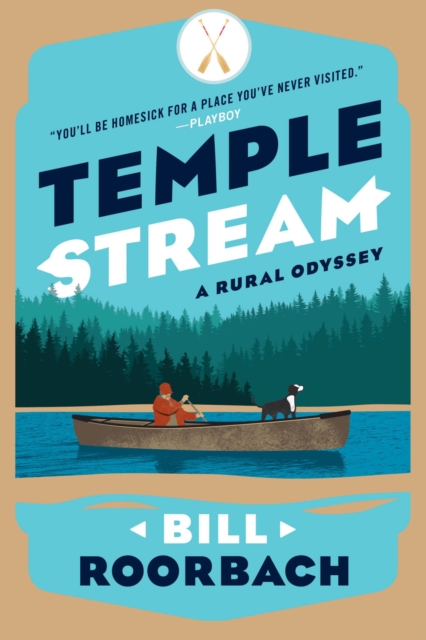
Great blue herons, yellow birches, damselflies, and beavers are among the talismans by which Bill Roorbach uncovers a natural universe along the stream that runs by his house in Farmington, Maine.
This book provides huge knowledge and data in the fields of geospatial sciences, earth environmental sciences, humanities, and social sciences, which target a diverse range of readers, such as academics, scientists, students, environmentalists, meteorologists, urban planners, remote sensing, and GIS experts.
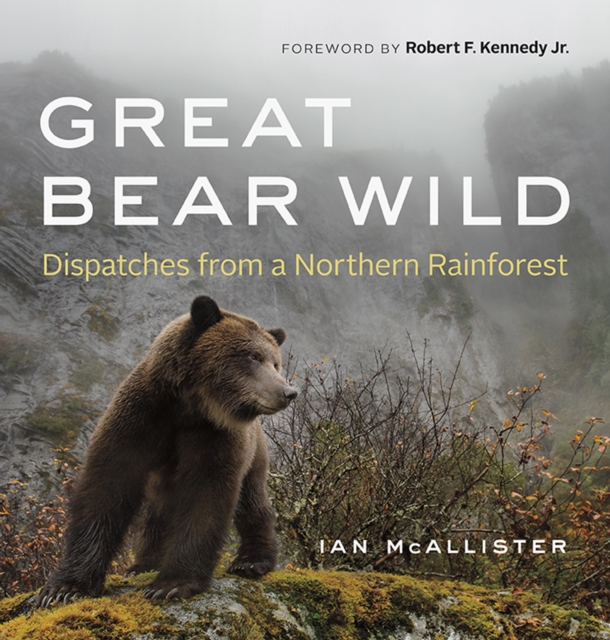
The Great Bear Rainforest is the fabled region of towering trees and rare mammals that stretches up the rugged Pacific coast from the top of Vancouver Island to southern Alaska.
This book provides huge knowledge and data in the fields of geospatial sciences, earth environmental sciences, humanities, and social sciences, which target a diverse range of readers, such as academics, scientists, students, environmentalists, meteorologists, urban planners, remote sensing, and GIS experts.
Inland sand dunes are widespread in North America and are found from the North Slope of Alaska to the Sonoran Desert in northern Mexico and from the Delmarva Peninsula in the east to Southern California in the west.
This book bringing together leading researchers in the field of renewable energy to discuss sustainability on a broad scale and to examine the status quo of renewable energy industry development in a global context.
This edited volume is based on the best papers accepted for presentation during the 1st Springer Conference of the Arabian Journal of Geosciences (CAJG-1), Tunisia 2018.
This book compares and contrasts traditional crime scenes with scenes of climate crisis to offer a more expansive definition of crime which includes environmental harm.
This book explores a platform for insightful discussions and scientific discourse on various aspects of landslides and their risk management, with insights focused on the Himalayan states at a sub-regional level.
Meeting the targets of the UN Sustainable Development Goals (SDGs) requires contributions by scientists focusing on understanding, monitoring, protecting, managing and restoring the natural environment, including geoscientists.
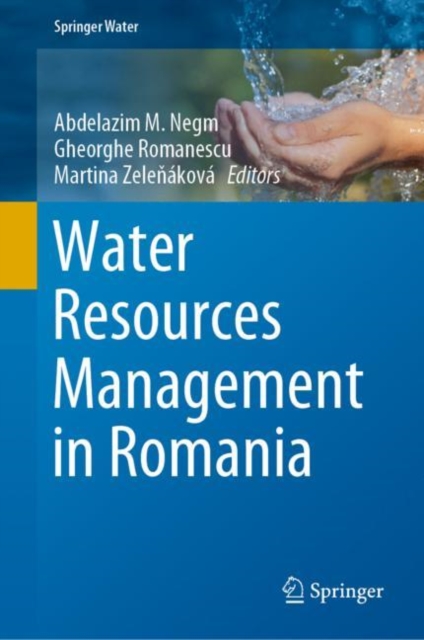
This book discusses water resources management in Romania from a hydrological perspective, presenting the latest research developments and state-of-the-art knowledge that can be applied to efficiently solve a variety of problems in integrated water resources management.
This book presents selected papers from the EuroKarst 2018 conference, which highlighted the latest advances in the field of Karst Hydrogeology and Carbonate Reservoirs.
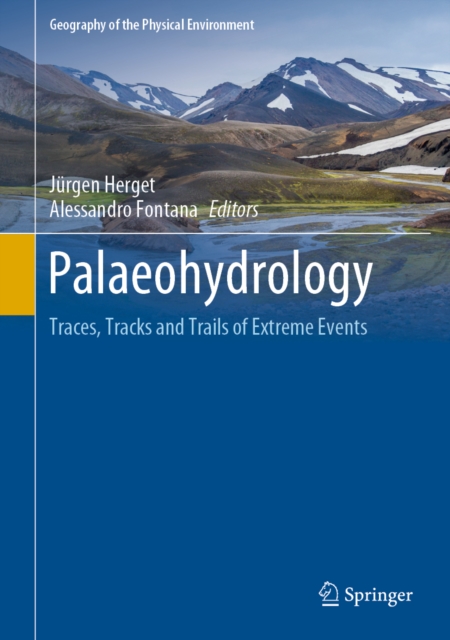
The book provides a review of the most relevant topics on the booming discipline of palaeohydrology and focuses on previous extreme events like exceptional floods and droughts.
This book offers an extensive study of indigenous communities in the Andaman and Nicobar Islands, India, and their methods of forest conservation, along with an exploration of the impact of forestry operations in the islands and the wide scale damage they have incurred on both the land and the people.
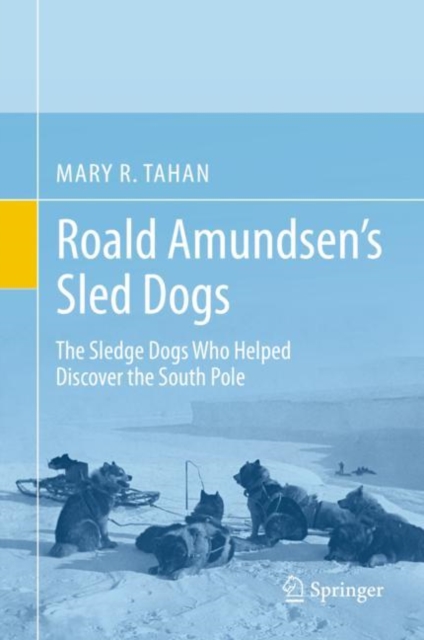
This book is an analytical account of how Roald Amundsen used sledge dogs to discover the South Pole in 1911, and is the first to name and identify all 116 Polar dogs who were part of the Norwegian Antarctic Expedition of 1910-1912.
This book applies system theory to analyze the operation and structure of the complex earth surface system, including the interactions between society and nature that cause environmental degradation and threats to human populations.
Offering a thought provoking theoretical conversation around ecological crisis and natural resource extraction, this book suggests that we are on a trajectory geared towards total extractivism guided by the mythological Worldeater.
The second-longest European river after the Volga, the Danube is one of the world's most important rivers in terms of its geographical and historical significance.