This book presents a complete account of the 19th century German immigrant Edward Cordell, a hydrographer who discovered a major seamount that was designated the Cordell Bank National Marine Sanctuary.
This book includes a selection of the best papers presented at the Jinan Forum on Geography and Ecological Sustainability held in Guangzhou, China, from 17 to 19 February 2017, as well as several invited papers.
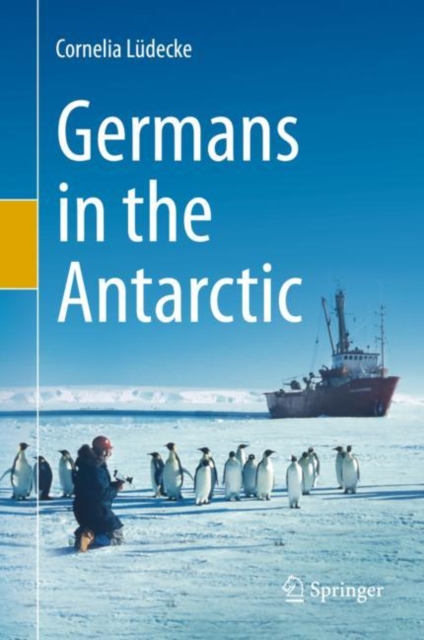
While science was usually at the forefront of German Antarctic expeditions, research into the Southern Polar region always had a political or economic component, whether it was about resource use or securing areas of influence.
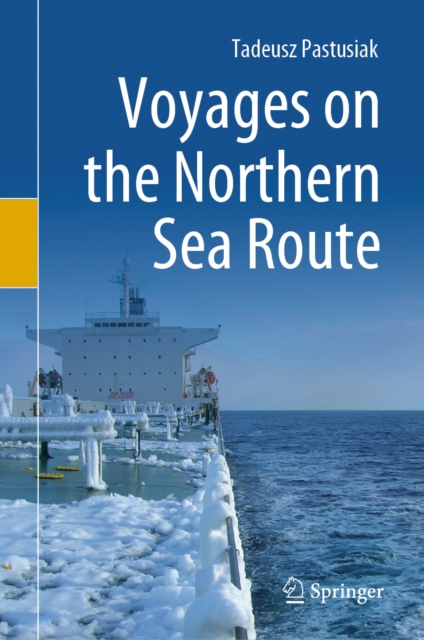
This book explains vessels' ability to overcome ice on the Northern Sea Route, as well as the criteria of safe speed and maneuvering of vessels on ice.
Collaboration across boundaries is widely recognized as a vital requisite for the advancement of innovative science to address problems such as environmental degradation and global change.
The purpose of this book is to present a range of cases and comparison of the issues, insights and cases emerging from the Sustainable Energy Mix Summit in the Galapagos that offer a better understanding of energy mix in fragile environments from a variety of International locations and contexts including the Galapagos.
The book provides an overview of the floods and major hydrological changes that occurred in the medieval Hungarian kingdom (covering the majority of the Carpathian Basin) between 1000 and 1500 AD.
This book is the first systematic investigation into the problem of timber trafficking in Vietnam, providing a detailed understanding of the typology of, victimization from, and key factors driving this crime.
This book comprehensively documents the various types of karst collapse and related conceptual site models, before discussing these collapses in terms of their impacts on engineering and the environment.
This book is a social-ecological system description and feedback analysis of the Lake Tana Basin, the headwater catchment of the Upper Blue Nile River.
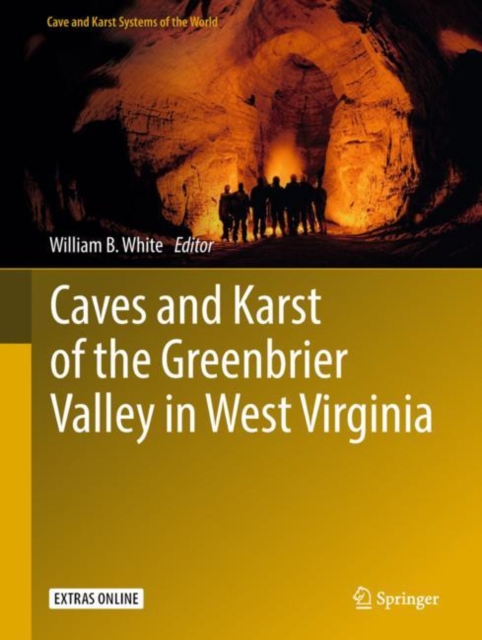
The focus of this book is on the more than 2000 caves of the Greenbrier Valley of West Virginia of which the 14 with lengths greater than 10 km have an aggregate length of 639 km.
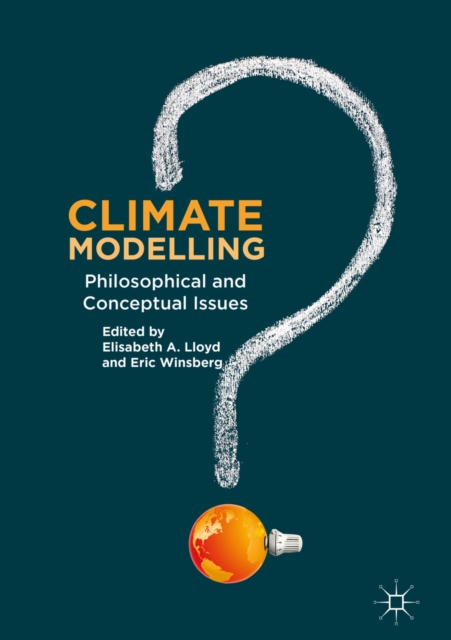
This edited collection of works by leading climate scientists and philosophers introduces readers to issues in the foundations, evaluation, confirmation, and application of climate models.
This book discusses how to collect data and analyze databases in order to map risk zones, and contributes to developing a conceptual framework for coastal risk assessment.
This book contains the most complete description of the geologic and geophysical data of the structure of Arctic Basin including structures of the earth's crust, crustal and acoustic basement, and sedimentary cover.
Drawing from military geography's spatial roots, its embrace of dynamic systems, and integration of human and biophysical environments, this book helps in understanding the value of analyzing patterns, processes and systems, and cross-scale and multi-disciplinary ways of acting in a complex world, while making the case for a resurgence of strategic and military geography in Australia.
This book provides comprehensive information on the materials excavated at Pech de l'Aze IV, both by the original excavator Francois Bordes in the 1970s, and more recently by the authors and their scientific team.
This book brings together contributions from experts in water management, scientists, researchers, academics and lecturers, sharing experiences and successes in this field.
This book describes Sicily's unique and varied karst features, discussing the notable geographical areas, their lithology and genesis and, in a number of cases, their value as geosites to be preserved for scientific or tourism purposes.
This book draws upon the expertise of academic researchers, urban planners and architects to explore the challenge of building the sustainable cities of the future.
This book is a comprehensive resource for climate change impacts and scenarios on cross-cutting issues in Bangladesh and other tropical low-lying countries in Asia.
This book examines how crop diversification strategies can help to ensure sustainable agricultural development across different land-size categories, with a focus on Malda District in West Bengal, India.