This book provides comprehensive information needed to assist with all aspects of designing, delivering, or evaluating transportation systems for use by older adults, and presents the necessary background on aging and human factors issues as well as practical guidelines needed to accommodate older adult transport users.
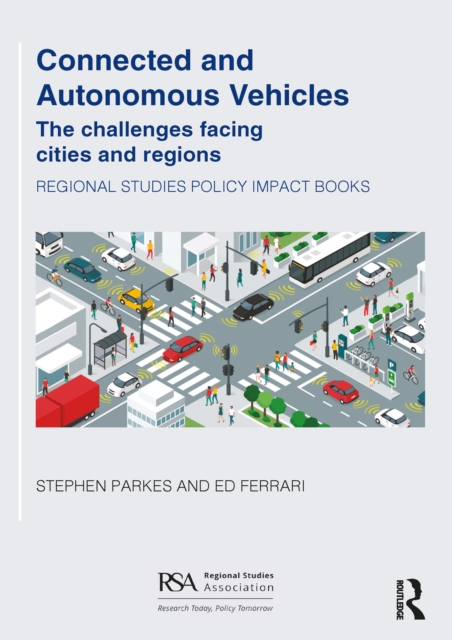
Around the world, researchers, policy makers, and practitioners are working to ensure cities and communities are prepared for the challenges and opportunities of aged and highly urbanised populations.
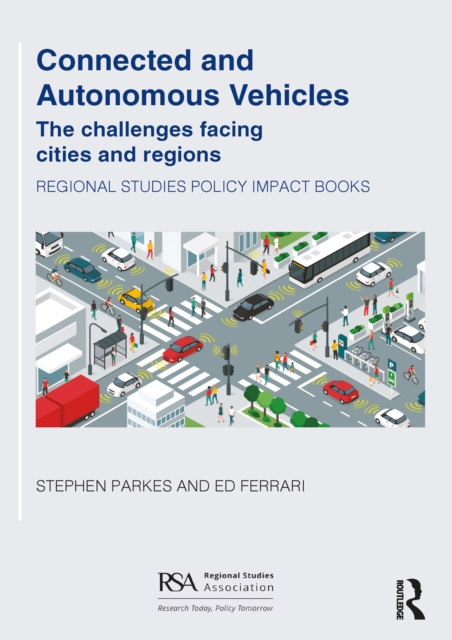
Around the world, researchers, policy makers, and practitioners are working to ensure cities and communities are prepared for the challenges and opportunities of aged and highly urbanised populations.
This book provides a political history of urban traffic congestion in the twentieth century, and explores how and why experts from a range of professional disciplines have attempted to solve what they have called 'the traffic problem'.
This book provides a political history of urban traffic congestion in the twentieth century, and explores how and why experts from a range of professional disciplines have attempted to solve what they have called 'the traffic problem'.
Viable, value-creating solutions for securing global transportation networks Securing Global Transportation Networks demonstrates how improved security processes can create value across all the business functions throughout an entire value chain.
Urban Transportation Systems is a complete guide to the types of transportation available to communities together with the technical tools needed to evaluate each for given circumstances.
Increasing pressure on global reserves of petroleum at a time of growing demand for personal transport in developing countries, together with concerns over atmospheric pollution and carbon dioxide emissions, are leading to a requirement for more sustainable forms of road transport.
Liner Ship Fleet Planning: Models and Algorithms systematically introduces the latest research on modeling and optimization for liner ship fleet planning with demand uncertainty.
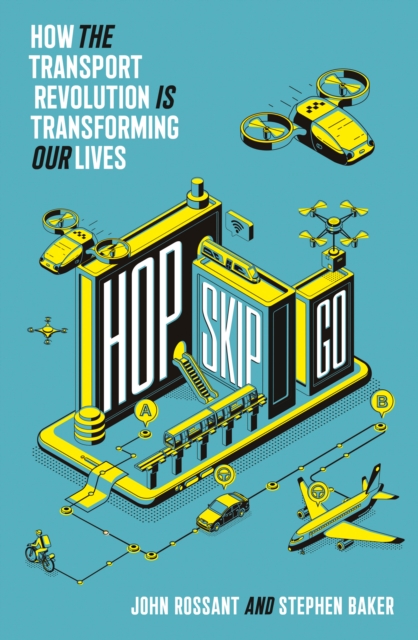
Urban expert John Rossant and business journalist Stephen Baker look beyond the false promises of the past to examine the real future of transportation and the repercussions for the world's cities, the global economy, the environment, and our individual lives.
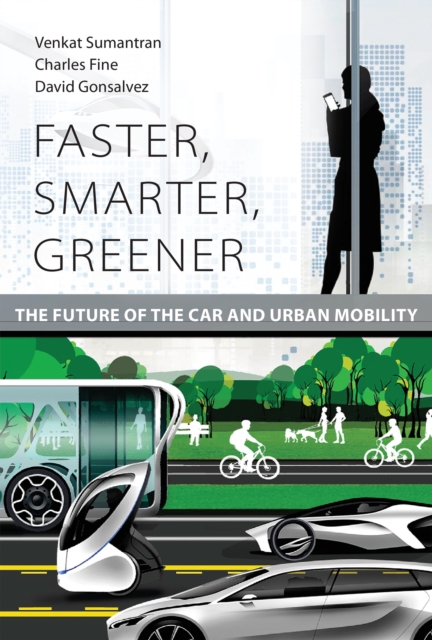
A call to redefine mobility so that it is connected, heterogeneous, intelligent, and personalized, as well as sustainable, adaptable, and city-friendly.
Today, citizens advocate greater environmental sustainability, better services and the improvement of urban quality by promoting safer mobility, especially for the most vulnerable road users.
This book provides a comprehensive exploration of the rapidly evolving field of autonomous urban mobility, examining its transformative potential and the principles guiding its innovation.
Today there are over a billion vehicles in the world, and within twenty years, the number will double, largely a consequence of China's and India's explosive growth.
Transforming Urban Transport brings into focus the origins and implementation pathways of significant urban transport innovations that have recently been adopted in major, democratically governed world cities that are seeking to advance sustainability aims.
Transforming Urban Transport brings into focus the origins and implementation pathways of significant urban transport innovations that have recently been adopted in major, democratically governed world cities that are seeking to advance sustainability aims.
Social Issues in Transport Planning, Volume 8 in the Advances in Transport Policy and Planning series, highlights new advances in the field, with this new volume presenting interesting chapters.
Standard Transport Appraisal Methods, Volume 6 in the Advances in Transport Policy and Planning series, assesses both successful and unsuccessful practices and policies from around the world.
Transportation Policy and Economic Regulation: Essays in Honor of Theodore Keeler addresses a number of today's important transportation policy issues, exploring a variety of transportation modes, and examining the policy implications of a number of alternatives.
Port Cybersecurity: Securing Critical Information Infrastructures and Supply Chains examines a paradigm shift in the way ports assess cyber risks and vulnerabilities, as well as relevant risk management methodologies, by focusing on initiatives and efforts that attempt to deal with the risks and vulnerabilities of port Critical Information Infrastructures (CII) ecosystems.
Liner Ship Fleet Planning: Models and Algorithms systematically introduces the latest research on modeling and optimization for liner ship fleet planning with demand uncertainty.
Sustainable Mass Transit: Challenges and Opportunities in Urban Public Transportation examines the numerous types of mass transit systems, looking closely at all their key functions, including operations, maintenance, development, design, building and retrofitting.
Vulnerability Analysis for Transportation Networks provides an integrated framework for understanding and addressing how transportation networks across all modes perform when parts of the network fail or are substantially degraded, such as extreme weather events, natural disasters, road crashes, congestion incidents or road repair.
Protecting Transportation: Implementing Security Policies and Programs provides a thorough overview of transportation security in the United States, with a focus on policy.
Increasing pressure on global reserves of petroleum at a time of growing demand for personal transport in developing countries, together with concerns over atmospheric pollution and carbon dioxide emissions, are leading to a requirement for more sustainable forms of road transport.
This book assesses the extent to which two specialized UN agencies - the International Maritime Organization (IMO) in London and the International Civil Aviation Organization (ICAO) in Montreal - have been able to regulate environmental pollution in the global commons.
Several of the papers in this volume are concerned with assessing both the timing and the impacts of deregulation and regulatory reform in the US transportation sector.
This timely and innovative book explores the dynamics of inter-island/island-island tourism - also known as archipelago tourism - on the cusp of the post-pandemic epoch.
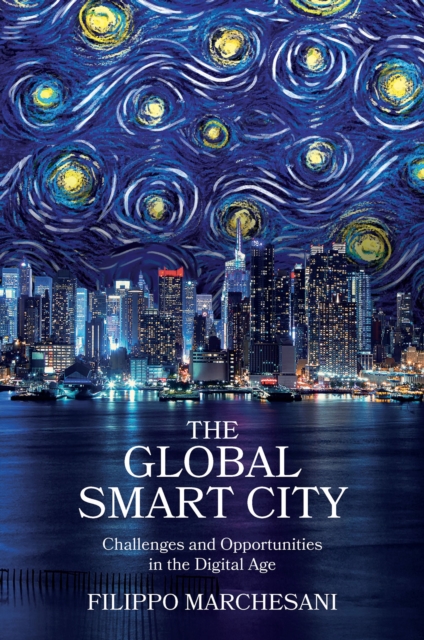
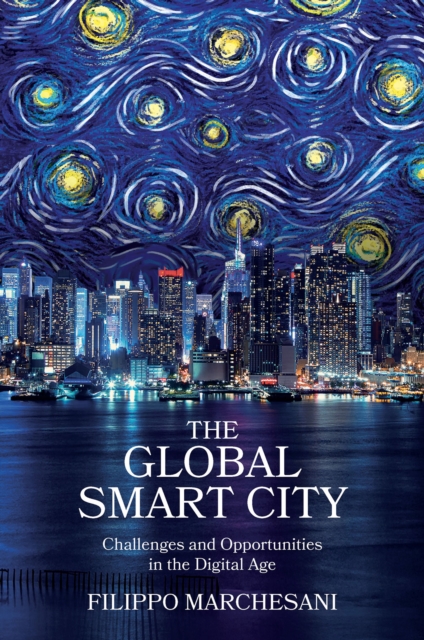
The Global Smart City: Challenges and Opportunities in the Digital Age is a ground-breaking exploration of the transformative impact of smart cities in today's urban landscape.
The Global Smart City: Challenges and Opportunities in the Digital Age is a ground-breaking exploration of the transformative impact of smart cities in today's urban landscape.
The bus is the most patronised of all land-based public passenger mode but is seen as a somewhat unglamorous means of supporting mobility and accessibility, in contrast to rail - heavy and light, yet offers so much to the travelling public as well as offering attractive sustainability opportunities.
This book represents the proceedings of a conference held at KobeUniversity, that brought together some of the world's leading researchers in the field oftransportation planning and policy.
Numerous books have been written which deal with transport problems in developed and developing countries, and with the planning and management of transport organisations in developed countries, but none deals specifically with the planning, regulation, management and control of public transport in developing countries.
This comprehensive handbook covers human mobility within urban contexts, integrating academic theories with pragmatic insights and offering a detailed analysis of the diverse facets of human mobility and its substantial impact on the urban landscape, economy, and societal structures.