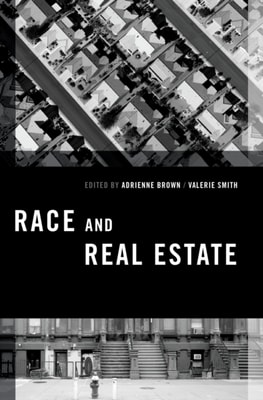
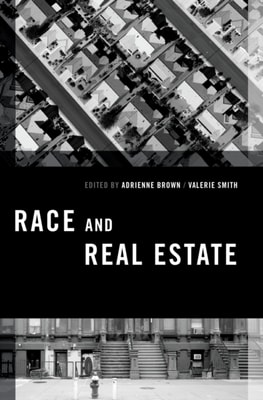
Race and Real Estate brings together new work by architects, sociologists, legal scholars, and literary critics that qualifies and complicates traditional narratives of race, property, and citizenship in the United States.
Race and Real Estate brings together new work by architects, sociologists, legal scholars, and literary critics that qualifies and complicates traditional narratives of race, property, and citizenship in the United States.
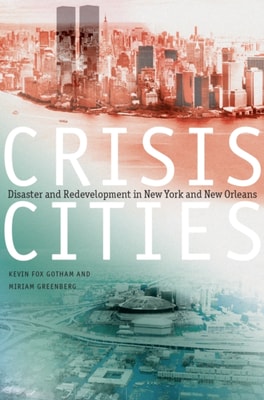
Crisis Cities blends critical theoretical insight with a historically-grounded comparative study to examine the redevelopment efforts following the 9/11 and Hurricane Katrina disasters.
Coming Home to New Orleans documents grassroots rebuilding efforts in New Orleans neighborhoods after hurricane Katrina, and draws lessons on their contribution to the post-disaster recovery of cities.
This book provides a comprehensive exploration of the rapidly evolving field of autonomous urban mobility, examining its transformative potential and the principles guiding its innovation.
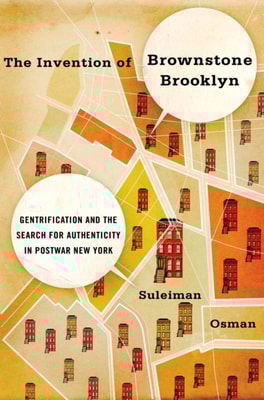
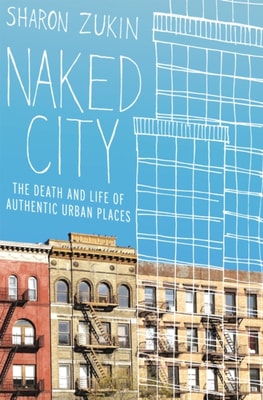
As cities have gentrified, educated urbanites have come to prize what they regard as "e;authentic"e; urban life: aging buildings, art galleries, small boutiques, upscale food markets, neighborhood old-timers, funky ethnic restaurants, and old, family-owned shops.
Considered one of the city's most notorious industrial slums in the 1940s and 1950s, Brownstone Brooklyn by the 1980s had become a post-industrial landscape of hip bars, yoga studios, and beautifully renovated, wildly expensive townhouses.
Considered one of the city's most notorious industrial slums in the 1940s and 1950s, Brownstone Brooklyn by the 1980s had become a post-industrial landscape of hip bars, yoga studios, and beautifully renovated, wildly expensive townhouses.
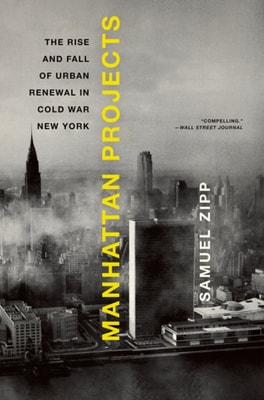
Moving beyond the usual good-versus-evil story that pits master-planner Robert Moses against the plucky neighborhood advocate Jane Jacobs, Samuel Zipp sheds new light on the rise and fall of New York's urban renewal in the decades after World War II.
Moving beyond the usual good-versus-evil story that pits master-planner Robert Moses against the plucky neighborhood advocate Jane Jacobs, Samuel Zipp sheds new light on the rise and fall of New York's urban renewal in the decades after World War II.
As cities have gentrified, educated urbanites have come to prize what they regard as "e;authentic"e; urban life: aging buildings, art galleries, small boutiques, upscale food markets, neighborhood old-timers, funky ethnic restaurants, and old, family-owned shops.
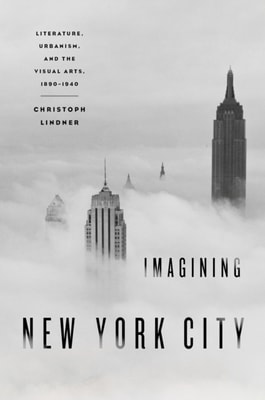
Using examples from architecture, film, literature, and the visual arts, this wide-ranging book examines the significance of New York City in the urban imaginary between 1890 and 1940.
This volume embodies a problem-driven and theoretically informed approach to bridging frontier research in urban economics and urban/regional planning.
The resources of both governments and traditional philanthropy are either barely growing or in decline, yet the problems of poverty, ill-health, and environmental degradation balloon daily.
Coming Home to New Orleans documents grassroots rebuilding efforts in New Orleans neighborhoods after hurricane Katrina, and draws lessons on their contribution to the post-disaster recovery of cities.
Dynamic Thinking: A Primer on Dynamic Field Theory introduces the reader to a new approach to understanding cognitive and neural dynamics using the concepts of Dynamic Field Theory (DFT).
Dynamic Thinking: A Primer on Dynamic Field Theory introduces the reader to a new approach to understanding cognitive and neural dynamics using the concepts of Dynamic Field Theory (DFT).
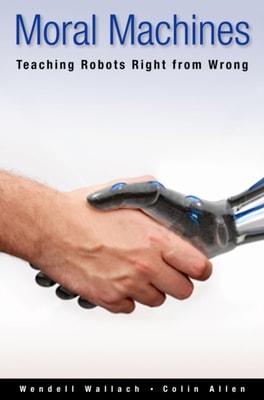
The idea that some day robots may have emotions has captured the imagination of many and has been dramatized by robots and androids in such famous movies as 2001 Space Odyssey's HAL or Star Trek's Data.
Not long ago, neighborhoods such as the South Bronx, South Central Los Angeles, and Boston's Roxbury were crime-ridden wastelands of vacant lots and burned-out buildings, notorious symbols of urban decay.
As more and more equipment incorporates advanced technologies, usability -- the ability of equipment to take advantage of users' skills and thereby to function effectively in the broad range of real work situations -- is becoming an essential component of equipment design.
This book unifies housing policy by integrating industrialized and developing-country interventions in the housing sector into a comprehensive global framework.
Ecology, Engineering, and the Paradox of Management is the first book that addresses and reconciles what many take to be the core paradox facing environmental decision-makers and stakeholders: How do they restore the environment while at the same time provide ever more services reliably from that environment, including clean air, water and energy for more and more people?
Exploring the ways in which an integrated landscape vision can help deliver regional, national, and international agendas, this book investigates how a new idea of landscape can reimagine governance, policy, economics, culture, identity, health, transport, and development priorities by connecting in a more powerful and meaningful way with local aspirations and demands.