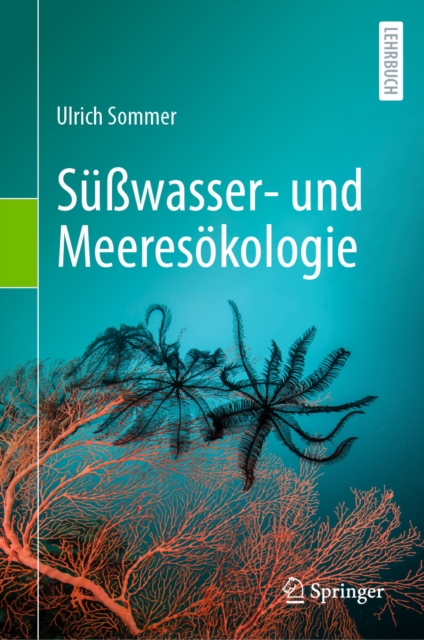
Süßwasser- und Meeresökologie bietet eine umfassende Einführung in die aquatische Ökologie, indem es die Fachgebiete Limnologie und biologische Ozeanographie integriert.
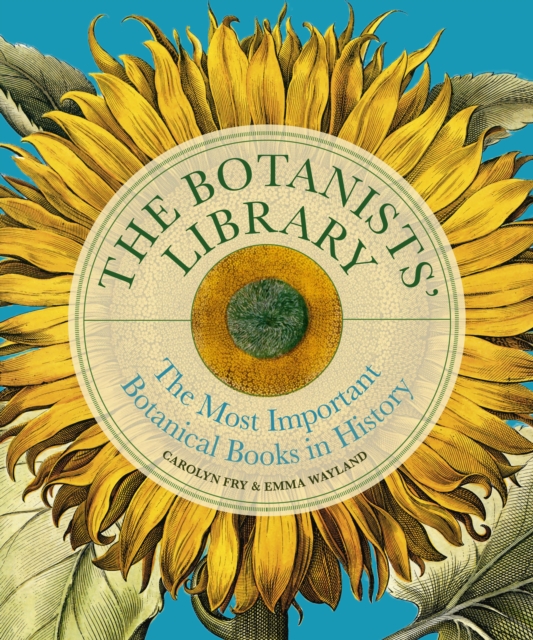
Discover a vast treasure trove of botanical knowledge in The Botanist's Library, a superbly illustrated collection of 300+ seminal books and illustrations from throughout history.
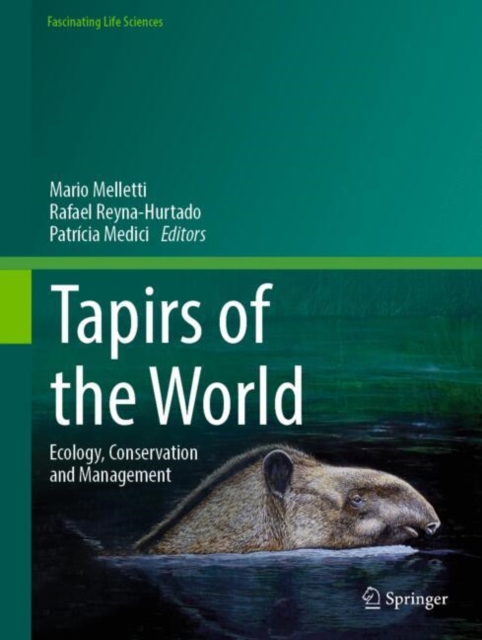
This beautifully illustrated book is the first comprehensive work ever published on all four tapir species worldwide, filling a gap in the scientific literature.
This beautifully illustrated book is the first comprehensive work ever published on all four tapir species worldwide, filling a gap in the scientific literature.
This book offers an in-depth examination of wetland ecosystems, delving into their intricacies from three critical perspectivesa "e;limnological, bio-geochemical, and economic.
Blue Extinction in Literature, Culture, and Art examines literary and cultural representations of aquatic biodiversity loss, bringing together critical perspectives from the blue humanities and extinction studies.
Blue Extinction in Literature, Culture, and Art examines literary and cultural representations of aquatic biodiversity loss, bringing together critical perspectives from the blue humanities and extinction studies.
Diese ungewöhnlich konzipierte und gestaltete Einführung vermittelt in sehr verständlicher Form einen Überblick über die Grundlagen der Evolution und über die vielfältigen Facetten moderner Evolutionsforschung.
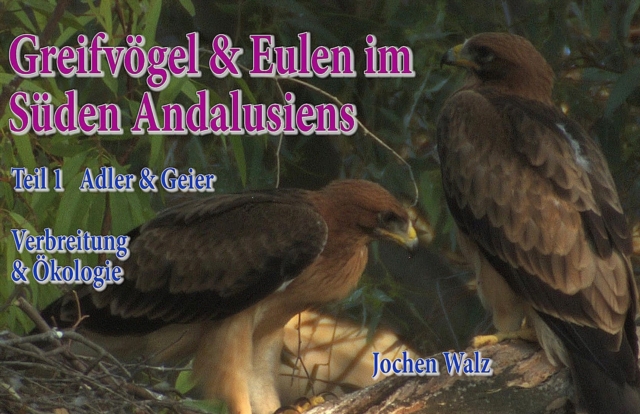
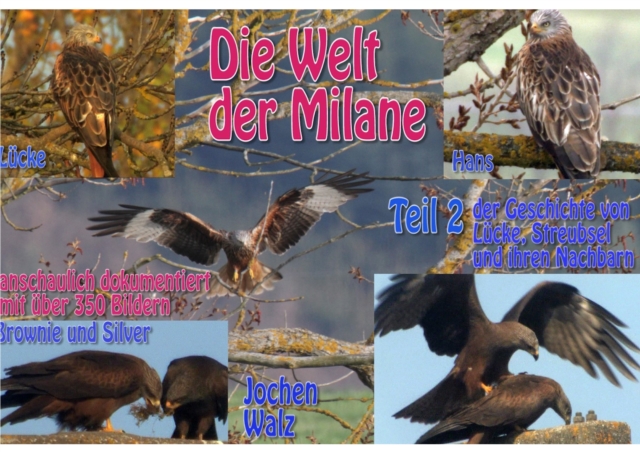
Das "Jahr der Milane" befasst sich weniger mit den wissenschaftlichen Erkenntnissen über die beiden Milanarten, auch wenn diese immer wieder einfliessen, als vielmehr mit dem Alltag der Paare, deren Beziehungen untereinander, mit ihren unmittelbaren Nachbarn und den weiblichen, wie männlichen noch nicht brütenden Junggesellen.
Diese ungewöhnlich konzipierte und gestaltete Einführung vermittelt in sehr verständlicher Form einen Überblick über die Grundlagen der Evolution und über die vielfältigen Facetten moderner Evolutionsforschung.
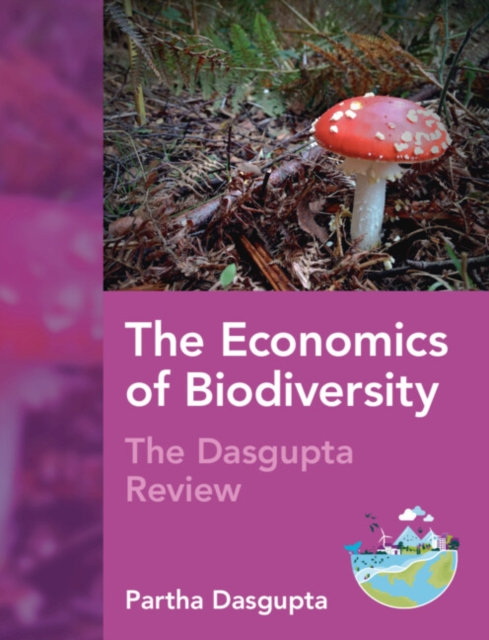
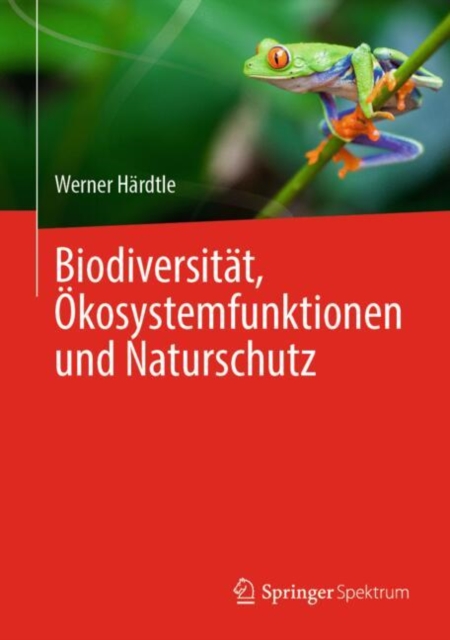
Der weltweite Verlust an biologischer Vielfalt, verursacht durch eine nicht nachhaltige Nutzung von Ökosystemen, birgt schwerwiegende gesamtgesellschaftliche Risiken, welche jenen des Klimawandels vergleichbar sind.
Der weltweite Verlust an biologischer Vielfalt, verursacht durch eine nicht nachhaltige Nutzung von Ökosystemen, birgt schwerwiegende gesamtgesellschaftliche Risiken, welche jenen des Klimawandels vergleichbar sind.
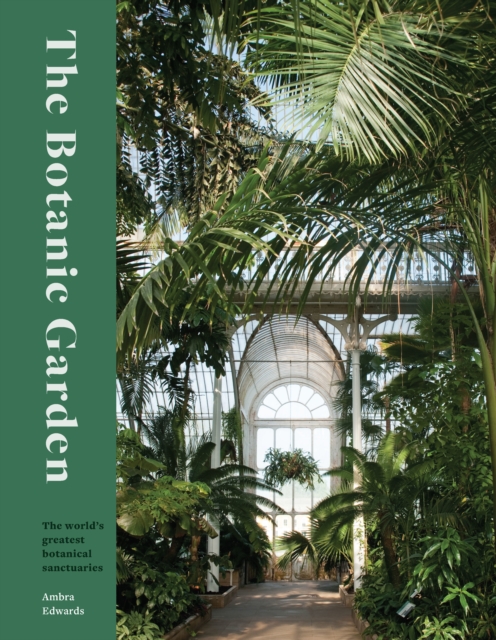
This rich and beautiful guide from best-selling garden writer Ambra Edwards explores the most magnificent botanic havens from every continent across the world.
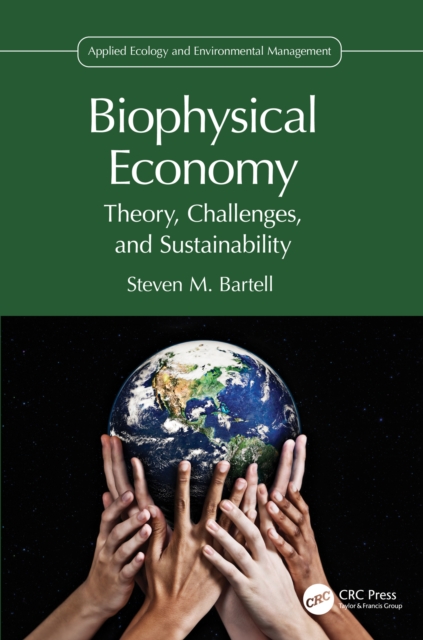
This book explores the concept of transforming the current macroeconomic system from one based on continuous growth that doesn't recognize the fundamental importance of Earth's natural support structures, to a system consistent with the basic views of biophysical economics that acknowledges that all real wealth ultimately derives from planetary resources, both renewable and non-renewable.
«Els animals se n'han anat, però ell els conserva la memòria, atura la decadència dels ossos i de la closca, perquè els que vinguin després puguin aturar-s'hi al costat i veure-hi la imatge del propi temps.
Este libro está dedicado a la divulgación científica y es una obra de colección destinada tanto para aficionados a las orquídeas como para científicos interesados en el estudio de especies de las Islas Galápagos.
Forest is a celebration of the diverse ways in which trees and forests are as magnificent, economically relevant and profoundly enchanting today as they ever have been.
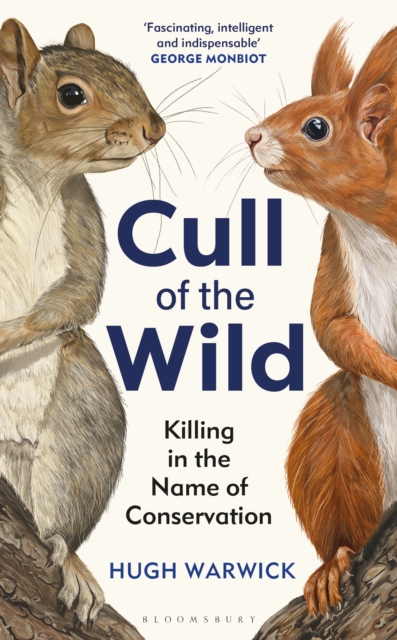
LONGLISTED FOR THE WAINWRIGHT PRIZE FOR WRITING ON CONSERVATIONInvestigating the ethical and practical challenges of one of the greatest threats to biodiversity: invasive species.
LONGLISTED FOR THE WAINWRIGHT PRIZE FOR WRITING ON CONSERVATIONInvestigating the ethical and practical challenges of one of the greatest threats to biodiversity: invasive species.
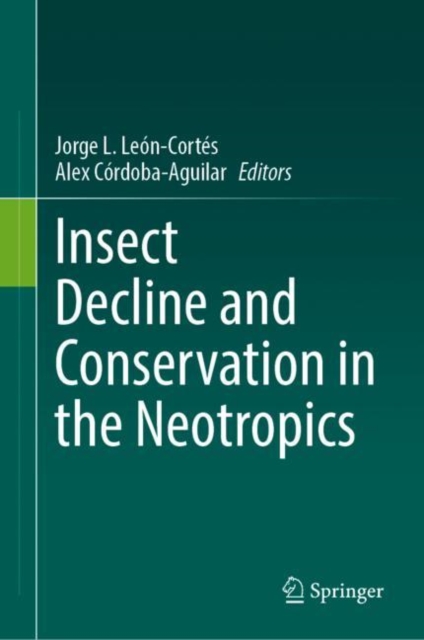
This book provides for the first time an integrative analysis of the major drivers of decline and threats of insects and related arthropods in the Neotropical region.
This book provides for the first time an integrative analysis of the major drivers of decline and threats of insects and related arthropods in the Neotropical region.
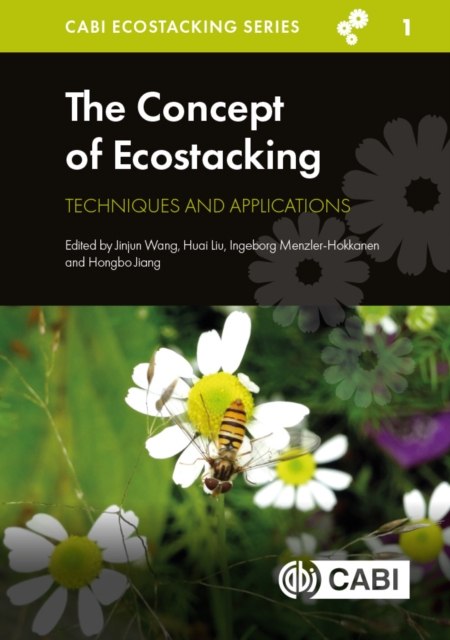
Ecostacking is a new concept and approach which aims to maximize the benefits of ecosystem service providers in cropping systems to help achieve the goal of long-term sustainable agriculture and food production.
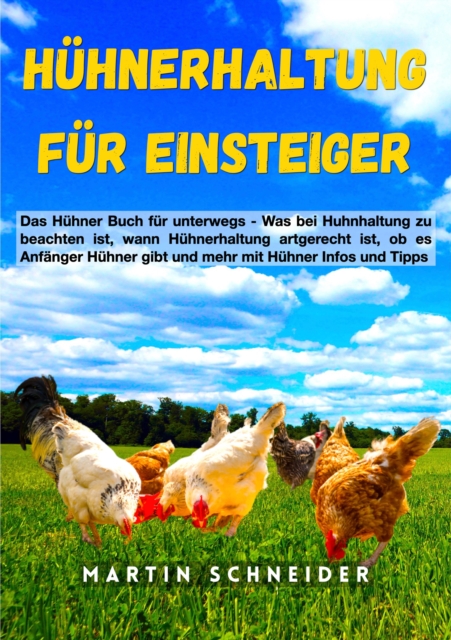
Bei diesem Buch handelt es sich um ein Buch für die ganze Familie und es klärt dich über einiges im Bereich Ernährung, Hühnerhaltung, "Fleischproduktion", etc.
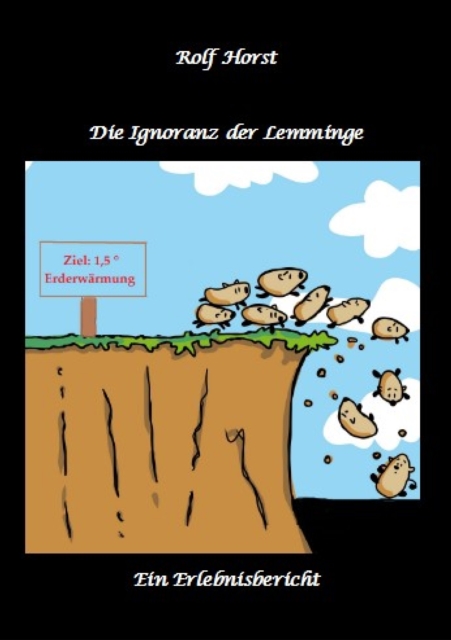
Es geht einerseits um das Artensterben und hier sind nicht nur die Tiere - Insekten wie Bienen, Hummeln, Wespen, Schwebfliegen gemeint, die für eine Bestäubung unserer Pflanzen sorgen, sondern auch die Spezies Mensch!