Forests cover thirty-one percent of the world's land surface, provide habitats for animals, livelihoods for humans, and generate household income in rural areas of developing countries.
This book examines the development needs of protected areas with threatened ecological biodiversity to gain deeper understanding of the local perspective of protected area ecosystems.
Chaparral shrubland ecosystems are an iconic feature of the California landscape, and a highly biodiverse yet highly flammable backdrop to some of the fastest growing urban areas in the United States.
Sustainability defines the need for any society to live within the constraints of the land's capacity to deliver all natural resources the society consumes.
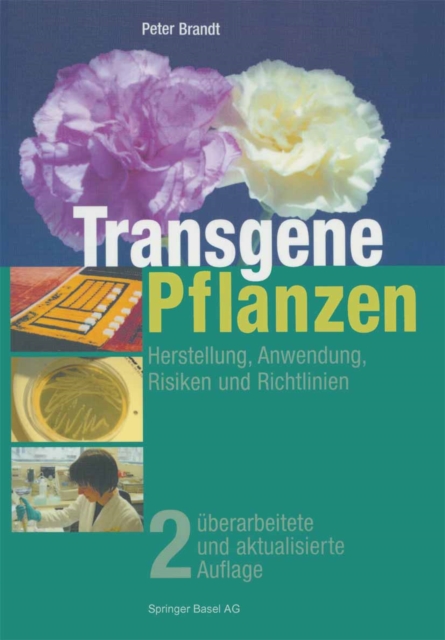
Angesichts der zunehmenden Zerstörung der Natur durch den Menschen und der technischen Fortschritte in den Biowissenschaften hat die Frage nach dem Verhältnis des Menschen zu seiner natürlichen Umwelt höchste Aktualität.
In recent decades, practices like the cultivation of a few high-yielding crop varieties on a large scale, the application of heavy machinery and continued mechanization of agriculture, the removal of natural habitats, and the application of pesticides and synthetics have resulted in the simplification of agro-ecosystems.
This contributed volume provides a comprehensive, in-depth and subject-based reviews on the current status of active ingredients, sustainable use, biodiversity and conservation of certain endangered medicinal plants.
Eine biologische Reise durch das grüne ParadiesDer Tropische Regenwald ist der artenreichste Naturraum der Erde, ein einzigartiges Ökosystem, das entscheidend zum gesamten Erdklima beiträgt.
Der etablierte Bestimmungsschlüssel zur Flora der Schweiz liegt in neuer aktualisierter Auflage vor, im bewährten leichten und exkursionstauglichen Softcover-Einband.
Der etablierte Bestimmungsschlüssel zur Flora der Schweiz liegt in neuer aktualisierter Auflage vor, im bewährten leichten und exkursionstauglichen Softcover-Einband.
This volume is the outcome of an international cooperation between 73 scientists, experts, and practitioners from many countries, disciplines, and professional areas.
This book provides the first collection of chapters written by scientists who have contributed to the understanding of disease ecology in the Galapagos Islands, an iconic and historic natural site.
This textbook provides basic quantitative models allowing researchers and decision makers to a) assess viability of threatened populations and evaluate the success of species reintroductions, b) estimate invasion abilities of alien species, c) evaluate the persistence of metapopulations subjected to habitat destruction and fragmentation, d) analyze policies and strategies for the sustainable harvesting of biological resources, and e) assess the course of human and nonhuman diseases and the possible containment measures.
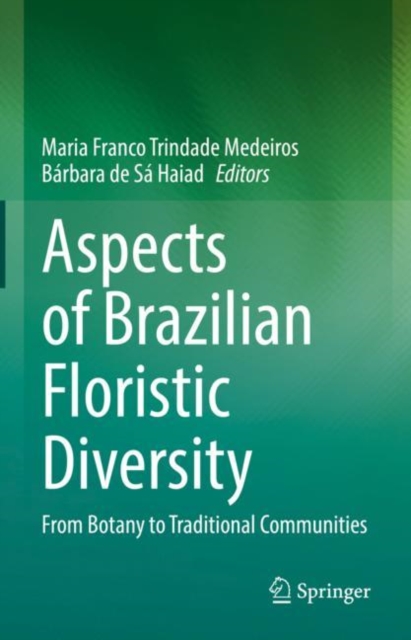
Aspects of Brazilian Floristic Diversity: From Botany to Traditional Communities offers a unique approach in floristic diversity of the Neotropical region, specifically encompassing the Brazilian flora.
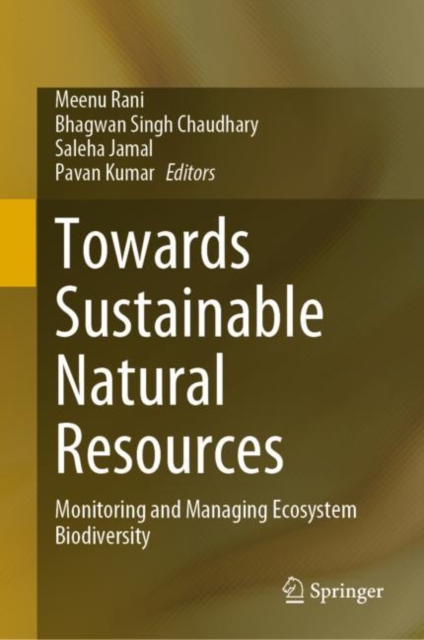
Natural resources not only contribute to overall growth of the economy but also help reduce poverty by providing employment and food security to populations on the continent, and is thus the most inclusive growth sector of the economy of Asian countries.
In recent decades, practices like the cultivation of a few high-yielding crop varieties on a large scale, the application of heavy machinery and continued mechanization of agriculture, the removal of natural habitats, and the application of pesticides and synthetics have resulted in the simplification of agro-ecosystems.
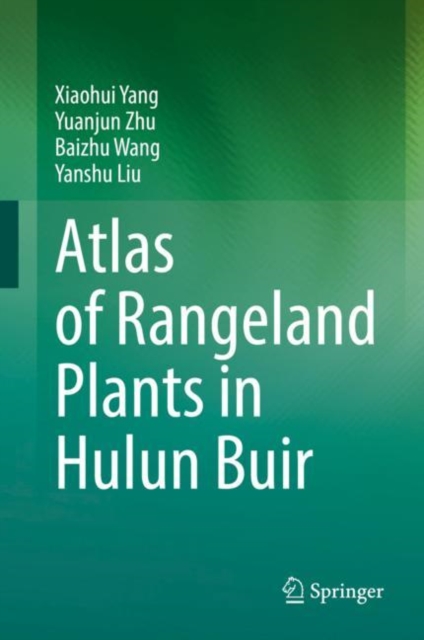
This book includes description of main morphological characteristics of 435 species (including varieties and subspecies) belonging to 57 families and 233 genera of endemic and endangered plants of Hulun Buir Rangeland in China.
This book highlights the importance of non-wood forest products (NWFPs) and their crucial role in sustaining the livelihood of rural and indigenous communities in Asia.
The seventh volume in the series "e;Ethology and Behavioral Ecology of Marine Mammals"e; describes aspects of the often-complex relationship between humans and marine mammals.
In this book, an international team of leading marine mammal scientists, with a remarkably diverse set of backgrounds and areas of expertise, lead you through a synthesis of current knowledge on baleen whales.
The monograph is based on the research and training activities in the Western Pacific Ocean Region within the umbrella of UNESCO/IOC-Sub-Commission for the Western Pacific Region.
The resilience of food systems and security to emerging challenges and threats, especially in the context of environmental and climate risks and global pandemics such as the Covid-19 crisis, is currently gaining growing importance in research, policy, and practice.
Problems of insect enumeration and assessment of needs are addressed in the contexts of rapid and substantial losses and changes to all key Australian terrestrial and freshwater environments and promoting awarenesss of the importance of insects.
This book examines the development needs of protected areas with threatened ecological biodiversity to gain deeper understanding of the local perspective of protected area ecosystems.
Enough laws have been enacted since the adoption of the Nagoya Protocol on access and benefit-sharing to permit a study which is capable of accurately portraying the status quo of national implementation of the Protocol and the ensuing practice, emerging challenges and how countries are coping with them.
This book provides an integrated view of Atlantic coastal Patagonian ecosystems, including the physical environment, biodiversity and the main ecological processes, together with their derived ecosystem services and anthropogenic impacts.
This book provides a comprehensive, global exploration of the scale, scope, threats, and drivers of wildlife trafficking from a criminological perspective.
This book will present information on Pantanal vegetation including an updated checklist of flora, useful plants, ecological aspects and some topics never published for this region, such as lichens.