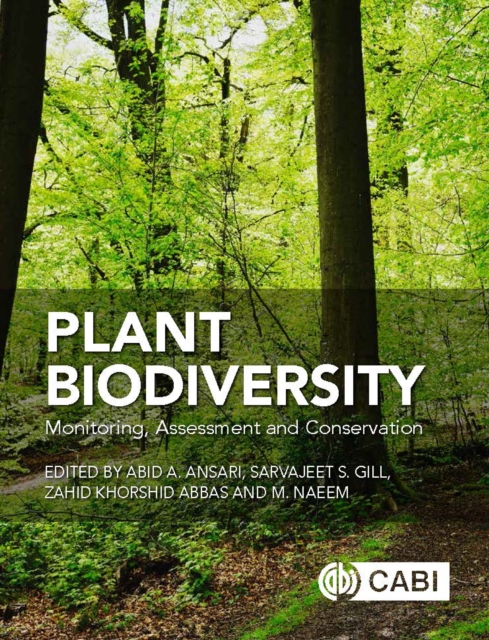
Results of regular monitoring of the species diversity and structure of plant communities is used by conservation biologists to help understand impacts of perturbations caused by humans and other environmental factors on ecosystems worldwide.
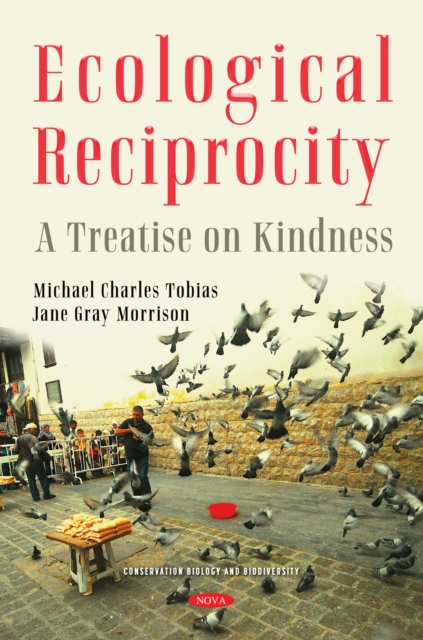
This elegant treatise examines the nature of kindness through the fascinating lenses and contexts of ancient, medieval and contemporary philosophy, natural history, theories of mind, of natural selection, eco-psychology and sociobiology.
This book introduces the Chinese boletes, including the history, ecological and economic values, as well as the geographical distribution patterns with a highlight on the Tylopilus species.
This landmark scientific reference for scientists, researchers, and students of marine biology tackles the monumental task of taking a complete biodiversity inventory of the Gulf of Mexico with full biotic and biogeographic information.
Thorough, detailed, and scientifically up-to-date, Prairies: A Natural History provides a comprehensive nontechnical guide to the biology and ecology of the prairies, or the Great Plains grasslands of North America, offering a view of the past, a vision for the future, and a clear focus on the present.
Estou comprometido comigo mesmo de que, durante a minha vida estarei observando o mundo em minha volta, tentando encontrar um elo que explique porque este cosmo infinito esta aqui.
This book simulates a historical walk through nature, teaching readers about the biodiversity on Earth in various eras with a focus on past terrestrial environments.
Conservation interest in moths, by far the predominant components of Lepidoptera, lags far behind that for butterflies, for which conservation practice provides many well-established lessons for extension to their near relatives.
On the Origin of Species outlines Charles Darwin's world-changing theory that life on Earth had not been brought into being by a creator, but had arisen from a single common ancestor and had evolved over time through the process of natural selection.
This book is the result of collaboration between botanists and food chemists, with the purpose of improving the knowledge of the main wild species of traditional use as foods in the Mediterranean area, focus on ethnobotanical aspects, natural production, uses and nutritional aspects.
Innovative Strategies for Teaching in the Plant Sciences focuses on innovative ways in which educators can enrich the plant science content being taught in universities and secondary schools.
This book provides a comprehensive exploration of plant functional traits and their critical role in understanding and predicting ecosystem functions in response to environmental changes.
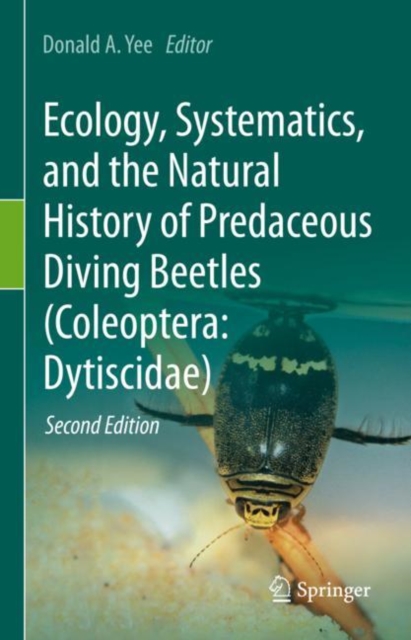
The 2nd edition of this comprehensive book provides one of the most complete overviews of the aquatic beetles in the family Dytiscidae, also known as predaceous diving beetles.
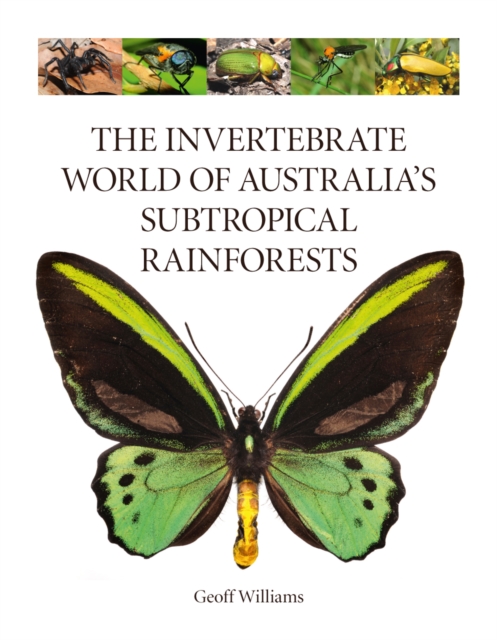
The Invertebrate World of Australia's Subtropical Rainforests is a comprehensive review of Australia's Gondwanan rainforest invertebrate fauna, covering its taxonomy, distribution, biogeography, fossil history, plant community and insect-plant relationships.
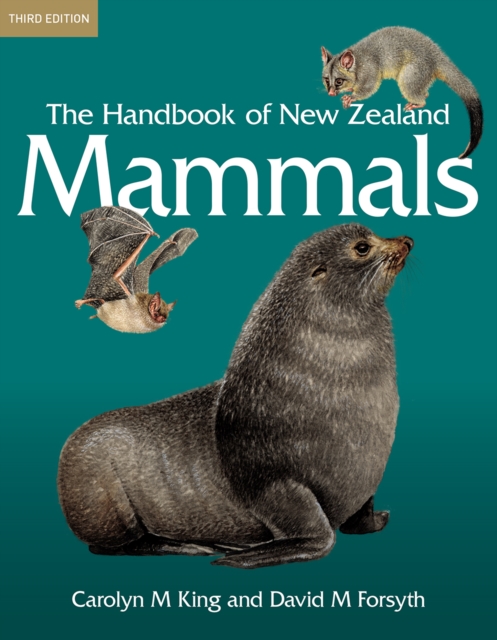
The Handbook of New Zealand Mammals is the only definitive reference on all the land-breeding mammals recorded in the New Zealand region (including the New Zealand sector of Antarctica).