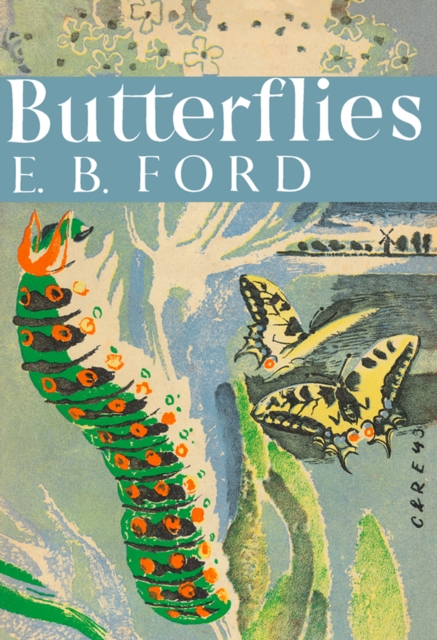
A scientific study that keeps in mind the needs of butterfly collectors and of all those who love the country in the hope that it may increase their pleasure by widening the scope of their interests.
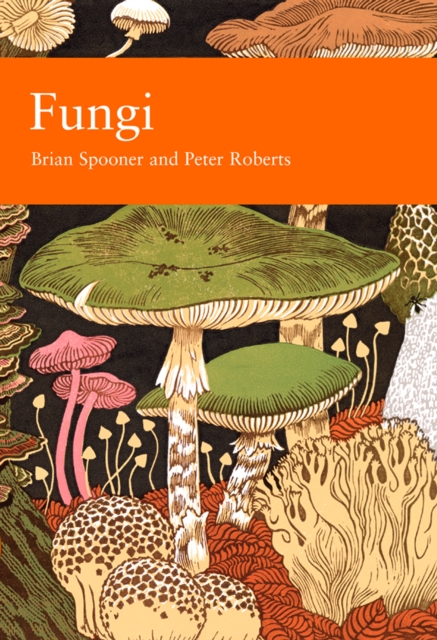
Britain's neglect of fungi as table delicacies has perhaps been responsible for our surprising ignorance of the natural history of such fascinating plants.
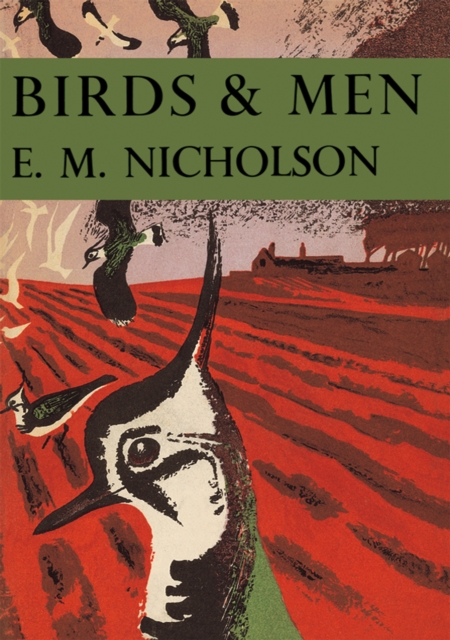
Revealing the impact of civilisation upon our bird life, with particular reference to the species that have come to rely largely on types of habitat greatly modified or actually formed by human action.
Leslie Brown's account of our 15 resident, 7 vagrant and 2 migrant species of eagles, falcons, hawks and vultures in Britain presents a great mass of scientific information about our birds of prey in a manner as attractive to the general reader as to the dedicated ornithologist.
Ever wondered why primroses have three sorts of flowers; or about pesticide resistance in rats and mice, mosquitoes and green-fly; antibiotic resistance in disease organisms - all are examples of genetical adjustment, explained in this book.
In addition to dealing with the general biology and behaviour of the birds, Dr Perrins gives full attention to such things as their social lives, their intelligence and adaptiveness, and their puzzling ability to adjust their population sizes to the future availability of food.
Farming and Wildlife argues forcefully that wild species are, in fact, beneficial to the land as a whole: without them its productivity will fall and farming will inevitably suffer.
Mammals in the British Isles looks at the influences on their numbers and distribution, both now and in the past, examines aspects of their biology with emphasis on function and physiology, and concludes with an account of relationships with man.
Ferns gives the reader an introduction to the reasons for the variety of ferns in the British Isles, as well as the history of their development within this landscape and their use by man.
A comprehensive natural history of one of Britain's favourite animalsThe badger has for many years occupied a unique place in the British consciousness.
Building on the solid foundations established by the two earlier New Naturalist volumes on this subject, eminent herpetologists Trevor Beebee and Richard Griffiths have brought together a wealth of new and fascinating information on the British amphibians and reptiles.
This is a brand new, fully updated edition of the natural history classic first published in the New Naturalist series in 1973 as The Pollination of Flowers.
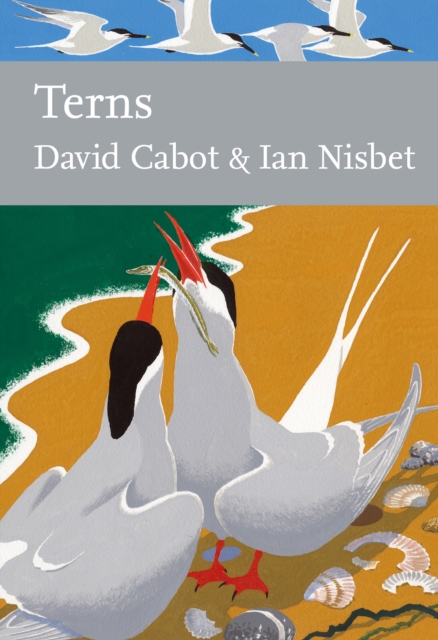
This New Naturalist volume provides a much-anticipated overview of these fascinating birds - the first book on the natural history of British and Irish terns since 1934.
Recognizing the increasing rate of species loss on a global scale and that neither pollution nor ecosystems respects political boundaries, cooperation on many different levels is required to conserve biodiversity.
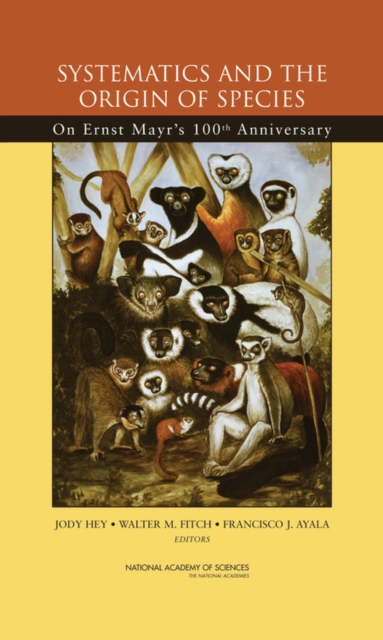
In December 2004, the National Academy of Sciences sponsored a colloquiumon "e;Systematics and the Origin of Species"e; to celebrate Ernst Mayr's100th anniversary and to explore current knowledge concerning the originof species.
Recognizing the increasing rate of species loss on a global scale and that neither pollution nor ecosystems respects political boundaries, cooperation on many different levels is required to conserve biodiversity.
In December 2004, the National Academy of Sciences sponsored a colloquiumon "e;Systematics and the Origin of Species"e; to celebrate Ernst Mayr's100th anniversary and to explore current knowledge concerning the originof species.
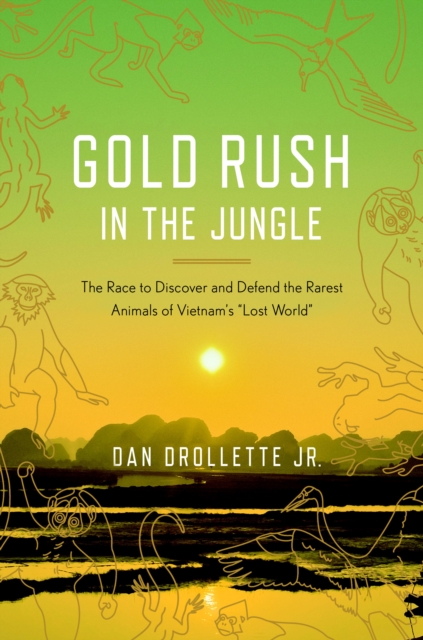
An engrossing, adventure-filled account of the rush to discover and save Vietnam''s most extraordinary animals Deep in the jungle where the borders of Vietnam meet those of Laos and Cambodia is a region known as "the lost world.
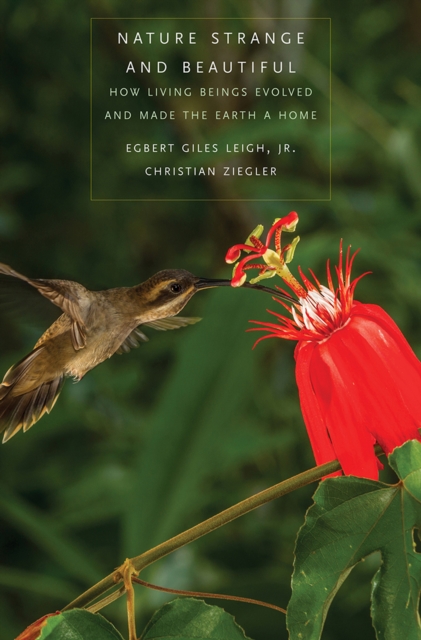
A beautifully written exploration of how cooperation shaped life on earth, from its single-celled beginnings to complex human societiesIn this rich, wide-ranging, beautifully illustrated volume, Egbert Leigh explores the results of billions of years of evolution at work.
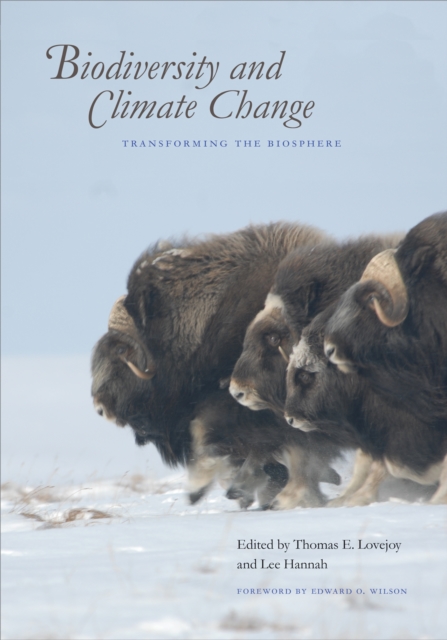
An essential, up-to-date look at the critical interactions between biological diversity and climate change that will serve as an immediate call to action The physical and biological impacts of climate change are dramatic and broad'ranging.
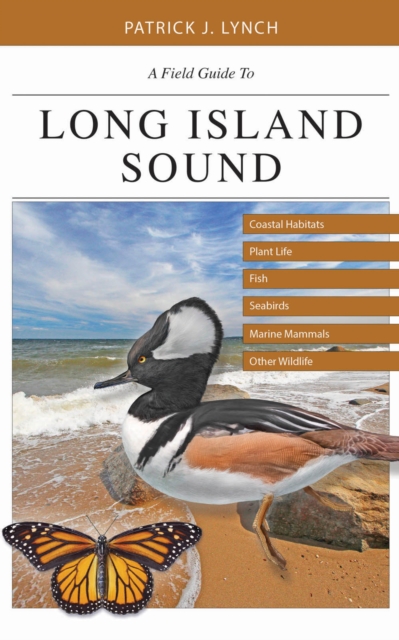
A lavishly illustrated and long-overdue guidebook to the rich natural history of Long Island Sound and its coastlines, a region beloved by millions of people Long Island Sound consists of a diverse collection of unique marine, estuarine, and terrestrial ecosystems located in one of the most densely populated regions in the United States.
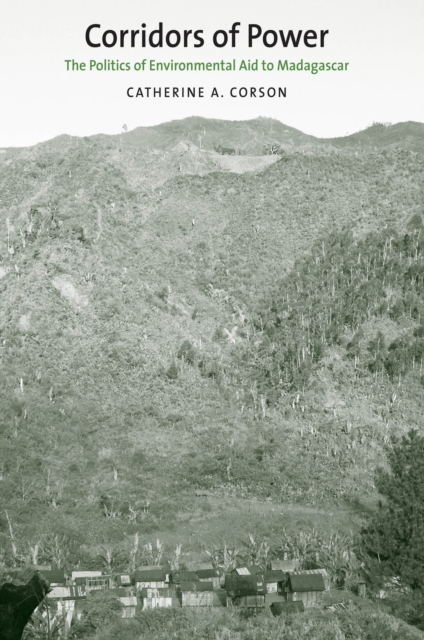
A highly regarded academic and former policy analyst and consultant charts the forty-year history of neoliberalism, environmental governance, and resource rights in Madagascar Since the 1970s, the U.
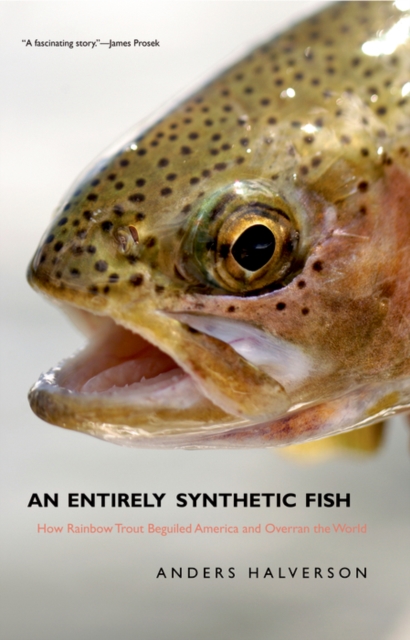
Anders Halverson provides an exhaustively researched and grippingly rendered account of the rainbow trout and why it has become the most commonly stocked and controversial freshwater fish in the United States.
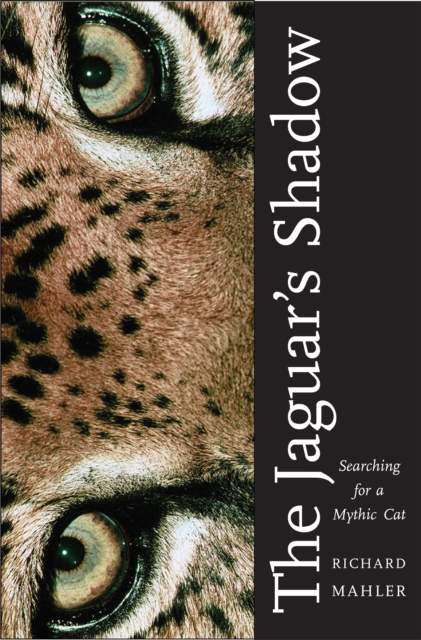
When the nature writer Richard Mahler discovers that wild jaguars are prowling a remote corner of his home state of New Mexico, he embarks on a determined quest to see in the flesh a big, beautiful cat that is the stuff of legend—yet verifiably real.
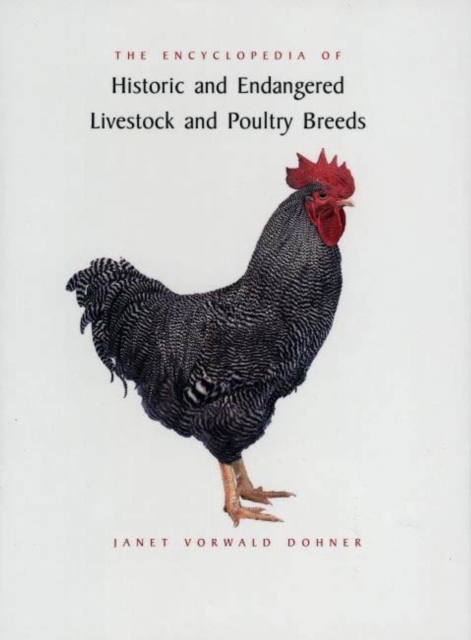
The hardy, multipurpose Dominique chickens that came to the New World with the Pilgrims and later traveled in pioneer saddlebags to help settle the West were once too numerous to count; by 1990 a mere 500 hens survived.
Serengeti National Park is one of the world's most diverse ecosystems, a natural laboratory for ecology, evolution, and conservation, with a history that dates back at least four million years to the beginnings of human evolution.
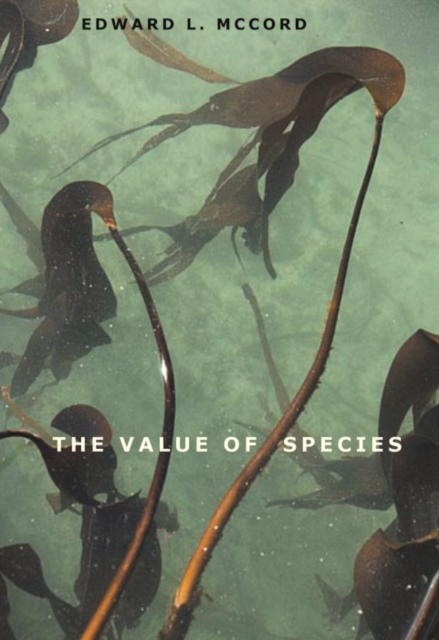
Scores of wild species and ecosystems around the world face a variety of human-caused threats, from habitat destruction and fragmentation to rapid climate change.