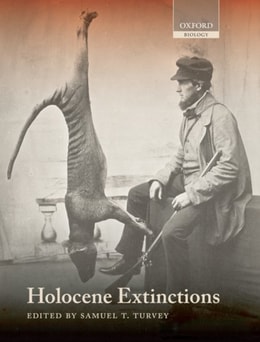
The extent to which human activity has influenced species extinctions during the recent prehistoric past remains controversial due to other factors such as climatic fluctuations and a general lack of data.
With up to a quarter of all insect species heading towards extinction over the next few decades, there is now a pressing need to summarize the techniques available for measuring insect diversity in order to develop effective conservation strategies.
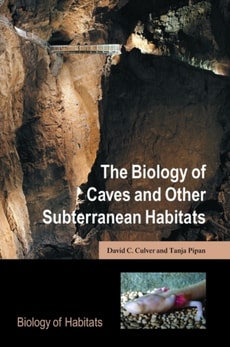
Caves and other subterranean habitats with their often strange (even bizarre) inhabitants have long been objects of fascination, curiosity, and debate.
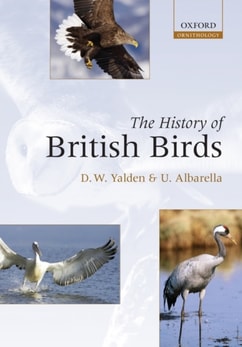
The History of British Birds reviews our knowledge of avifaunal history over the last 15,000 years, setting it in its wider historical and European context.
This book is unique in providing a global overview of alpine (high mountain) habitats that occur above the natural (cold-limited) tree line, describing the factors that have shaped them over both ecological and evolutionary timescales.
The relentless exploitation and unsustainable use of wildlife, whether for food, medicine or other uses, is a key concern for conservationists worldwide.
Australia's varied grasslands have suffered massive losses and changes since European settlement, and those changes continue under increasingly intensive human pressures for development and agricultural production.
This book illustrates an alternative approach to 'state of sustainability' reporting by presenting cross-sectoral and multi-disciplinary discussions on sustainability issues in the context of a developing country, Botswana.
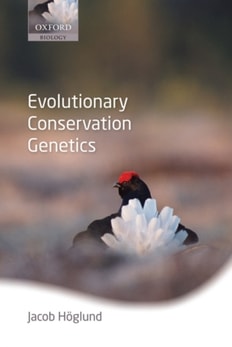
One of the greatest unmet challenges in conservation biology is the genetic management of fragmented populations of threatened animal and plant species.
The musteloids are the most diverse super-family among carnivores, ranging from little known, exotic, and highly-endangered species to the popular and familiar, and include a large number of introduced invasives.
This book offers a multidisciplinary analysis of the degradation process of an ecosystem, drawing upon the Mar Menor as a case study to highlight the damage human pressure causes to the environment.
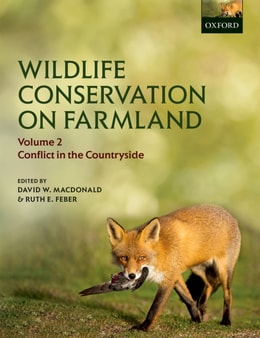
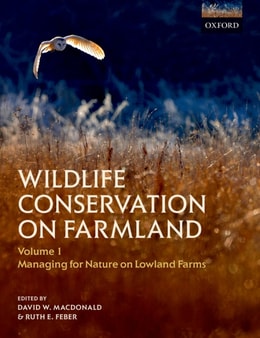
Many of the encounters between farming and wildlife, especially vertebrates, involve some level of conflict which can cause disadvantage to both the wildlife and the people involved.
Using more than 30 years research from the author team at the Wildlife Conservation Research Unit (WildCRU), this volume reveals how agricultural systems and wildlife interact, presenting examples from scales varying from landscape to microcosm, from populations to individuals, covering plants, invertebrates, birds, and mammals.
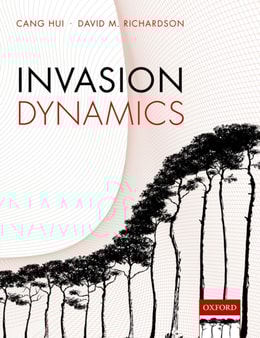
Humans have moved organisms around the world for centuries but it is only relatively recently that invasion ecology has grown into a mainstream research field.
Humans have moved organisms around the world for centuries but it is only relatively recently that invasion ecology has grown into a mainstream research field.
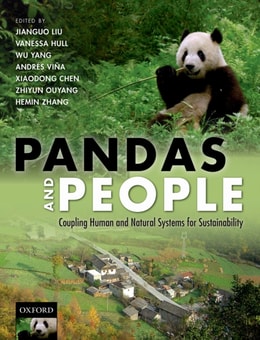
Understanding the complex relationships between humans and the natural world is essential for achieving environmental sustainability and improving human well-being, yet many studies are unable to reveal complex interactions and hidden trends.
Understanding the complex relationships between humans and the natural world is essential for achieving environmental sustainability and improving human well-being, yet many studies are unable to reveal complex interactions and hidden trends.
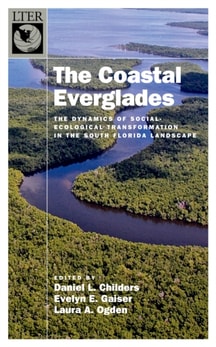
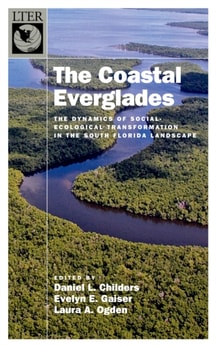
The Coastal Everglades presents a broad overview and synthesis of research on the coastal Everglades, a region that includes Everglades National Park, adjacent managed wetlands, and agricultural and urbanizing communities.
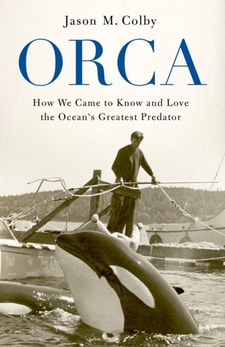
Since the release of the documentary Blackfish in 2013, millions around the world have focused on the plight of the orca, the most profitable and controversial display animal in history.
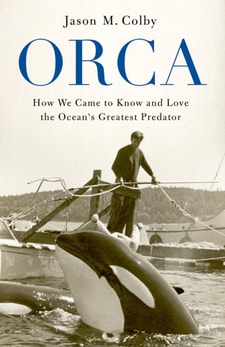
Since the release of the documentary Blackfish in 2013, millions around the world have focused on the plight of the orca, the most profitable and controversial display animal in history.
This book is about tropical biology in action- how biologists grapple with the ecology and evolution of the great species diversity in tropical rainforests and coral reefs.
This book is about tropical biology in action- how biologists grapple with the ecology and evolution of the great species diversity in tropical rainforests and coral reefs.
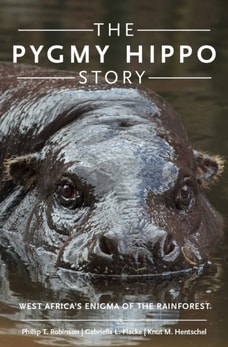
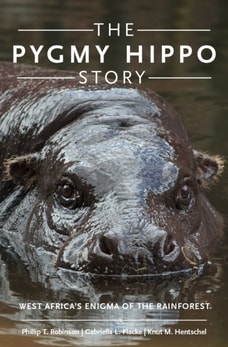
Though the pygmy hippopotamus has been designated as a flagship species of West African forests (meaning that by raising conservation efforts for a single species, an entire ecological region could benefit), very little research has been published on the animal.
Though the pygmy hippopotamus has been designated as a flagship species of West African forests (meaning that by raising conservation efforts for a single species, an entire ecological region could benefit), very little research has been published on the animal.
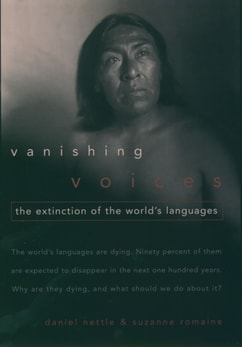
Few people know that nearly 100 native languages once spoken in what is now California are near extinction, or that most of Australia's 250 aboriginal languages have vanished.
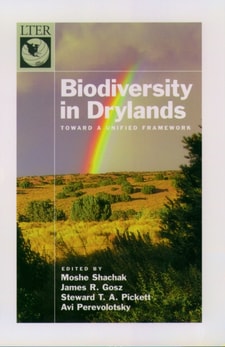
Biodiversity in Drylands, the first internationally based synthesis volume in the Long-Term Ecological Research (LTER) Network Series, unifies the concepts of species and landscape diversity with respect to deserts.
Natural Resources Conservation and Advances for Sustainability addresses the latest challenges associated with the management and conservation of natural resources.
The Coastal Everglades presents a broad overview and synthesis of research on the coastal Everglades, a region that includes Everglades National Park, adjacent managed wetlands, and agricultural and urbanizing communities.
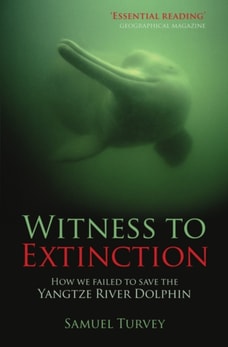
'In the gloom it came along the branches towards me, its round, hypnotic eyes blazing, its spoon-like ears turning to and fro independently like radar dishes .
Over the past several decades, the field of invasion biology has rapidly expanded as global trade and the spread of human populations have increasingly carried animal and plant species across natural barriers that have kept them ecologically separated for millions of years.
Natural Resources Conservation and Advances for Sustainability addresses the latest challenges associated with the management and conservation of natural resources.
This book presents recent research work on Biosaline Agriculture presented during First International Forum on Biosaline Agriculture in Laayoune, Morocco from May 3rd to May 4th 2019.
The resilience of food systems and security to emerging challenges and threats, especially in the context of environmental and climate risks and global pandemics such as the Covid-19 crisis, is currently gaining growing importance in research, policy, and practice.