En noviembre de 2020, en medio de la emergencia provocada por la pandemia del Covid-19, el huracan Iota conmociono a los habitantes del Archipielago de San Andres, Providencia y Santa Catalina.
Para que tengamos un planeta mejor, más justo y sustentable, sin duda alguna debemos apostarle a la cocreación de otras educaciones posibles que tejan procesos y que, a su vez, posibiliten la visibilización de un mágico territorio, como lo es el páramo, sus habitantes y la manera en la que históricamente se han entrelazado memorias y sentimientos en torno a su terruño.
This handy guide provides the information needed to identify all the species of marine mammals that occur along the California coast, and tells the best places to observe them.
This handy guide provides the information needed to identify all the species of marine mammals that occur along the California coast, and tells the best places to observe them.
Millions upon millions of salmon and steelhead once filled California streams, providing a plentiful and sustainable food resource for the original peoples of the region.
A new expanded and illustrated edition of the history-making speeches of Greta Thunberg, the young activist who has become the voice of a generation'We are the change and change is coming' In August 2018 a fifteen-year-old Swedish girl, Greta Thunberg, decided not to go to school one day.
'One of the most influential books about the natural world ever published' Paul Kingsnorth, Guardian'There are some who can live without wild things, and some who cannot,' begins Aldo Leopold's totemic work of ecological thought.
THE INTERNATIONAL BESTSELLER'A scientific memoir as gripping as any HBO drama series' Kate Kellaway, ObserverA dazzling scientific detective story from the ecologist who first discovered the hidden language of trees No one has done more to transform our understanding of trees than the world-renowned scientist Suzanne Simard.
Straddling temperate forests and grassland biomes and stretching along the coastline of two Great Lakes, Wisconsin contains tallgrass prairie and oak savanna, broadleaf and coniferous forests, wetlands, natural lakes, and rivers.
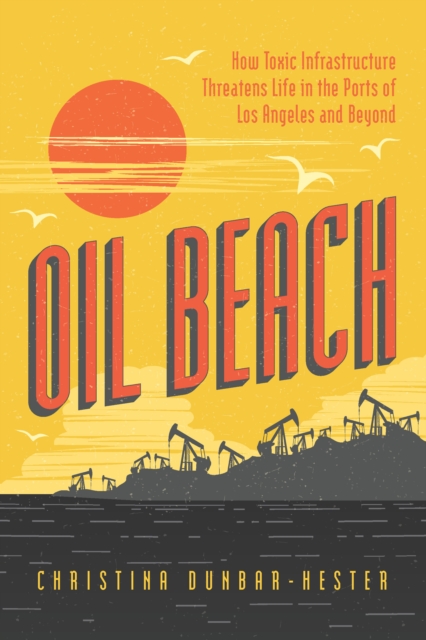
Can the stories of bananas, whales, sea birds, and otters teach us to reconsider the seaport as a place of ecological violence, tied to oil, capital, and trade?
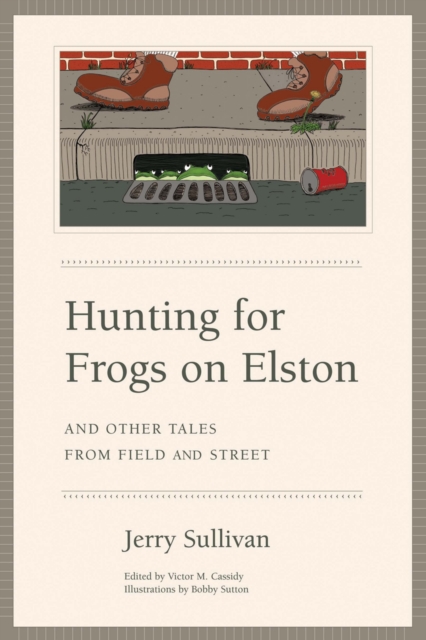
A selection of savvy observations on urban ecology from one of the Midwest's foremost authorities on the subject, Hunting for Frogs on Elston collects the best of naturalist Jerry Sullivan's weekly Field & Street columns, originally published in the Chicago Reader.
Serengeti National Park is one of the world's most diverse ecosystems, a natural laboratory for ecology, evolution, and conservation, with a history that dates back at least four million years to the beginnings of human evolution.
In Abundant Earth, Eileen Crist not only documents the rising tide of biodiversity loss, but also lays out the drivers of this wholesale destruction and how we can push past them.
Scores of wild species and ecosystems around the world face a variety of human-caused threats, from habitat destruction and fragmentation to rapid climate change.
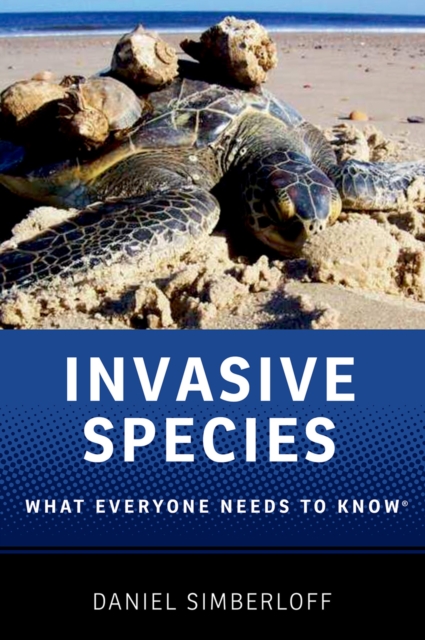
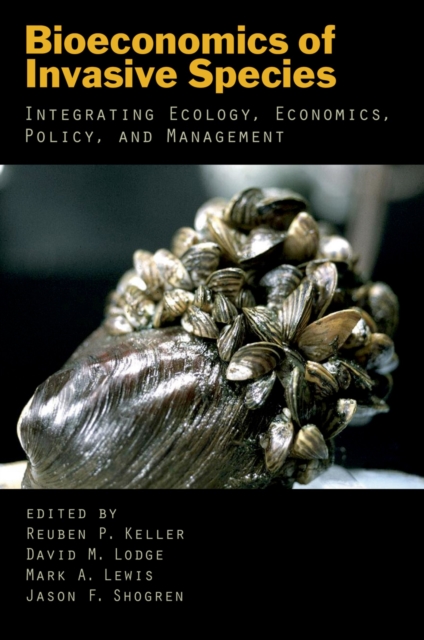
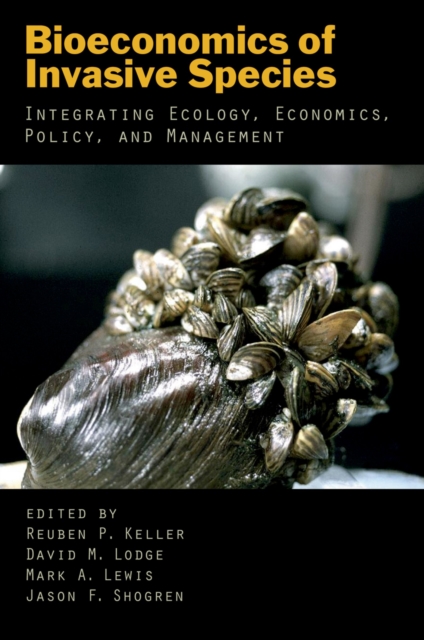
Over the past several decades, the field of invasion biology has rapidly expanded as global trade and the spread of human populations have increasingly carried animal and plant species across natural barriers that have kept them ecologically separated for millions of years.
News headlines would often have us believe that conservationists are inevitably locked in conflict with the people who live and work on the lands they seek to protect.
Dependent on a shrinking supply of bamboo, hunted mercilessly for its pelt, and hostage to profiteering schemes once in captivity, the panda is on the brink of extinction.
The rapid growth of the American environmental movement in recent decades obscures the fact that long before the first Earth Day and the passage of the Endangered Species Act, naturalists and concerned citizens recognized-and worried about-the problem of human-caused extinction.
Land degradation and desertification are amongst the most severe threats to human welfare and the environment, as they affect the livelihoods of some 2 billion people in the worlds drylands, and they are directly connected to pressing global environmental problems, such as the loss of biological diversity or global climate change.
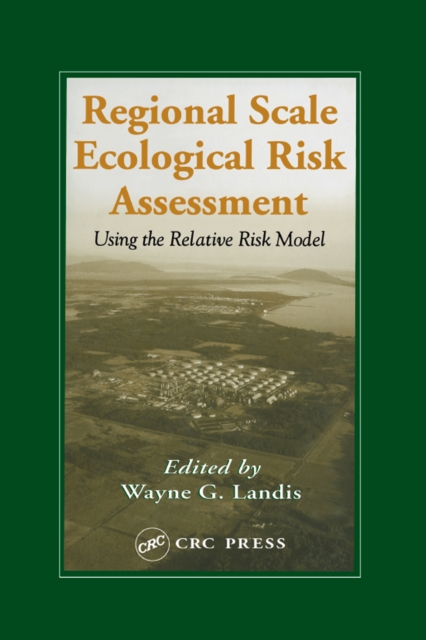
As debates over how relative risk can be used to shape landscape-scale environmental management intensify, Regional-Scale Risk Assessment demonstrates the capabilities of RRM using nine case studies in the Pacific Northwest, Pennsylvania, Brazil, and Tasmania.
Written by renowned experts in the field, Sampling Strategies for Natural Resources and the Environment covers the sampling techniques used in ecology, forestry, environmental science, and natural resources.
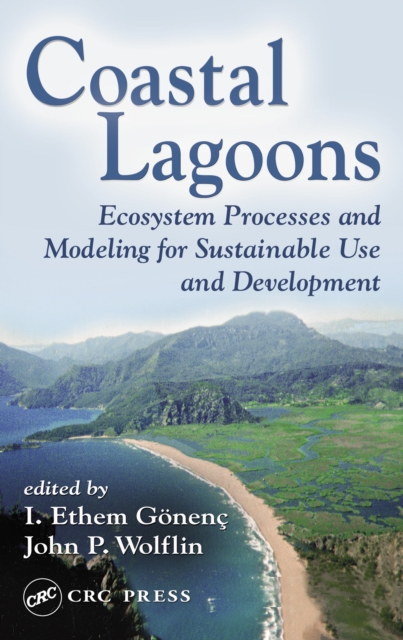
Coastal Lagoons: Ecosystem Processes and Modeling for Sustainable Use and Development describes the concepts, models, and data needed to design and implement management programs for long-term sustainability of coastal lagoons.
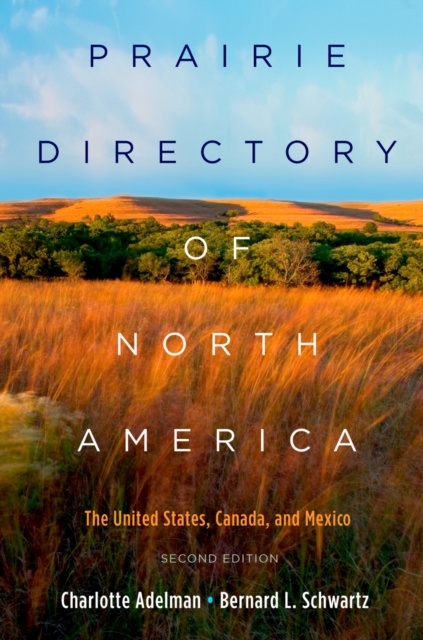
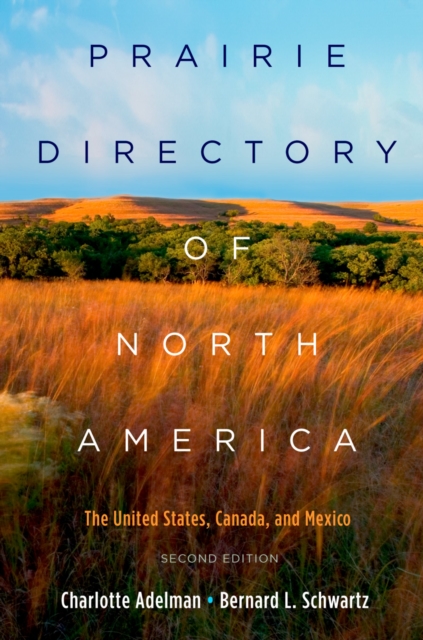
The first single, comprehensive source for locating North American public prairies, grasslands, and savannas, Prairie Directory of North America is a guide unlike any other.
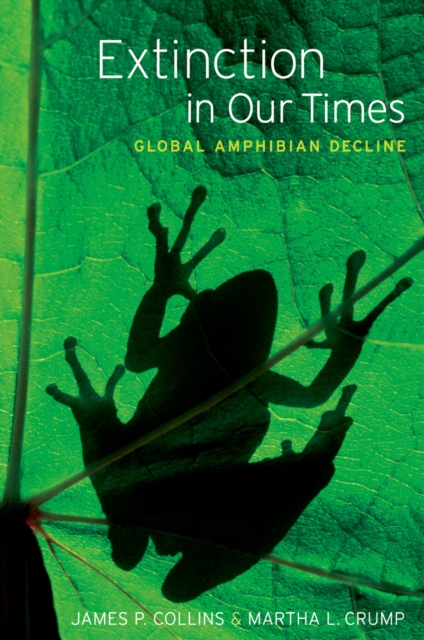
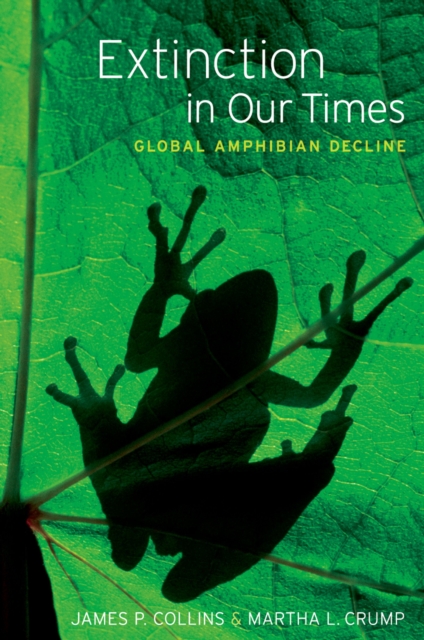
For over 350 million years, thousands of species of amphibians have lived on earth, but since the 1990s they have been disappearing at an alarming rate, in many cases quite suddenly and mysteriously.
In 1936 a German chemist identified certain organic molecules that he had extracted from ancient rocks and oils as the fossil remains of chlorophyll--presumably from plants that had lived and died millions of years in the past.
In 1936 a German chemist identified certain organic molecules that he had extracted from ancient rocks and oils as the fossil remains of chlorophyll--presumably from plants that had lived and died millions of years in the past.
For over 350 million years, thousands of species of amphibians have lived on earth, but since the 1990s they have been disappearing at an alarming rate, in many cases quite suddenly and mysteriously.
This edited volume collects population and metapopulation models for a wide variety of species, focusing on the use of models in population-level risk assessment for toxins.
The first single, comprehensive source for locating North American public prairies, grasslands, and savannas, Prairie Directory of North America is a guide unlike any other.