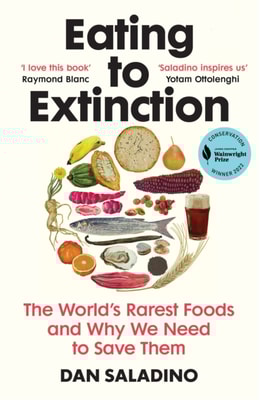
'A book of wonders' Bee Wilson, Sunday Times Books of the YearWinner of the Wainwright Prize 2022 - Eating to Extinction is an astonishing journey through the past, present and future of food, showing why reclaiming a diverse food culture is vital.
This book discusses current knowledge and challenges with the ecological management and conservation of wetlands, with a focus on the East Kolkata Wetlands of India.
International concern in scientific, industrial, and governmental communities of xenobiotics in foods and in both abiotic and biotic environments over traces has justified the present triumvirate of specialized publications in this field: comprehensive reviews, rapidly published research papers and progress reports, and archival documentations.
Danny Seo's brand Simply Green is a way of living that embraces certain rulesBe Authentic, Be Resourceful, Be Simple, Be Unexpected, Be Truthful, and Be an Individual.
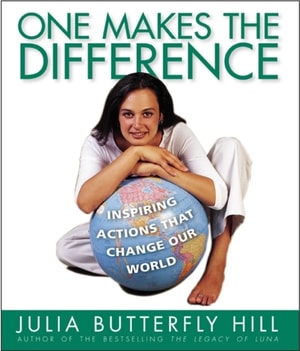
After her record-breaking two year tree sit, Julia Butterfly Hill has ceaslessly continued her efforts to promote sustainability and ecologically-minded ways to save the old-growth redwoods she acted so valiantly to protect.
Repackaged with a new afterword, this "e;valuable and entertaining"e; (New York Times Book Review) book explores how scientists are adapting nature's best ideas to solve tough 21st century problems.
Descriptive writing of a high order this is an extremely intelligent book The TimesJoin Douglas Adams, bestselling and beloved author of The Hitchhiker s Guide to the Galaxy, and zoologist Mark Carwardine on an adventure in search of the world s most endangered and exotic creatures.
Metacommunity ecology links smaller-scale processes that have been the provenance of population and community ecology-such as birth-death processes, species interactions, selection, and stochasticity-with larger-scale issues such as dispersal and habitat heterogeneity.
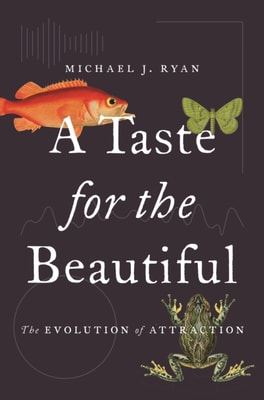
From one of the world's leading authorities on animal behavior, the astonishing story of how the female brain drives the evolution of beauty in animals and humansDarwin developed the theory of sexual selection to explain why the animal world abounds in stunning beauty, from the brilliant colors of butterflies and fishes to the songs of birds and frogs.
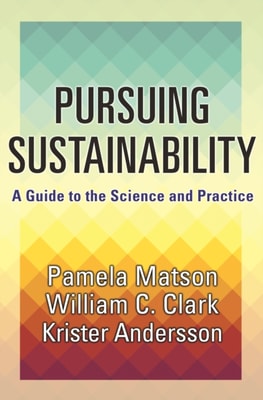
An essential guide to sustainable development for students and practitionersSustainability is a global imperative and a scientific challenge like no other.
The important role that randomness plays in evolutionary changeJohn Tyler Bonner, one of our most distinguished and insightful biologists, here challenges a central tenet of evolutionary biology.
The first book to address nutrition's complex role in biologyNutrition has long been considered more the domain of medicine and agriculture than of the biological sciences, yet it touches and shapes all aspects of the natural world.
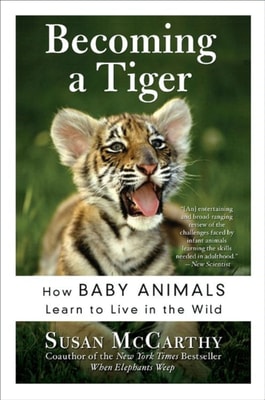
From the co-author of the New York Times bestseller When Elephants Weep comes a book that uses true stories backed by scientific research to explore the way young animals discover their worlds and learn how to survive.
In recent decades, China has undergone rapid economic growth, industrialisation and urbanisation concomitant with deep and extensive structural and social change, profoundly reshaping the country's development landscape and urban-rural relationships.
Protecting Watershed Areas: Case of the Panama Canal provides foresters, hydrologists, and park managers with a case study of the Panama Canal watershed area to help you make the most of your efforts in protecting ecological areas.
WINNER OF THE WAINWRIGHT PRIZE FOR CONSERVATION 2023The Sunday Times Science Book of the YearAs seen on Countryfile'If anyone was born to save Britain's rainforests, it was Guy Shrubsole' Sunday TimesShortlisted for the Richard Jefferies Society Literary PrizeTemperate rainforest may once have covered up to one-fifth of Britain, inspiring Celtic druids, Welsh wizards, Romantic poets, and Arthur Conan Doyle's most loved creations.
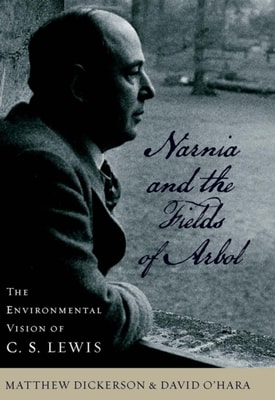
An exploration of the Chronicles of Narnia and the Space Trilogy that "e;enriches our understanding of how to care for our world"e; (Alan Jacobs, author of Breaking Bread with the Dead).
This fully updated special edition of the classic complete guide to the edible species that grow around us includes a new foreword from the author and a plate section with identification guides for all major species.
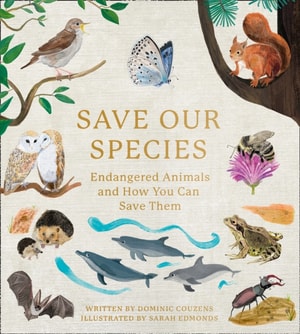
Whether you would like to learn how to build a bird box, dig a hedgehog tunnel or implement broader environmental changes in your community, this practical guide to saving our most endangered species will teach you how you can help on an individual, local and national level.
'Wonderful and enriching' Adam Nicolson'The best book on conservation and the countryside I have read in years' John Lewis-Stempel'A modern pastoral written with intelligence, wit and lyricism' Cal FlynOur wild places and wildlife are disappearing at a terrifying rate.
This is the first comprehensive international atlas featuring all ecological services provided by Ramsar wetlands, with complete views of all Ramsar sites, through remote sensing and mapping.
A groundbreaking approach to scale and scaling in ecological theory and practiceScale is one of the most important concepts in ecology, yet researchers often find it difficult to find ecological systems that lend themselves to its study.
A remarkable look at the rarest butterflies, how global changes threaten their existence, and how we can bring them back from near-extinctionMost of us have heard of such popular butterflies as the Monarch or Painted Lady.
How birds have evolved and adapted to survive winterBirds in Winter is the first book devoted to the ecology and behavior of birds during this most challenging season.
An enthralling exploration of the biologically richest island on Earth, featuring more than 200 spectacular color images by award-winning National Geographic photographer Tim LamanIn this beautiful book, Bruce Beehler, a renowned author and expert on New Guinea, and award-winning National Geographic photographer Tim Laman take the reader on an unforgettable journey through the natural and cultural wonders of the world's grandest island.
Authored by world-class scientists and scholars, The Handbook of Natural Resources, Second Edition, is an excellent reference for understanding the consequences of changing natural resources to the degradation of ecological integrity and the sustainability of life.
Authored by world-class scientists and scholars, The Handbook of Natural Resources, Second Edition, is an excellent reference for understanding the consequences of changing natural resources to the degradation of ecological integrity and the sustainability of life.
Kit Pedler, the scientist who co-created the 'Doomwatch' television series to warn us of the dangers of technology, presents his vision of a totally different way of being in the world.