The new research described in this book demonstrates that the interplay of a host of founding conditions can frequently produce profound differences in population expansion rates and maintenance of genetic diversity in contrasting populations that differ, often only to slight degrees, in initial founding conditions.
Combining background knowledge and practical tools, Handbook of Inland Aquatic Ecosystem Management gives you an overview of how to manage inland waters in a holistic manner.
Part I: Introduction: Definition of a Discipline: Emergence of Landscape Ecology in the History of Ecology; Recognition of Heterogeneity in Ecological Systems; Taking Human Activities into Account in Ecological Systems; Explicit Accounting for Space and Time; Landscape Ecology is based on Scientific Theories Linked to Ecology and Related Discipline
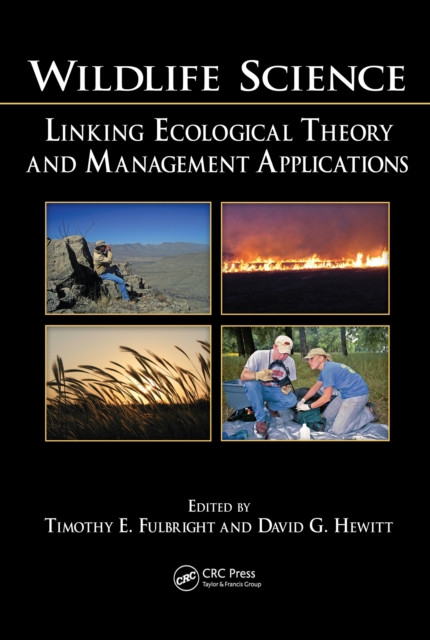
Despite the potential synergy that can result from basing management applications on results from research, there is a polarization of cultures between wildlife managers and wildlife researchers.
Biological Environmental Science is an introductory textbook for undergraduate students who desire a one semester course or, alternatively, a springboard course for advanced environmental offerings.
National parks, wildlife refuges and sanctuaries, natural reserves, conservation areas, frontier lands, and marine-protected areas are increasingly recognized as essential providers of ecosystem services and biological resources.
The impact of invasive species is second only to that of human population growth and associated activities as a cause of the loss of biodiversity throughout the world.
The Protection of Green Spaces for Climate Change Adaptation identifies how spatial planning and climate change adaptation are linked by examining the protection of green spaces in cities across Europe, Africa, the Middle East, South America and Australia.
Any alteration of the natural processes occurring on a piece of land will have expected as well as unanticipated effects, and those effects have little regard for arbitrary human boundaries.
Since the award-winning first volume, The Biology of Sharks and Their Relatives, published in 2004, the field has witnessed tremendous developments in research, rapid advances in technology, and the emergence of new investigators beginning to explore issues of biodiversity, distribution, physiology, and ecology in ways that eluded more traditional
While many "e;alien"e; plant and animal species are purposefully introduced into new areas as ornamentals, livestock, crops, and even pets, these species can escape into other areas and threaten agricultural and native ecosystems causing economic and environmental harm, or harm to human health.
This timely volume examines the work of the National Estuary Program, the prominent federally-funded initiative dealing with pollution and other anthropogenic impacts on estuarine ecosystems and the management plans necessary to ensure that these invaluable natural treasures remain healthy and productive for future generations.
We live in a world of wide pendulum swings regarding management policies for protected areas, particularly as they affect the involvement of local people in management.
The success of the first volume of The Biology of Sea Turtles revealed a need for broad but comprehensive reviews of major recent advances in sea turtle biology.
As a review of the status of biogeography in the West Indies in the 1980s, the first edition of Biogeography of the West Indies: Past, Present, and Future provided a synthesis of our current knowledge of the systematics and distribution of major plant and animal groups in the Caribbean basin.
Investigative Immunotoxicology provides a critical evaluation of proposed experimental animal models and approaches, and discusses the contribution that immunotoxicity can make to the overall assessment of chemical-induced adverse health effects on humans and the ecosystem.
Continuing the tradition of excellence established by the first edition, the Second Edition of Applied Wetlands Science and Technology provides the fundamentals for delineating, identifying, and regulating wetlands.
Consciously or not, wildlife managers generally act from a theoretical basis, although they may not be fully versed in the details or ramifications of that theory.
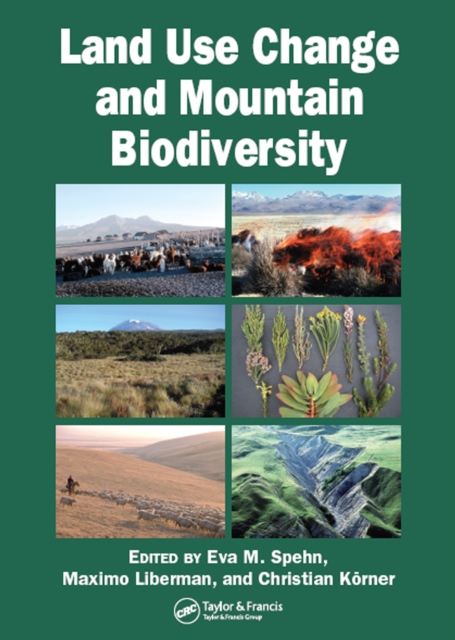
Part of the worldwide biodiversity program DIVERSITAS, the Global Mountain Biodiversity Assessment (GMBA) assesses the biological richness of high-elevation biota.
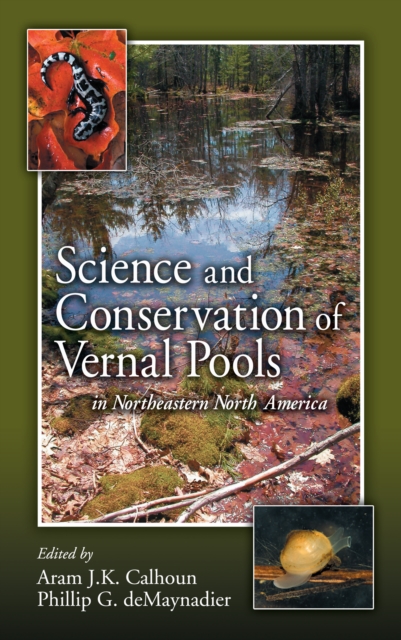
Synthesizes Decades of Research on Vernal Pools SciencePulling together information from a broad array of sources, Science and Conservation of Vernal Pools in Northeastern North America is a guide to the issues and solutions surrounding seasonal pools.
A richly illustrated field guide to all of North America's major habitatspacked with invaluable information to help you get the most out of your outdoor adventuresWhether you're a birder, naturalist, outdoor enthusiast, or ecologist, knowing the surrounding habitat is essential to getting the most out of your experiences in the field.
A remarkable look at the rarest butterflies, how global changes threaten their existence, and how we can bring them back from near-extinctionMost of us have heard of such popular butterflies as the Monarch or Painted Lady.
'An honest, compelling and important account, and a critical plea for a fusion of farming, food and nature to provide global ecological security' CHRIS PACKHAMWhy are so many animals facing extinction?
________________ WINNER OF THE 2015 PULITZER PRIZE FOR GENERAL NON-FICTION ________________ 'An invaluable contribution to our understanding of present circumstances, just as the paradigm shift she calls for is sorely needed' - Al Gore, New York Times 'Compelling .
Using a question and answer format, this entertaining narrativeaddresses a multitude of general interest questions about the sea, sea life,seabirds and man's relationship with the sea.