After decades of operating off-the-backfoot and protecting and conserving nature perceived as under threat, conservationists are becoming proactive and creative in the face of habitat loss, agricultural intensification and climate change.
After decades of operating off-the-backfoot and protecting and conserving nature perceived as under threat, conservationists are becoming proactive and creative in the face of habitat loss, agricultural intensification and climate change.
Great uncertainty typically surrounds decisions and management actions in the conservation of biodiversity and natural resource management, and yet there are risks of serious and irreversible harm for both biodiversity and the humans that rely on it.
Great uncertainty typically surrounds decisions and management actions in the conservation of biodiversity and natural resource management, and yet there are risks of serious and irreversible harm for both biodiversity and the humans that rely on it.
Not since the 19th century has the future of the countryside been such a focus of political and public attention, nor of profound uncertainty and anguished debate.
Not since the 19th century has the future of the countryside been such a focus of political and public attention, nor of profound uncertainty and anguished debate.
British imperialism was almost unparalleled in its historical and geographical reach, leaving a legacy of entrenched social transformation in nations and cultures in every part of the globe.
British imperialism was almost unparalleled in its historical and geographical reach, leaving a legacy of entrenched social transformation in nations and cultures in every part of the globe.
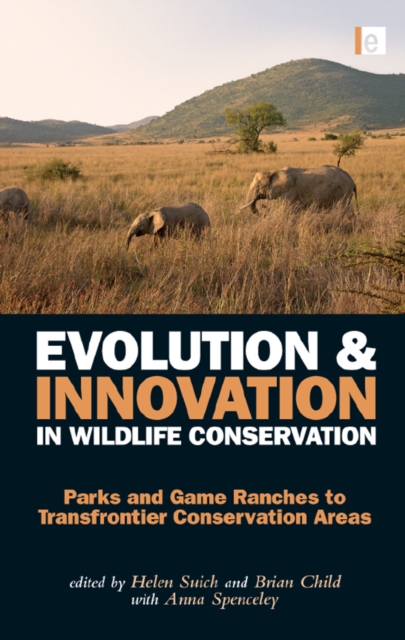
The crucible of innovation in wildlife and habitat conservation is in southern Africa where it has co-evolved with decolonization, political transformation and the rise of development, ownership, management and livelihood debates.
The crucible of innovation in wildlife and habitat conservation is in southern Africa where it has co-evolved with decolonization, political transformation and the rise of development, ownership, management and livelihood debates.
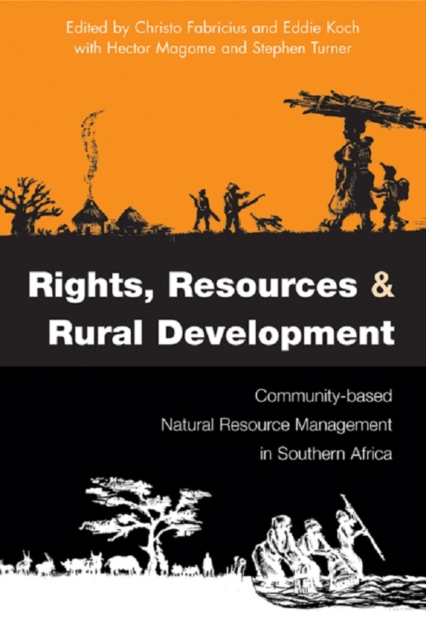
Community-based natural resource management (CBNRM) is an approach that offers multiple related benefits: securing rural livelihoods; ensuring careful conservation and management of biodiversity and other resources; and empowering communities to manage these resources sustainably.
Community-based natural resource management (CBNRM) is an approach that offers multiple related benefits: securing rural livelihoods; ensuring careful conservation and management of biodiversity and other resources; and empowering communities to manage these resources sustainably.
'This book carefully blends conceptual insights with extensive empirical evidence to navigate the reader through an issue that is still poorly understood [and is] a valuable reference for the development practitioner to understand the fundamental causes of illegal logging, its myriad consequences and the policy choices available to address the problem' Nalin Kishor, Forest Law Enforcement and Governance Coordinator, The World Bank 'An excellent resource for those working to conserve and sustainably manage forests worldwide.
'This book carefully blends conceptual insights with extensive empirical evidence to navigate the reader through an issue that is still poorly understood [and is] a valuable reference for the development practitioner to understand the fundamental causes of illegal logging, its myriad consequences and the policy choices available to address the problem' Nalin Kishor, Forest Law Enforcement and Governance Coordinator, The World Bank 'An excellent resource for those working to conserve and sustainably manage forests worldwide.
'This book aims to inspire the conservation community not to regard poverty reduction as someone else's job but to take responsibility for it as part of ecosystem restoration.
'This book aims to inspire the conservation community not to regard poverty reduction as someone else's job but to take responsibility for it as part of ecosystem restoration.
This handbook, produced by world renowned experts from the World Conservation Union (IUCN), spans the full terrain of protected area management and is the international benchmark for the field.
This handbook, produced by world renowned experts from the World Conservation Union (IUCN), spans the full terrain of protected area management and is the international benchmark for the field.
This book brings together scientists and practitioners from five continents to present their experience in undertaking activities that contribute to our understanding and informed management of mountain areas.
This book brings together scientists and practitioners from five continents to present their experience in undertaking activities that contribute to our understanding and informed management of mountain areas.
This groundbreaking volume is the first comprehensive, critical examination of the rise of protected areas and their current social and economic position in our world.
This groundbreaking volume is the first comprehensive, critical examination of the rise of protected areas and their current social and economic position in our world.
Parks face intense pressure from both environmental and developmental perspectives to conserve biodiversity and provide economic opportunities for rural communities.
Parks face intense pressure from both environmental and developmental perspectives to conserve biodiversity and provide economic opportunities for rural communities.
,[A] fascinating volume, which establishes marine environmental history as a major new discipline for academics as well as an exciting way to bring history and the natural world alive for the public.
,[A] fascinating volume, which establishes marine environmental history as a major new discipline for academics as well as an exciting way to bring history and the natural world alive for the public.
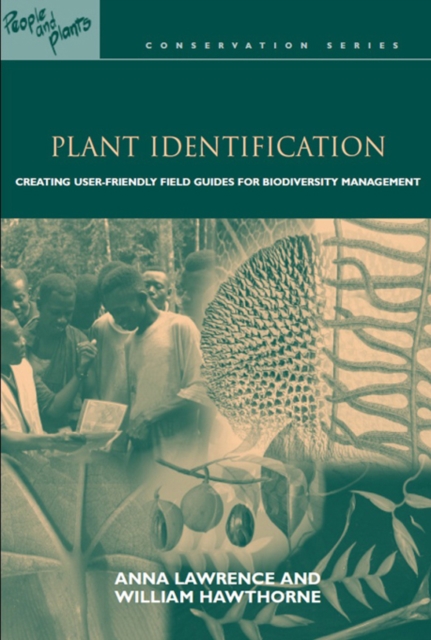
In this, the latest in the People and Plants series, plant conservation is described in the context of livelihoods and development, and ways of balancing the conservation of plant diversity with the use of plants and the environment for human benefit are discussed.
In this, the latest in the People and Plants series, plant conservation is described in the context of livelihoods and development, and ways of balancing the conservation of plant diversity with the use of plants and the environment for human benefit are discussed.
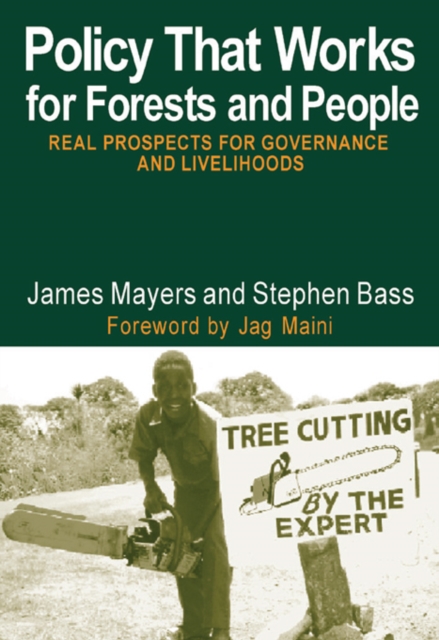
Since its original publication by the International Institute for Environment and Development in 1999, Policy That Works for Forests and People has been recognised as the most authoritative study to date of policy processes that affect forests and people.
Since its original publication by the International Institute for Environment and Development in 1999, Policy That Works for Forests and People has been recognised as the most authoritative study to date of policy processes that affect forests and people.
Deforestation is frequently a topic of discussion in the environmental arena, but it is not just the number of trees that matters; the quality of the forest is also important.
Deforestation is frequently a topic of discussion in the environmental arena, but it is not just the number of trees that matters; the quality of the forest is also important.