We live in a world confronted by mounting environmental problems; increasing global deforestation and desertification, loss of species diversity, pollution and global warming.
In a new and critical analysis, this book explores the impact of an influential idea - sustainable development - on the institutions and practices governing use of land.
In a new and critical analysis, this book explores the impact of an influential idea - sustainable development - on the institutions and practices governing use of land.
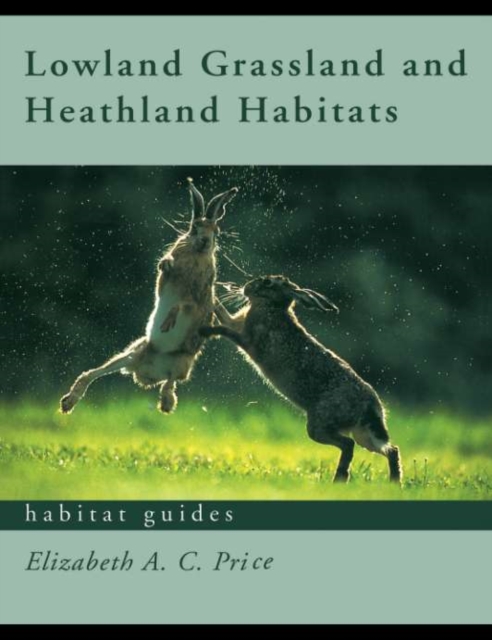
Grasslands are everywhere: agricultural land, playing fields and road verges; but while species-poor, intensively managed grasslands are widespread, colourful semi-natural grasslands and heathlands, buzzing with life, are scarce.
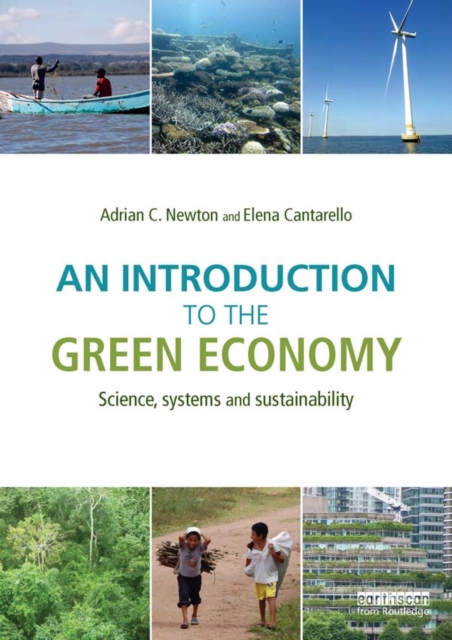
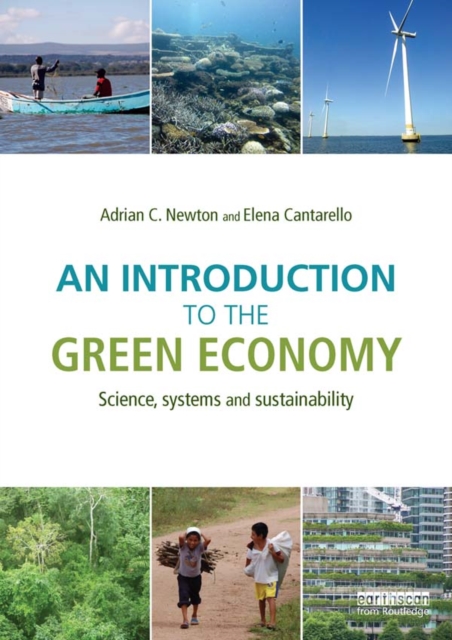
The green economy is widely seen as a potential solution to current global economic and environmental crises, and a potential mechanism by which sustainable development might be achieved in practice.
The green economy is widely seen as a potential solution to current global economic and environmental crises, and a potential mechanism by which sustainable development might be achieved in practice.
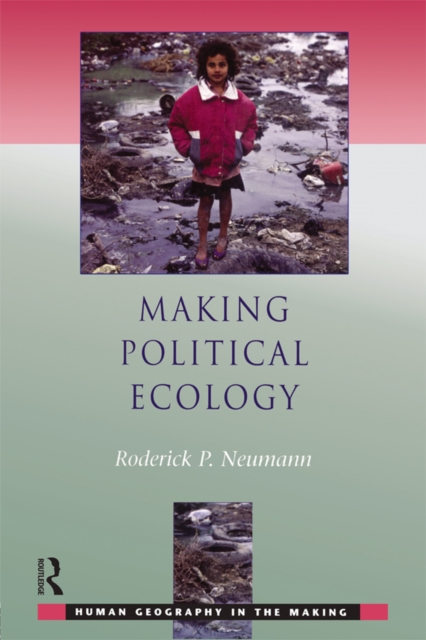
Making Political Ecology presents a comprehensive view of an important new field in human geography and interdisciplinary studies of nature-society relations.
Cocoa and Chocolate,1765-1914 focuses on the period from the Seven Years War, to the First World War, when a surge of economic liberalism and globalisation should have helped cocoa producers to overcome rural poverty, just as wool transformed the economy of Australia, and tea that of Japan.
Cocoa and Chocolate,1765-1914 focuses on the period from the Seven Years War, to the First World War, when a surge of economic liberalism and globalisation should have helped cocoa producers to overcome rural poverty, just as wool transformed the economy of Australia, and tea that of Japan.
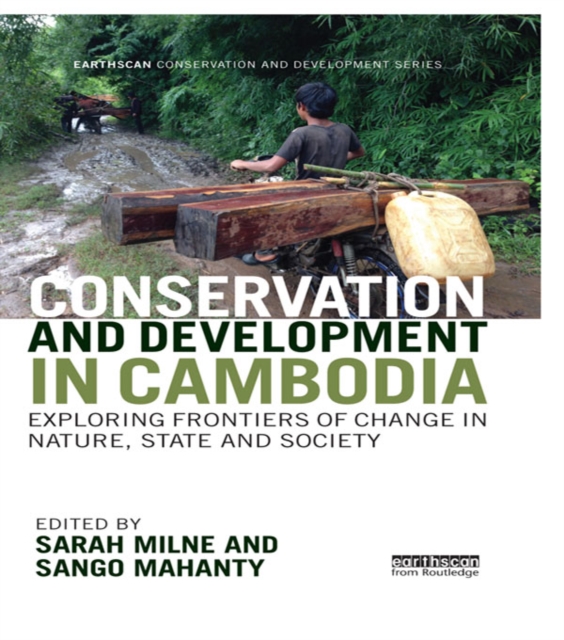
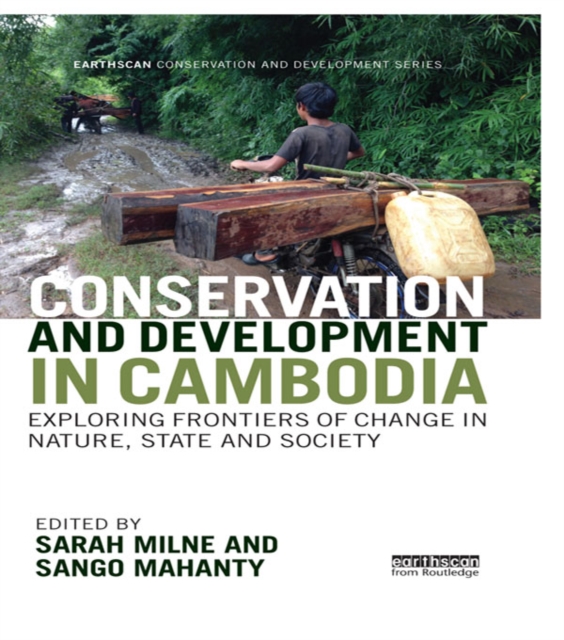
Written by leading authorities from Australasia, Europe and North America, this book examines the dynamic conflicts and synergies between nature conservation and human development in contemporary Cambodia.
Written by leading authorities from Australasia, Europe and North America, this book examines the dynamic conflicts and synergies between nature conservation and human development in contemporary Cambodia.
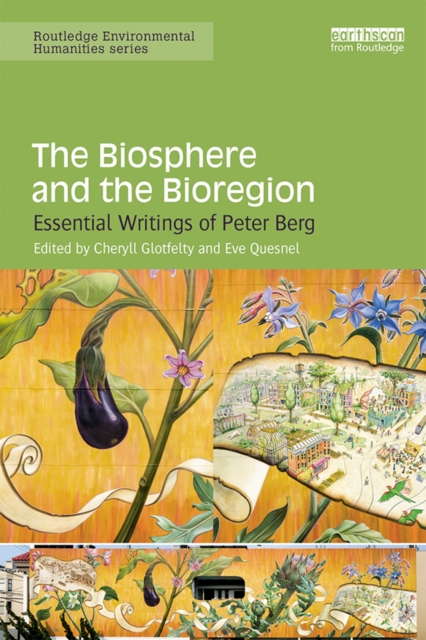
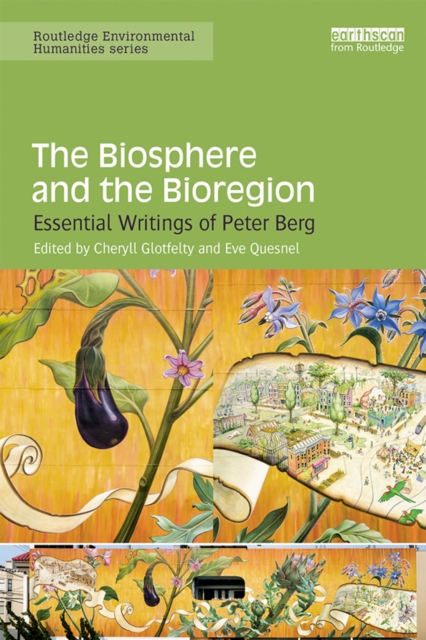
Bioregionalism asks us to reimagine ourselves and the places where we live in ecological terms and to harmonize human activities with the natural systems that sustain life.
Bioregionalism asks us to reimagine ourselves and the places where we live in ecological terms and to harmonize human activities with the natural systems that sustain life.
Presenting a pragmatic mixture of science, landscape ecology, ecosystem management, sociology, policy development and methods for transforming social and institutional cultures.
Presenting a pragmatic mixture of science, landscape ecology, ecosystem management, sociology, policy development and methods for transforming social and institutional cultures.
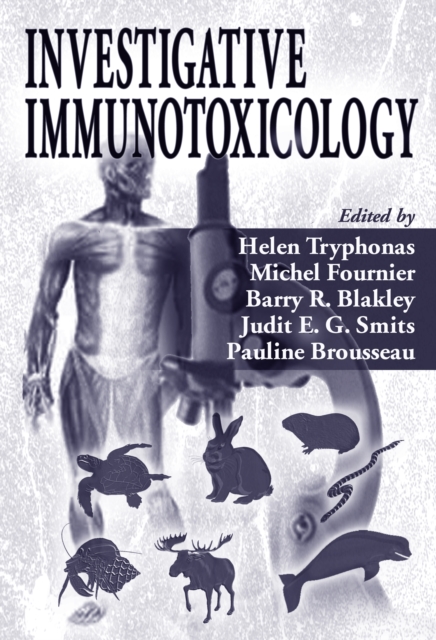
Investigative Immunotoxicology provides a critical evaluation of proposed experimental animal models and approaches, and discusses the contribution that immunotoxicity can make to the overall assessment of chemical-induced adverse health effects on humans and the ecosystem.
Fundamentals of Biogeography presents an accessible, engaging and comprehensive introduction to biogeography, explaining the ecology, geography, history and conservation of animals and plants.
Fundamentals of Biogeography presents an accessible, engaging and comprehensive introduction to biogeography, explaining the ecology, geography, history and conservation of animals and plants.
Marine resources and fish stocks are now high on the international and economic research agendas, and the management of highly complex marine ecosystems is increasingly important.