This book brings together original cutting edge work that deals with global environmental harm from a wide variety of geographical and critical perspectives.
This book brings together original cutting edge work that deals with global environmental harm from a wide variety of geographical and critical perspectives.
Environmental Change and Foreign Policy: Theory and Practice and its companion volume, Climate Change and Foreign Policy: Case Studies from East to West, examine and explain the role of foreign policy politics, processes and institutions in efforts to protect the environment and natural resources.
Environmental Change and Foreign Policy: Theory and Practice and its companion volume, Climate Change and Foreign Policy: Case Studies from East to West, examine and explain the role of foreign policy politics, processes and institutions in efforts to protect the environment and natural resources.
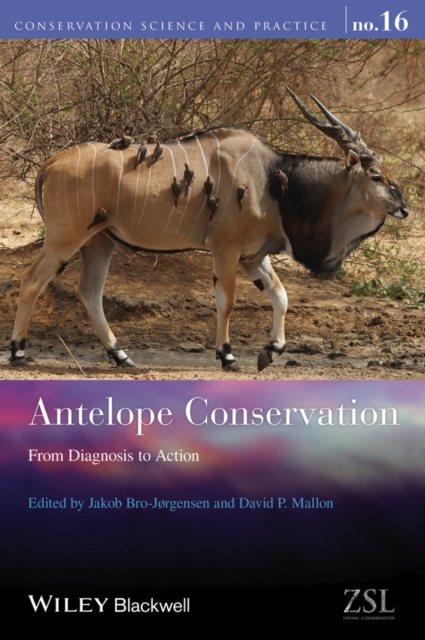
Antelopes constitute a fundamental part of ecosystems throughout Africa and Asia where they act as habitat architects, dispersers of seeds, and prey for large carnivores.
Antelopes constitute a fundamental part of ecosystems throughout Africa and Asia where they act as habitat architects, dispersers of seeds, and prey for large carnivores.
Population ecology has matured to a sophisticated science with astonishing potential for contributing solutions to wildlife conservation and management challenges.
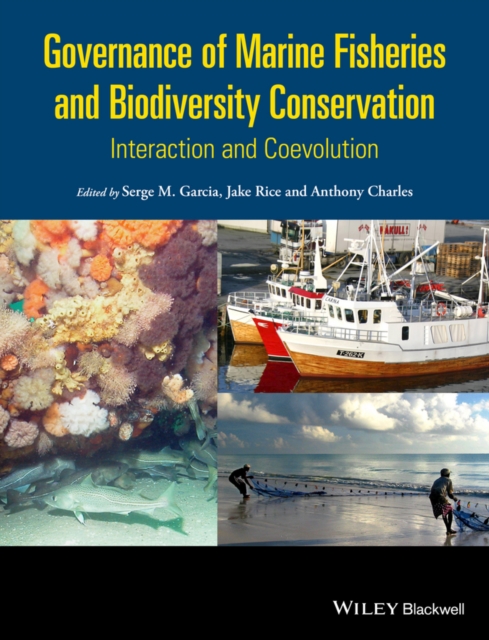
Governance of Marine Fisheries and Biodiversity Conservation explores governance of the world s oceans with a focus on the impacts of two inter-connected but historically separate streams of governance: one for fisheries, the other for biodiversity conservation.
The Conservation of Violence explores the governance of protected forests in Zimbabwe, highlighting the structural and operational mechanism through which violent tactics are produced, employed, and sustained to promote nature conservation.
This book provides a review of the multitude of conservation concepts, both from a scientific, philosophical, and social science perspective, asking how we want to shape our relationships with nature as humans, and providing guidance on which conservation approaches can help us to do this.
This volume explores a range of themes including impacts of climate change, resilience, sustainability, indigeneity, cultural genocide, disaster capitalism, preservation of biodiversity, and environmental degradation.
This volume explores a range of themes including impacts of climate change, resilience, sustainability, indigeneity, cultural genocide, disaster capitalism, preservation of biodiversity, and environmental degradation.
The legal protection of geographical indications (GIs) is characterised by a variety of approaches which translates the many objectives attached to them.
The legal protection of geographical indications (GIs) is characterised by a variety of approaches which translates the many objectives attached to them.
This book explores the fascinating and complex lives of the honey badger, the African jackals (black-backed and side-striped), African golden wolves, and Eurasian golden jackals.
This book explores the fascinating and complex lives of the honey badger, the African jackals (black-backed and side-striped), African golden wolves, and Eurasian golden jackals.
World Heritage: Concepts, Management and Conservation presents an insight into discussions and debates surrounding the UNESCO World Heritage List, and the properties on it.
Minorities in Shark Sciences showcases the work done by Black, Indigenous and People of Color around the world in the fields of shark science and conservation.
This book presents a broad array of global case studies exploring the interaction between religion and the conservation of nature, from the viewpoints of the religious practitioners themselves.