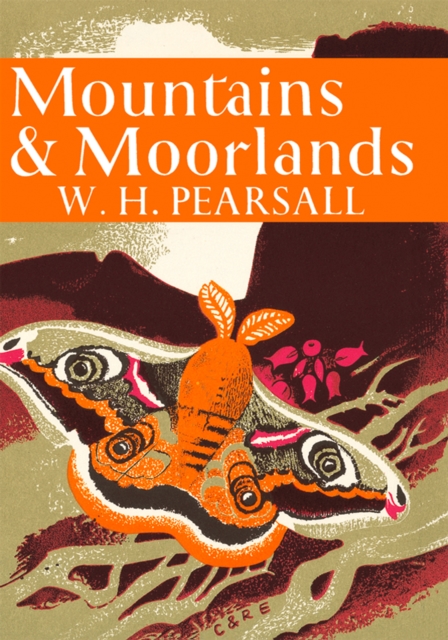
An invaluable introduction to the upland regions of Britain - their structure, climate, vegetation and animal life, their present and past uses and the problems of their conservation for the future.
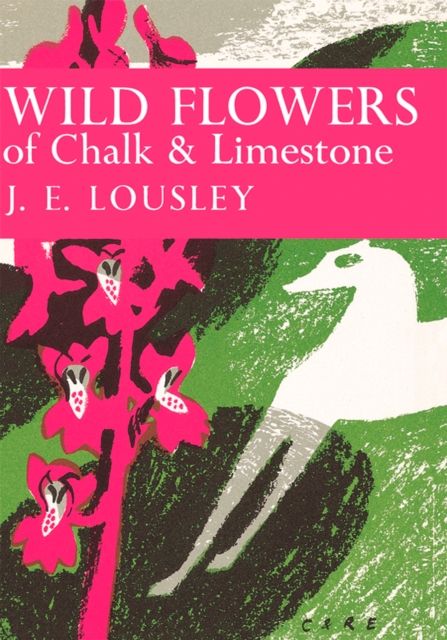
Wild Flowers of Chalk and Limestone will urge many to follow in the author's footsteps in search of the rich flora which make our chalk downs and limestone cliffs so fascinating to explore.
A treasure for all lovers of wild plants - Wild Orchids of Britain provides a detailed account of all our orchid species, varieties and hybrids, and has a useful key to identification.
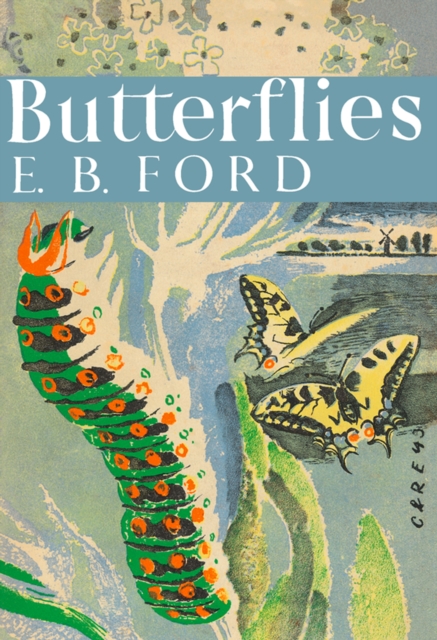
A scientific study that keeps in mind the needs of butterfly collectors and of all those who love the country in the hope that it may increase their pleasure by widening the scope of their interests.
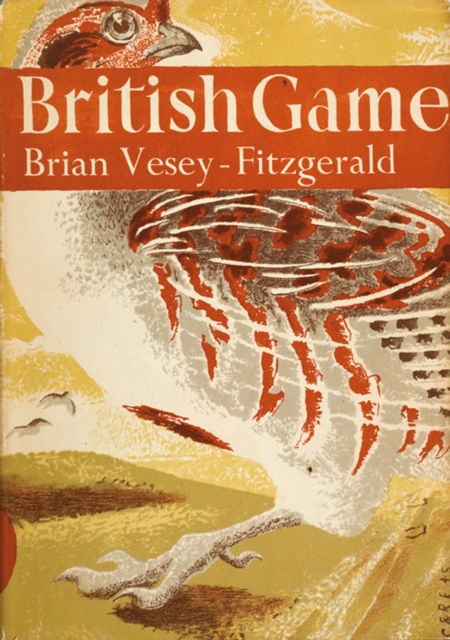
British Game ranges beyond the strict legal interpretation of game and is full of interesting details about the birds and beasts that should interest sportsmen.
Revealing the impact of civilisation upon our bird life, with particular reference to the species that have come to rely largely on types of habitat greatly modified or actually formed by human action.
In addition to dealing with the general biology and behaviour of the birds, Dr Perrins gives full attention to such things as their social lives, their intelligence and adaptiveness, and their puzzling ability to adjust their population sizes to the future availability of food.
Mammals in the British Isles looks at the influences on their numbers and distribution, both now and in the past, examines aspects of their biology with emphasis on function and physiology, and concludes with an account of relationships with man.
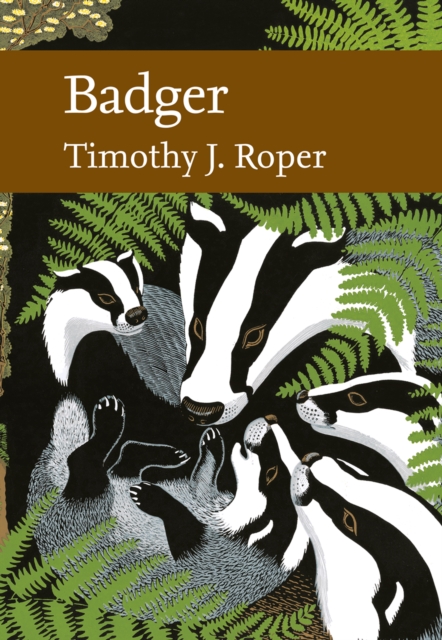
A comprehensive natural history of one of Britain's favourite animalsThe badger has for many years occupied a unique place in the British consciousness.
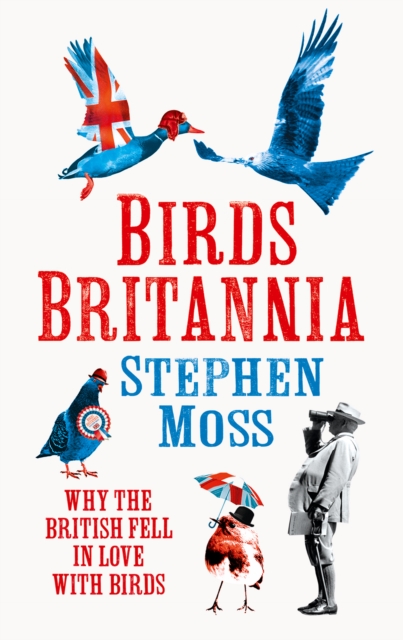
Birds and bird lore provide a fascinating window onto our social and cultural history, and can tell us much about our changing relationship with the British landscape, our people and society.
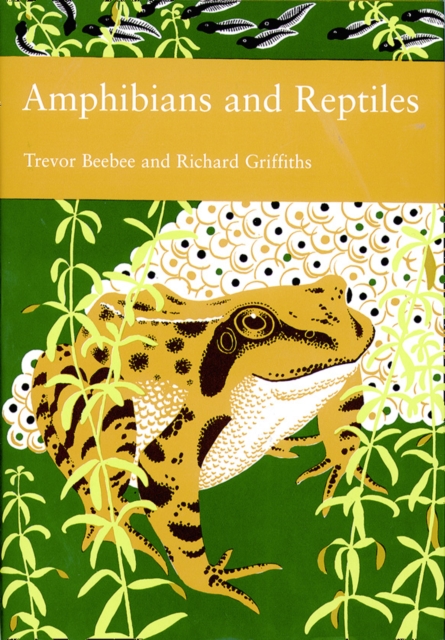
Building on the solid foundations established by the two earlier New Naturalist volumes on this subject, eminent herpetologists Trevor Beebee and Richard Griffiths have brought together a wealth of new and fascinating information on the British amphibians and reptiles.
Harnessing recent developments in computer technology, the latest New Naturalist volume uses the most up-to-date and accurate maps, diagrams and photographs to analyse the diverse landscapes of Scotland.
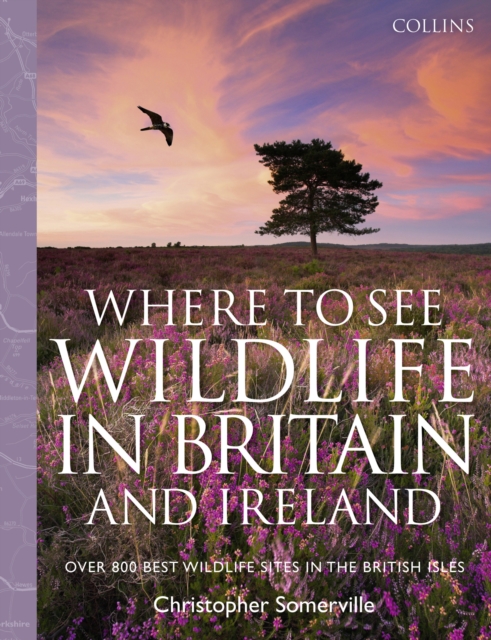
Have you ever wondered where the best places to go are to see leaping salmon, rutting deer, diving gannets, breaching whales or bluebell woods in full bloom?
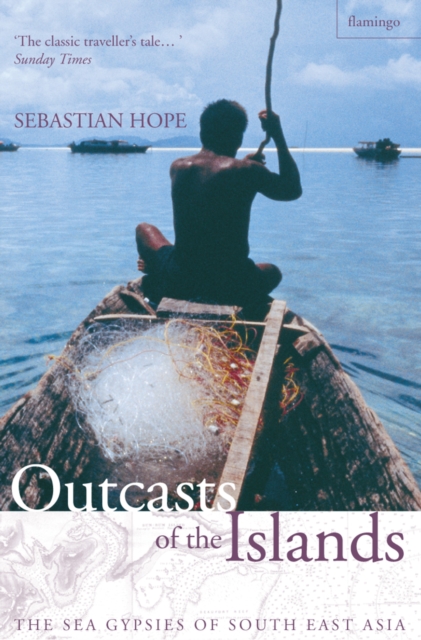
An enchanting tale of travels among South East Asia's Sea Gypsies, scattered groups of semi-nomadic fisher people who occupy the spaces between the islands.
This New Naturalist volume provides a much-anticipated overview of these fascinating birds - the first book on the natural history of British and Irish terns since 1934.
In this remarkable, landmark publication, countryman Sir Johnny Scott evokes all that is romantic about the British countryside, its people, customs and traditions.
Declines in the abundance of salmon in the Arctic-Yukon-Kuskokwim (AYK) region of western Alaska in the late 1990s and early 2000s created hardships for the people and communities who depend on this resource.
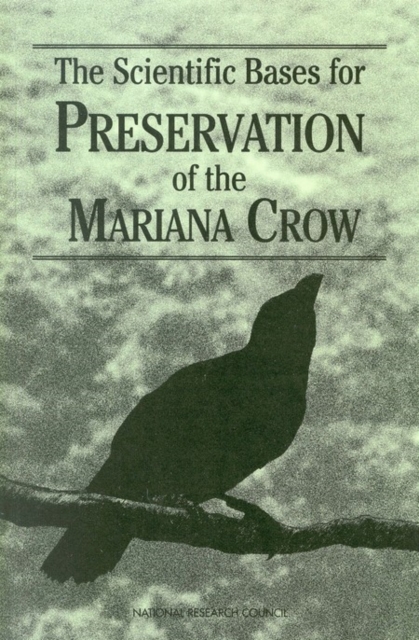
This book, while focusing on current preservation challenges posed by the Aga, or Mariana crow, also reflects the larger issues and challenges of biodiversity conservation in all oceanic island ecosystems.
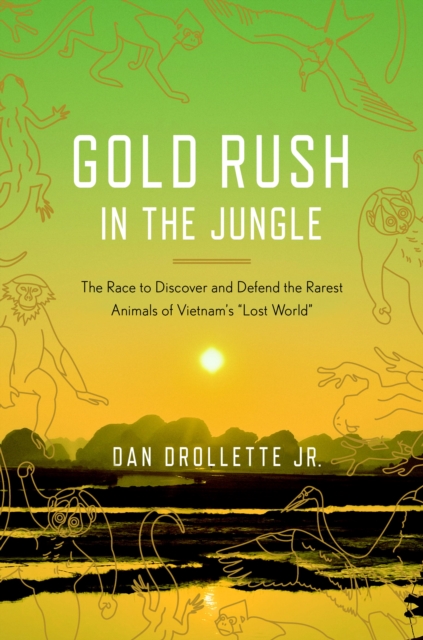
An engrossing, adventure-filled account of the rush to discover and save Vietnam''s most extraordinary animals Deep in the jungle where the borders of Vietnam meet those of Laos and Cambodia is a region known as "the lost world.
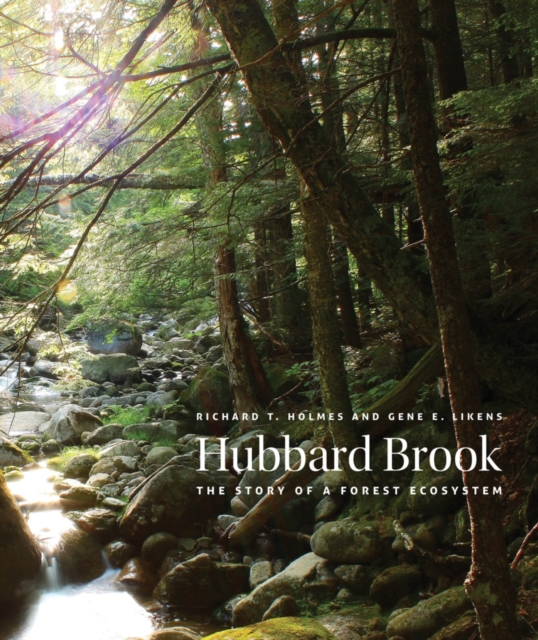
A beautifully illustrated overview and synthesis of how scientists have used a living forest as an experimental laboratory for more than 50 years For more than 50 years, the Hubbard Brook Experimental Forest in the White Mountains of New Hampshire has been one of the most intensely studied landscapes on earth.
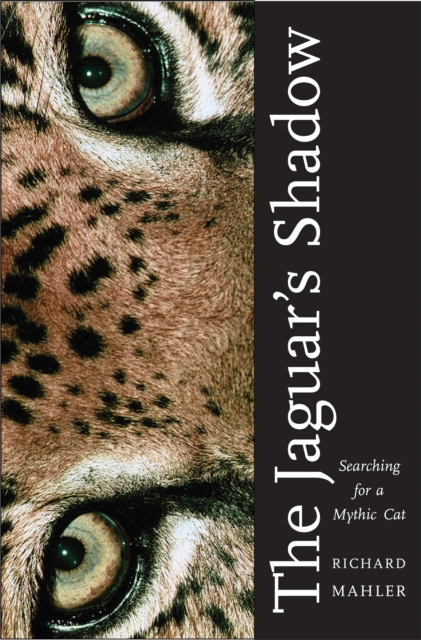
When the nature writer Richard Mahler discovers that wild jaguars are prowling a remote corner of his home state of New Mexico, he embarks on a determined quest to see in the flesh a big, beautiful cat that is the stuff of legend—yet verifiably real.
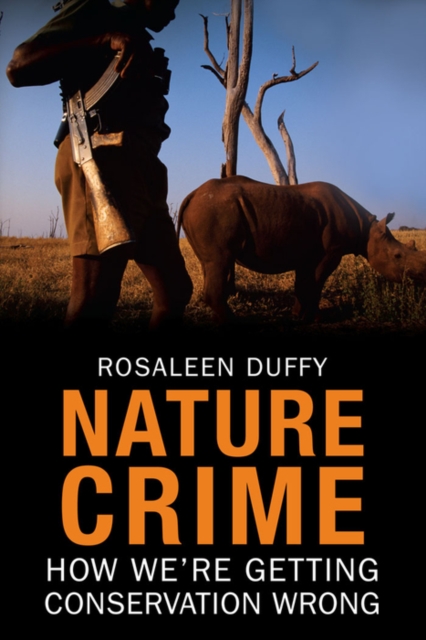
In this impressively researched, alarming book, Rosaleen Duffy investigates the world of nature conservation, arguing that the West’s attitude to endangered wildlife is shallow, self-contradictory, and ultimately very damaging.
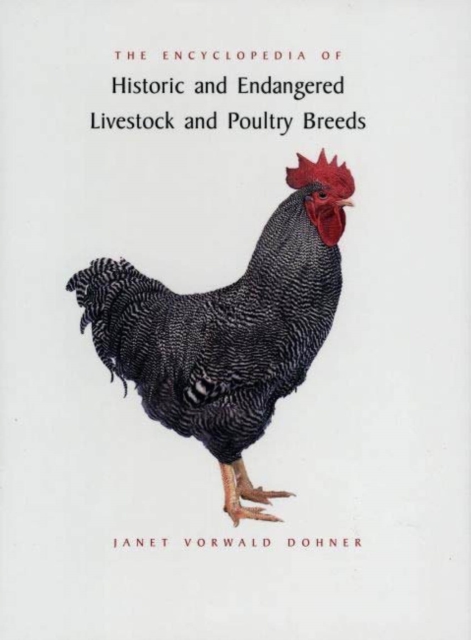
The hardy, multipurpose Dominique chickens that came to the New World with the Pilgrims and later traveled in pioneer saddlebags to help settle the West were once too numerous to count; by 1990 a mere 500 hens survived.
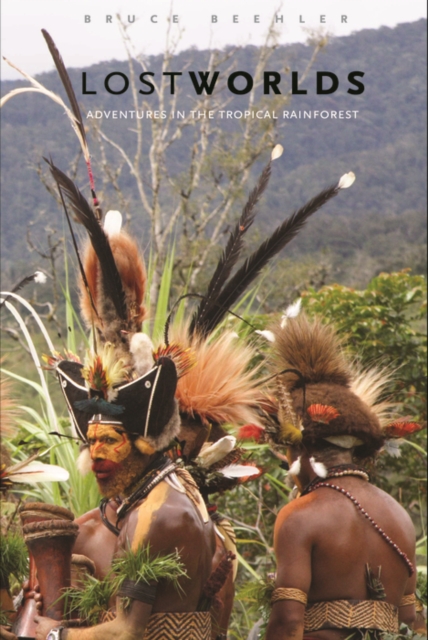
Perhaps it is not possible to experience all the mysterious sounds, the unfamiliar smells, and the spectacular sights of a tropical rainforest without ever visiting one.
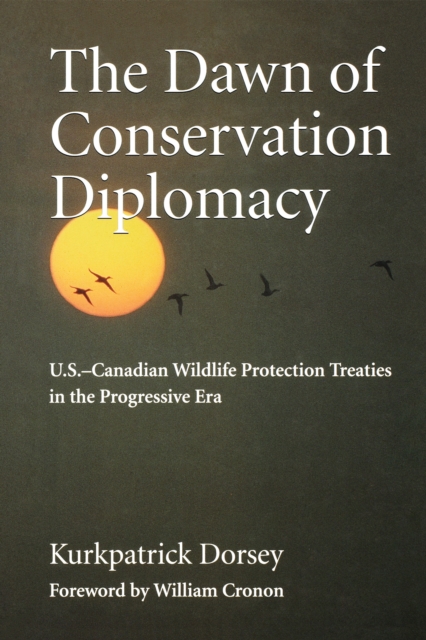
In the first decades of the twentieth century, fish in the Great Lakes and Puget Sound, seals in the North Pacific, and birds across North America faced a common threat: over harvesting that threatened extinction for many species.
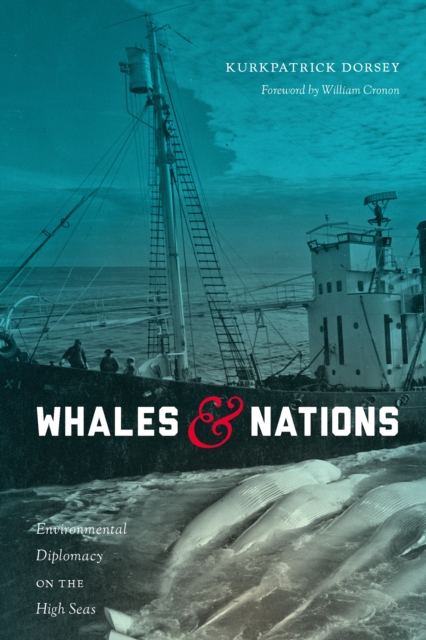
Before commercial whaling was outlawed in the 1980s, diplomats, scientists, bureaucrats, environmentalists, and sometimes even whalers themselves had attempted to create an international regulatory framework that would allow for a sustainable whaling industry.
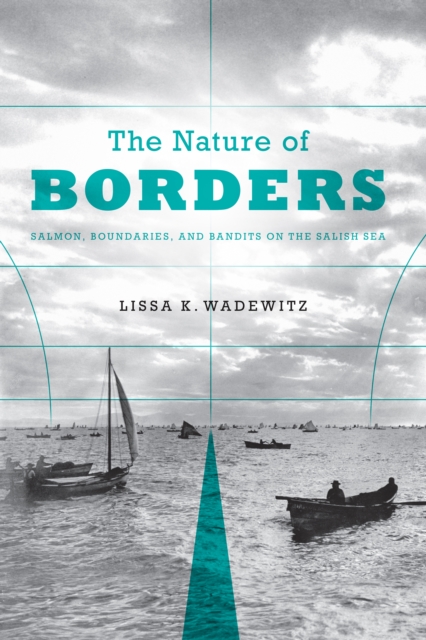
Winner of the 2014 Albert Corey Prize from the American Historical AssociationWinner of the 2013 Hal Rothman Award from the Western History AssociationWinner of the 2013 John Lyman Book Award in the Naval and Maritime Science and Technology category from the North American Society for Oceanic HistoryFor centuries, borders have been central to salmon management customs on the Salish Sea, but how those borders were drawn has had very different effects on the Northwest salmon fishery.
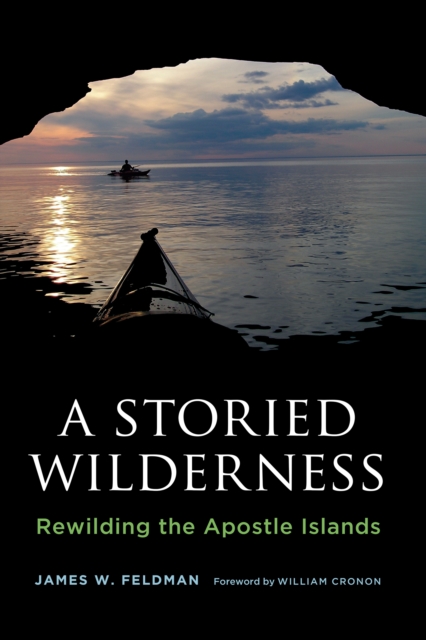
The Apostle Islands are a solitary place of natural beauty, with red sandstone cliffs, secluded beaches, and a rich and unique forest surrounded by the cold, blue waters of Lake Superior.
Using the lens of nutrition security and equity for the living beings and living systems of the planet, Nutrition Security for Planetary Health takes an integrated, systems approach that not only delineates the antecedents of the multifaceted environmental crises-but offers solutions including the extensive co-benefits of whole plant foods nutrition as the foundational dietary pattern for improving planetary health.
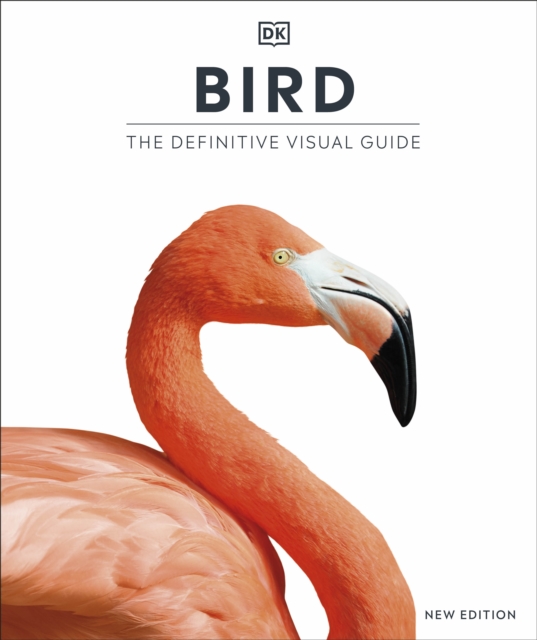
The diversity and drama of the bird world is brought to breathtaking life in an encyclopedic new editionThis photographic guide to every bird order and family profiles more than 1,280 species, pictured in their native environment by photographers around the globe.