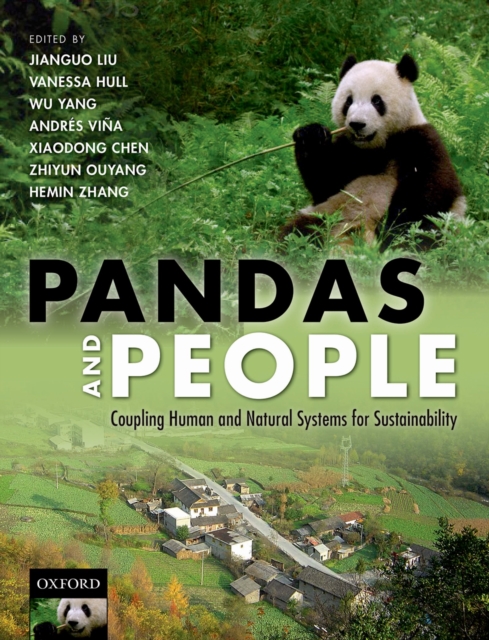
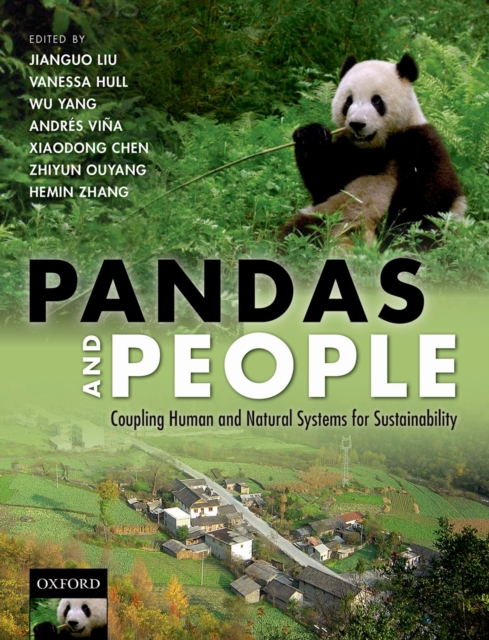
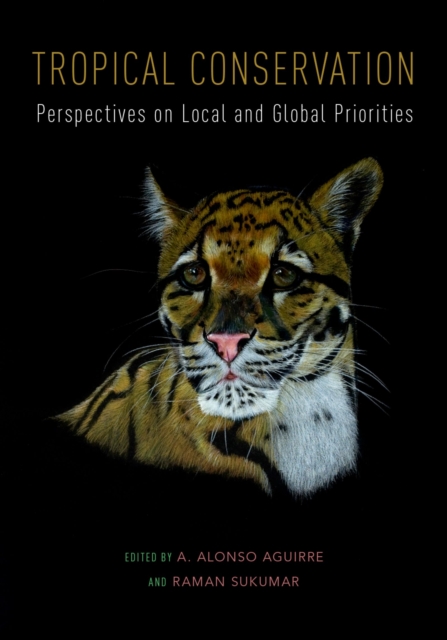
Understanding the complex relationships between humans and the natural world is essential for achieving environmental sustainability and improving human well-being, yet many studies are unable to reveal complex interactions and hidden trends.
Understanding the complex relationships between humans and the natural world is essential for achieving environmental sustainability and improving human well-being, yet many studies are unable to reveal complex interactions and hidden trends.
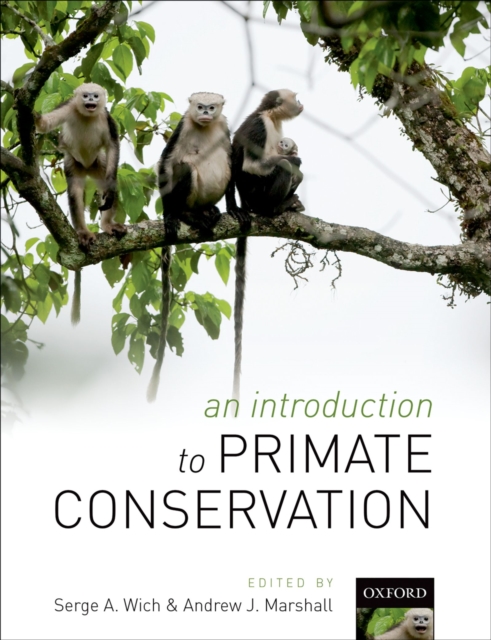
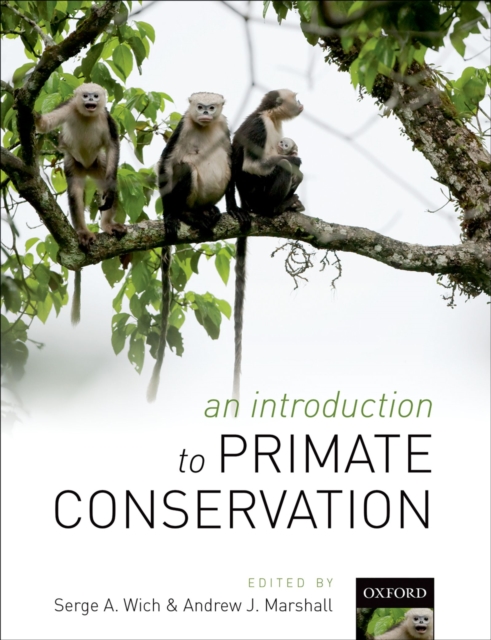
The number of primates on the brink of extinction continues to grow, and the need to respond with effective conservation measures has never been greater.
The number of primates on the brink of extinction continues to grow, and the need to respond with effective conservation measures has never been greater.
Since the release of the documentary Blackfish in 2013, millions around the world have focused on the plight of the orca, the most profitable and controversial display animal in history.
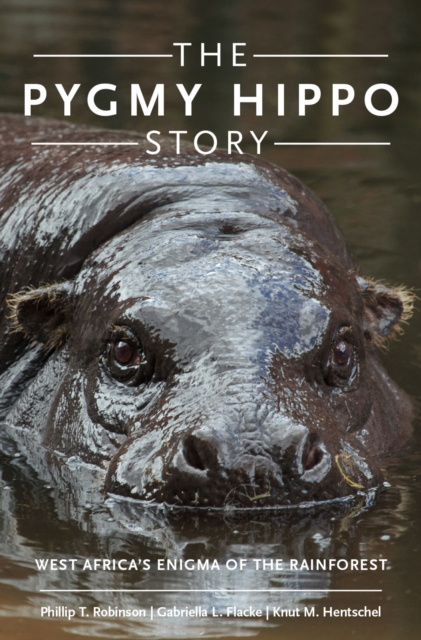
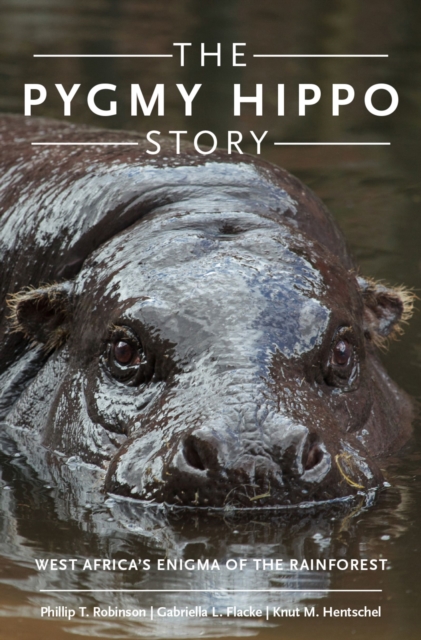
Though the pygmy hippopotamus has been designated as a flagship species of West African forests (meaning that by raising conservation efforts for a single species, an entire ecological region could benefit), very little research has been published on the animal.
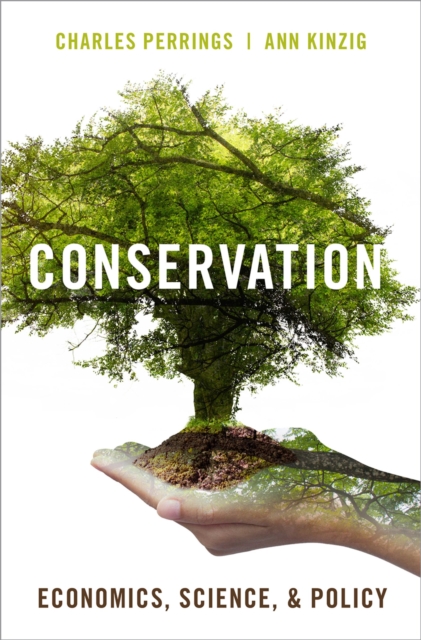
A unified theory of conservation that addresses the broad problem of conservation, the principles that inform conservation choices, and the application of those principles to the management of the natural world.
Though the pygmy hippopotamus has been designated as a flagship species of West African forests (meaning that by raising conservation efforts for a single species, an entire ecological region could benefit), very little research has been published on the animal.
This book reviews and analyzes the period (roughly from the 1950s to the present) when the "e;environment"e; became an issue as important as economic growth, or war and peace; to assess the current situation, and begin planning for the challenges that lie ahead.
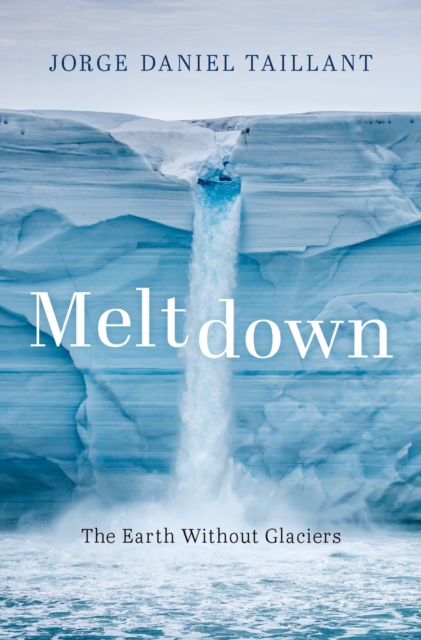
We hear about pieces of ice the size of continents breaking off of Antarctica, rapidly melting glaciers in the Himalayas, and ice sheets in the Arctic crumbling to the sea, but does it really matter?
We hear about pieces of ice the size of continents breaking off of Antarctica, rapidly melting glaciers in the Himalayas, and ice sheets in the Arctic crumbling to the sea, but does it really matter?
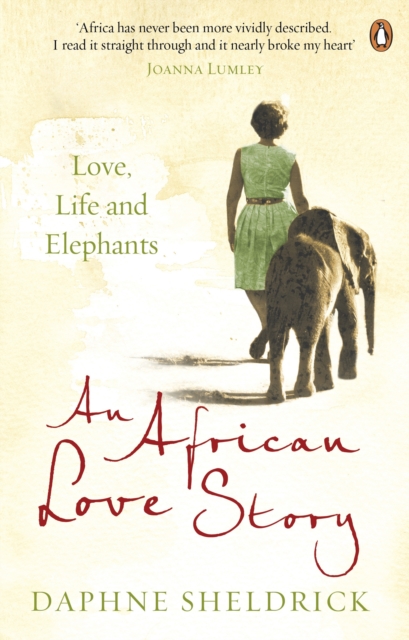
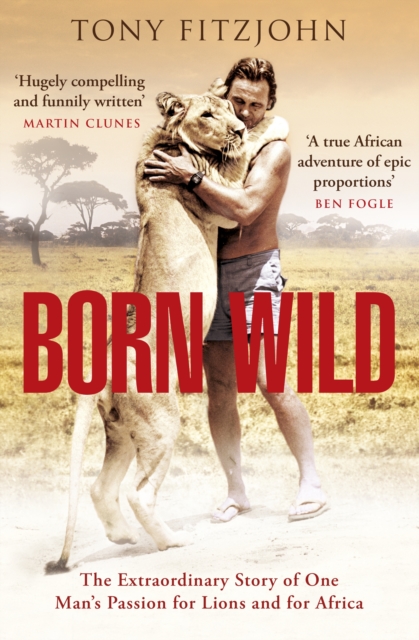
Daphne Sheldrick's best-selling love story of romance, life and elephants, An African Love Story: Love, Life and Elephants is an incredible story from Africa's greatest living conservationist.
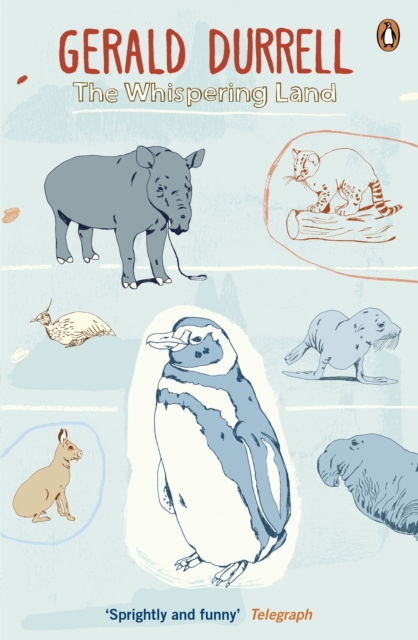
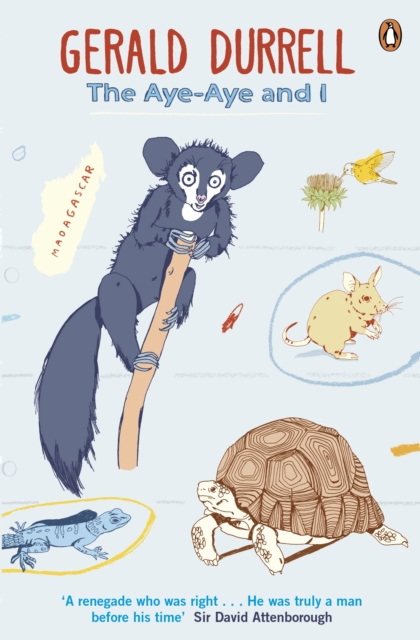
'When you have a large collection of animals to transport from one end of the world to the other you cannot, as a lot of people seem to think, just hoist them aboard the nearest ship and set off with a gay wave of your hand.
'In the gloom it came along the branches towards me, its round, hypnotic eyes blazing, its spoon-like ears turning to and fro independently like radar dishes .
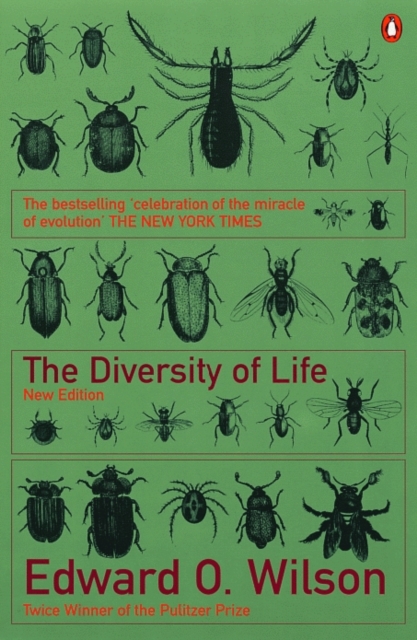
"e;Not since Darwin has an author so lifted the science of ecology with insight and delightful imagery"e; - Richard Dawkins In this book a master scientist tells the great story of how life on earth evolved.
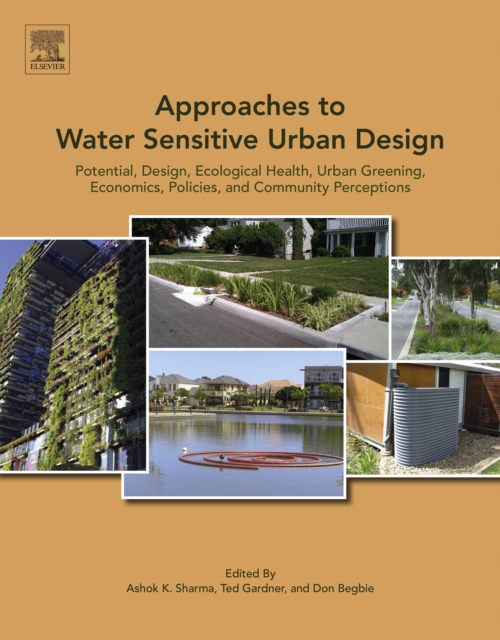
Approaches to Water Sensitive Urban Design: Potential, Design, Ecological Health, Economics, Policies and Community Perceptions covers all aspects on the implementation of sustainable storm water systems for urban and suburban areas whether they are labeled as WSUD, Low Impact Development (LID), Green Infrastructure (GI), Sustainable Urban Drainage Systems (SUDS) or the Sponge City Concept.
Approaches to Water Sensitive Urban Design: Potential, Design, Ecological Health, Economics, Policies and Community Perceptions covers all aspects on the implementation of sustainable storm water systems for urban and suburban areas whether they are labeled as WSUD, Low Impact Development (LID), Green Infrastructure (GI), Sustainable Urban Drainage Systems (SUDS) or the Sponge City Concept.
The Great Tree of Life is a concise, approachable treatment that surveys the concept of the Tree of Life, including chapters on its historical introduction and cultural connection.
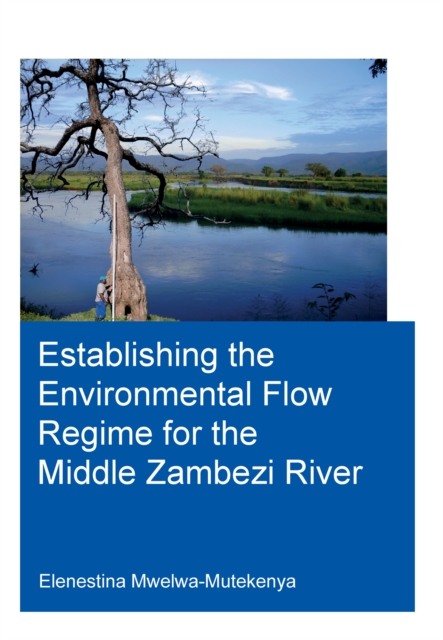
The Middle Zambezi, host to a rich biodiversity, is located in the central part of the Zambezi River Basin which covers eight Southern African Countries.
Transparency for Sustainability in the Food Chain lays out the key issues and challenges in food safety, food quality, chain integrity, the link with consumers, and the technological base of tracking and tracing systems.
Diagnosing Wild Species Harvest bridges gaps of knowledge fragmented among scientific disciplines as it addresses this multifaceted phenomenon that is simultaneously global and local.
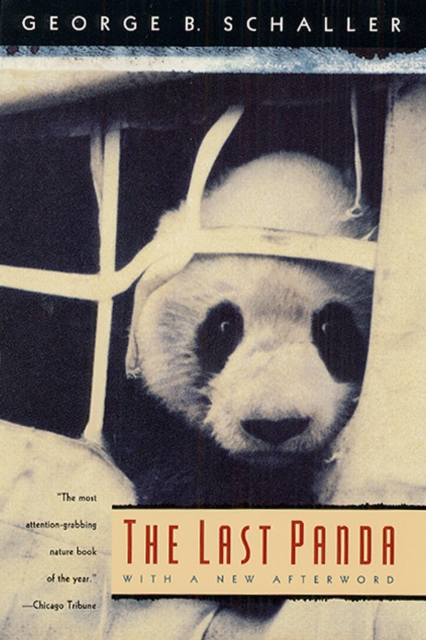
Dependent on a shrinking supply of bamboo, hunted mercilessly for its pelt, and hostage to profiteering schemes once in captivity, the panda is on the brink of extinction.
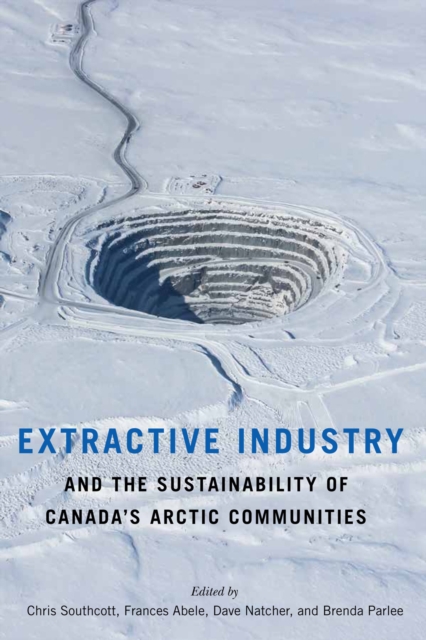
Modern treaties, increased self-government, new environmental assessment rules, co-management bodies, and increased recognition and respect of Indigenous rights make it possible for northern communities to exert some control over extractive industries.
This book examines the impact and implications of Japan's withdrawal from the International Convention for the Regulation of Whaling (ICRW), which came into effect in July 2019.
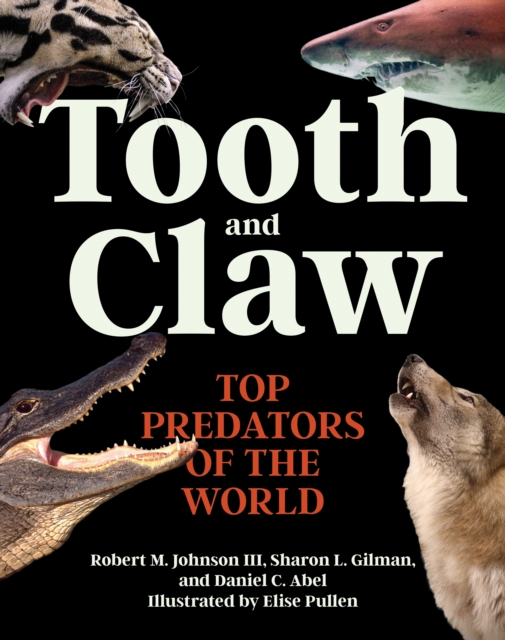
A marvelously illustrated look at the most deadly predators on the planetTooth and Claw presents the world's top predators as you have never seen them before, from big cats and wild dogs to sharks, reptiles, and killer whales.
A single-resource volume of information on the most current and effective techniques of wildlife modeling, Models for Planning Wildlife Conservation in Large Landscapes is appropriate for students and researchers alike.
Spanning the last 50 years of fisheries policy in Europe, this book is the parting contribution and career-spanning reflection from one of Europe's most renowned social scientists working in the field of fisheries management and policy.
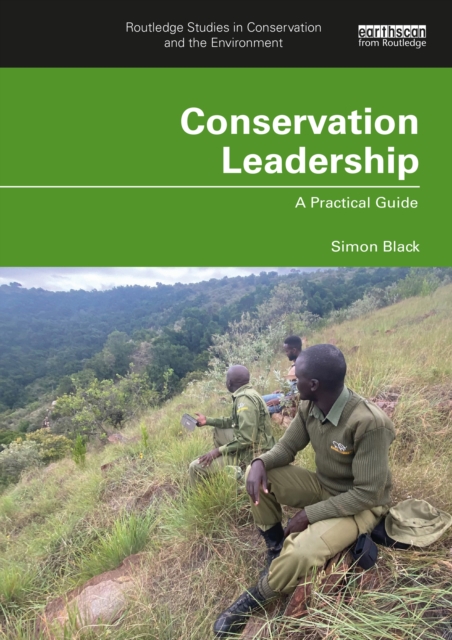
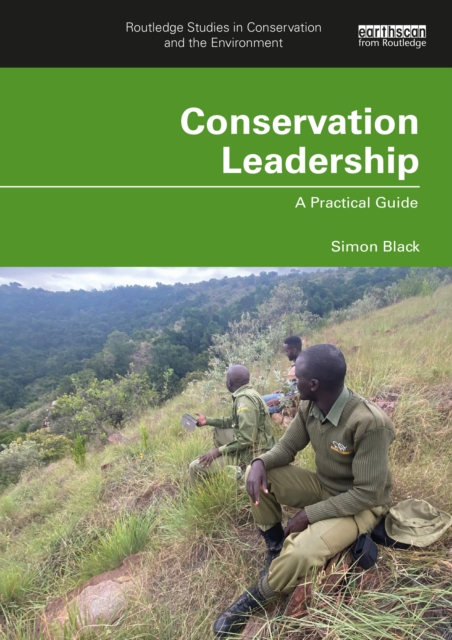
This book is an important guide for individuals seeking to develop and grow their leadership skills in the wildlife conservation sector, across varied disciplines such as environmental management, conservation biology, and ecotourism.
This book is an important guide for individuals seeking to develop and grow their leadership skills in the wildlife conservation sector, across varied disciplines such as environmental management, conservation biology, and ecotourism.
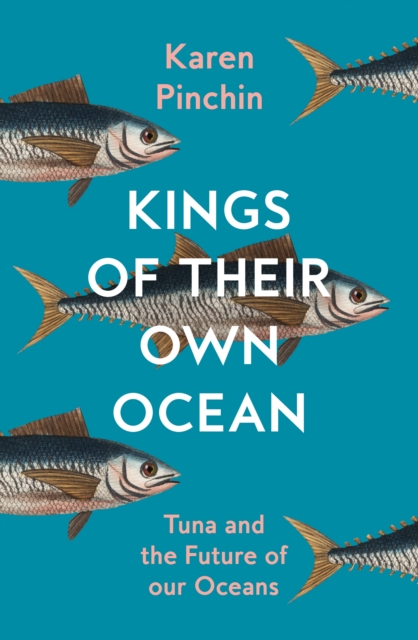
This is a tale of human obsession, one intrepid tuna, the dedicated fisherman who caught and set her free, the promises and limits of ocean science and the big truth of how our insatiable appetite for bluefin transformed a cottage industry into a global dilemma.
This book sheds light on the roots of sustainability in the Iberian Peninsula that lie in the interrelations between shipbuilding and forestry from the 14th to the 19th centuries, combining various geographical scales (local, regional and national) and different timespans (short-term and long-term studies).
In the first decades of the twentieth century, fish in the Great Lakes and Puget Sound, seals in the North Pacific, and birds across North America faced a common threat: over harvesting that threatened extinction for many species.
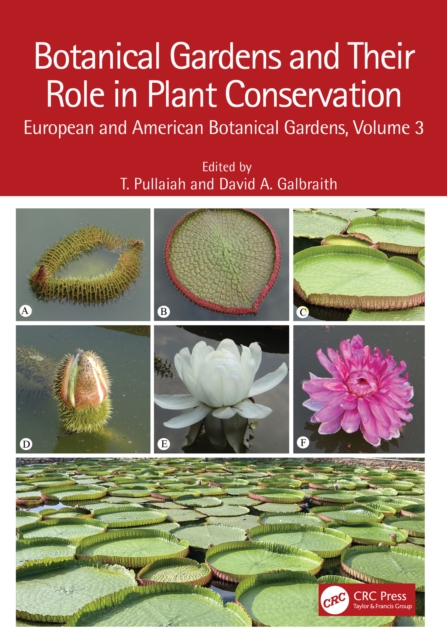
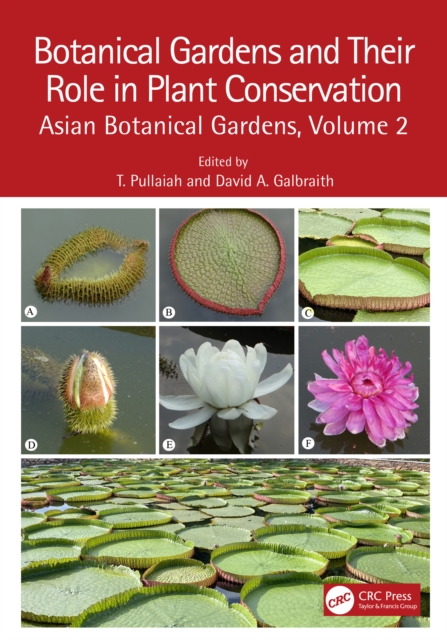
Approaching the contributions of a world-wide sector of scientific institutions to addressing the extinction crisis, Botanical Gardens and Their Role in Plant Conservation brings together a diversity of perspectives.
Approaching the contributions of a world-wide sector of scientific institutions to addressing the extinction crisis, Botanical Gardens and Their Role in Plant Conservation brings together a diversity of perspectives.