Originally published in 1974, this report dwells on the problems of meeting global energy demands and the time, effort and knowledge needed to research new energy methods.
Originally published in 1974, this report dwells on the problems of meeting global energy demands and the time, effort and knowledge needed to research new energy methods.
Suitable for both introductory anthropology and upper-division courses in cultural anthropologyThe campaign of the Cree people to protect their forest culture from the impact of hydro-electric development in northern Quebec has been widely-documented.
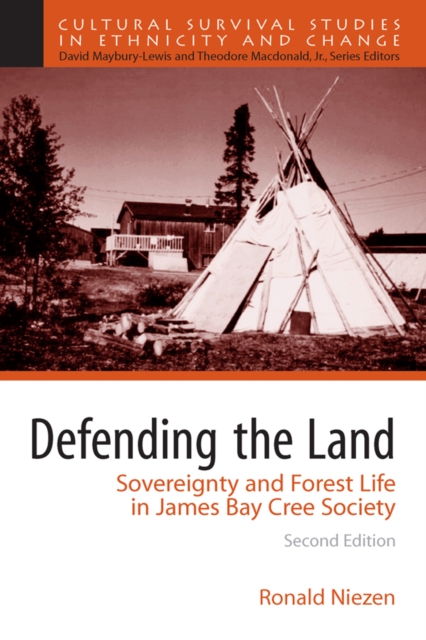
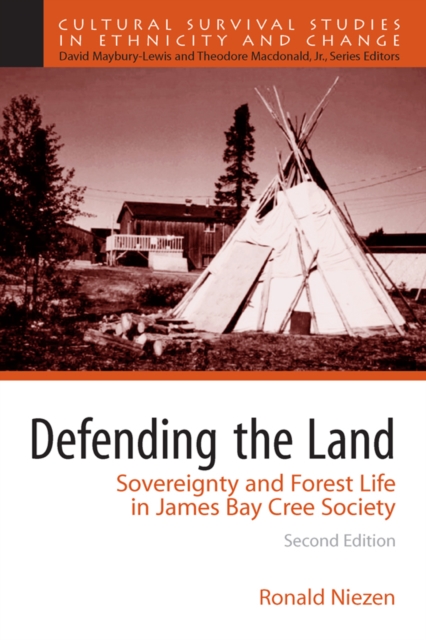
Suitable for both introductory anthropology and upper-division courses in cultural anthropologyThe campaign of the Cree people to protect their forest culture from the impact of hydro-electric development in northern Quebec has been widely-documented.
This cluster of books presents innovative and nuanced knowledge on water resources, based on detailed case studies from South Asiaa "e;India, Bangladesh, Bhutan, Nepal, Pakistan, and Sri Lanka.
In preparation for the United Nation's Conference on Environment and Development in Rio de Janeiro in June 1992, this study aimed to detail enduring environmental issues that might or might not have been considered at the conference.
In preparation for the United Nation's Conference on Environment and Development in Rio de Janeiro in June 1992, this study aimed to detail enduring environmental issues that might or might not have been considered at the conference.
Originally published in 1974, Waterfowl and Wetlands analyses waterfowl hunting patterns in the late sixties in the hopes of protecting waterfowl resources such as wetlands.
Originally published in 1974, Waterfowl and Wetlands analyses waterfowl hunting patterns in the late sixties in the hopes of protecting waterfowl resources such as wetlands.
First published in 1980, the first volume of Energy Development in the Southwest analyses four potential energy development scenarios for the Four Corner states (i.
First published in 1980, the first volume of Energy Development in the Southwest analyses four potential energy development scenarios for the Four Corner states (i.
First published in 1980, the second volume of Energy Development in the Southwest analyses water conditions and habitat life in the Upper Colorado River Basin, based on alternative national energy scenarios and attempts to assess some of the economic, demographic, and environmental impacts of each development scenario.
First published in 1980, the second volume of Energy Development in the Southwest analyses water conditions and habitat life in the Upper Colorado River Basin, based on alternative national energy scenarios and attempts to assess some of the economic, demographic, and environmental impacts of each development scenario.
Originally published in 2000, this title is a collection of engaging, nontechnical contributions of scholars, policymakers, and forestry officials providing broad reflections on the agency's past and future, contemporary perspectives about the use and stewardship of public lands, and insightful analyses about the science involved in the practice of scientific management.
Originally published in 2000, this title is a collection of engaging, nontechnical contributions of scholars, policymakers, and forestry officials providing broad reflections on the agency's past and future, contemporary perspectives about the use and stewardship of public lands, and insightful analyses about the science involved in the practice of scientific management.
This volume, originally published in 1975, grew out of Resources for the Future's involvement as a consultant to the Marine Ecosystem Analysis programme management within the National Oceanic and Atmospheric Agency.
This volume, originally published in 1975, grew out of Resources for the Future's involvement as a consultant to the Marine Ecosystem Analysis programme management within the National Oceanic and Atmospheric Agency.
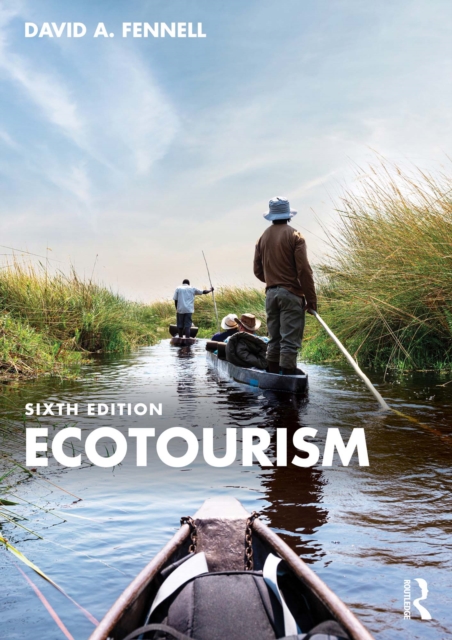
The new sixth edition of Ecotourism focuses on an array of economic, social and ecological inconsistencies that continue to plague ecotourism in theory and practice, and examines the sector in reference to other related forms of tourism, impacts, conservation, sustainability, education and interpretation, policy and governance, and the ethical imperative of ecotourism as these apply to the world's greenest form of tourism.
Twenty years after the Convention on Biological Diversity (CBD) entered into force, the founding of the Intergovernmental Platform on Biodiversity and Ecosystem Services (IPBES) in 2012 was the outcome of a long process of setting biodiversity issues at the top of the global environmental agenda.
Twenty years after the Convention on Biological Diversity (CBD) entered into force, the founding of the Intergovernmental Platform on Biodiversity and Ecosystem Services (IPBES) in 2012 was the outcome of a long process of setting biodiversity issues at the top of the global environmental agenda.
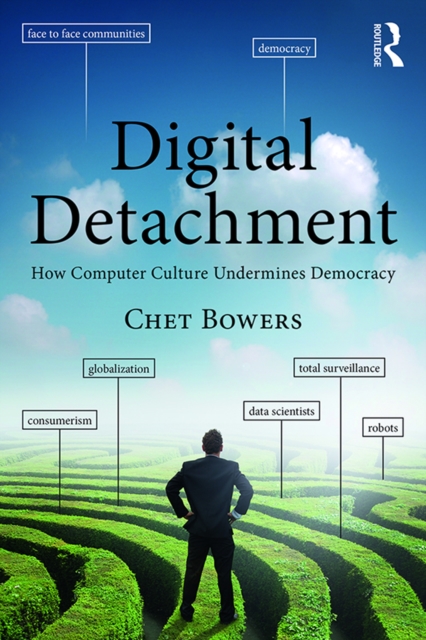
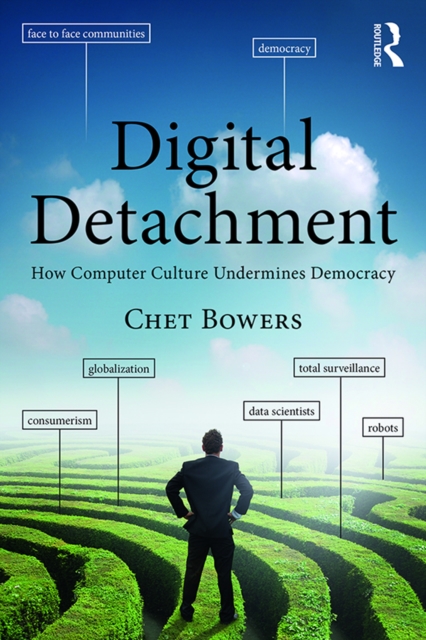
The digital revolution is changing the world in ecologically unsustainable ways: (1) it increases the economic and political power of the elites controlling and interpreting the data; (2) it is based on the deep assumptions of market liberalism that do not recognize environmental limits; (3) it undermines face-to-face and context-specific forms of knowledge; (4) it undermines awareness of the metaphorical nature of language; (5) its promoters are driven by the myth of progress and thus ignore important cultural traditions of the cultural commons that are being lost; and (6) it both by-passes the democratic process and colonizes other cultures.
The digital revolution is changing the world in ecologically unsustainable ways: (1) it increases the economic and political power of the elites controlling and interpreting the data; (2) it is based on the deep assumptions of market liberalism that do not recognize environmental limits; (3) it undermines face-to-face and context-specific forms of knowledge; (4) it undermines awareness of the metaphorical nature of language; (5) its promoters are driven by the myth of progress and thus ignore important cultural traditions of the cultural commons that are being lost; and (6) it both by-passes the democratic process and colonizes other cultures.
In recent years, citizen science has emerged as a powerful new concept to enable the general public, students, and volunteers to become involved in scientific research.
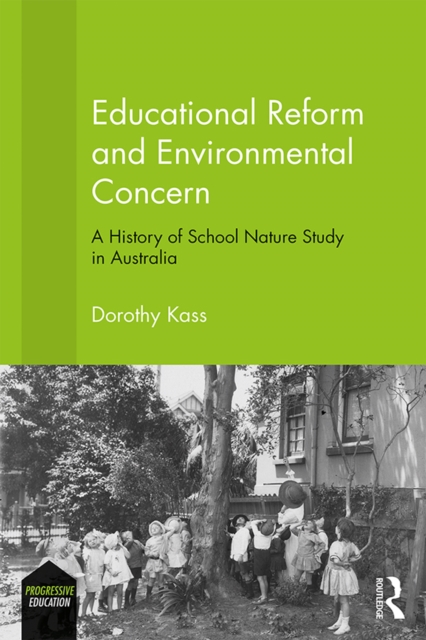
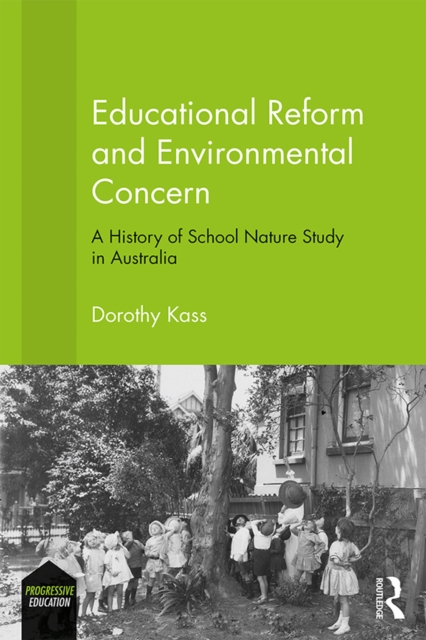
A crucial component of the New Education reform movement, nature study was introduced to elementary schools throughout the English-speaking world in the late nineteenth and early twentieth centuries.
A crucial component of the New Education reform movement, nature study was introduced to elementary schools throughout the English-speaking world in the late nineteenth and early twentieth centuries.
This book is the story of the natural history of Chagos Archipelago, and of the efforts of many to get it recognized as an important and protected wildlife reserve.
Night is a foundational element of human and animal life on earth, but its interaction with the social world has undergone significant transformations during the era of globalization.
Night is a foundational element of human and animal life on earth, but its interaction with the social world has undergone significant transformations during the era of globalization.
Taking the North-East Atlantic Ocean as an example of regional practice, this book addresses the dual approach to ocean governance in international law.
Taking the North-East Atlantic Ocean as an example of regional practice, this book addresses the dual approach to ocean governance in international law.
Albert Schweitzer, philosopher, physician, Nobel Peace Laureate, theologian, and musician, developed a character-oriented ethics focused on self-realization, nature-centered spirituality, and moral idealism which anticipated the current renaissance of virtue ethics.
Albert Schweitzer, philosopher, physician, Nobel Peace Laureate, theologian, and musician, developed a character-oriented ethics focused on self-realization, nature-centered spirituality, and moral idealism which anticipated the current renaissance of virtue ethics.