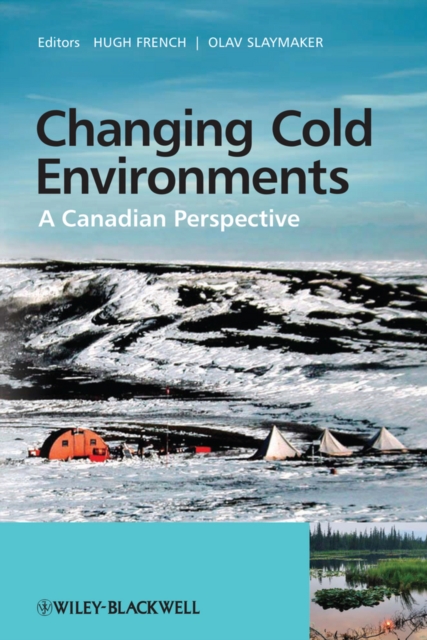
Changing Cold Environments; Implications for Global Climate Change is a comprehensive overview of the changing nature of the physical attributes of Canada's cold environments and the implications of these changes to cold environments on a global scale.
An impassioned case for the importance of ancient forests and their preservationStanding in an old-growth forest, you can instinctively sense the ways it is different from forests shaped by humans.
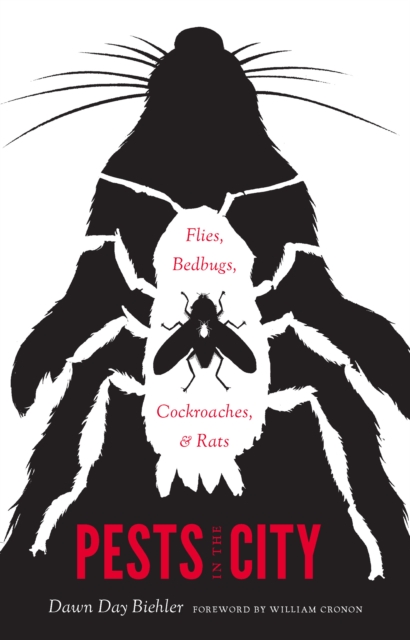
From tenements to alleyways to latrines, twentieth-century American cities created spaces where pests flourished and people struggled for healthy living conditions.
This important new text introduces conservation criminology as the interdisciplinary study of environmental exploitation and risks at the intersection of human and natural systems.
This important new text introduces conservation criminology as the interdisciplinary study of environmental exploitation and risks at the intersection of human and natural systems.
There is currently no basic text in wildlife law suitable for the wide range of courses in wildlife conservation and animal welfare at both bachelors and masters level, or for the large number of people who work in conservation and animal welfare; The Laws Protecting Animals and Ecosystems fills the gap in this significant market for a basic law text applicable to students and professionals whose primary training is in biology but who require a basic understanding of the laws relating to the protection of animals and ecosystems.
There is currently no basic text in wildlife law suitable for the wide range of courses in wildlife conservation and animal welfare at both bachelors and masters level, or for the large number of people who work in conservation and animal welfare; The Laws Protecting Animals and Ecosystems fills the gap in this significant market for a basic law text applicable to students and professionals whose primary training is in biology but who require a basic understanding of the laws relating to the protection of animals and ecosystems.
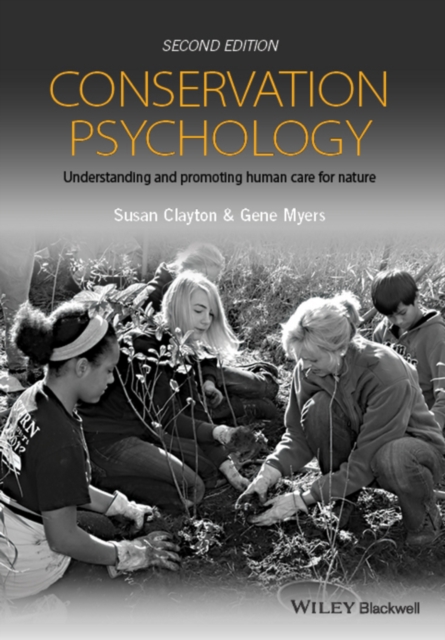
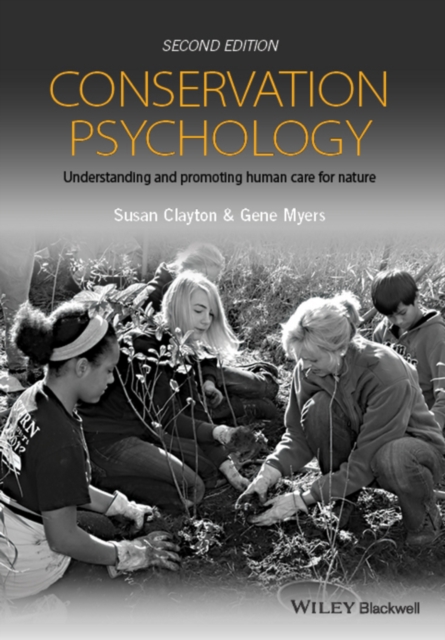
People are inseparable from natural ecosystems, and understanding how people think about, experience, and interact with nature is crucial for promoting environmental sustainability as well as human well-being.
People are inseparable from natural ecosystems, and understanding how people think about, experience, and interact with nature is crucial for promoting environmental sustainability as well as human well-being.
Covering the full spectrum of methodology, the timely and indispensible Research Methods for Environmental surveys the research and application methods for studying, changing, and improving human attitudes, behaviour and well-being in relation to the physical environment.
Covering the full spectrum of methodology, the timely and indispensible Research Methods for Environmental surveys the research and application methods for studying, changing, and improving human attitudes, behaviour and well-being in relation to the physical environment.
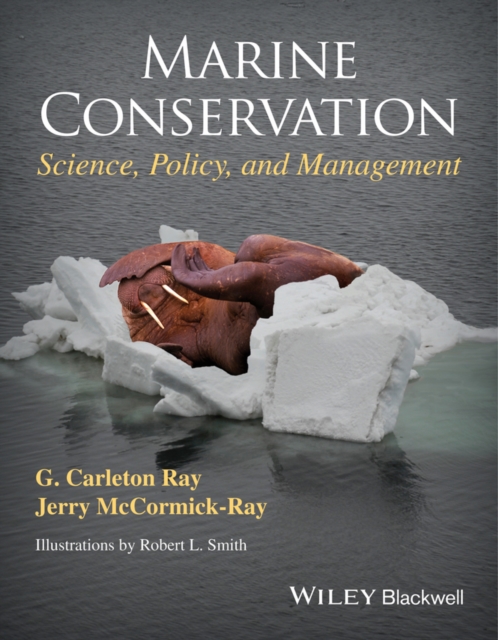
Providing a guide for marine conservation practice, Marine Conservation takes a whole-systems approach, covering major advances in marine ecosystem understanding.
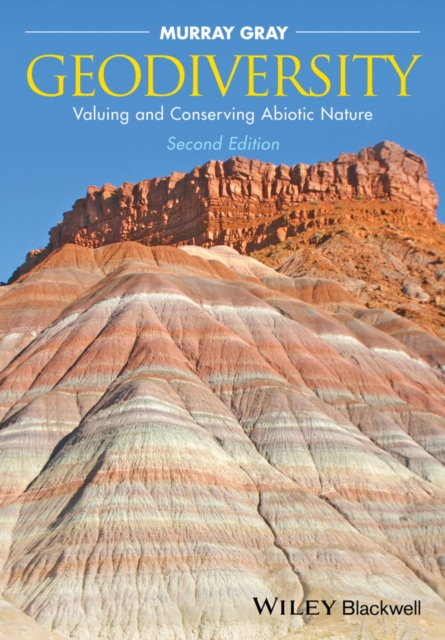
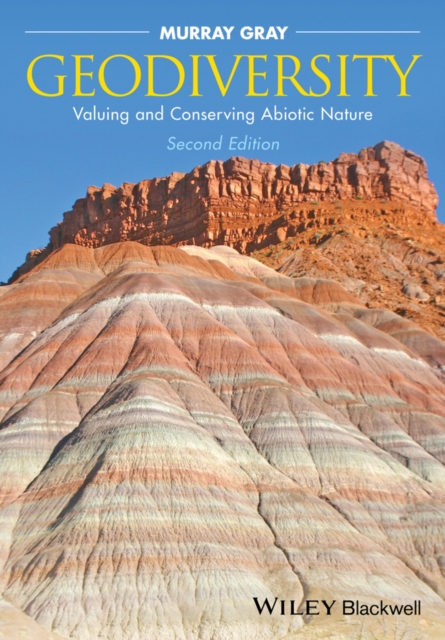
The first book to focus exclusively on the subject, Geodiversity, Second Edition describes the interrelationships between geodiversity and biodiversity, the value of geodiversity to society, as well as current threats to its existence.
The first book to focus exclusively on the subject, Geodiversity, Second Edition describes the interrelationships between geodiversity and biodiversity, the value of geodiversity to society, as well as current threats to its existence.
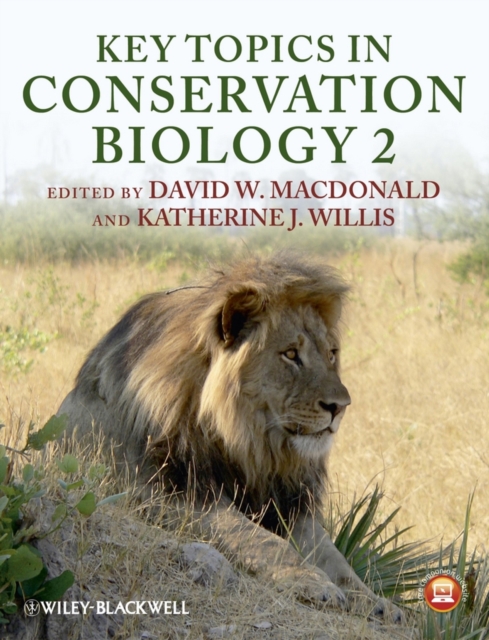
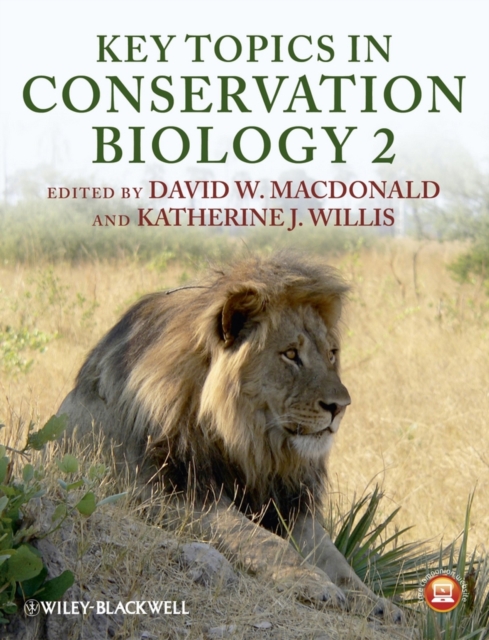
Following the much acclaimed success of the first volume of Key Topics in Conservation Biology, this entirely new second volume addresses an innovative array of key topics in contemporary conservation biology.
Following the much acclaimed success of the first volume of Key Topics in Conservation Biology, this entirely new second volume addresses an innovative array of key topics in contemporary conservation biology.
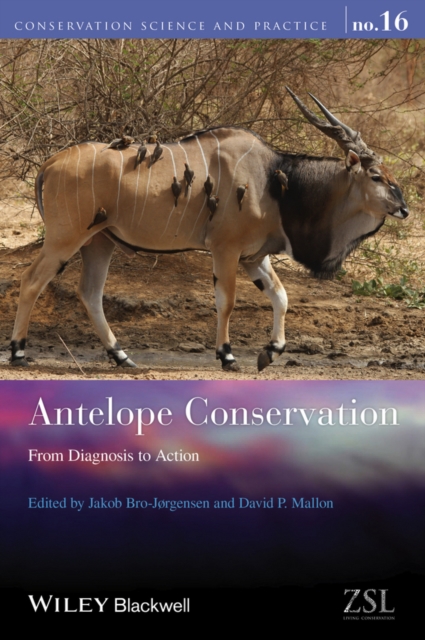
Antelopes constitute a fundamental part of ecosystems throughout Africa and Asia where they act as habitat architects, dispersers of seeds, and prey for large carnivores.
Antelopes constitute a fundamental part of ecosystems throughout Africa and Asia where they act as habitat architects, dispersers of seeds, and prey for large carnivores.
Population ecology has matured to a sophisticated science with astonishing potential for contributing solutions to wildlife conservation and management challenges.
Governance of Marine Fisheries and Biodiversity Conservation explores governance of the world s oceans with a focus on the impacts of two inter-connected but historically separate streams of governance: one for fisheries, the other for biodiversity conservation.
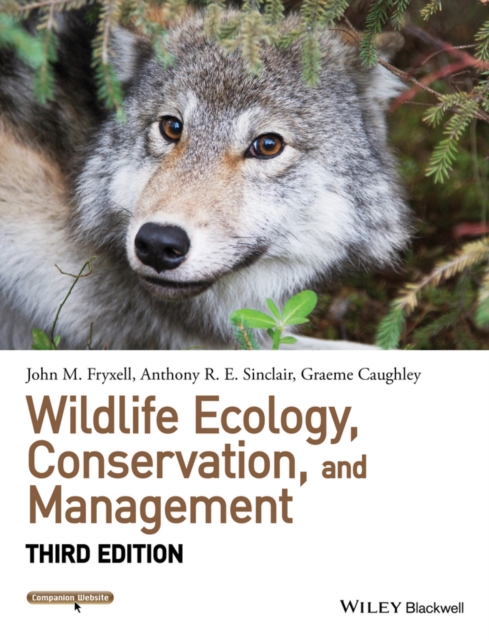
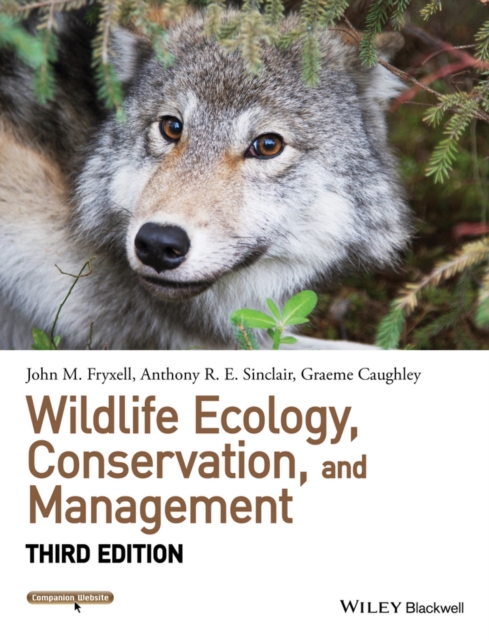
To understand modern principles of sustainable management and the conservation of wildlife species requires intimate knowledge about demography, animal behavior, and ecosystem dynamics.
To understand modern principles of sustainable management and the conservation of wildlife species requires intimate knowledge about demography, animal behavior, and ecosystem dynamics.
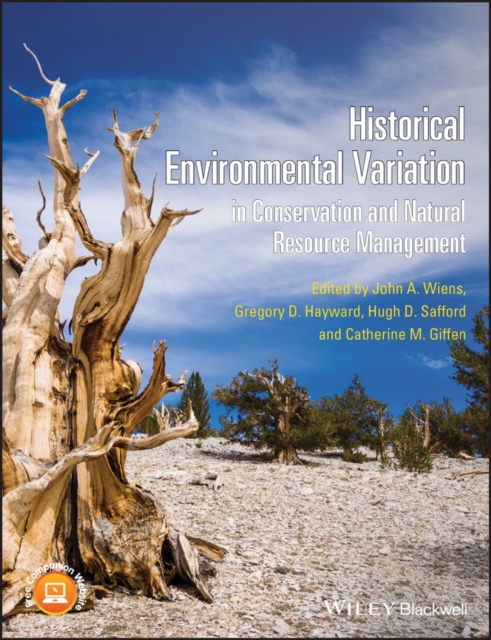
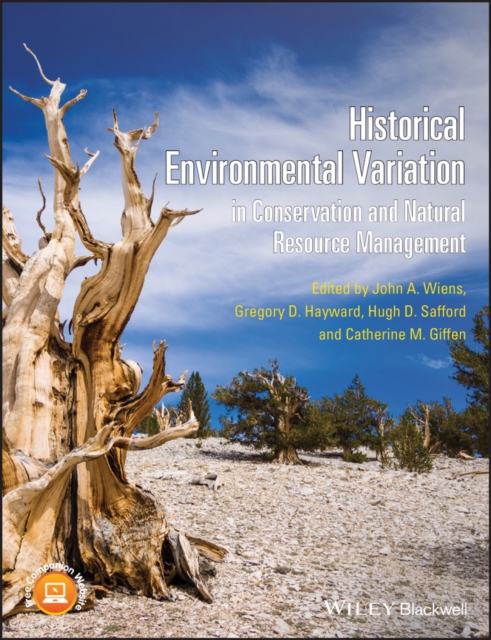
In North America, concepts of Historical Range of Variability are being employed in land-management planning for properties of private organizations and multiple government agencies.
In North America, concepts of Historical Range of Variability are being employed in land-management planning for properties of private organizations and multiple government agencies.