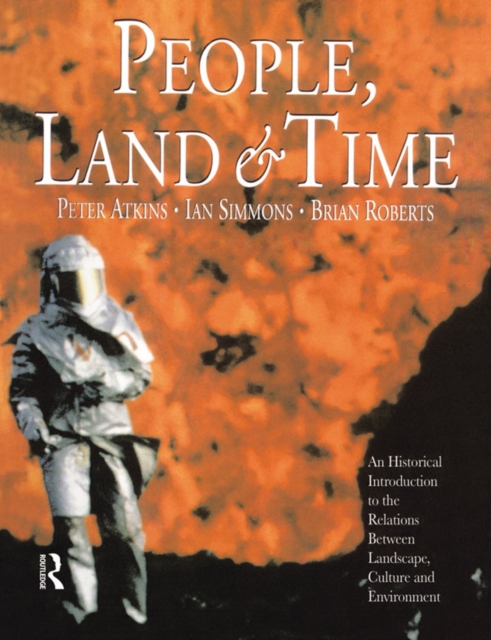
The influence of human economies and cultures on ecosystems is particularly striking in the new worlds into which Europeans have expanded over the past five hundred years.
South and Southeast Asian countries are experiencing rapid land cover and land use changes (LCLUC) driven by urbanization, agricultural expansion, deforestation, and infrastructure development.
We live in a world confronted by mounting environmental problems; increasing global deforestation and desertification, loss of species diversity, pollution and global warming.
We live in a world confronted by mounting environmental problems; increasing global deforestation and desertification, loss of species diversity, pollution and global warming.
Bioregionalism is the first book to explain the theoretical and practical dimensions of bioregionalism from an interdisciplinary standpoint, focusing on the place of bioregional identity within global politics.
Bioregionalism is the first book to explain the theoretical and practical dimensions of bioregionalism from an interdisciplinary standpoint, focusing on the place of bioregional identity within global politics.
In a new and critical analysis, this book explores the impact of an influential idea - sustainable development - on the institutions and practices governing use of land.
In a new and critical analysis, this book explores the impact of an influential idea - sustainable development - on the institutions and practices governing use of land.
Mountain Environments and Communities explains the background physical environment and then explores the environmental and social dimensions of mountain regions.
Mountain Environments and Communities explains the background physical environment and then explores the environmental and social dimensions of mountain regions.
Applied Geography offers an invaluable introduction to useful research in physical, environmental and human geography and provides a new focus and reference point for investigating and understanding problem-orientated research.
Applied Geography offers an invaluable introduction to useful research in physical, environmental and human geography and provides a new focus and reference point for investigating and understanding problem-orientated research.
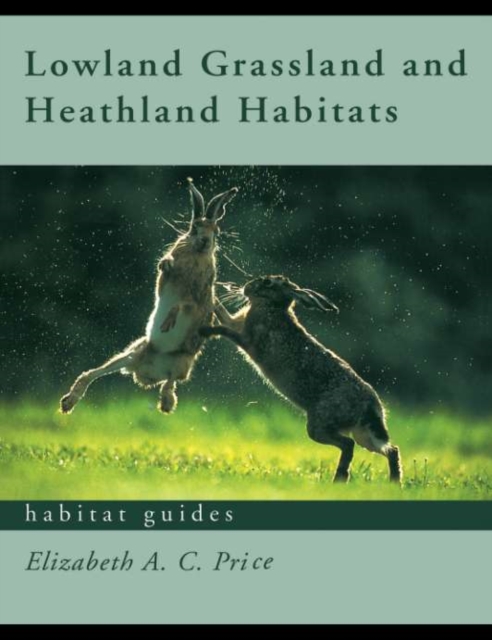
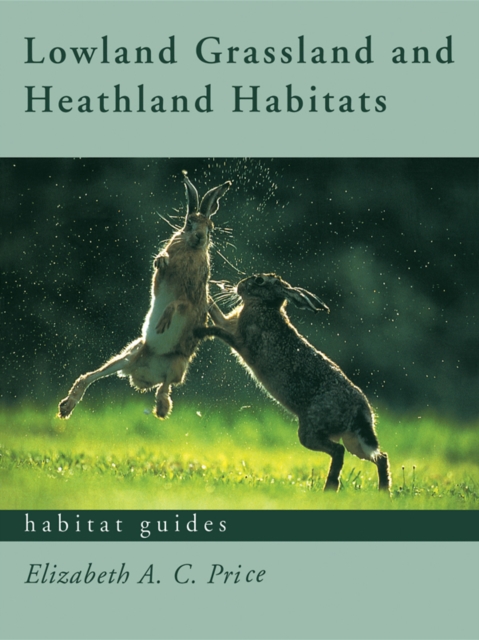
Grasslands are everywhere: agricultural land, playing fields and road verges; but while species-poor, intensively managed grasslands are widespread, colourful semi-natural grasslands and heathlands, buzzing with life, are scarce.
Grasslands are everywhere: agricultural land, playing fields and road verges; but while species-poor, intensively managed grasslands are widespread, colourful semi-natural grasslands and heathlands, buzzing with life, are scarce.
Volume 3: Managing the Ecosystem focuses on those ecosystems in which human intervention has been or continues to be predominant, specifically within cities and rural areas.
Volume 3: Managing the Ecosystem focuses on those ecosystems in which human intervention has been or continues to be predominant, specifically within cities and rural areas.
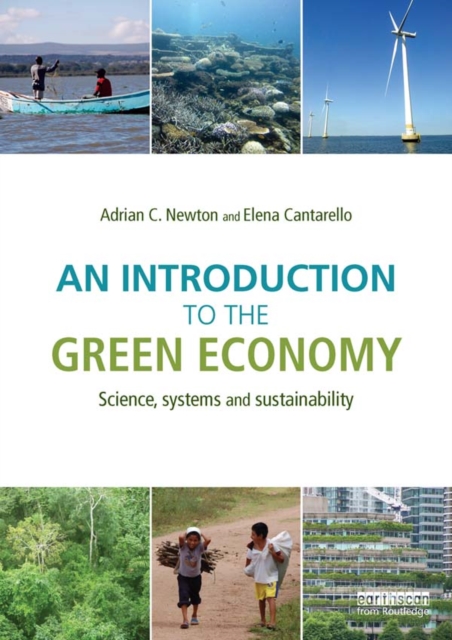
The green economy is widely seen as a potential solution to current global economic and environmental crises, and a potential mechanism by which sustainable development might be achieved in practice.
The green economy is widely seen as a potential solution to current global economic and environmental crises, and a potential mechanism by which sustainable development might be achieved in practice.
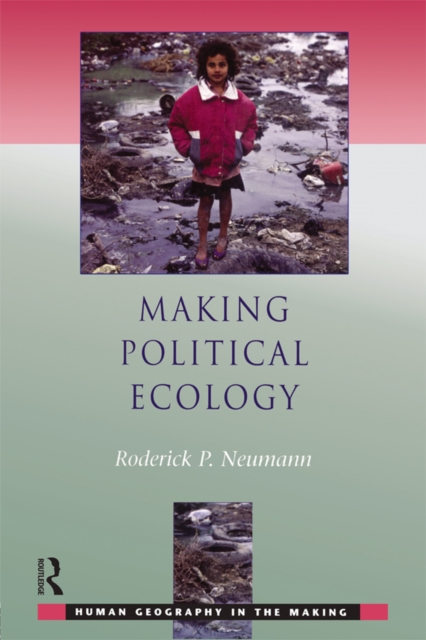
Making Political Ecology presents a comprehensive view of an important new field in human geography and interdisciplinary studies of nature-society relations.