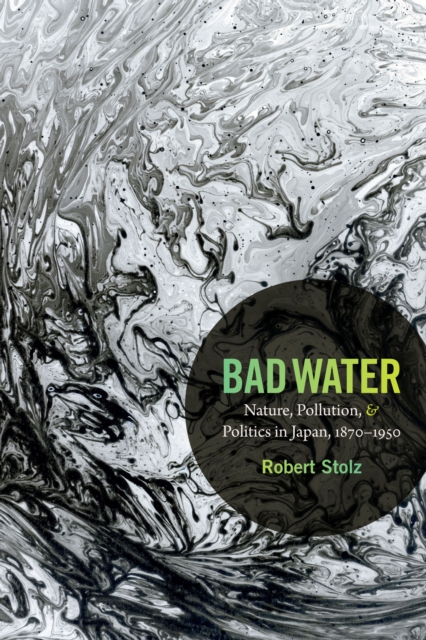
Bad Water is a sophisticated theoretical analysis of Japanese thinkers and activists' efforts to reintegrate the natural environment into Japan's social and political thought in the late nineteenth century and early twentieth.
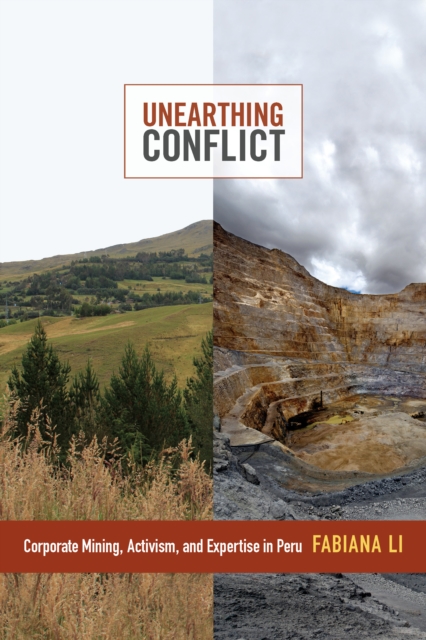
In Unearthing Conflict Fabiana Li analyzes the aggressive expansion and modernization of mining in Peru since the 1990s to tease out the dynamics of mining-based protests.
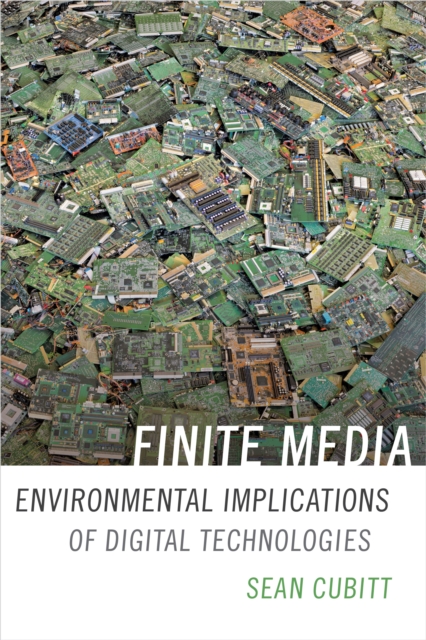
While digital media give us the ability to communicate with and know the world, their use comes at the expense of an immense ecological footprint and environmental degradation.
From flammable tap water and sick livestock to the recent onset of hundreds of earthquakes in Oklahoma, the impact of fracking in the United States is far-reaching and deeply felt.
In The Extractive Zone Macarena Gomez-Barris traces the political, aesthetic, and performative practices that emerge in opposition to the ruinous effects of extractive capital.
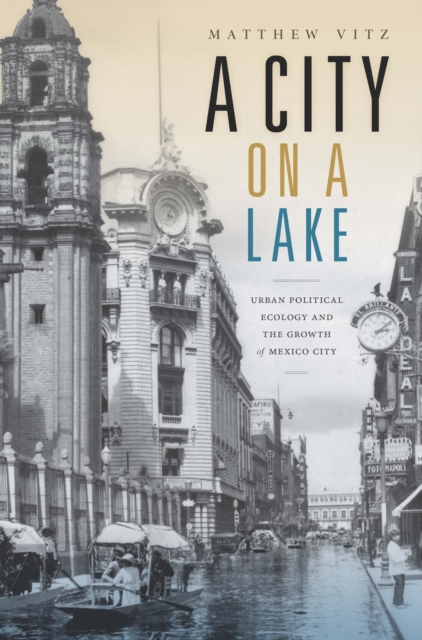
In A City on a Lake Matthew Vitz tracks the environmental and political history of Mexico City and explains its transformation from a forested, water-rich environment into a smog-infested megacity plagued by environmental problems and social inequality.
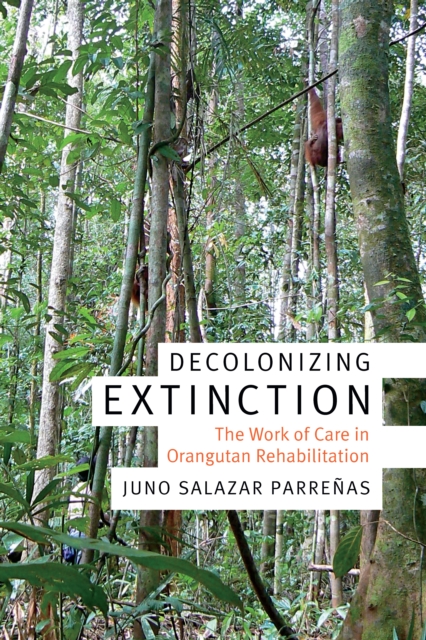
In Decolonizing Extinction Juno Salazar Parrenas ethnographically traces the ways in which colonialism, decolonization, and indigeneity shape relations that form more-than-human worlds at orangutan rehabilitation centers on Borneo.
A Primer for Teaching Environmental History is a guide for college and high school teachers who are teaching environmental history for the first time, for experienced teachers who want to reinvigorate their courses, for those who are training future teachers to prepare their own syllabi, and for teachers who want to incorporate environmental history into their world history courses.
One night, poet and environmental writer John Lane tuned in to a sound from behind his house that he had never heard before: the nearby eerie and captivating howls of coyotes.
Explores the ways climate change and extreme weather are negotiated politically in a border community As a borderland city with generations of slow violence and extreme weather events like flash flooding and intense heat waves, San Antonio, Texas, speaks directly to global issues in climate politics.
A frank and engaging exploration of the burgeoning academic field of environmental history Inspired by the pioneering work of preeminent environmental historian Donald Worster, the contributors to A Field on Fire: The Future of Environmental History reflect on the past and future of this discipline.
A holistic approach to analyzing distinct grassland habitats that integrates ecological, historical, and archaeological data Today the southeastern United States is a largely rural, forested, and agricultural landscape interspersed with urban areas of development.
Explores 19th-century, modern, postmodern, and millennial texts as they portray the changing ecological face of America Lee Rozelle probes the metaphor of environmental catastrophe in American literature of the last 150 years.
The Everest Effect is an accessibly written cultural history of how nature, technology, and culture have worked together to turn Mount Everest into a powerful and ubiquitous physical measure of Western values.
When the Puritans arrived in the New World to carry out the colonization they saw as divinely mandated, they were confronted by the American wilderness.
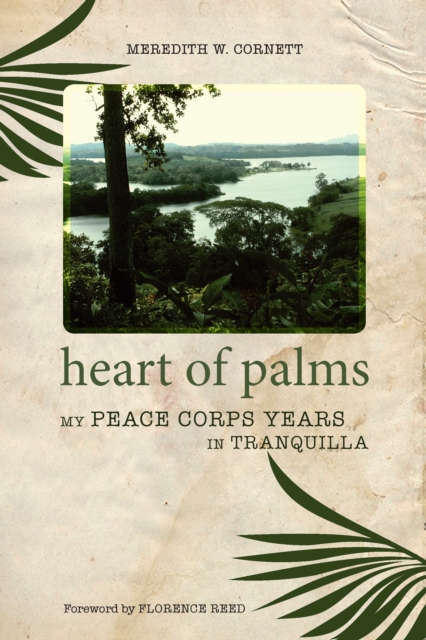
Heart of Palms is a clear-eyed memoir of Peace Corps service in the rural Panamanian village of Tranquilla through the eyes of a young American woman trained as a community forester.
It is widely understood that the burdens of ecological destruction are borne disproportionately by working-class and poor communities, both through illness and disease caused by pollutants and through the depletion of natural resources from which they make a living.
The geologically ancient Tidewater region of southeastern Virginia and northeastern North Carolina rests precariously atop millions of years of erosion from the nearby Appalachian Mountains.
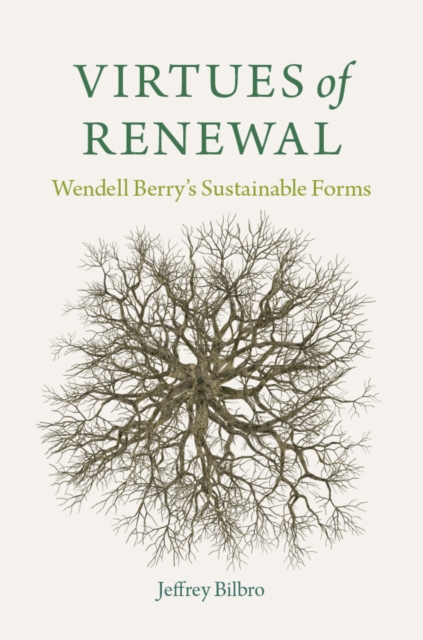
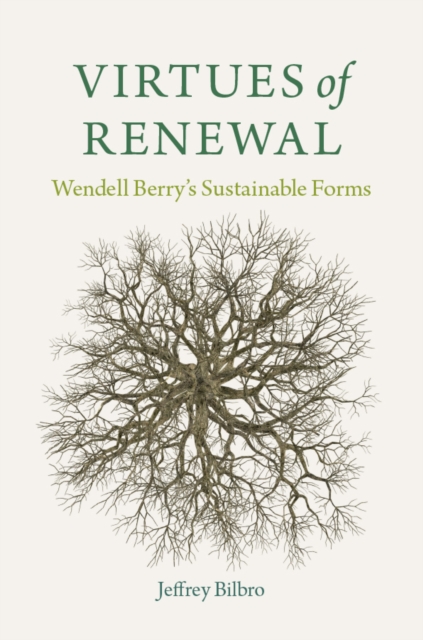
For over fifty years, Wendell Berry has argued that our most pressing ecological and cultural need is a renewed formal intelligencea mode of thinking and acting that fosters the health of the earth and its beings.
For over fifty years, Wendell Berry has argued that our most pressing ecological and cultural need is a renewed formal intelligencea mode of thinking and acting that fosters the health of the earth and its beings.
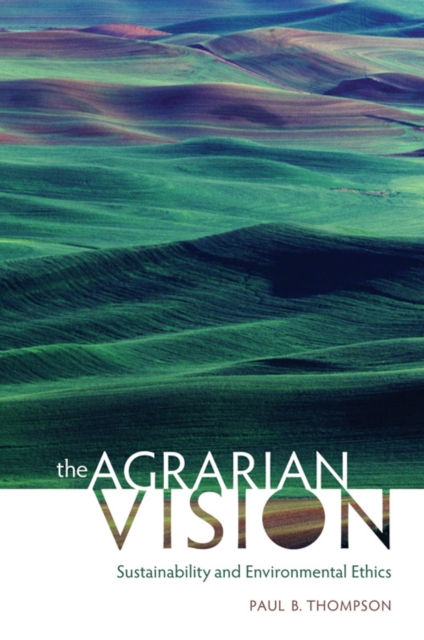
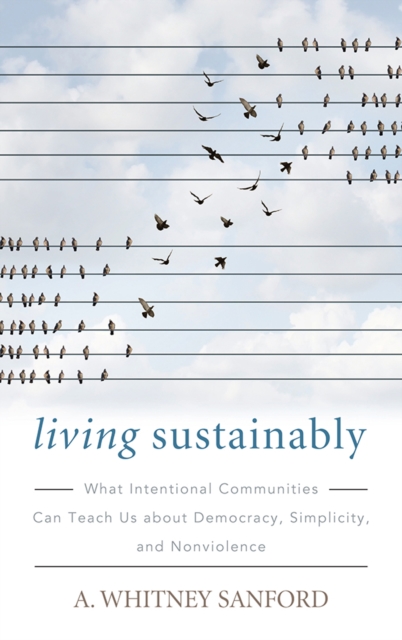
As industry and technology proliferate in modern society, sustainability has jumped to the forefront of contemporary political and environmental discussions.
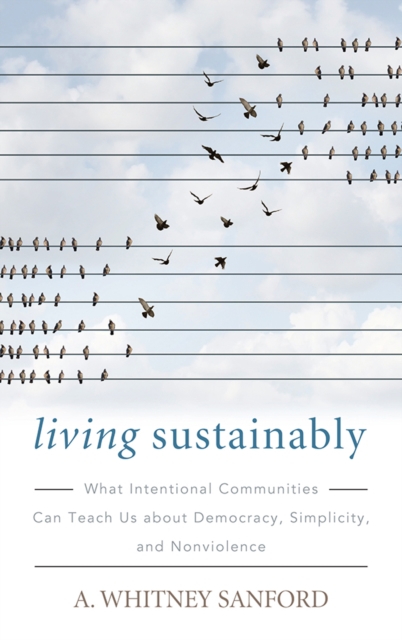
In light of concerns about food and human health, fraying social ties, economic uncertainty, and rampant consumerism, some people are foregoing a hurried, distracted existence and embracing a mindful way of living.
In light of concerns about food and human health, fraying social ties, economic uncertainty, and rampant consumerism, some people are foregoing a hurried, distracted existence and embracing a mindful way of living.