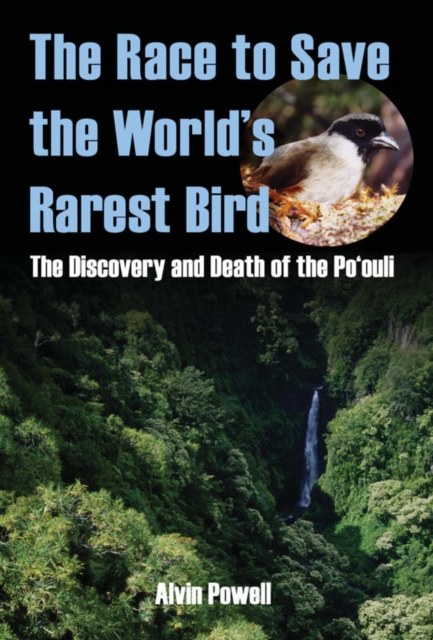
*; Real-life scientific adventure*; A thought-provoking exploration of how the Endangered Species Act works--and how it failsThirty years ago, researchers discovered a previously unknown species of bird in the rain-soaked and remote mountains of Hawaii.
How to cut heating and cooling costs, utilize solar energy, construct nonflush toilets and solar showers, collect rainwater, and apply permaculture techniques.
With a view toward the heritage of North American Industry, A Bibliographic Guide to North American Industry: History, Health, and Hazardous Waste provides recommended readings in historical and contemporary literature related to the origins of specific industries, the health and safety issues they face, and how they manage waste and prevent pollution.
Emphasizing the role that vivid personalities - including engineers John Laing Weller and Alex Grant as well as contractors and labourers - played in the construction of the canal, Roberta Styran and Robert Taylor use archival sources, government documents, newspapers, maps, and original plans to describe a saga of technological, financial, geographical, and social obstacles met and overcome in an accomplishment akin to the building of the Canadian Pacific Railway.
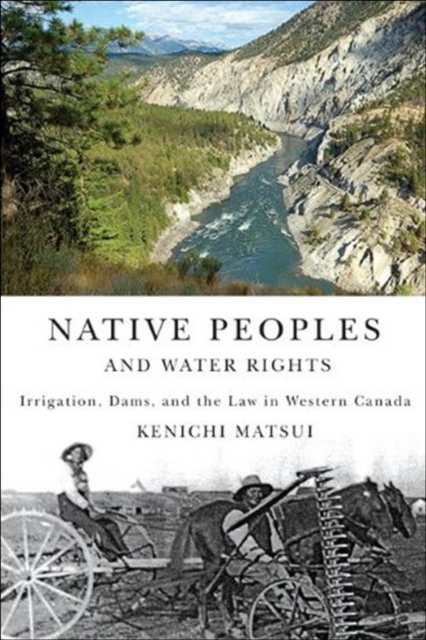
Economic developments in irrigation, agriculture, and hydroelectric power generation in western Canada at the turn of the last century challenged the way Native peoples had traditionally managed the watershed environment.
The North American Free Trade Agreement (NAFTA) and the Agreement on Internal Trade (AIT) were designed to strengthen investor's rights at the expense of community rights and environmental protection.
Rapidly developing changes in technology, scientific knowledge, and domestic and international environmental issues force analysts to constantly reevaluate how public policy is coping.
Economic developments in irrigation, agriculture, and hydroelectric power generation in western Canada at the turn of the last century challenged the way Native peoples had traditionally managed the watershed environment.
Rosemary Ommer and her project team combine formal scientific (natural and social) and humanist analysis with an examination of the lived experience of coastal people.
Rapidly developing changes in technology, scientific knowledge, and domestic and international environmental issues force analysts to constantly reevaluate how public policy is coping.
The North American Free Trade Agreement (NAFTA) and the Agreement on Internal Trade (AIT) were designed to strengthen investor's rights at the expense of community rights and environmental protection.
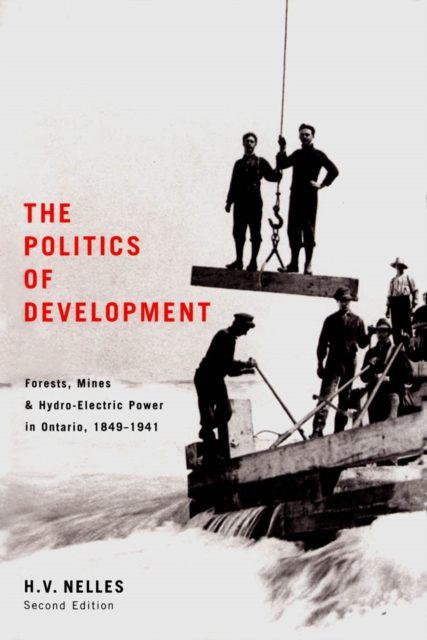
The Carleton Library Series returns this classic in political economy and Canadian historical writing to print, with a new introduction by Robert Young.
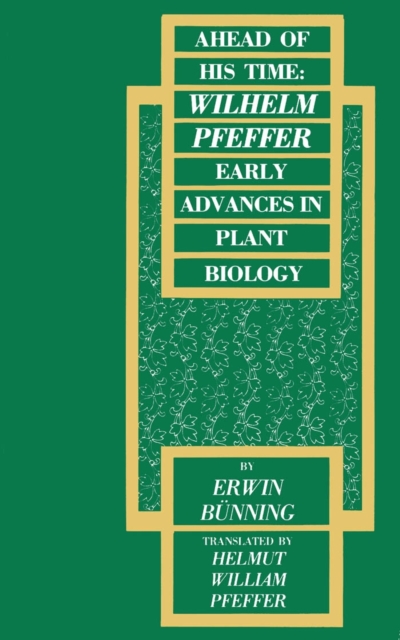
This is the first English translation of Professor Bunning's biography of the outstanding 19th century German plant physiologist, Wilhelm Pfeffer who, one hundred years ago, anticipated much that modern-day biologists and botanists have come to accept.
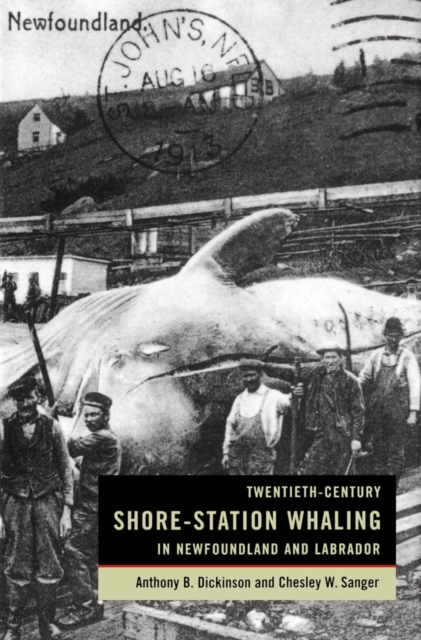
Modern shore-station whaling on Canada's eastern shores developed with the spread of Norwegian-dominated whaling from local areas where stocks that had been depleted by new hunting technologies to more productive locations in the North Atlantic and elsewhere.
Contributors include Elisabeth Abergel (Glendon College), Marianne Gosztonyi Ainley (University of Northern British Columbia and University of Victoria), Marie Battiste (University of Saskatchewan), Robin Cavanagh (York University), Vanaja Dhruvarajan (University of Winnipeg), Margrit Eichler (Ontario Institute for Studies in Education, University of Toronto), Leesa Fawcett (York University), Ursula M.
Canadian Water Politics explores the nature of water use conflicts and the need for institutional designs and reforms to meet the governance challenges now and in the future.
Catherine Potvin, Margaret Kraenzel, and Gilles Seutin asked scientists from developing countries to summarize their experiences of international collaboration and to suggest attitudes and practices that would lead to more fruitful exchanges with northern scientists.
Natural Selections traces the history of the first four parks in Atlantic Canada through the selection, expropriation, development, and management stages.
Voices for the Watershed is a unique look at the singular and ecologically inter-connected region of the Great Lakes-St Lawrence watershed, including the headwater and upland regions.
Patricia Marchak examines issues particular to the northern and southern regions and the global effects of trends in each region, using British Columbia, Brazil, Chile, Indonesia, and Thailand as full case studies and Malaysia, Myanmar, and other south-east Asian regions as shorter case studies.
The conference took advantage of the confluence of meetings of the Royal Society of Canada, the Learned Societies of Canada, and the Canadian Federation of Biological Societies at Queen's University in Kingston, Ontario.
From the introduction: "e;Standing at the threshold of modern times, Francis Bacon saw in experimental science and technological innovation the keys to humanity's future.