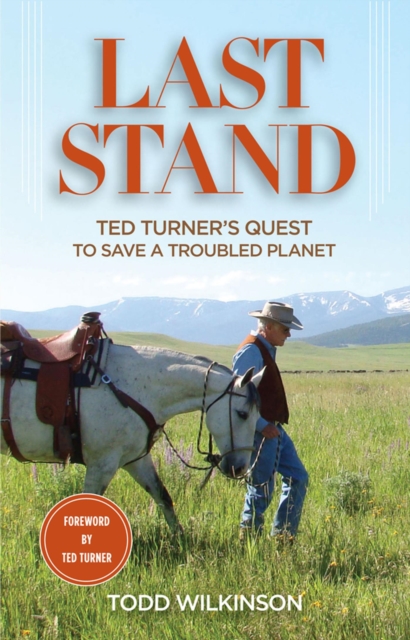
Entrepreneur and media mogul Ted Turner has commanded global attention for his dramatic personality, his founding of CNN, his marriage to Jane Fonda, and his companys merger with Time Warner.
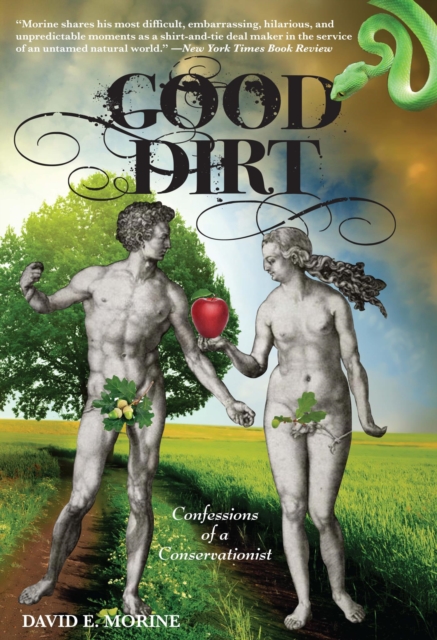
The best-selling conservation classic, completely expanded, revised, and updatedDavid Morine was a briefcase conservationist specializing in human nature.
Tropical forest conservation is attracting widespread public interest and helping to shape the ways in which environmental scientists and other groups approach global environmental issues.
Chickens, Cows, Ducks, Sheep, Pigs, Rabbits, Trout, Salmon, Prawns, Lobsters - all of the animal kingdom - are not here for us to eat, we should be looking after them.
The Conservation of Violence explores the governance of protected forests in Zimbabwe, highlighting the structural and operational mechanism through which violent tactics are produced, employed, and sustained to promote nature conservation.
In this first comprehensive authorized biography of David Brower, a dynamic leader in the environmental movement over the last half of the twentieth century, Tom Turner explores Brower's impact on the movement from its beginnings until his death in 2000.
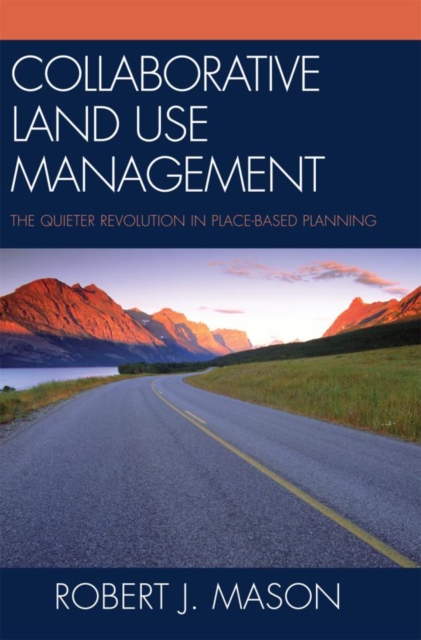
Collaborative Land Use Management: The Quieter Revolution in Place-Based Planning discusses the less-regulatory approaches to land use management that have emerged over the past 35 years, analyzing the collective value of such place-based planning approaches as land trusts, open-space ballot measures, watershed conservancies, ecoregional plans, and smart-growth initiatives.
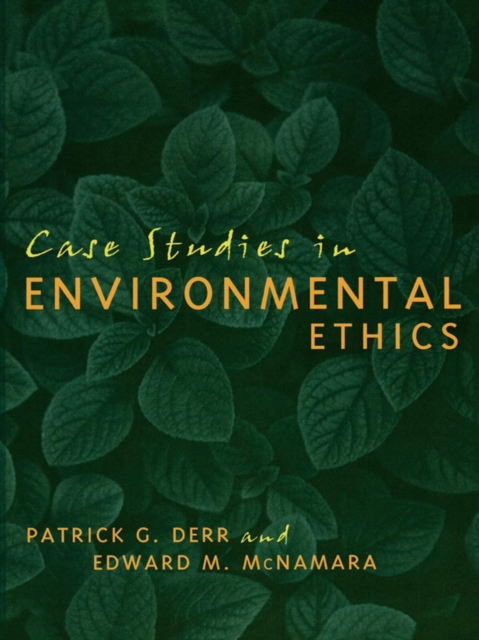
Case Studies in Environmental Ethics is a collection of more than 40 case studies covering diverse topics such as: genetic engineering, aesthetics, pollution, animal rights, population, and resource management.
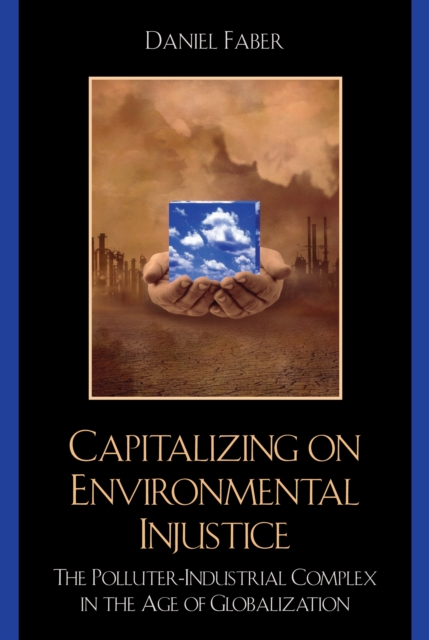
Capitalizing on Environmental Injustice provides a comprehensive overview of the achievements and challenges confronting the environmental justice movement.
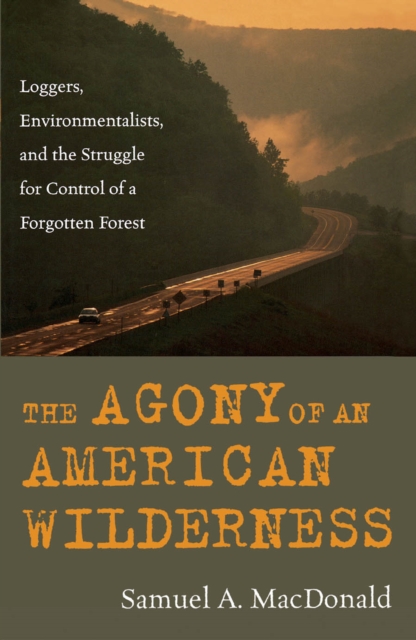
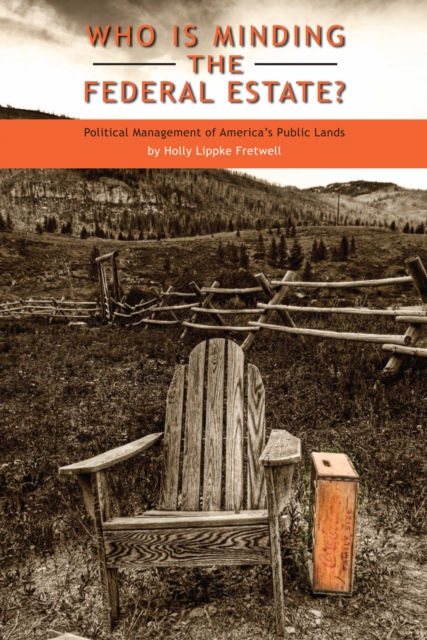
Sewage seeping into creeks, crumbling cabins and disintegrating roads, dilapidated visitor centers, catastrophic wildfires: these are some of the sights awaiting visitors to federal lands today.
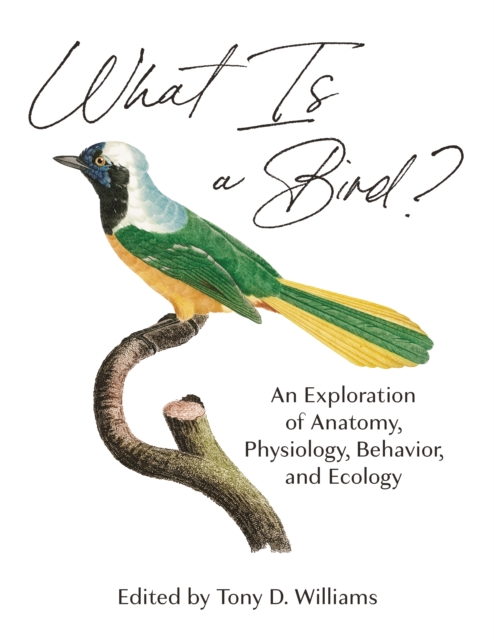
A large-format, beautifully illustrated look at the natural history of birdsThere are some 10,000 bird species in existence today, occupying every continent and virtually every habitat on Earth.
Wyl Menmuir's The Draw of the Sea is a beautifully written and deeply moving portrait of the Cornish Coast and the people who make their livings there, examining the ephemeral but universal pull the sea holds over the human imagination.
There are so many reasons to love animals: lions have magnificent shaggy manes, penguins go tobogganing on their tummies, bears wiggle and dance as they scratch, whales sing songs, and elephants can feel sadness.
In The Green Years, 1964"e;1976, Gregg Coodley and David Sarasohn offer the first comprehensive history of the period when the US created the legislative, legal, and administrative structures for environmental protection that are still in place over fifty years later.
In The Green Years, 1964"e;1976, Gregg Coodley and David Sarasohn offer the first comprehensive history of the period when the US created the legislative, legal, and administrative structures for environmental protection that are still in place over fifty years later.
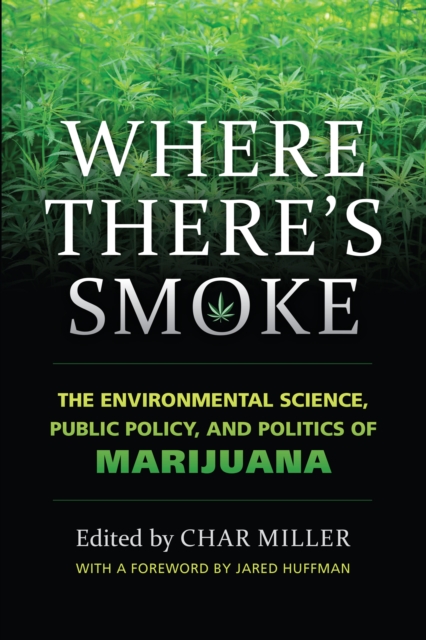
Over the course of a year, in just one national forest in California, raids on illegal marijuana growing operations yielded 19,710 pounds of infrastructure, 138 ounces of restricted poisons, 4,595 pounds of fertilizer, 12 gallons of common pesticides, 5.
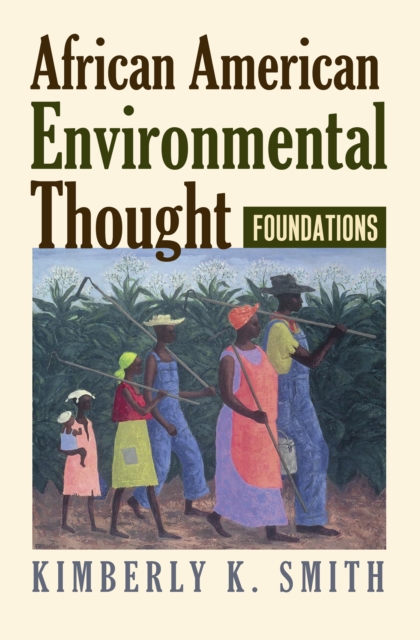
Choice Outstanding Book African American intellectual thought has long provided a touchstone for national politics and civil rights, but, as Kimberly Smith reveals, it also has much to say about our relationship to nature.
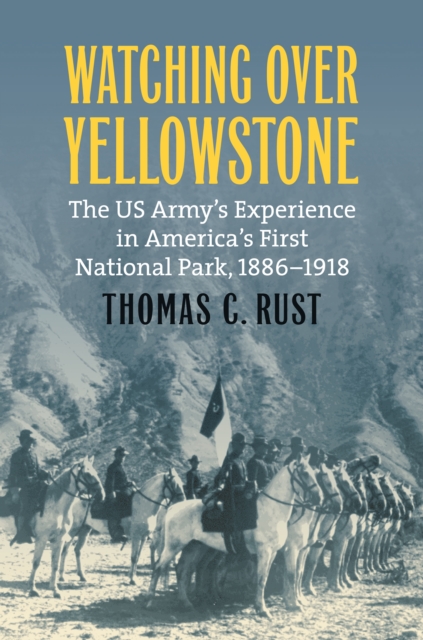
When, in 1883, Congress charged the US Army with managing Yellowstone National Park, soldiers encountered a new sort of hostility: work they were untrained for, in a daunting physical and social environment where they werent particularly welcome.
Environmental activism has most often been credited to grassroots protesters, but much early progress in environmental protection originated in the halls of Congress.
Winner: Western Heritage Book AwardSpur Award FinalistStubbendieck Great Plains Distinguished Book AwardAmericas Great Plains once possessed one of the grandest wildlife spectacles of the world, equaled only by such places as the Serengeti, the Masai Mara, or the veld of South Africa.
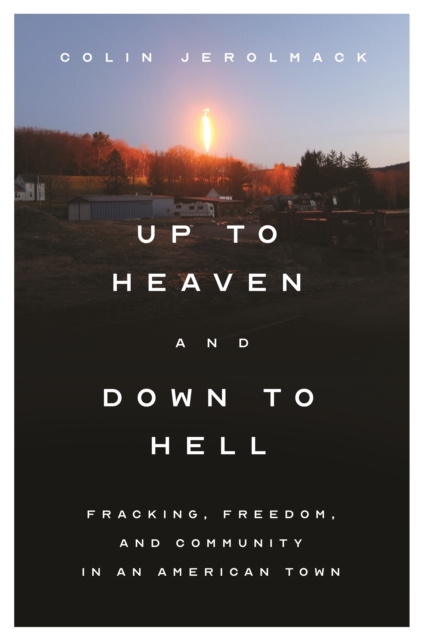
A riveting portrait of a rural Pennsylvania town at the center of the fracking controversyShale gas extraction-commonly known as fracking-is often portrayed as an energy revolution that will transform the American economy and geopolitics.
A riveting portrait of a rural Pennsylvania town at the center of the fracking controversyShale gas extraction-commonly known as fracking-is often portrayed as an energy revolution that will transform the American economy and geopolitics.
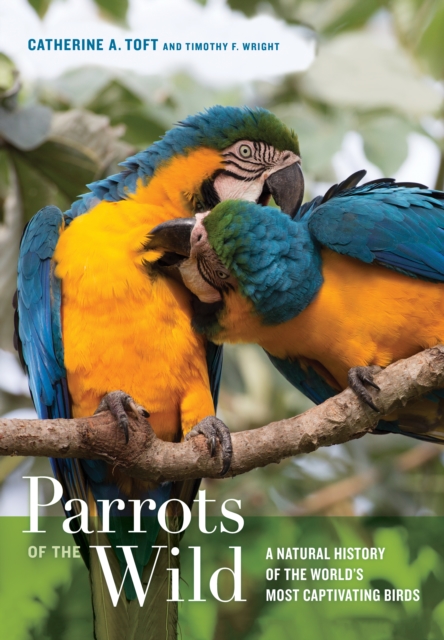
Parrots of the Wildis an exhaustive compendium of information about parrots, from their evolutionary history to their behavior to present-day conservation issues.
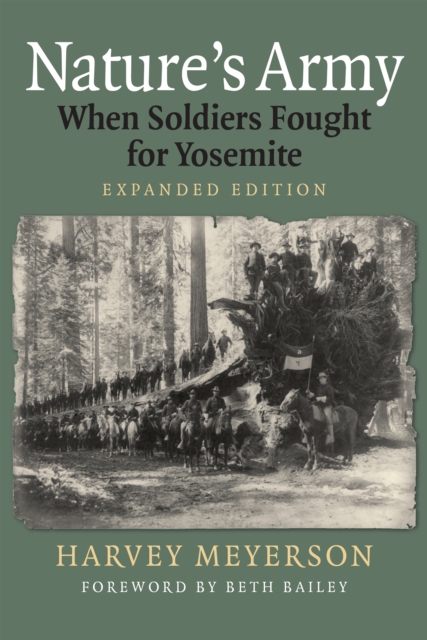
This illustrated collection gathers John Muir's essential California writings, including My First Summer in the Sierra, Picturesque California, The Mountains of California, The Yosemite, and Our National Parks.
The river red gum has the most widespread natural distribution of Eucalyptus in Australia, forming extensive forests and woodlands in south-eastern Australia and providing the structural and functional elements of important floodplain and wetland ecosystems.
Queensland is home to 70% of Australia's native mammals (226 species), over 70% of native birds (630 species), just over half of the nation's native reptiles (485) and native frogs (127), and more than 11 000 native plant species.