Bypassed by time and "e;Joisey"e; Shore-bound vacationers, the marshes and forests of the Bayshore constitute one of North America's last great undiscovered wild places.
At the center of Deep Blue Home-a penetrating exploration of the ocean as single vast current and of the creatures dependent on it-is Whitty's description of the three-dimensional ocean river, far more powerful than the Nile or the Amazon, encircling the globe.
National Book Awardwinner Timothy Egan turns his historians eye to the largest-ever forest fire in America and offers an epic, cautionary tale for our time.
The Yaak Valley of northwestern Montana is one of the last great wild places in the United States, a land of black bears and grizzlies, wolves and coyotes, bald and golden eagles, wolverine, lynx, marten, fisher, elk, and even a handful of humans.
For the Wild explores the ways in which the commitments of radical environmental and animal-rights activists develop through powerful experiences with the more-than-human world during childhood and young adulthood.
In the continuing debate of how to confront the challenges of climate change, individuals, advocacy groups, and political parties in the United States offer arguments and solutions based on economic and political viewpoints.
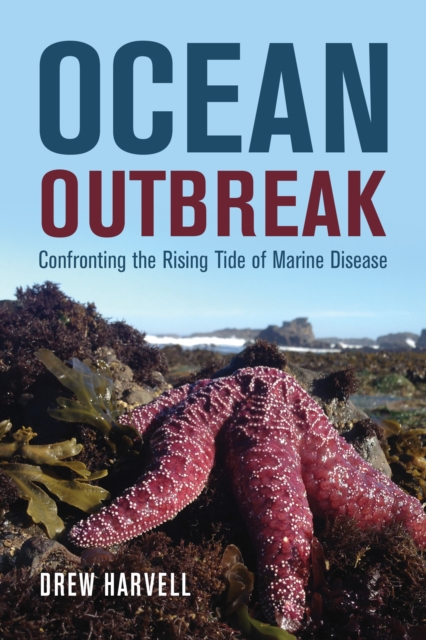
Winner of the Sustainability Science Award 2020, Ecological Society of America Winner of the PROSE Award (Biological Sciences category) 2020, Association of American PublishersThere is a growing crisis in our oceans: mysterious outbreaks of infectious disease are on the rise.
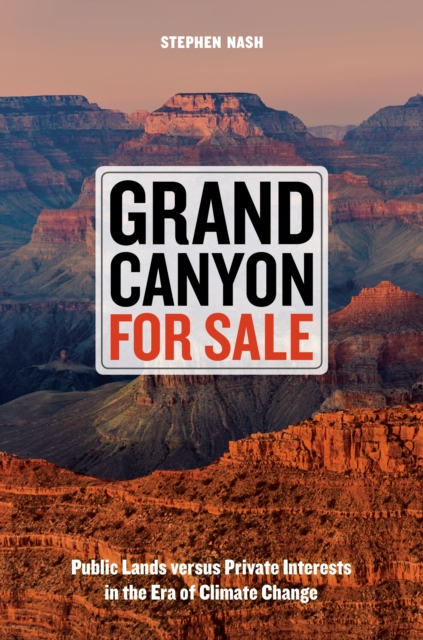
Grand Canyon For Sale is a carefully researched investigation of the precarious future of America's public lands: our national parks, forests, wildlife refuges, monuments, and wildernesses.
Since its publication in 1962, Rachel Carson's book Silent Spring has often been celebrated as the catalyst that sparked an American environmental movement.
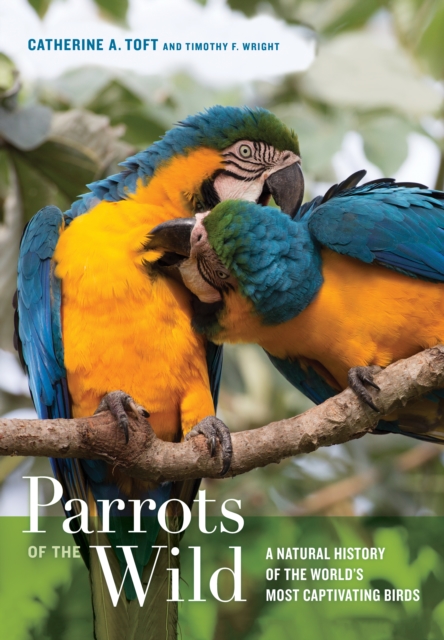
Parrots of the Wildis an exhaustive compendium of information about parrots, from their evolutionary history to their behavior to present-day conservation issues.
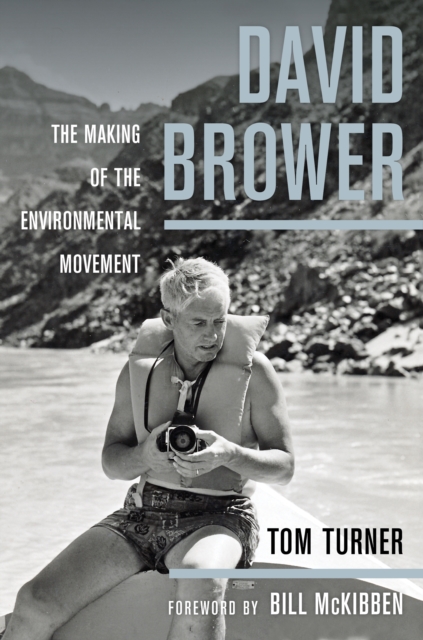
In this first comprehensive authorized biography of David Brower, a dynamic leader in the environmental movement over the last half of the twentieth century, Tom Turner explores Brower's impact on the movement from its beginnings until his death in 2000.
Now forty years old, the Endangered Species Act (ESA) remains a landmark act in conservation and one of the world's most comprehensive laws designed to prevent species extinctions and support recovery efforts for imperiled species.
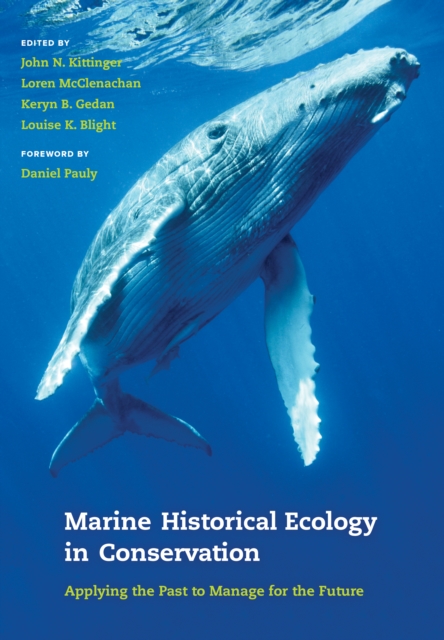
This pioneering volume provides a blueprint for managing the challenges of ocean conservation using marine historical ecology-an interdisciplinary area of study that is helping society to gain a more in-depth understanding of past human-environmental interactions in coastal and marine ecosystems and of the ecological and social outcomes associated with these interactions.
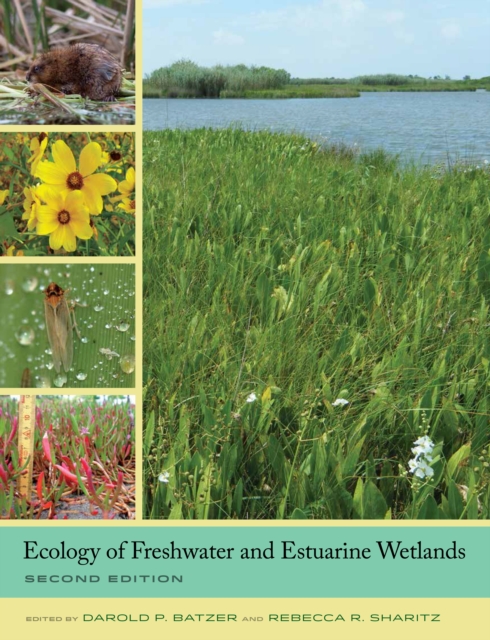
This second edition of this important and authoritative survey provides students and researchers with up-to-date and accessible information about the ecology of freshwater and estuarine wetlands.
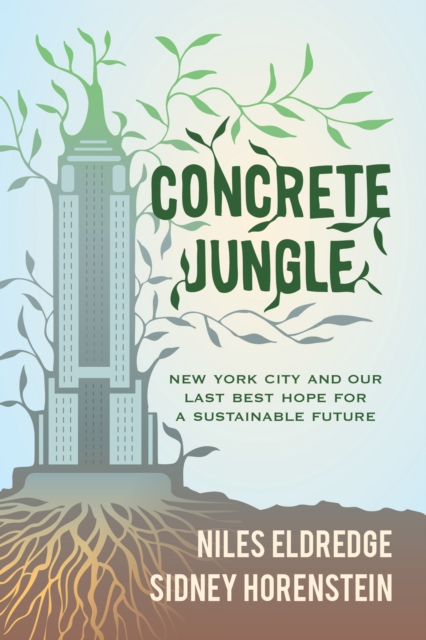
If they are to survive, cities need healthy chunks of the world's ecosystems to persist; yet cities, like parasites, grow and prosper by local destruction of these very ecosystems.
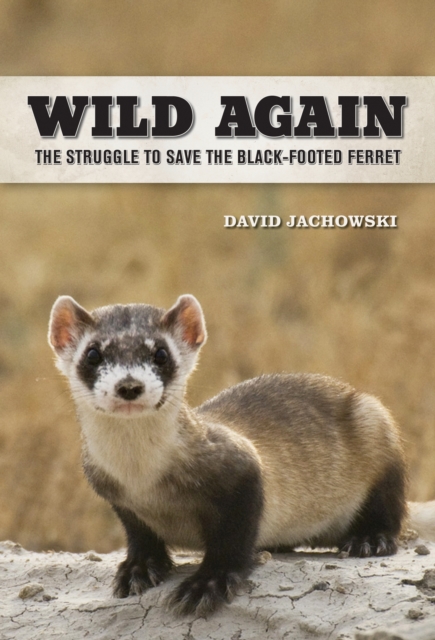
This engaging personal account of one of America's most contested wildlife conservation campaigns has as its central character the black-footed ferret.
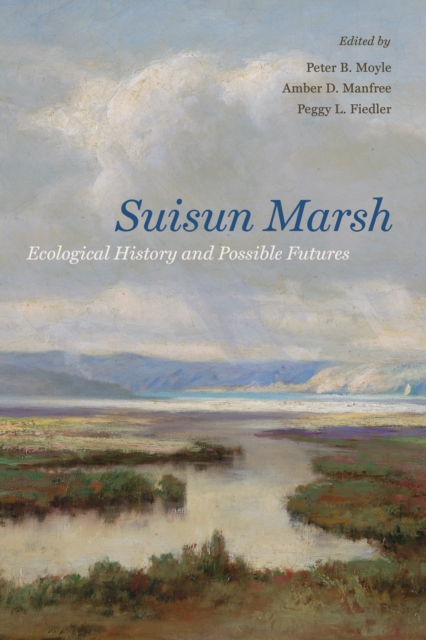
One of California's most remarkable wetlands, Suisun Marsh is the largest tidal marsh on the West Coast and a major feature of the San Francisco Estuary.
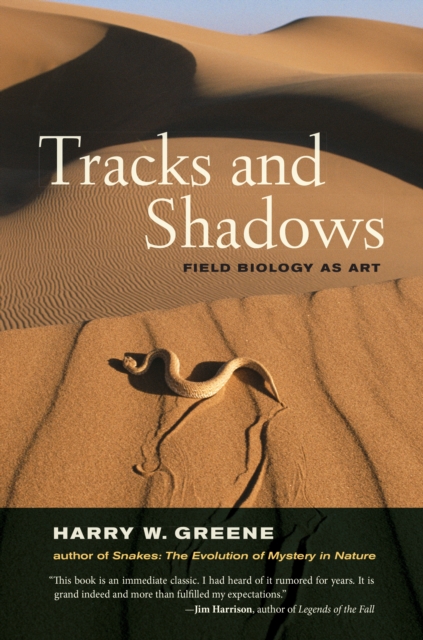
Intellectually rich, intensely personal, and beautifully written, Tracks and Shadows is both an absorbing autobiography of a celebrated field biologist and a celebration of beauty in nature.
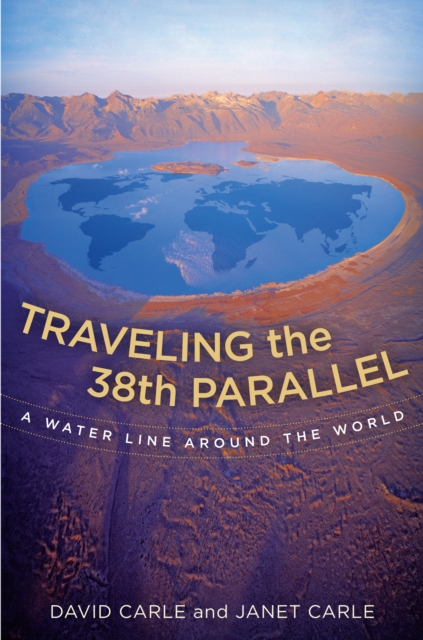
Between extremes of climate farther north and south, the 38th North parallel line marks a temperate, middle latitude where human societies have thrived since the beginning of civilization.
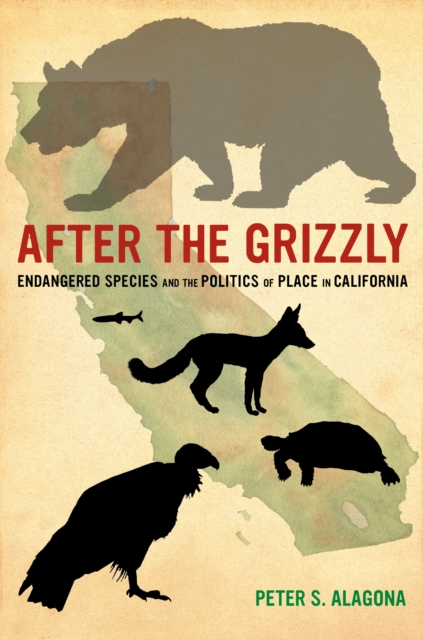
Thoroughly researched and finely crafted, After the Grizzly traces the history of endangered species and habitat in California, from the time of the Gold Rush to the present.
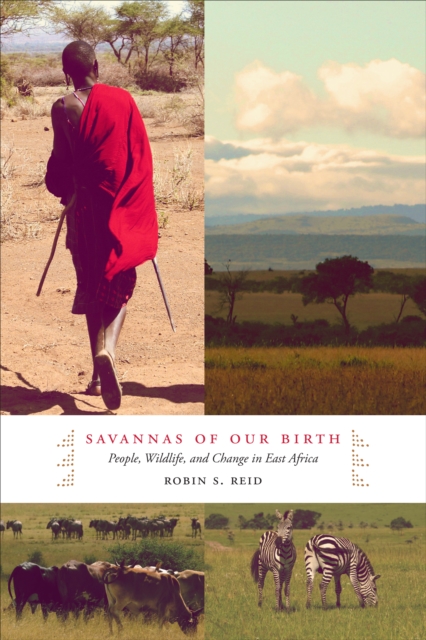
This book tells the sweeping story of the role that East African savannas played in human evolution, how people, livestock, and wildlife interact in the region today, and how these relationships might shift as the climate warms, the world globalizes, and human populations grow.
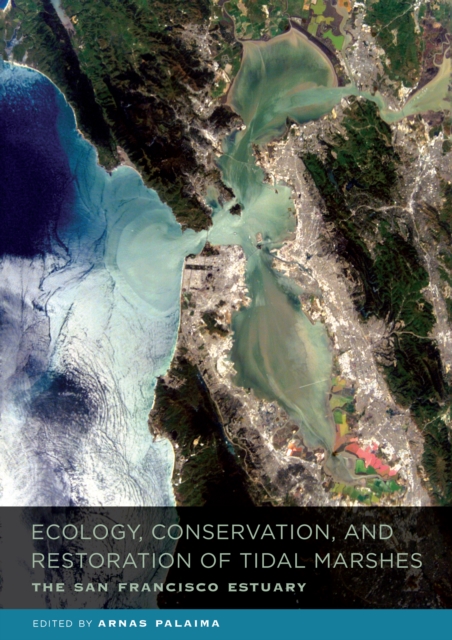
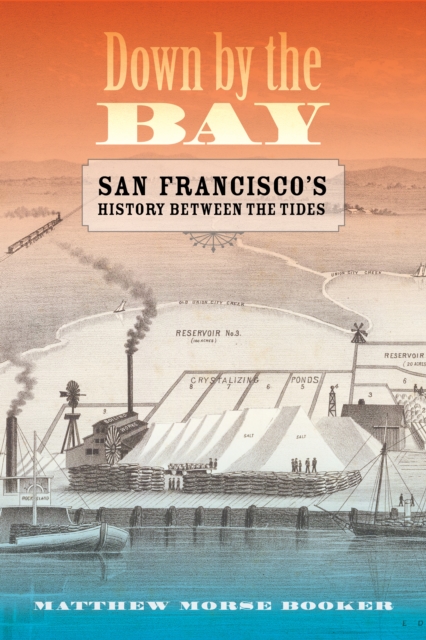
The San Francisco Bay, the biggest estuary on the west coast of North America, was once surrounded by an almost unbroken chain of tidal wetlands, a fecund sieve of ecosystems connecting the land and the Bay.
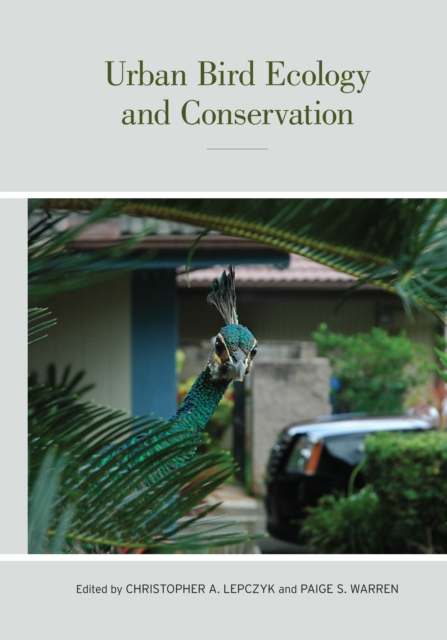
Now that more than half of the world's population lives in cities, the study of birds in urban ecosystems has emerged at the forefront of ornithological research.
The UC Natural Reserve System, established in 1965 to support field research, teaching, and public service in natural environments, has become a prototype of conservation and land stewardship looked to by natural resource managers throughout the world.
This succinct book gives an intimate view of the day-to-day functioning of a remarkable river that has figured prominently in history and culture-the Hudson, a main artery connecting New York, America, and the world.
Written for anyone interested in green development-including policy makers, architects, developers, builders, and homeowners-this practical guide focuses on the central question of how to conserve biodiversity in neighborhoods and to minimize development impacts on surrounding habitats.
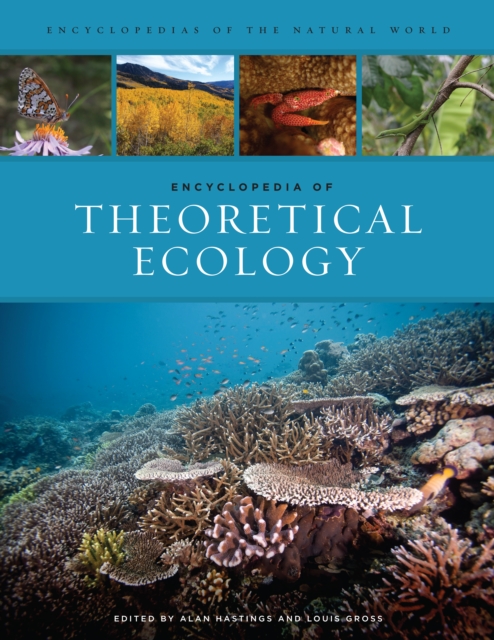
This major reference is an overview of the current state of theoretical ecology through a series of topical entries centered on both ecological and statistical themes.
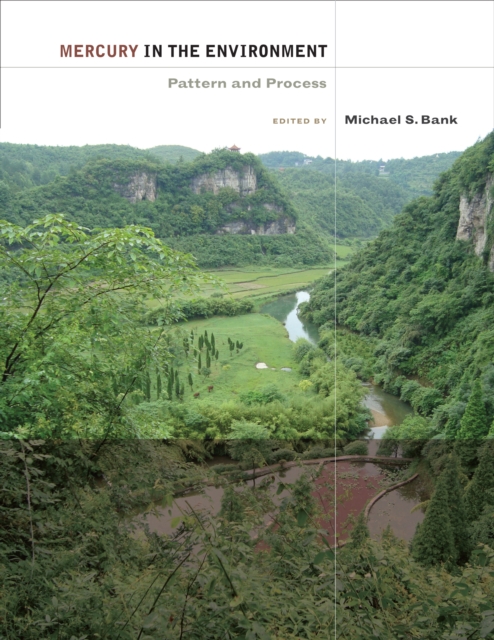
Mercury pollution and contamination are widespread, well documented, and continue to pose a public health concern in both developed and developing countries.
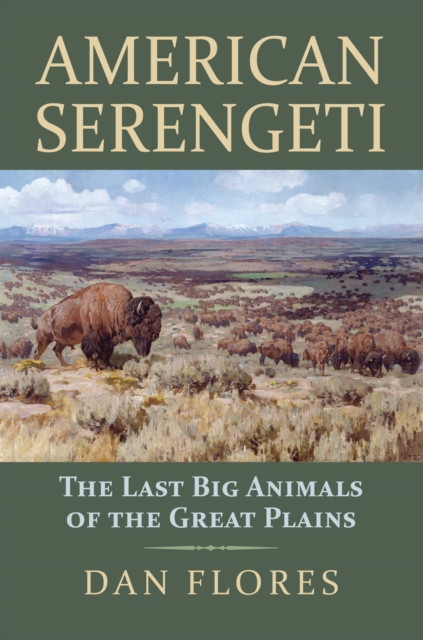
Winner: Western Heritage Book AwardSpur Award FinalistStubbendieck Great Plains Distinguished Book AwardAmericas Great Plains once possessed one of the grandest wildlife spectacles of the world, equaled only by such places as the Serengeti, the Masai Mara, or the veld of South Africa.
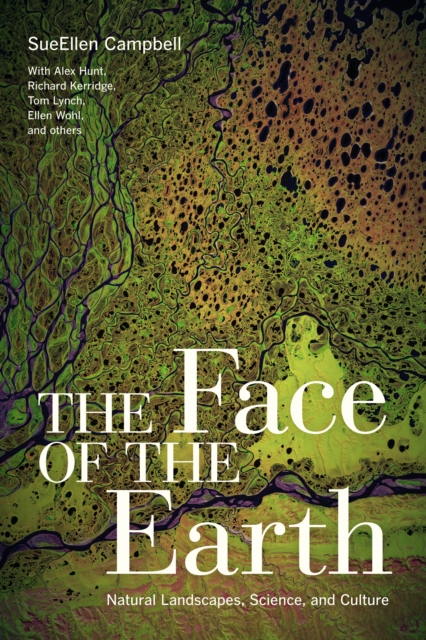
This lively book sweeps across dramatic and varied terrains-volcanoes and glaciers, billabongs and canyons, prairies and rain forests-to explore how humans have made sense of our planet's marvelous landscapes.
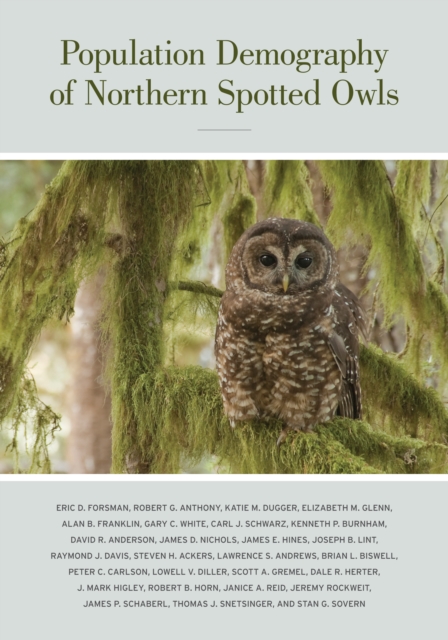
The Northern Spotted Owl, a threatened species that occurs in coniferous forests in the western United States, has become a well-known environmental symbol.
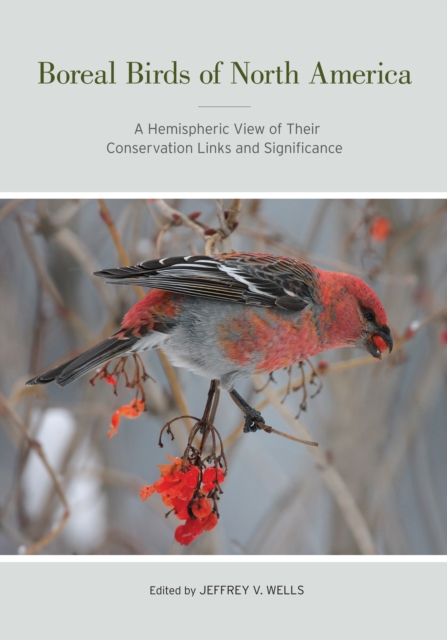
Reaching from interior Alaska across Canada to Labrador and Newfoundland, North America's boreal forest is the largest wilderness area left on the planet.
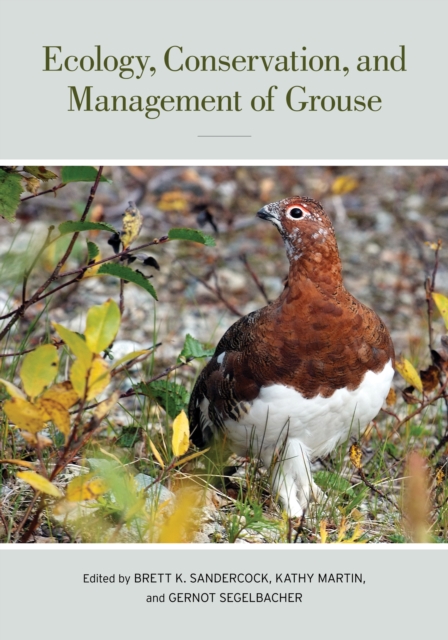
Grouse-an ecologically important group of birds that include capercaillie, prairie chickens, and ptarmigan-are distributed throughout the forests, grasslands, and tundra of Europe, Asia, and North America.