This pathbreaking book explores how life can begin, taking us from cosmic clouds of stardust, to volcanoes on Earth, to the modern chemistry laboratory.
In this provocative walking meditation, writer and former park ranger William Tweed takes us to California's spectacular High Sierra to discover a new vision for our national parks as they approach their 100th anniversary.
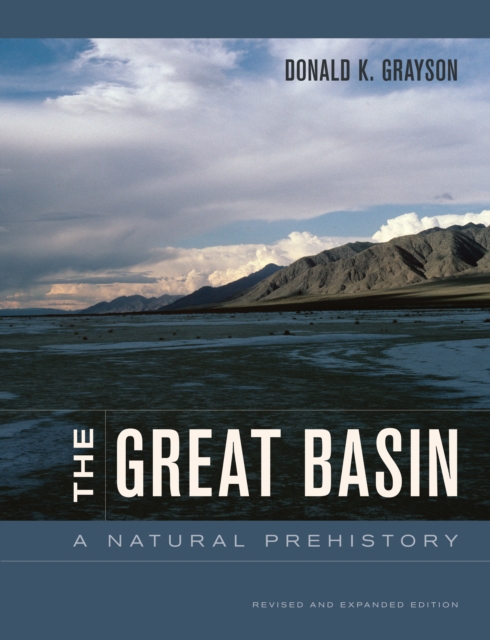
Covering a large swath of the American West, the Great Basin, centered in Nevada and including parts of California, Utah, and Oregon, is named for the unusual fact that none of its rivers or streams flow into the sea.
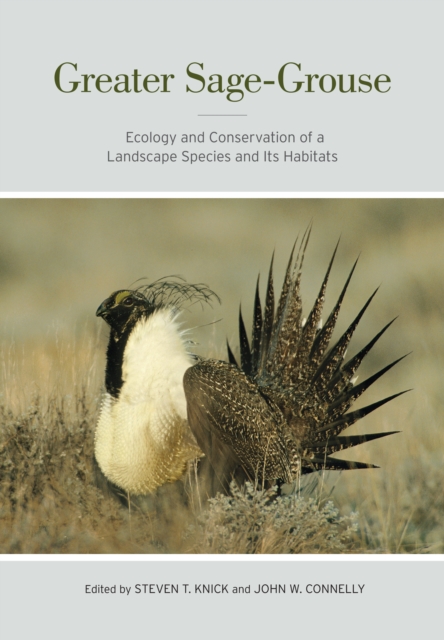
Admired for its elaborate breeding displays and treasured as a game bird, the Greater Sage-Grouse is a charismatic symbol of the broad open spaces in western North America.
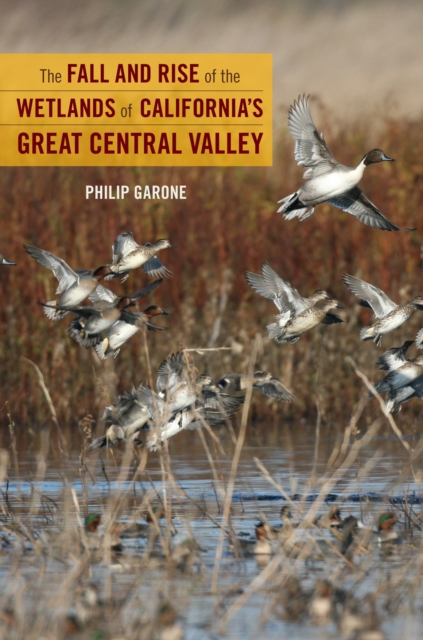
This is the first comprehensive environmental history of California's Great Central Valley, where extensive freshwater and tidal wetlands once provided critical habitat for tens of millions of migratory waterfowl.
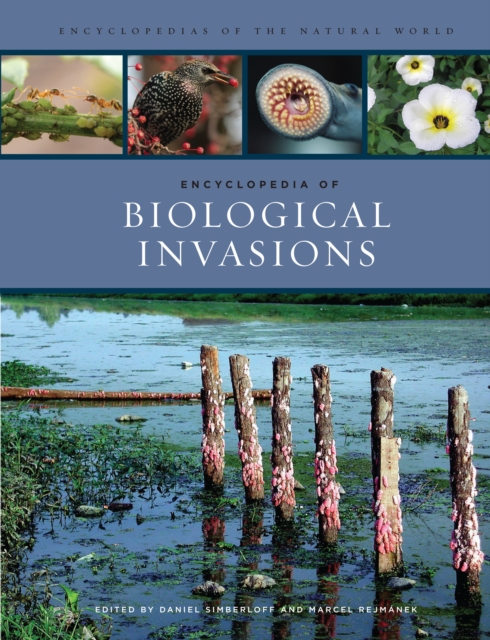
This pioneering encyclopedia illuminates a topic at the forefront of global ecology-biological invasions, or organisms that come to live in the wrong place.
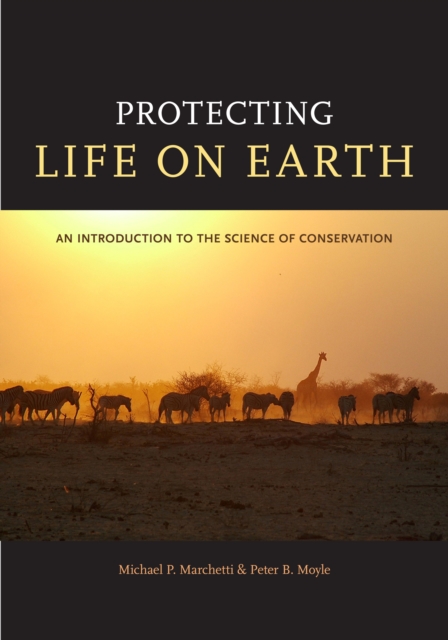
Written to be accessible to any college-level reader, Protecting Life on Earth offers a non-technical, yet comprehensive introduction to the growing field of conservation science.
The life cycles of fishes are complex and varied, and knowledge of the early life stages is important for understanding the biology, ecology, and evolution of fishes.
After decades of civil war and instability, the African country of Angola is experiencing a spectacular economic boom thanks to its most valuable natural resource: oil.
Robert Thayer brings the concepts and promises of the growing bioregional movement to a wide audience in a book that passionately urges us to discover "e;where we are"e; as an antidote to our rootless, stressful modern lives.
This beautifully written book weaves reflections on anthropological fieldwork together with evocative meditations on a spectacular landscape as it takes us to the remote indigenous villages on the shore of Lake Titicaca, high in the Peruvian Andes.
A compelling story of place, Steward's Fork explores northwest California's magnificent Klamath Mountains-a region that boasts a remarkable biodiversity, a terrain so rugged that significant landscape features are still being discovered there, and a wealth of natural resources that have been used, and more recently abused, by humans for millennia.
Beginning with an Olympic ski race in northern Utah, this heartfelt book from award-winning writer and photographer Stephen Trimble takes a penetrating look at the battles raging over the land-and the soul-of the American West.
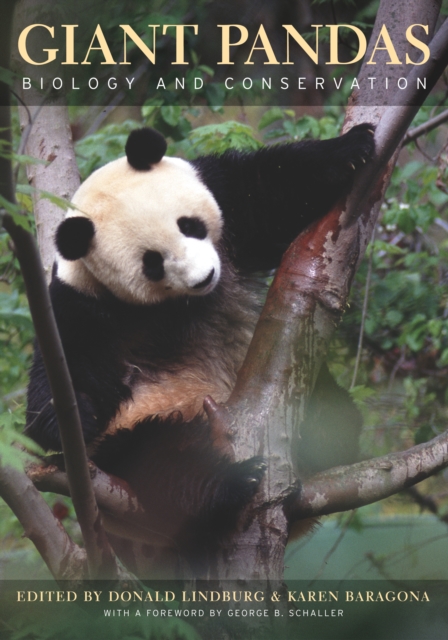
The much-loved giant panda, a secretive denizen of the dense bamboo forests of western China, has become an icon worldwide of progress in conservation and research.
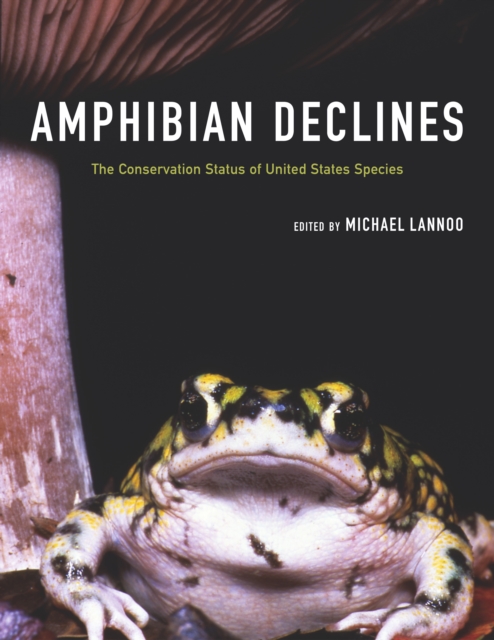
This benchmark volume documents in comprehensive detail a major environmental crisis: rapidly declining amphibian populations and the disturbing developmental problems that are increasingly prevalent within many amphibian species.
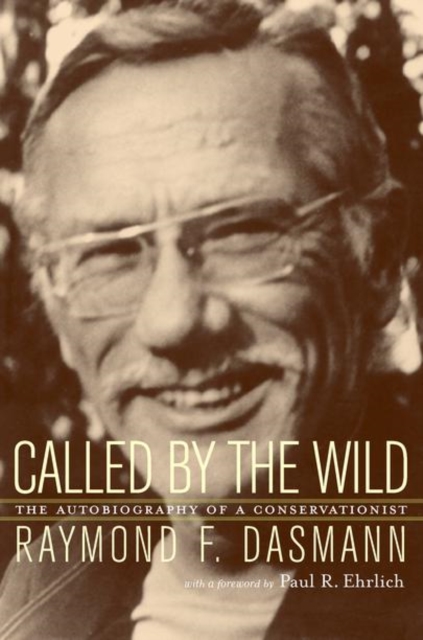
A pioneer in international conservation and wildlife ecology, Raymond Dasmann published his first book, the influential text Environmental Conservation, when the term "e;environment"e; was little known and "e;conservation"e; to most people simply meant keeping or storing.
Candace Slater takes us on a journey into the Amazon that will forever change our ideas about one of the most written-about, filmed, and fought-over areas in the world.
The grim history of Nauru Island, a small speck in the Pacific Ocean halfway between Hawaii and Australia, represents a larger story of environmental degradation and economic dysfunction.
The Northern Spotted Owl, a threatened species that occurs in coniferous forests in the western United States, has become a well-known environmental symbol.
When, in 1883, Congress charged the US Army with managing Yellowstone National Park, soldiers encountered a new sort of hostility: work they were untrained for, in a daunting physical and social environment where they werent particularly welcome.
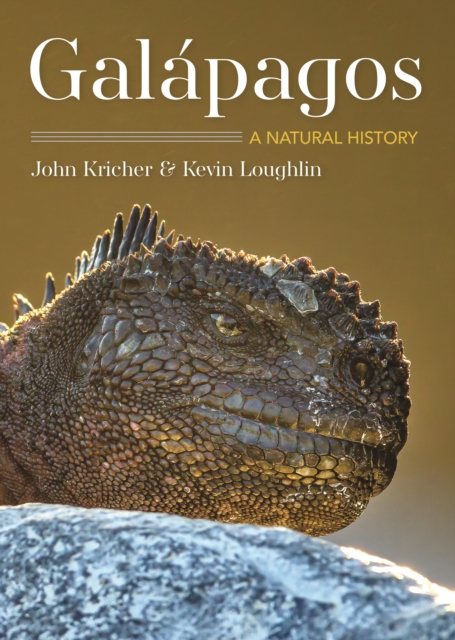
A richly illustrated nature tour of Galapagos-now expanded, thoroughly updated, and with more than 650 color photographsGalapagos is a comprehensive, up-to-date, and profusely illustrated natural history of this spectacular archipelago.